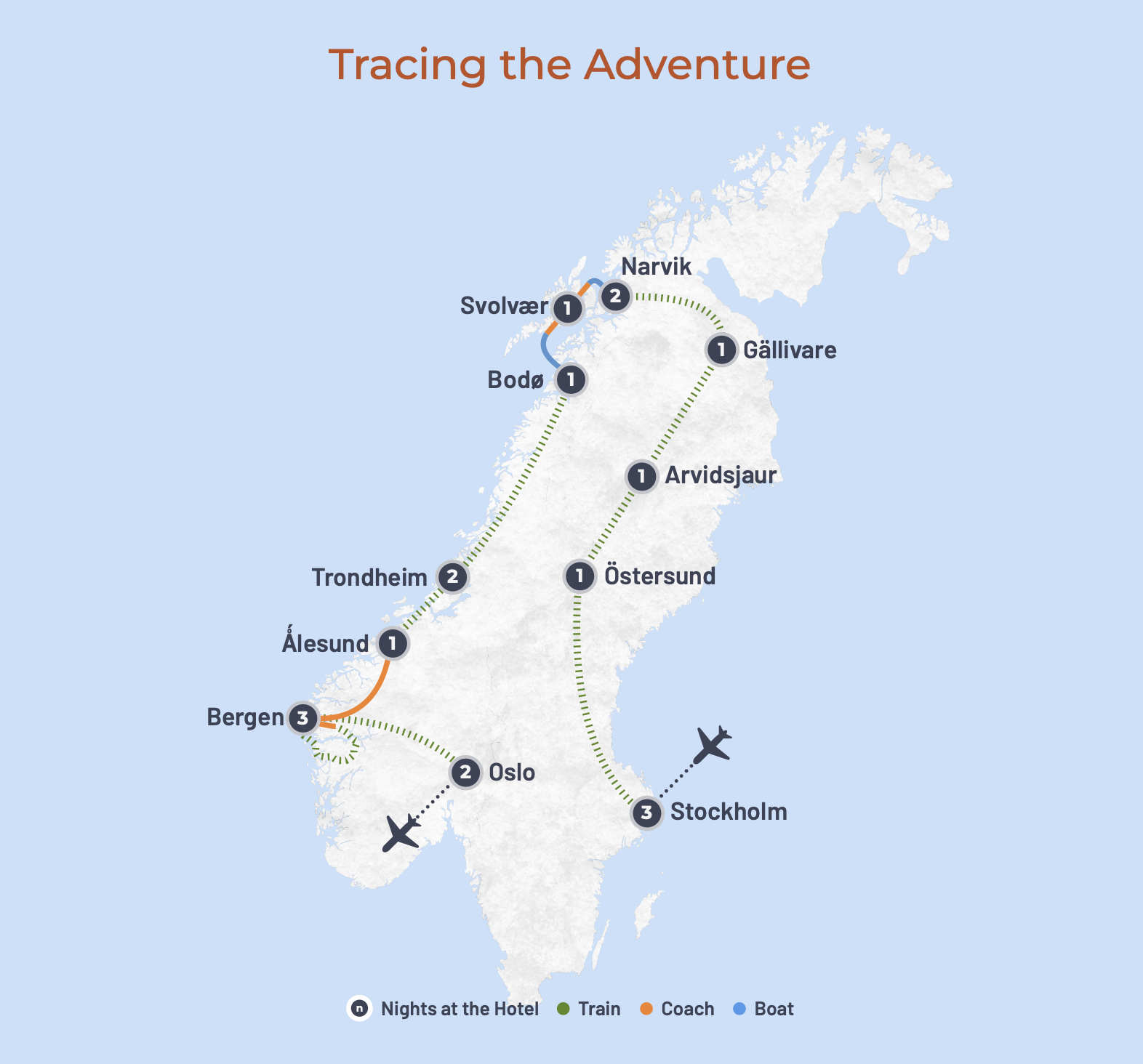
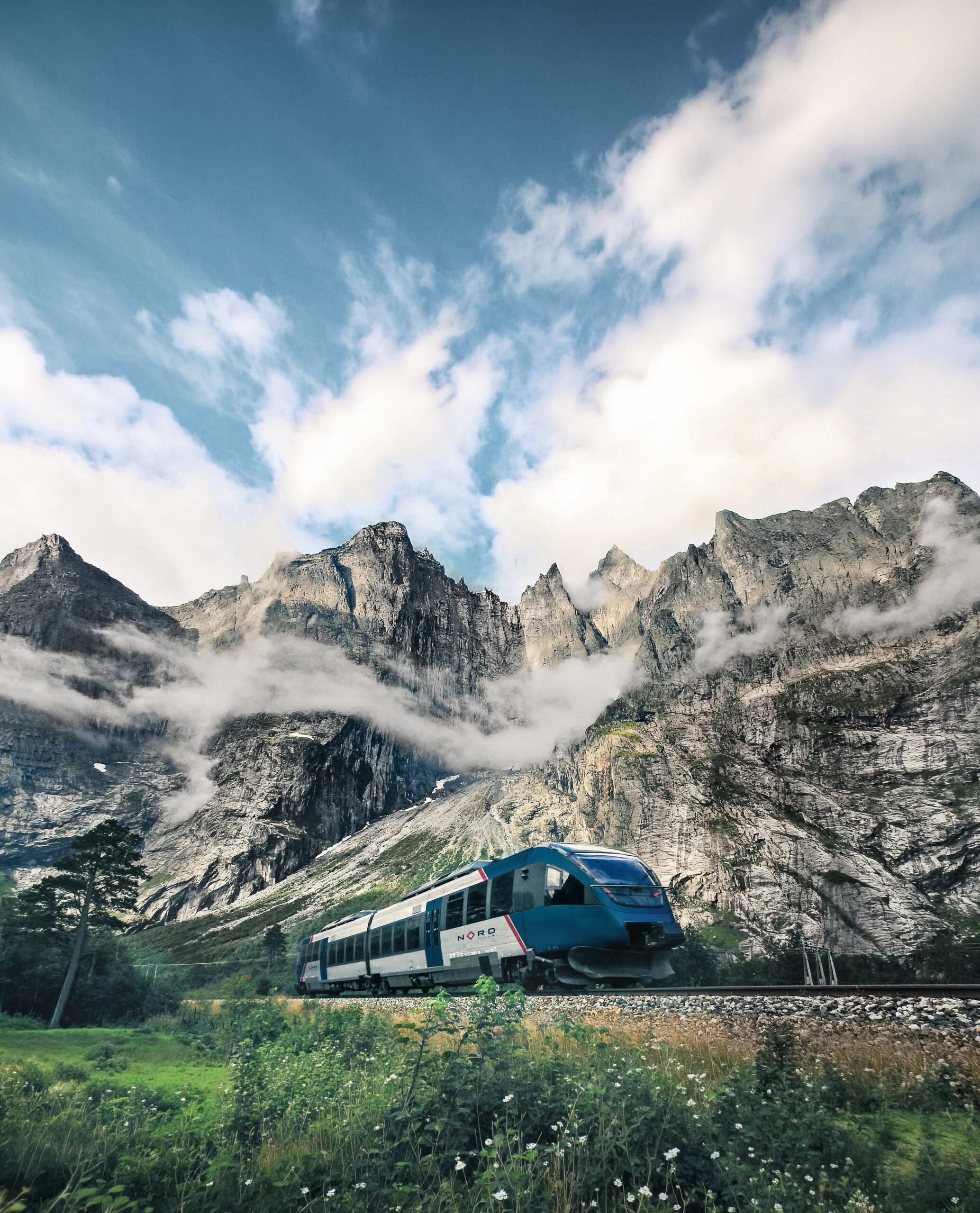
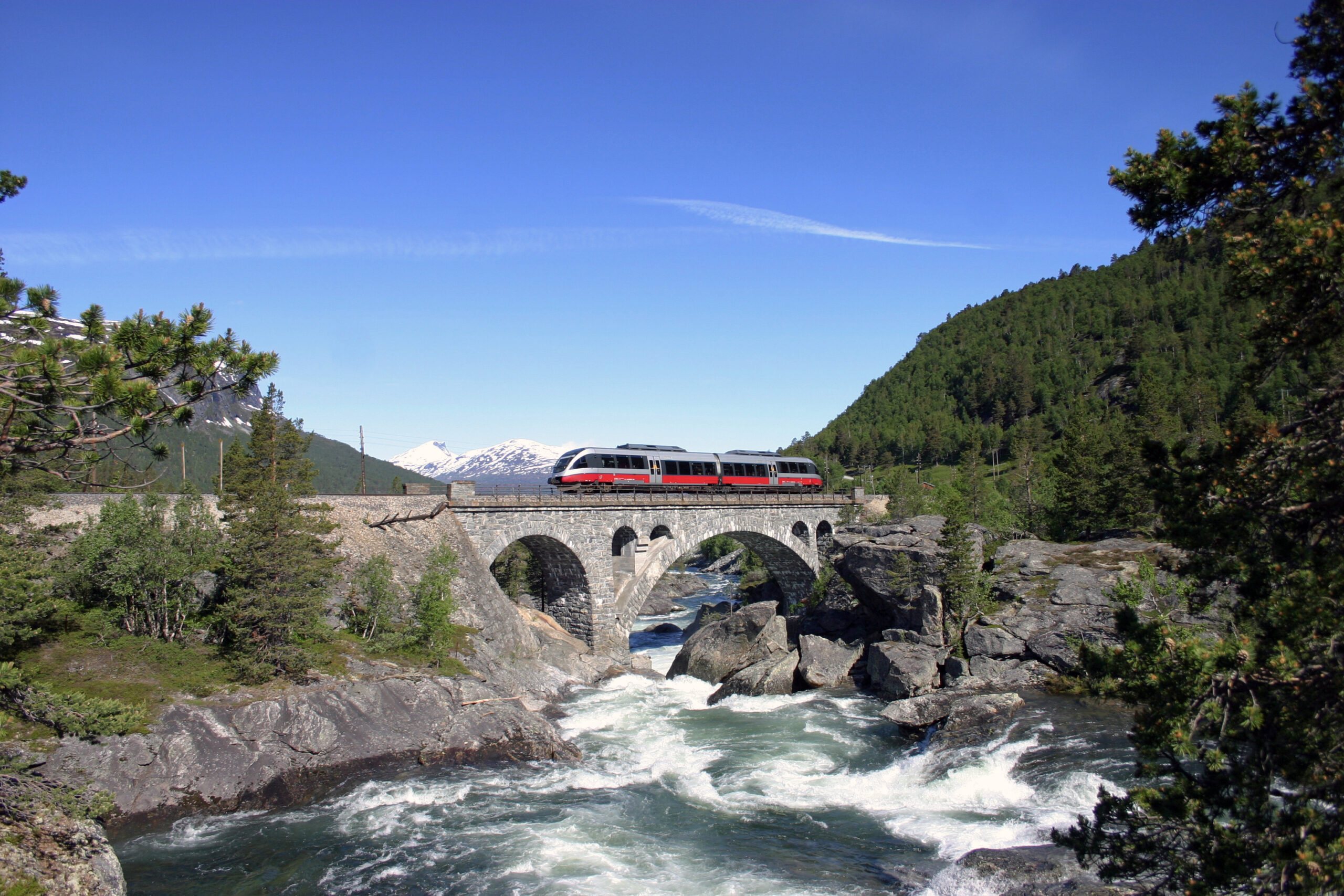
A magnificent midsummer journey through Sweden and Norway, where majestic landscapes meet cultural richness. Ride eight scenic railways including the Inlandsbanan, Nordland, Rauma, Flam, Bergen and Ofoten lines, cruise the Arctic’s Lofoten Islands and glide into Bergen aboard a heritage steamship. Explore Stockholm’s historic charm, Lapland’s Sámi culture, Trondheim’s medieval cathedral, and Ålesund’s Art Nouveau beauty. Complete your travels in Oslo via one of Europe’s most scenic rail routes. With premium accommodation, local delicacies, and expert guides, this 3,000km rail and cruise adventure offers a stress-free way to experience Scandinavia’s dramatic fjords, vibrant cities, and untamed wilderness.
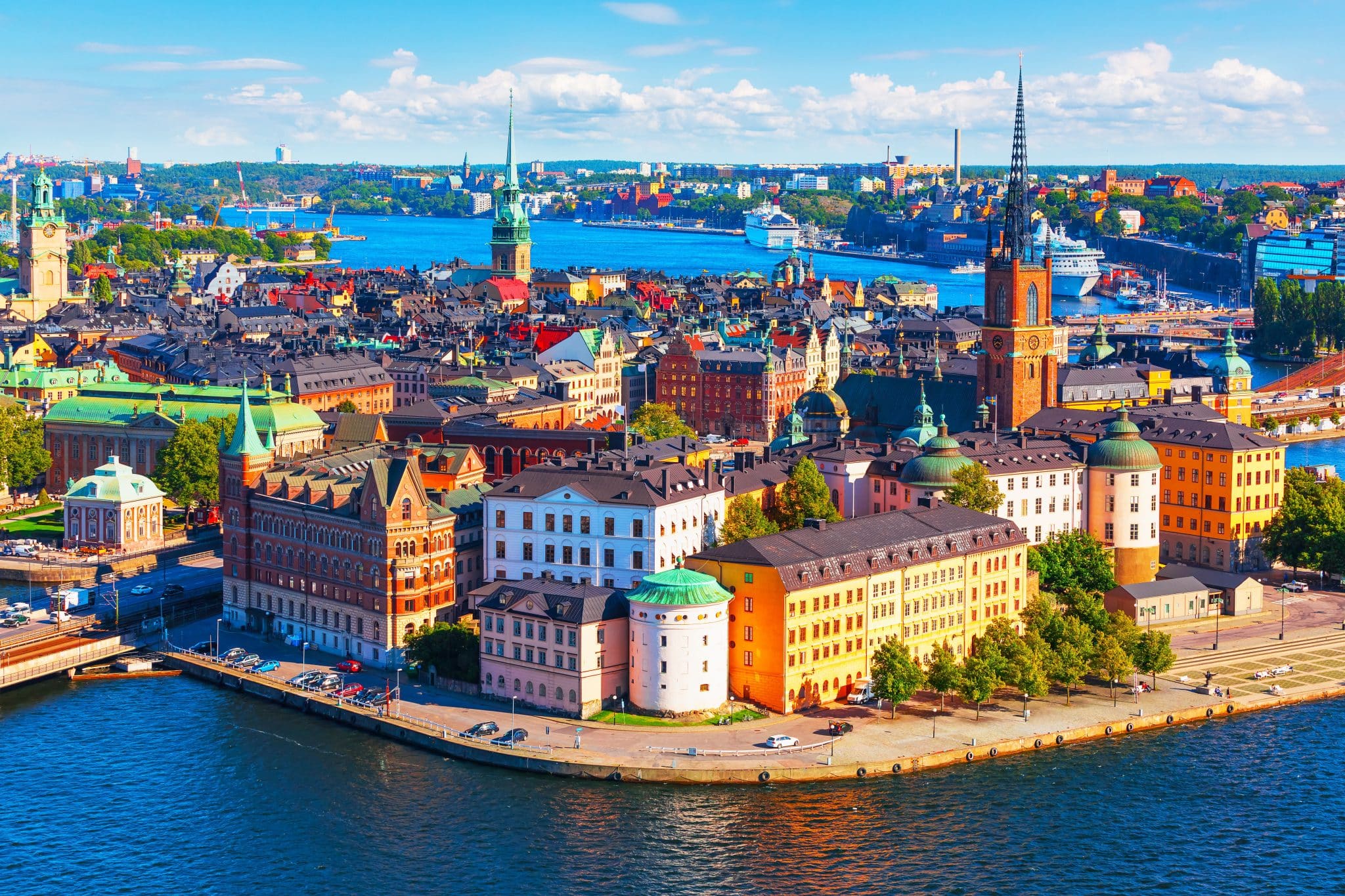
Welcome to Stockholm, Sweden’s capital, the primary home to the Nobel Prize, and a city that seamlessly blends historical charm with modern sophistication. Spread across 14 islands and connected by an intricate network of 57 bridges, Stockholm is a city of water and light.
Upon arrival, take the high-speed Arlanda Express train from the airport to your hotel in the city centre, just a 3-minute walk away from the train stop. Check-in is available from 3.00pm.
Join your tour leader and fellow travellers this evening for welcome drinks and a celebratory welcome dinner to kick off your adventure. We usually meet at 5pm for pre-dinner drinks, so please take this into consideration when planning your flights.
If you’d like assistance with flights and/or pre-tour accommodation in our tour hotel, please contact our office on 1300 800 977.
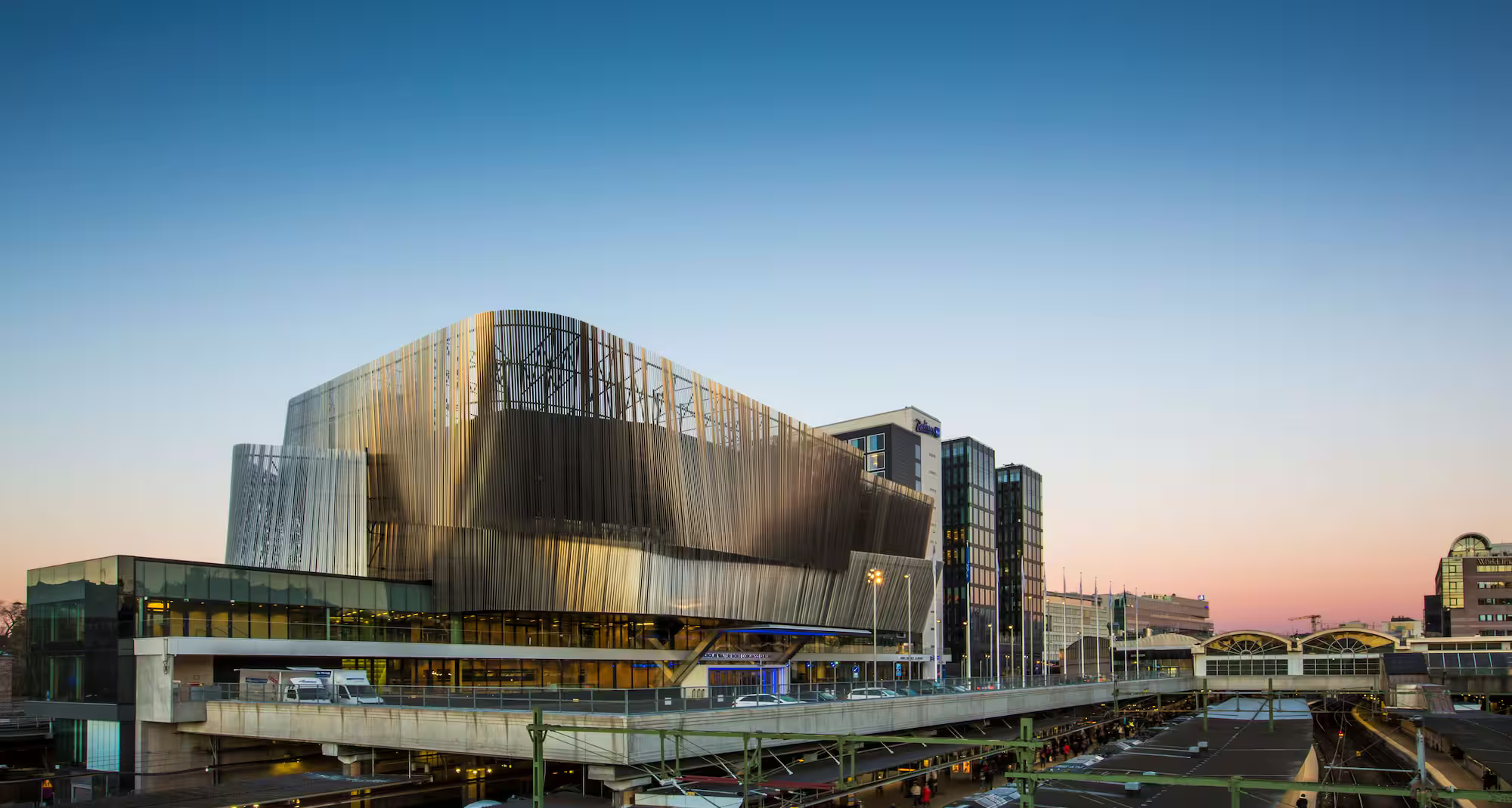
Overnight: Radisson Blu Waterfront Hotel (D)
This morning after breakfast we’ll meet our private expert guide and enjoy a tour of Stockholm by private coach and on foot. The extraordinary architectural styles of the impressive City Hall, home of the Nobel Prize receptions, and the mediaeval and baroque-era Gamla Stan (old town) are highlights.
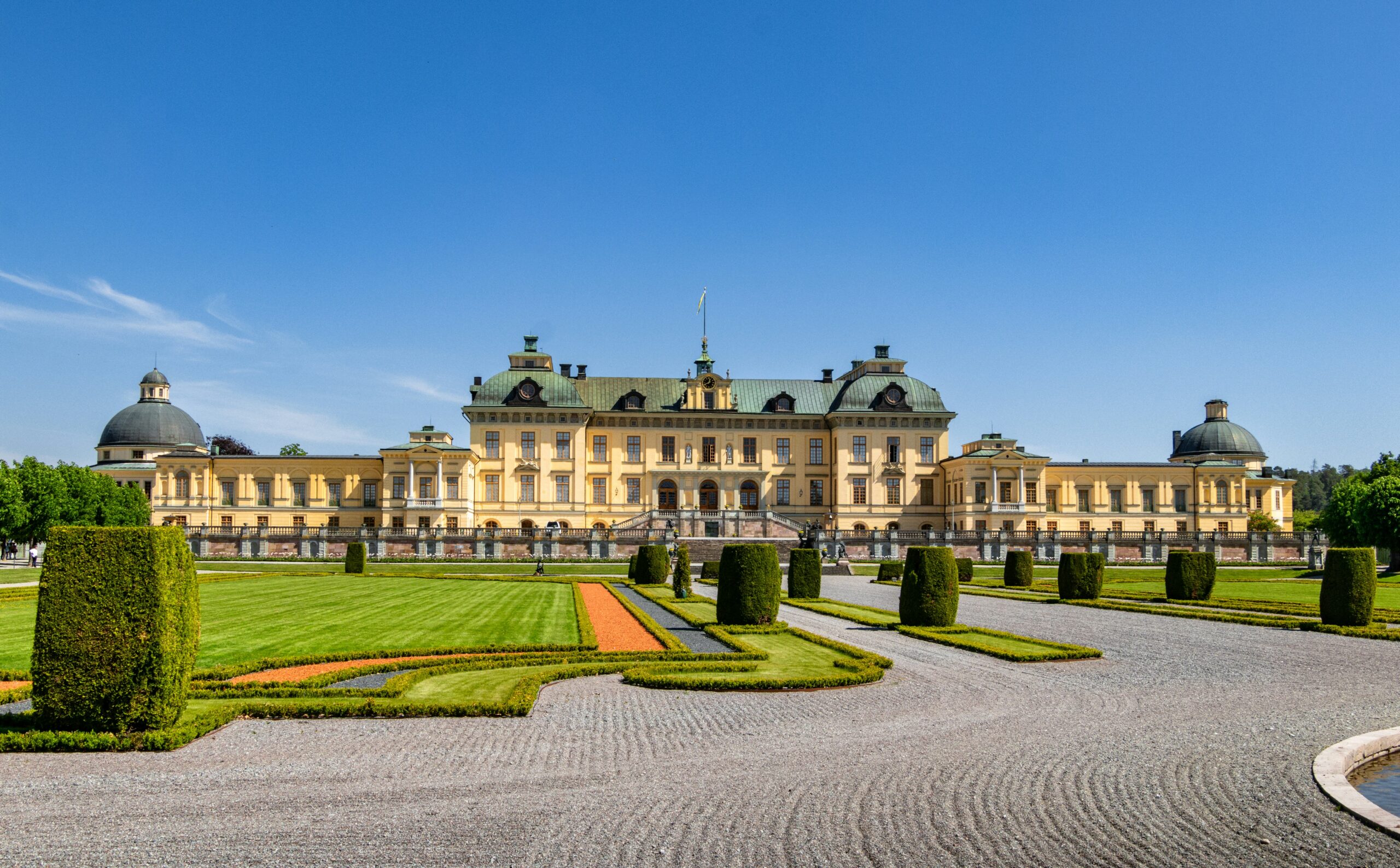
Later, we’ll board a historic ship, the SS Drottningholm, for a leisurely luncheon cruise around the islands to the Royal Palace of Drottningholm, the permanent residence of Sweden’s King and Queen. Built in the 1600s and now a UNESCO World Heritage site, it’s considered the most well-preserved royal castle in Sweden and is representative of all European architecture for the period. The combination of the exotic Chinese Pavilion pleasure palace, the palace theatre, the spectacular art and furniture collections, and the magnificent palace gardens make a visit to Drottningholm a unique experience.
Dinner tonight is at leisure, giving you a chance to experience the array of dining options Stockholm offers.
Overnight: Radisson Blu Waterfront Hotel (B, L)
It’s a lazy start today – enjoy a lie-in and a leisurely breakfast or get out and about and explore the waterfront area around the hotel or return to Gamla Stan for a closer look.
Later in the morning, we’ll board our privately chartered tram for a journey around the city on its iconic tramlines – a wonderfully novel way of exploring any city.
We’ll then stop for lunch at a local restaurant close to the world-renowned Vasa Museum, a maritime museum dedicated to the Vasa, a 17th-century Swedish warship that sank on its maiden voyage in 1628 and was salvaged in 1961. You’ll have tickets to explore the Museum at leisure including the only (almost) fully intact 17th-century ship that has ever been salvaged. The Vasa ship, commissioned by King Gustavus Adolphus, was a grand but poorly designed vessel, with too much weight in its upper structure, causing it to capsize just 1,300 metres into its first journey. Preserved by the Baltic Sea’s low salinity, the ship is remarkably intact, with 98% of its original wood still present. Exhibits include artifacts like cannons, clothing, and skeletal remains of crew members, offering insights into 17th-century naval life, shipbuilding, and the political context of the Thirty Years’ War. The museum also features a full-scale model of the Vasa’s upper deck and stories of the 30–50 people who died in the sinking.
Outside the main building, four other museum ships are moored in the harbour – the ice breaker Sankt Erik (1915), the lightvessel Finngrundet (1903), the torpedo boat Spica (1966) and the rescue boat Bernhard Ingelsson (1944), along with numerous other historical maritime collections.
Our private coach will return you to your hotel in the late afternoon, or you can ride the brilliant tram system back in your own time. Dinner tonight is at leisure.
Overnight: Radisson Blu Waterfront Hotel (B, L)
This morning after breakfast and check out, we begin our journey into the Swedish countryside, taking our private coach for a short ride north to Marielund on the edge of the Uppsala forest for a very special treat – a journey in time on the “Lennakatten”, a heritage narrow-gauge railway, on which steam-hauled, devotedly restored coaches take you along one of Sweden’s most beautiful rail routes.
Our expert local guide will meet us at Uppsala station for a city tour by coach and on foot. Renowned for its rich history, academic prestige, and vibrant cultural scene, Uppsala is home to Scandinavia’s oldest university, Uppsala University, founded in 1477; Uppsala Cathedral, the tallest church in Scandinavia, and the burial place of Sweden’s early Kings and Queens; and Uppsala Castle, perched on a hill offering stunning views of the city, the city buzzes with civic pride and intellectual energy. At the completion of the tour, you’ll have time to explore the Cathedral at your own pace and enjoy some lunch at leisure.
In the early afternoon, we’ll board a cross-country train for a scenic journey to Östersund, nestled on the shores of Lake Storsjön, and the departure point for the famous Innlandsbanan Railway.
Dinner tonight is at the hotel.
Overnight: Hotel Clarion Grand Östersund (B, D)
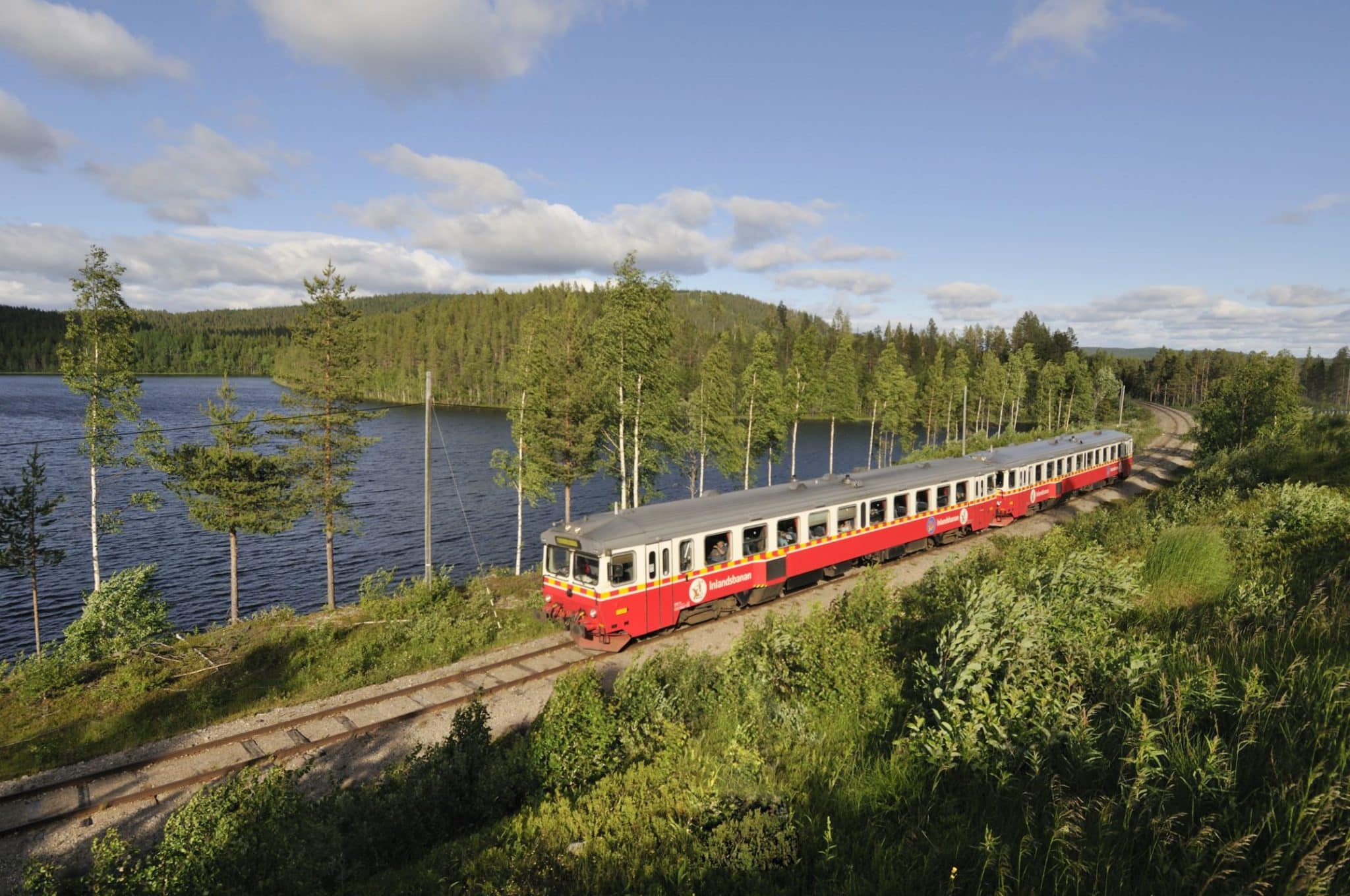
This morning after breakfast and check out, we’ll make our way to the railway station to board the unique Inlandsbanan train, a retro diesel railcar, for a once-in-a-lifetime, unique two-day journey through the heart of Sweden. Built between 1908 and 1937, the Inlandsbanan, or Inland Line, is a 1,288-kilometre scenic railway stretching from Kristinehamn in southern Sweden to Gällivare in the north, and is far more than a mode of transportation, it’s an unforgettable voyage into the heart and soul of Sweden.
We’ll be heading north on an amazing journey crossing diverse landscapes to Swedish Lapland’s Arctic wilderness, passing lakes, rivers, and the Arctic Circle just south of Jokkmokk, and crossing the UNESCO-listed Laponian area. You’ll travel through charming small towns, dense pine, spruce, and birch forests, marshes, mountains, and have many chances to spot wildlife like reindeer, moose, or even bears and wolves.
We’ll make various stops along the way, including at Vilhelmina Norra for lunch at leisure, and arrive in Arvidsjaur, a small town in the heart of Swedish Lapland, about 110 km south of the Arctic Circle, in the late afternoon. Upon arrival, we’ll transfer directly to our hotel and check in.
Dinner tonight will be in the hotel’s lakeside restaurant.
Overnight: Hotel Laponia, Arvidsjaur (B,D)
Today after breakfast and check out, you can store your luggage at the hotel and enjoy some free time in Arvidsjauer until mid-afternoon when our journey on the Inlandsbanan continues. Relax at the hotel or explore the town – a vibrant hub blending Sami heritage, natural beauty, and modern industries like winter car testing, with a history that stretches back thousands of years. Initially inhabited by the Sami people, who lived off fishing and hunting, by the 14th–15th centuries Arvidsjaur had become a busy trading hub for furs and skins. The arrival of Christian missionaries in the early 1600s commenced a period of intense ‘christianisation’ of this indigenous culture, and this was followed by the arrival of Swedish settlers in 1757. Despite these interruptions, the Sami culture remains strong, with about 20 Sami families still practicing traditional reindeer herding and living from time to time in the Lappstaden (Sami Town).
The Lappstaden is a collection of 80 well-preserved 17th-century wooden huts still used today by Sami families coming from the reindeer pastures into town for supplies, church services, or medical appointments, and is open to the public. A visit here provides a wonderful insight into Sami culture, along with the Hembygtsmuseet Gamla Prästgården (local history museum), which showcases the broader history of the region and regional crafts. We can assist with visits to both of these if you like.
Later in the afternoon, we’ll regroup back at our hotel and transfer to the station to reboard the Inlandsbanan for the second stage of our journey through landscapes of crystal-clear lakes and towering forests, crossing the Arctic Circle into Lapland and the ‘Land of the Midnight Sun’, and on to Gällivare. There’ll be a meal stop on the train journey to enable you to have some dinner at leisure. Upon arrival, we’ll simply walk across the road to our hotel and check in.
If you’re keen, you might want to take a walk or a taxi the 5 kilometres to the Dundret Summit, the peak of Dundret Mountain (Dundretberget), standing at 823 metres above sea level, to soak up the Midnight Sun and enjoy the panoramic mountain views. This stop in Gällivare is one of the few times in your life you’ll still be in broad daylight at midnight!
Overnight: Grand Hotel Lapland, Gällivare (B)
Today after breakfast, we’ll stroll across the street to the station and catch the local train to Norway. Our train glides past vast iron ore mines in northern Sweden, including Kiruna, the location of Swedish noir TV shows like “Midnight Sun”, and then drops down via the extraordinary Ofoten Railway to the Norwegian port city of Narvik, literally carved into the side of a spectacular fjord just above the Arctic Circle.
Narvik’s rich history begins in the Bronze Age, with evidence of early inhabitants, including Vikings and the indigenous Sami people, but the town itself is relatively young – founded in the 19th century specifically to serve as an ice-free export port for high-quality iron ore mined in Kiruna and Gällivare in Sweden. The Ofotbanen (Ofoten Railway), one of the world’s northernmost rail lines, connects the Swedish mines directly to Narvik’s deep-water harbor.
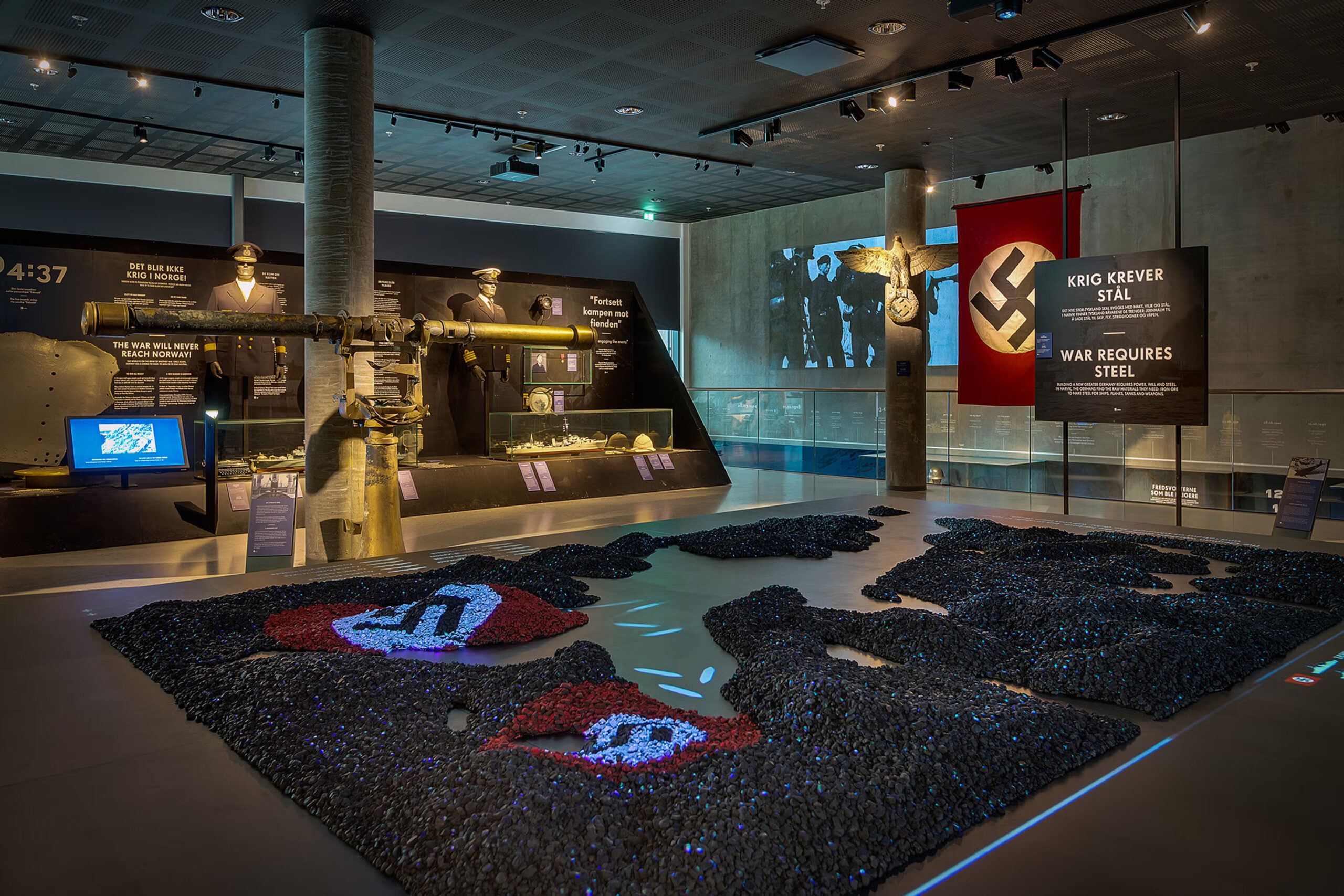
The town’s strategic importance led to intense fighting during the famous Battles of Narvik in 1940 – part of Germany’s invasion of Norway. German forces seized the port early on, but fierce naval battles saw the British and Polish navies inflict heavy losses on the German destroyer fleet, sinking or damaging about half of Germany’s destroyers. Allied troops later recaptured the town but had to evacuate in June due to the fall of France. Narvik was heavily damaged and later rebuilt. Today, the economy centres on iron ore shipping – the port handles some 25 million tons of iron ore annually; tourism, which was boosted by the 2023 Netflix film “Narvik”; some fishing; and emerging sectors like green industry and education.
After checking into our hotel, we’ll visit the Museum Nord Narvik, located in the old NSB railway administration building dating back to 1902. The museum tells the story of the construction and operation of the Ofotbanen railway, the iron ore’s long journey from Kiruna to Narvik’s ice-free harbour and further out into the world, and the development of Narvik city over more than 100 years. The museum also hosts an exhibition on the electrification of the Ofotbanen railway, and displays exhibitions from the battle of Norway, as well as the history and culture of this wild region.
After a few hours at leisure, we’ll head out to enjoy dinner at a local restaurant.
Overnight: Scandic Narvik Hotel, Narvik (B, D)
This morning after a lazy breakfast, we’ll head out to visit the Narvik War Museum (Krigsmuseum) – a significant, well curated, interactive museum detailing the 1940 Battles of Narvik, Norwegian resistance, and WWII’s human toll.
You’ll then have a few hours of free time to explore more of Narvik at your own pace and enjoy some lunch at leisure. You may want to explore the National Freedom Monument (1945, polished steel, 59 ft) and Peace Stone (2006, from Hiroshima’s ground zero) located near the War Museum.
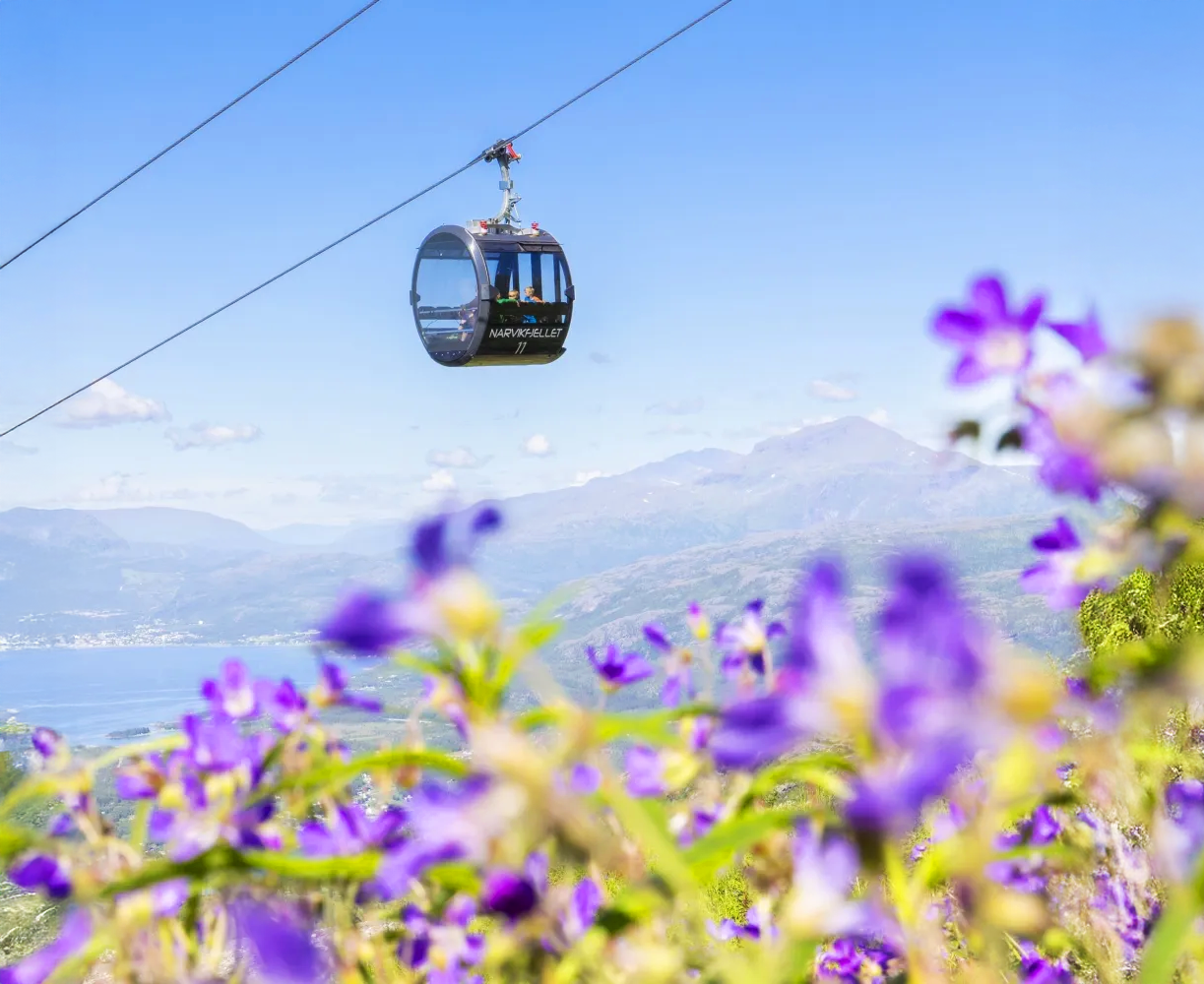
Later in the afternoon we’ll take a coach tour of the surroundings of Narvik before heading to the Narvikfjellet Cable Car for a ride up to the top of Narvikfjellet Mountain to take in the magnificent views of the surrounding landscape.
Dinner tonight will be in a local restaurant near our hotel.
Overnight: Scandic Narvik Hotel, Narvik (B, D)
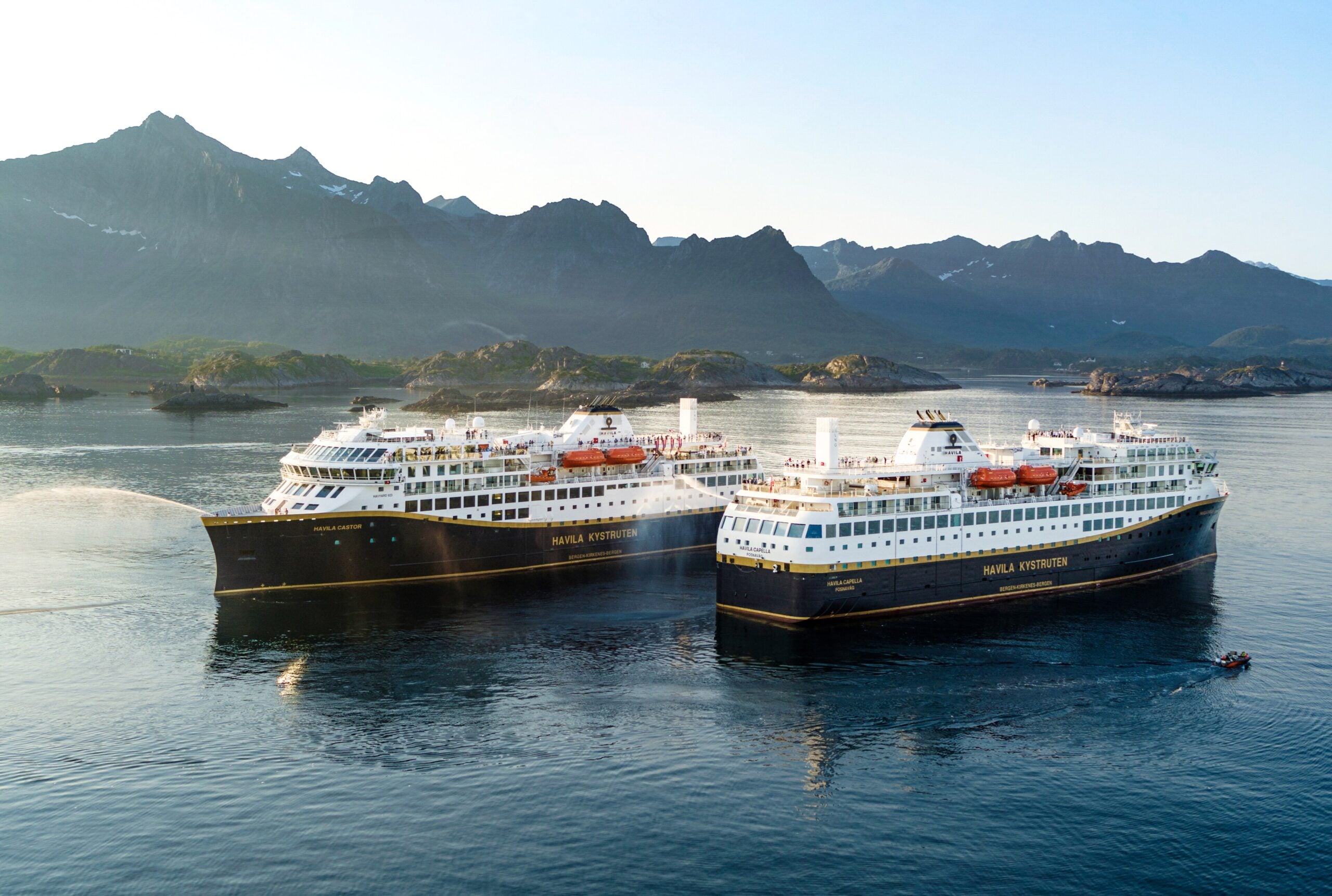
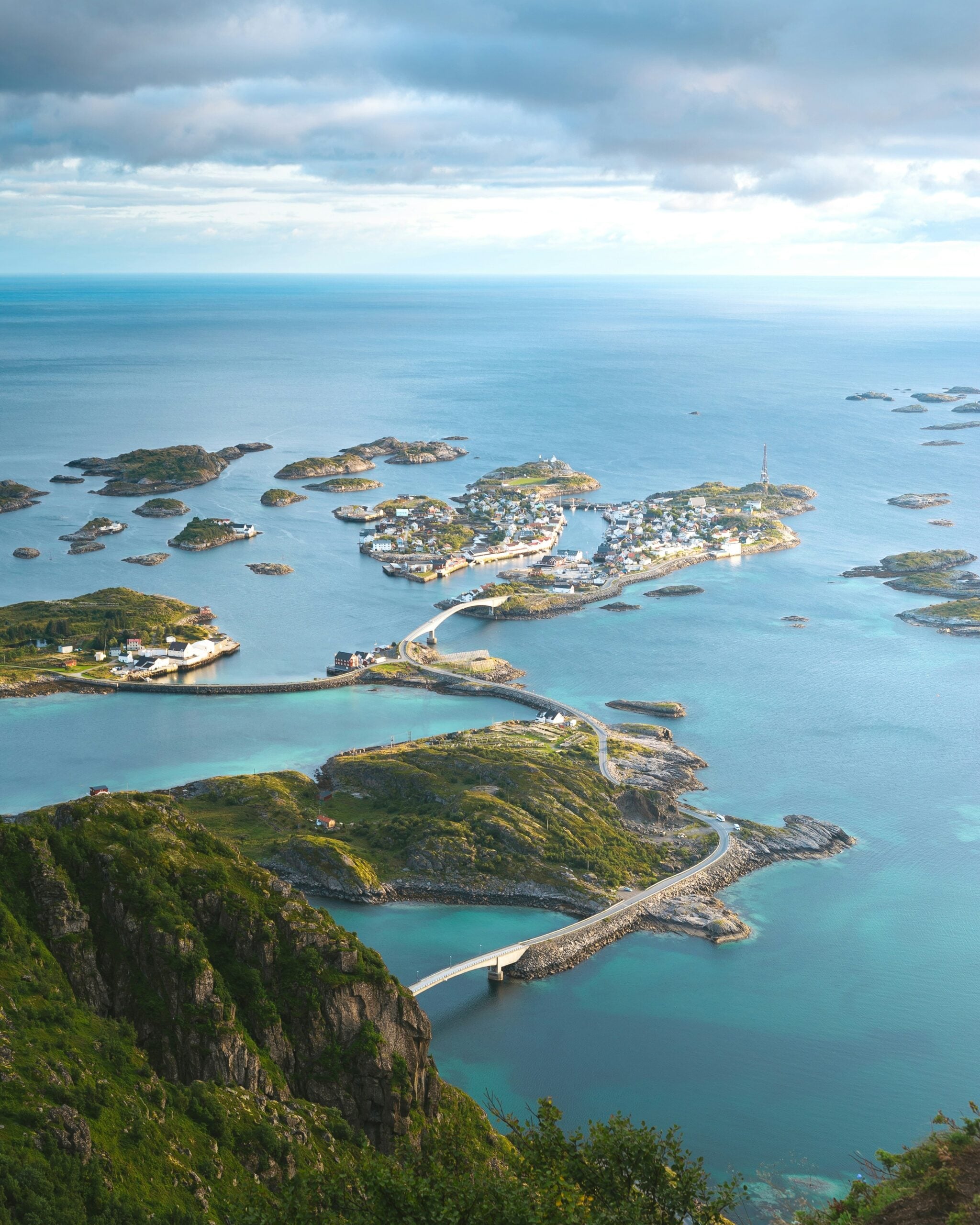
After breakfast and check out, we’ll join our private coach for a scenic journey to the charming town of Sortland to board the MS Polaris for a six-hour cruise of the Lofoten Islands, a stunning archipelago stretching about 110–175 km just inside the Arctic Circle.
People have lived in the islands since at least the Viking Age and earlier, with continuous settlement documented from around 1120. For centuries, the economy revolved around the legendary Lofoten cod fishery when fishers from across Norway came to harvest and dry cod into stockfish, a prized export. Fishing and fish processing remain important, alongside tourism, which has boomed in recent decades. The islands have a strong artistic heritage too – painters and photographers are drawn to the light and scenery. Today, about 25,000 people live here permanently.
From the comfort of this fully appointed liner, you’ll travel to Svolvaer, entranced by the magnificent scenery, including the astounding Troll Fjord, and understand why this is considered the most beautiful of all of Norway’s cruises. There are numerous options on board for lunch at leisure.
After disembarking in Svolvaer, we’ll walk directly to our hotel, situated in the heart of town a short distance from the waterfront. Dinner tonight will be at a local restaurant.
Overnight: Thon Hotel, Svolvaer (B, D)
This morning after breakfast and check out, we’ll load our luggage into our private transport, meet our knowledgeable expert local guide and head off for an eye-opening day exploring the rich culture and striking natural landscapes of the Lofoten Islands.
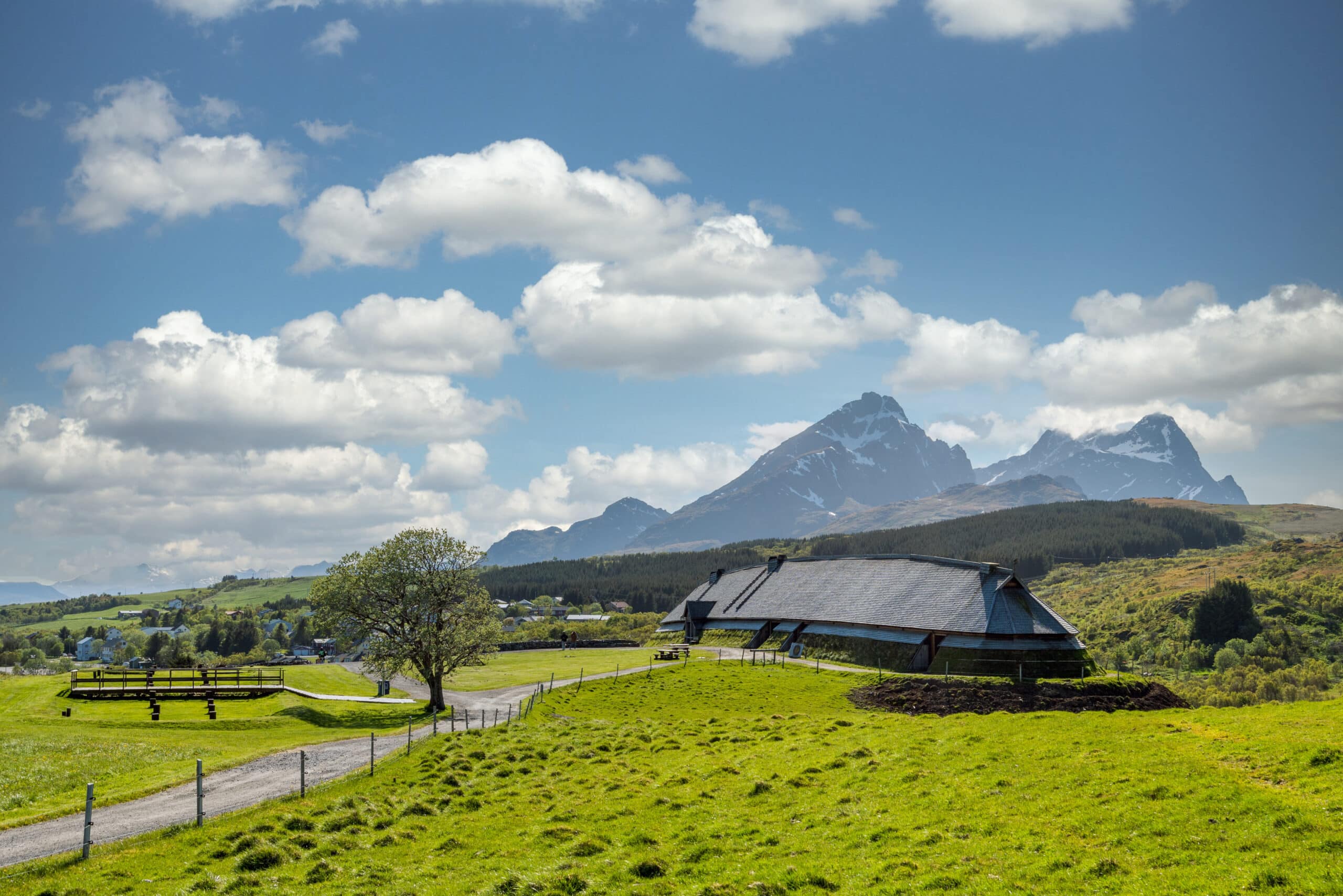
Our first stop is the Lofotr Viking Museum, one of the highlights of the Lofoten Islands. Built around the archaeological site of what was once one of the most powerful Viking chieftain’s farms in the Nordic region, the museum brings the Viking Age (c. 800–1050 CE) to life through a combination of impressive reconstructions, genuine artifacts, modern exhibitions, and interactive experiences.
In 1983, a farmer in Borg discovered the foundations of an enormous Viking longhouse. Excavations revealed it was the largest known Viking-era building in Norway — originally established around AD 500, expanded in the 8th century, and abandoned around AD 950. The structure measured about 83 meters long and 9.5 meters wide and a highlight of the museum is a full-scale reconstruction of it, built using traditional techniques and materials. Inside this massive wooden hall, it is furnished to evoke daily Viking life, with open fires, animal furs, tools, textiles, and living quarters. Guides and craftspeople often demonstrate traditional skills like leatherwork, textile weaving, or games such as hnefatafl (Viking chess). The atmosphere, with the smell of woodsmoke and tar, feels immersive and authentic.
After farewelling the Vikings, we’ll continue south through the dramatic Lofoten scenery of jagged peaks, sweeping fjords and the picturesque white-sand beaches of Ramberg before continuing on to the fishing village of Reine, one of the most iconic locations in the islands. Framed by steep mountains and turquoise waters, Reine is a picture perfect spot for our lunch at a local restaurant. After lunch, there’ll be time to explore the harbour, photograph the dramatic views or simply soak up the peaceful atmosphere before continuing on to the car ferry at Moskenes, for the journey across to the busy port city of Bodø.
After checking into our hotel, dinner tonight will be a feast at a local alehouse on the old wharf.
Overnight: Quality Ramsalt, Bodø (B, L, D)
We don’t need to be at the train station until midday, so this morning is yours to explore Bodø at your own pace. You may like to visit the Nordland Museum (Nordlandsmuseet) located in the town centre, showcasing Bodø’s 9,000-year history, from Sami culture to the herring trade and WWII; or visit Bodø Cathedral (Bodø Domkirke), a striking 1956 concrete cathedral with a 36-metre freestanding bell tower, rebuilt after WWII bombings. Its modern design and stained-glass windows are highlights. If you’re interested, your tour leader can facilitate a morning visit to the Norwegian Aviation Museum (Norsk Luftfartsmuseum), Norway’s national aviation museum, displaying military and civilian aircraft, including a U-2 spy plane and WWII Spitfires. Or you may be happy to grab a coffee and wander the city centre to see Bodø’s vibrant street murals.
Just before midday, we’ll walk to the railway station for the longest single train journey of this adventure – the Norland Express train to Trondheim. This 720-kilometre journey, Norway’s longest continuous train line, takes us back over the arctic circle, crosses 293 bridges, and travels through 154 tunnels. From your seats, bolstered by a well-catered cafe car, you’ll enjoy almost continuous panoramic views of beautiful, untouched wilderness, and several historic places including many World War II sites.
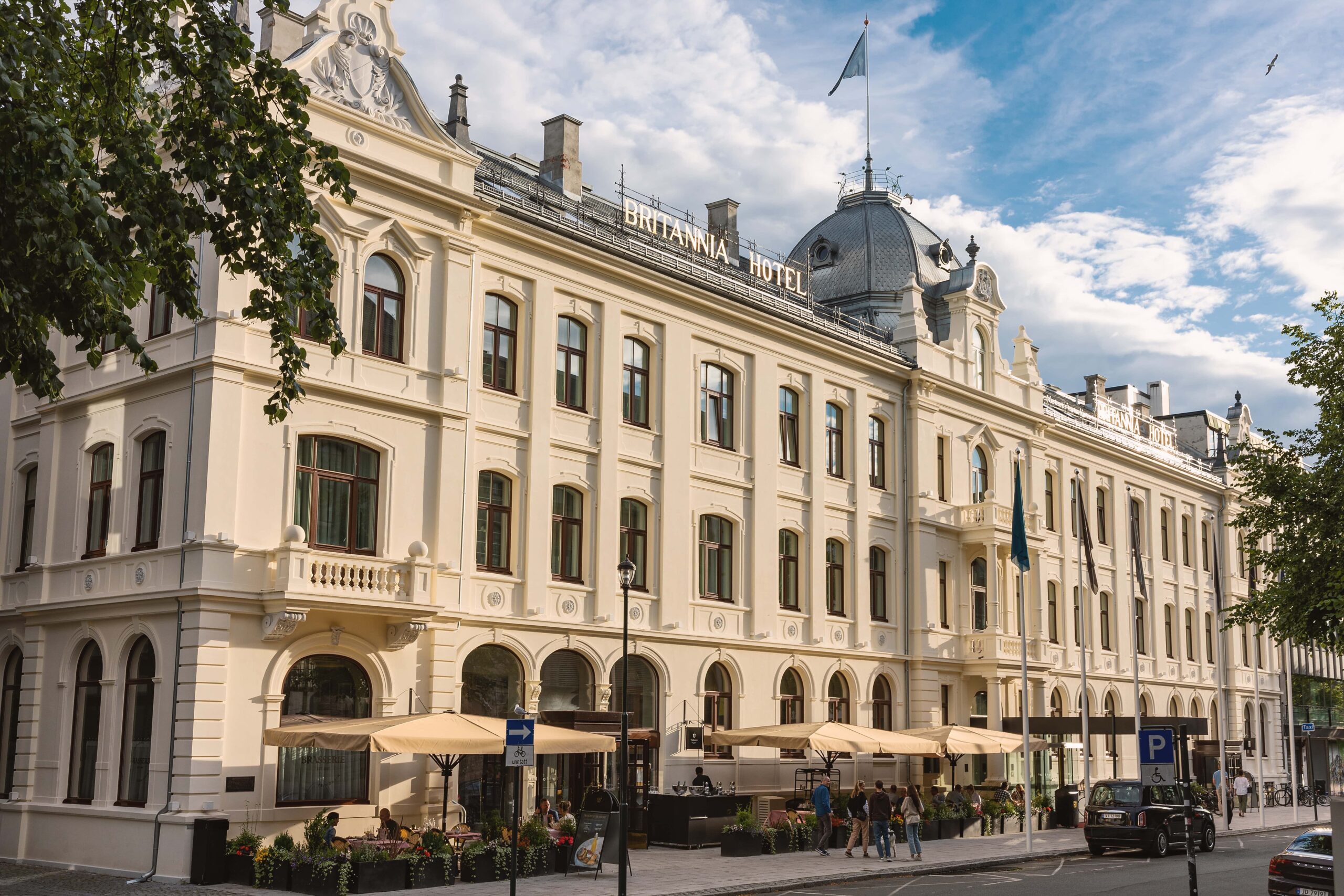
Upon arrival in Trondheim at around 10.00pm, we’ll transfer directly to our hotel, the magnificent Britannia Hotel, our luxury home for the next two nights.
Overnight: Britannia Hotel, Trondheim (B)
Trondheim, Norway’s third-largest city, has deep Viking and medieval roots. Founded in 997 CE by Viking king Olav Tryggvason as Nidaros, it was Norway’s first capital and a major trade hub, before becoming a religious centre after Olav II (St. Olav) was martyred in 1030 at the Battle of Stiklestad. By the 12th century, the city was the seat of the Norwegian archbishopric, hosting coronations and religious ceremonies. After the Protestant Reformation, Trondheim’s prominence as a religious centre waned, but regained importance as a key port for timber and fish trade with the arrival of rail connections in the late 19th century. After fires devastated much of the wooden city multiple times, notably in 1681 when most of the mediaeval city centre was destroyed, a Baroque-inspired reconstruction delivered the old city we see today.
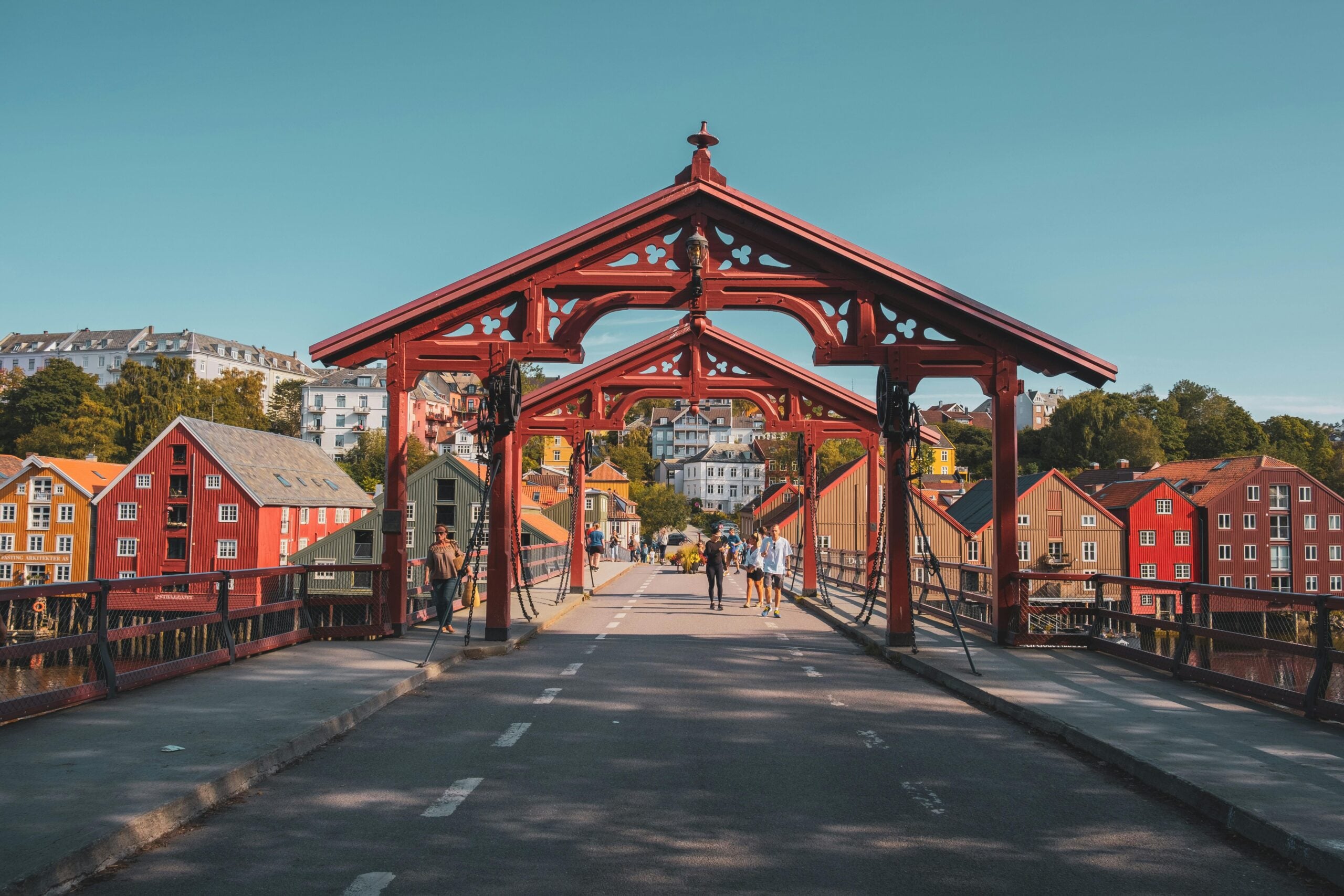
This morning after breakfast, we’ll enjoy a short exploration by coach before taking a walking tour of the old town, including Old Town Bridge (Gamle Bybro), a 1681 red wooden bridge over the Nidelva, offering postcard-worthy views of colorful wharf houses in Bakklandet; and the Bakklandet Neighborhood, a charming cobblestone district with 18th-century wooden houses, now home to boutiques, galleries and cafés. We’ll pause here for some free time and lunch at leisure before enjoying a guided tour of Trondheim’s famous Nidaros Cathedral – Norway’s national sanctuary built over Saint Olav’s burial site. Admire its Gothic facade, medieval sculptures, rose window, and richly decorated interior steeped in nearly 1,000 years of history.
The rest of the afternoon and evening are at leisure to explore some more – you may be interested in Rockheim, Norway’s national museum of popular music, featuring interactive exhibits on Norwegian rock and pop from the 1950s to today; the Ringve Music Museum, a manor house with a collection of 2,000 musical instruments from around the world, set in a botanical garden; or take a tour through Stiftsgården, Scandinavia’s largest wooden palace (1778), and the royal residence in Trondheim. For those interested in military history, Trondheim was the largest German naval base in Northern Europe between June 1940 and May 1945 – you may like to visit the site of the German U-boat headquarters. Your tour leader and the wonderful Hotel Concierge will be only too happy to help.
Overnight: Britannia Hotel, Trondheim (B)
This morning after breakfast and check out, we’re back on the wonderful Nordland Railway, the first leg of our journey to Ålesund, a picturesque coastal city renowned for its stunning Art Nouveau architecture, vibrant maritime heritage, and dramatic setting along fjords and mountains.
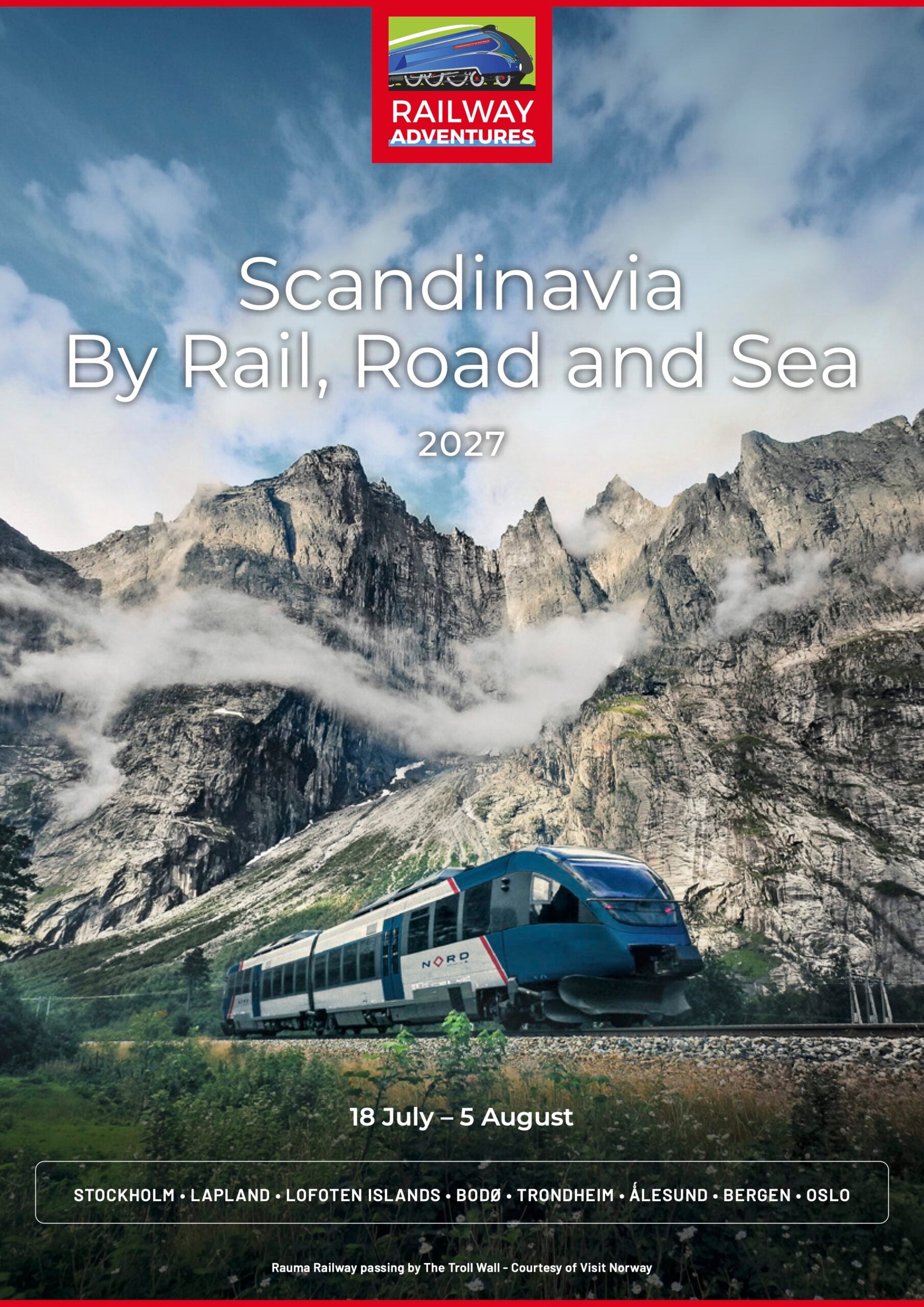
This magical train journey snakes around lakes and rivers, climbs the ranges and traverses the wild treeless alpine plateau, again confirming Norway as one of the most beautiful countries in the world. We’ll pause in the junction town of Dombas to have a lunch break and change trains for the breathtaking descent on the Rauma Railway and on to Åndalsnes, where we’ll be met by our private coach for the last leg of today’s journey past the lakes, waterways, and mountains of this glorious coastal region to the wonderful art nouveau city of Ålesund.
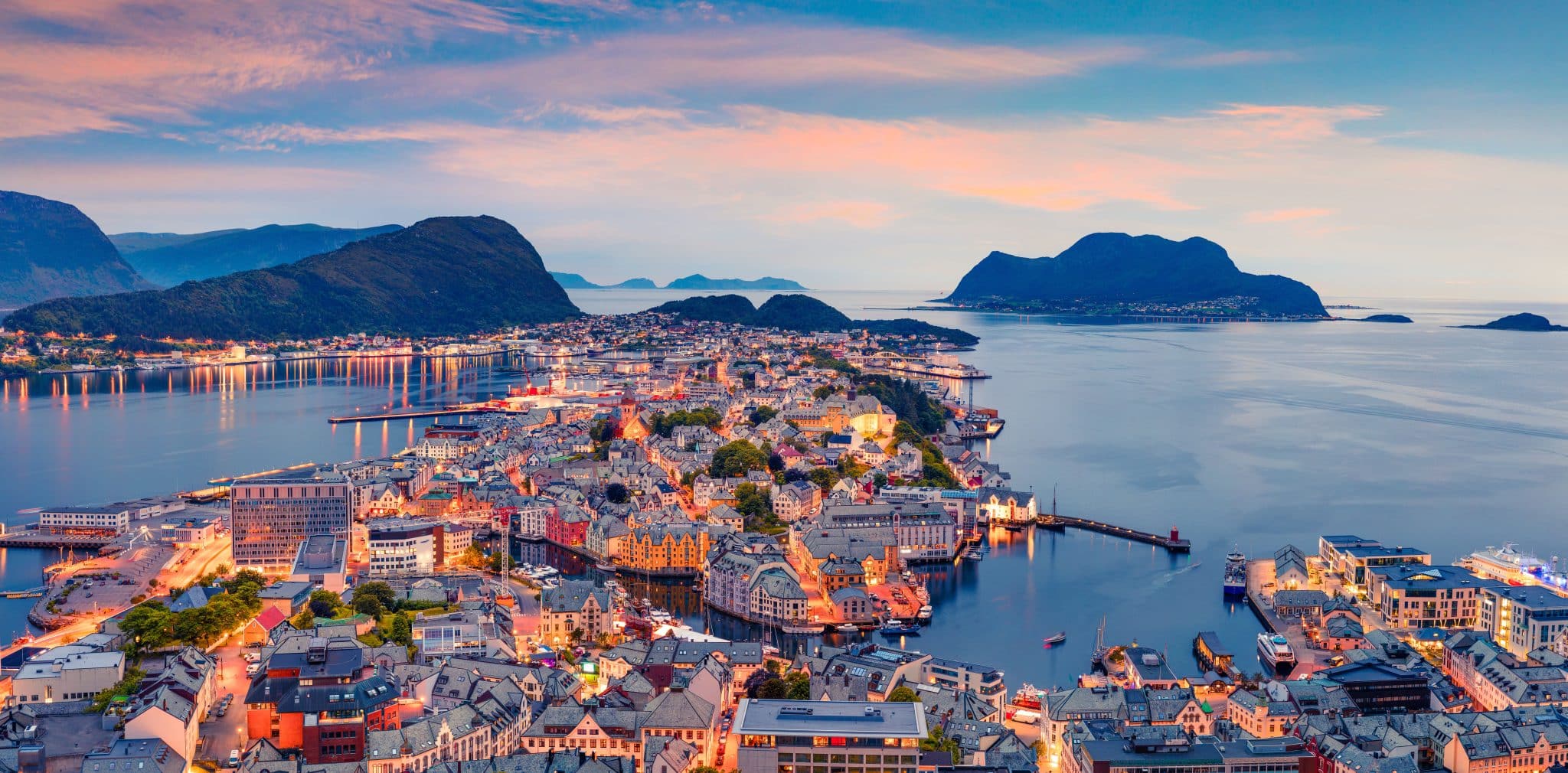
This region dates back to the Viking Age, with evidence of settlements and fishing communities – it is believed the nearby island of Giske was a power centre for Viking chieftains like Rollo, ancestor of William the Conqueror. However, Ålesund wasn’t officially founded until 1848 and since then has grown as a major fishing and trading port, especially for cod and herring. In January 1904, a devastating fire destroyed 80% of Ålesund’s wooden buildings, leaving 10,000 residents homeless. The city was rebuilt in the Art Nouveau (Jugendstil) style you see today, with funding from Kaiser Wilhelm II of Germany, a frequent visitor. Young Norwegian architects, trained in Europe, designed over 600 colorful buildings with turrets, ornate facades, and floral motifs, making Ålesund a unique architectural gem and one of Europe’s finest examples of the Art Nouveau style.
Upon our arrival in the early evening, we’ll check in to our hotel and enjoy dinner at the hotel’s restaurant.
Overnight: Hotel Brosundet or similar, Ålesund (B, D)
This morning after breakfast and check out, we’ll board our private coach for the long overland journey to Bergen. While there is a train service, it isn’t a fast one and stops at many stations, so this is the least stressful way of completing this journey. It’s still an epic excursion but as one traveller put it, “the trip cuts through many fjords along the way, with picture postcard scenery all day. In hindsight, I can safely say it was the most scenic bus trip of my life!” To break the journey up, there are a couple of interesting car ferry crossings, stops for regular breaks and refreshments, and of course photo stops at many awe-inspiring lookouts and views. We’ll arrive in the historic port city of Bergen in the early evening.
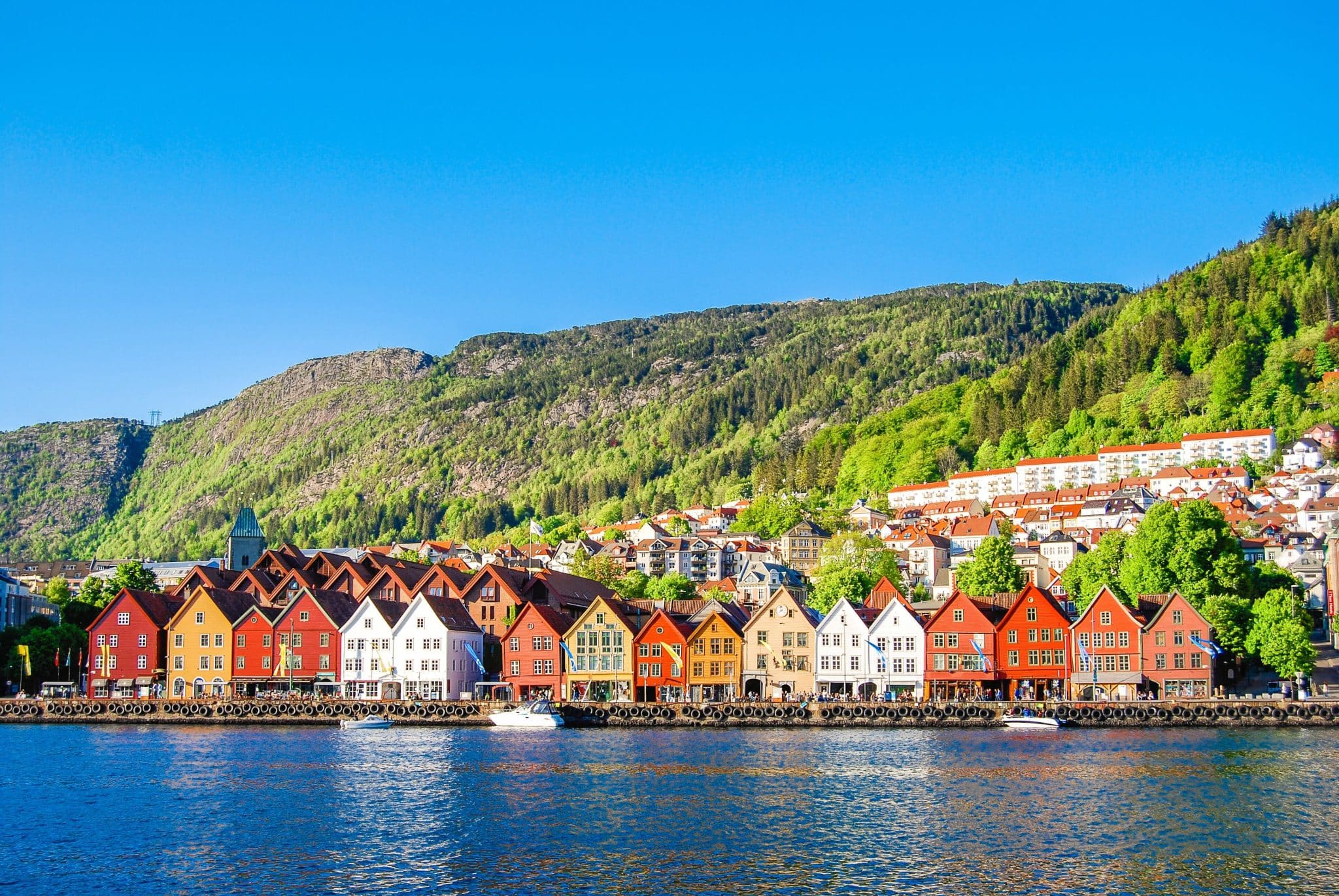
Founded around 1070 by King Olav Kyrre as Bjørgvin, Bergen was a major Viking trading hub and Norway’s capital until 1299. By the 13th century, its strategic fjord location fostered trade with the Hanseatic League, a powerful German merchant network, and Bryggen, the city’s iconic wharf, became a bustling centre for cod, timber, and grain trade. From 1360, the Hanseatic League dominated Bergen, establishing a Kontor (trading post) at Bryggen, and German merchants lived in tenements, shaping the city’s economy and culture. Despite fires and plagues, Bergen remained Scandinavia’s largest city until the 1830s and grew as a fishing and shipping hub, with the Bergen Railway linking it to Oslo by 1909. Fires, including in 1916, reshaped parts of the city, but Bryggen was preserved and is now a UNESCO World Heritage Site, with its row of colorful wooden Hanseatic warehouses along the Vågen harbor, dating to the 14th century. Like so many other port cities in Norway, Bergen WWII saw German occupation, with its port used for U-boats.
Once we’ve settled into our hotel situated in the heart of Bryggen, our home for the next three nights, we’ll enjoy dinner at a popular local restaurant nearby.
Overnight: Thon Hotel Rosenkrantz or similar, Bergen (B, D)
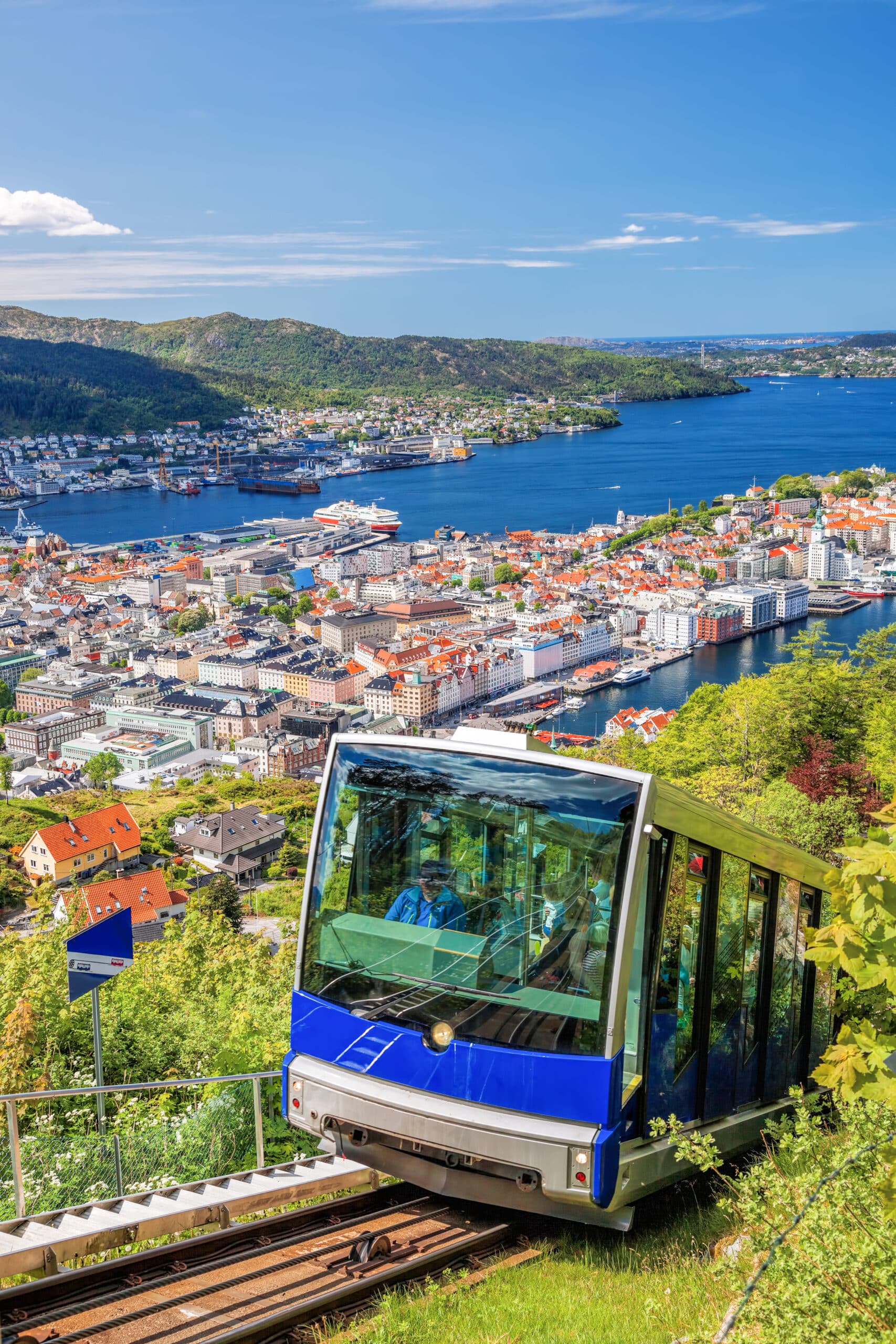
Enjoy a lazy breakfast before setting off on a nostalgic journey through Bergen’s rich transport heritage. Beginning at Holbergskaien Harbour, we’ll board a vintage bus for a scenic drive through the city, taking in the changing character of Bergen’s suburbs and the layered history of its maritime past, once one of Northern Europe’s most important seaports.
At Midttun Station, step aboard Gamle Vossbahan, a vintage steam train complete with a teak dining car, in which we’ll enjoy lunch while it runs along the original isolated Bergen railway towards the historic station at Garnes.
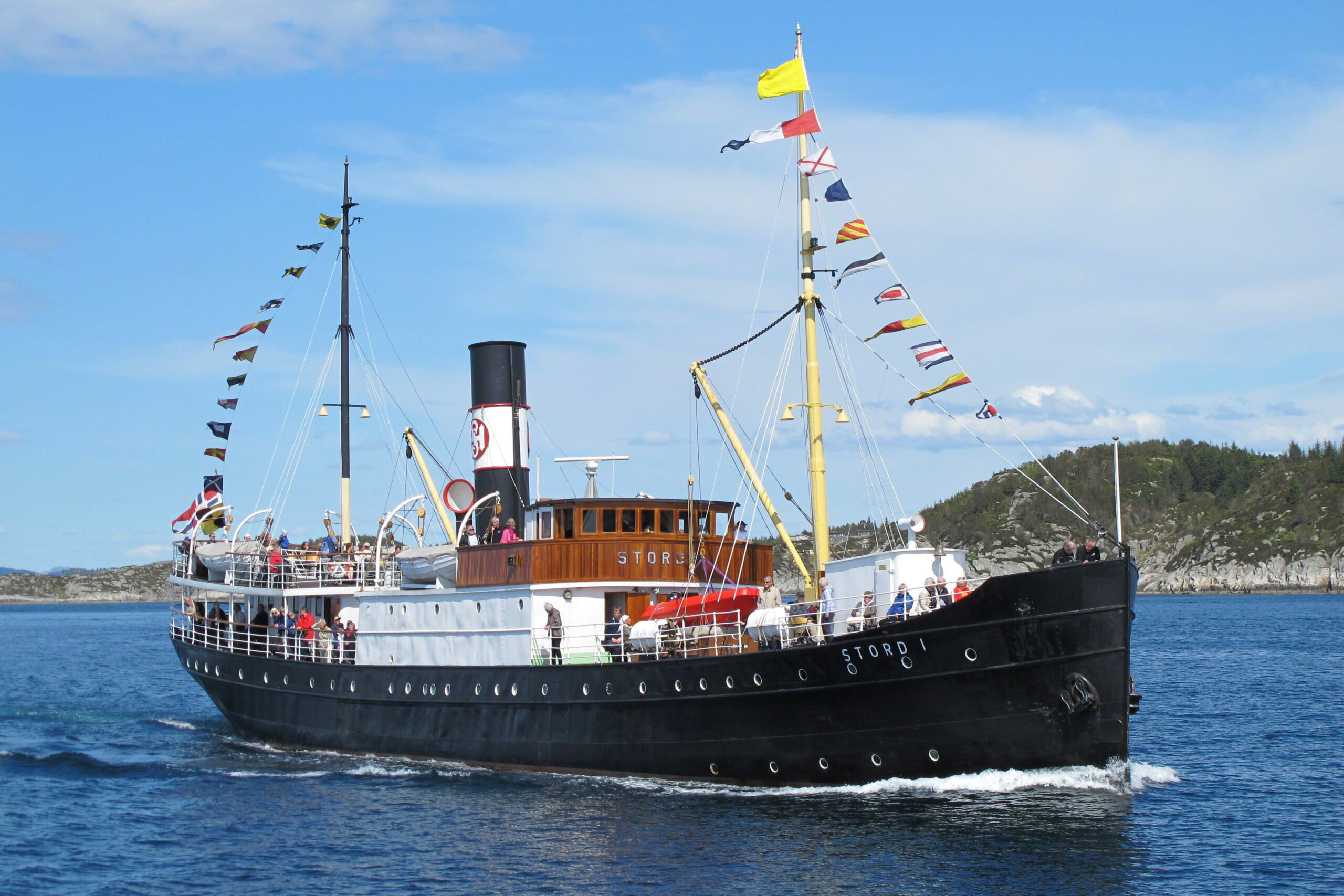
After time to explore the Garnes station and soak in the atmosphere of a bygone era, we’ll return to Bergen by heritage boat. The boat we travel on will depend on which vessel is in operation – there are a number of fine examples of Norway’s long-standing tradition of coastal seafaring, but all are volunteer run and in need of maintenance from time to time, so ‘our’ boat will be the one in service on the day.
It’s a lovely round trip that will have you back at the hotel by mid-afternoon, leaving plenty of time to explore the atmospheric surroundings of this World Heritage-listed “Wooden City”.
Dinner tonight is at leisure.
Overnight: Thon Hotel Rosenkrantz or similar, Bergen (B, L)
After an early breakfast this morning, we’ll transfer to Bergen Station to begin a full-day journey through the scenic heart of western Norway, including riding the iconic Flam Railway.
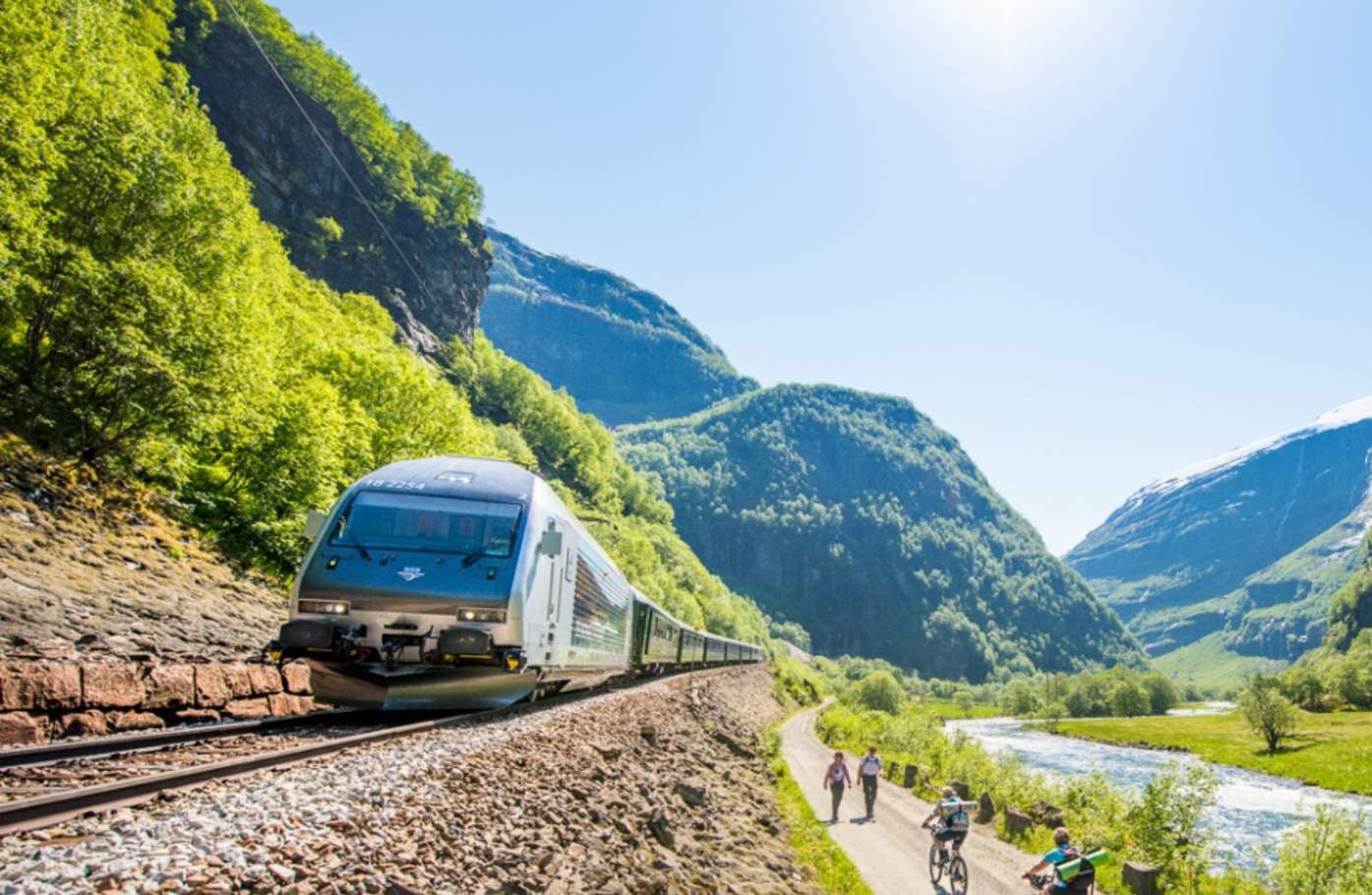
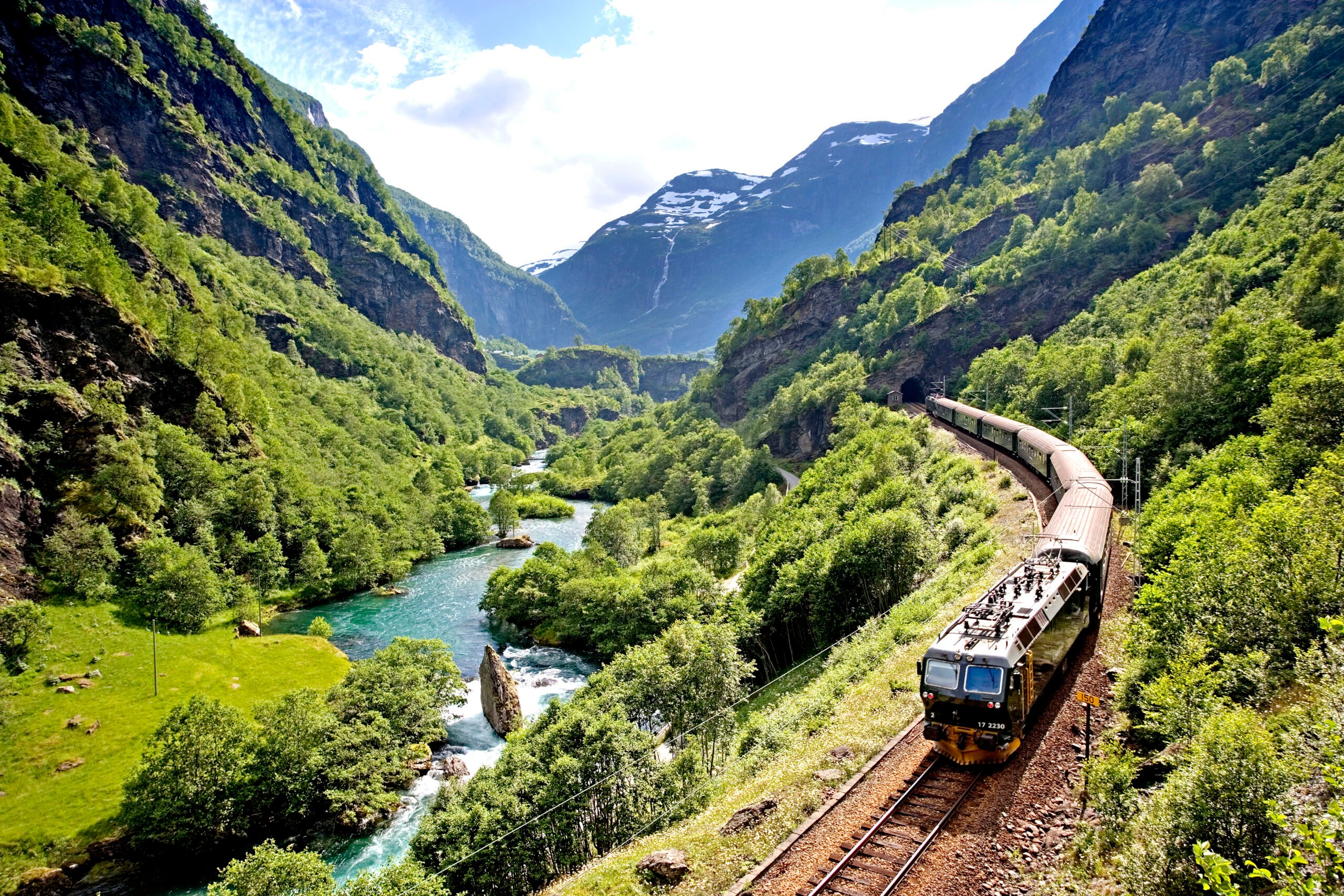
We’ll board the morning train from Bergen to Myrdal, travelling on the Bergen Line, one of Europe’s most scenic railway routes, passing through rugged fjord landscapes and isolated mountain terrain. On arrival in Myrdal, 865 metres above sea level, you’ll transfer to the famous Flåm Railway for the breathtaking descent to sea level.
This marvel of engineering descends nearly 900 metres over a 20-kilometre stretch, winding through steep mountains, cascading waterfalls, and lush valleys, treating you to breathtaking views that showcase the raw beauty of Norway’s natural wonders. Informative commentary throughout the journey offers insights into the region’s history and culture, and information about the construction of the railway and the lives of those who built it.
Upon arrival in the charming hamlet of Flam, nestled in the stunning Aurlandsfjord, we’ll enjoy lunch followed by some free time to enjoy this little village at your own pace. You may wish to visit the Flåm Railway Museum, browse local shops, or simply relax by the fjord.
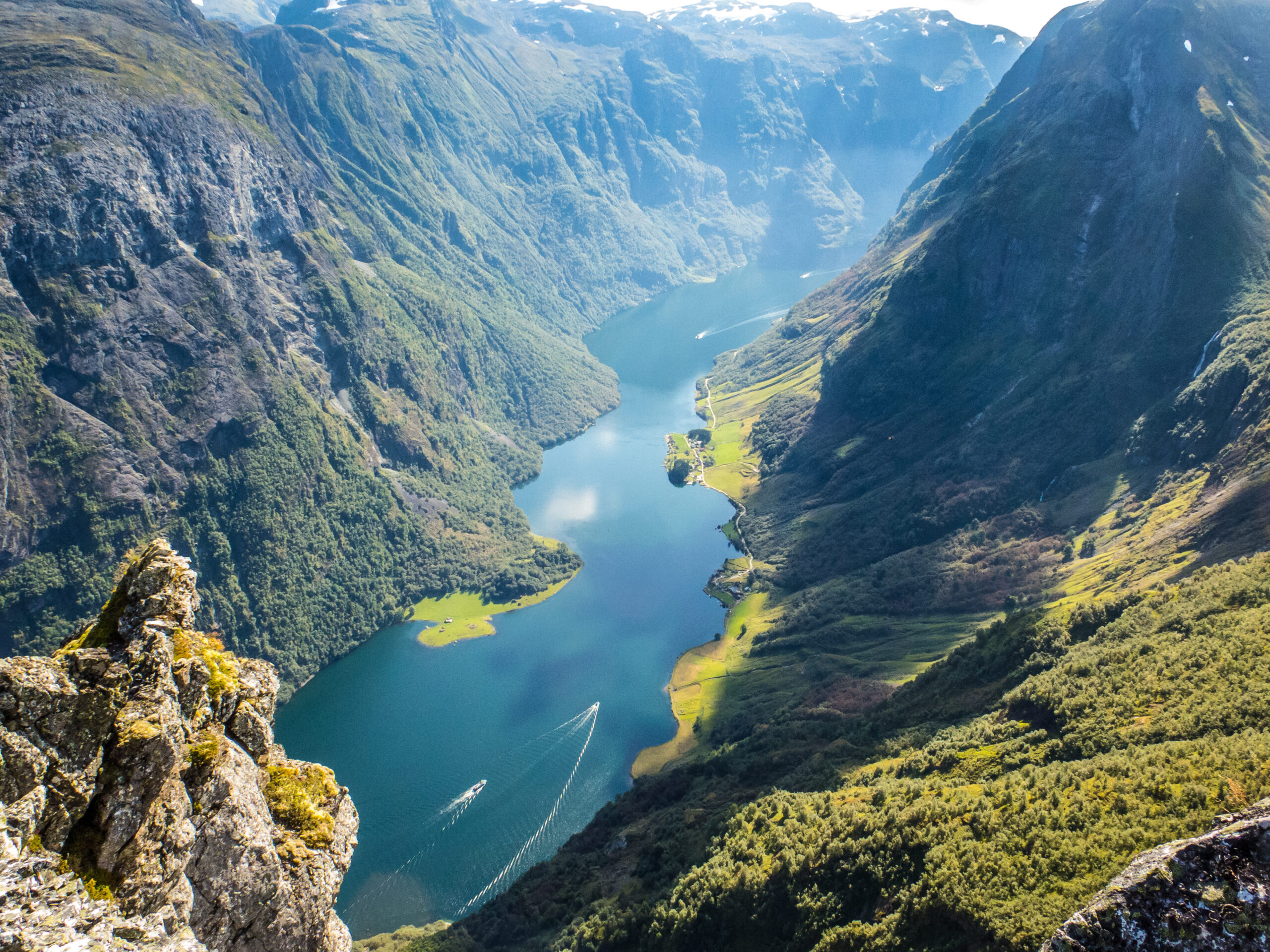
Mid afternoon, we’ll board a ferry for a two-hour cruise through the UNESCO-listed Nærøyfjord – framed by towering cliffs and dotted with waterfalls, it’s considered one of Norway’s most dramatic natural settings. We’ll disembark at Gudvangen, and continue by coach for the final leg of the journey back to Bergen.
Your evening tonight is at leisure.
Overnight: Thon Hotel Rosenkrantz or similar, Bergen (B, L)
This morning after breakfast and check out, we’ll embark on our last rail journey of the tour – the scenic railway from Bergen to Oslo, described as one of the most scenic routes in the world. This 500-kilometre journey takes you through endless mountains, valleys, and fjords, rising to the highest point of any railway in Norway, where the tundra landscape of lakes and glaciated plateaus is dusted with snow. We then drop down into rich agricultural land, past prosperous towns and cities, and snaking rivers all the way to the capital, arriving in Oslo in the mid-afternoon. Your premium class seat includes panoramic windows to soak up the views, more leg room and a more generous recline, complimentary self-serve tea and coffee, power and phone charging facilities at your seat, and an overall quieter atmosphere. There’s a cafe car for snacks and some lunch at leisure.
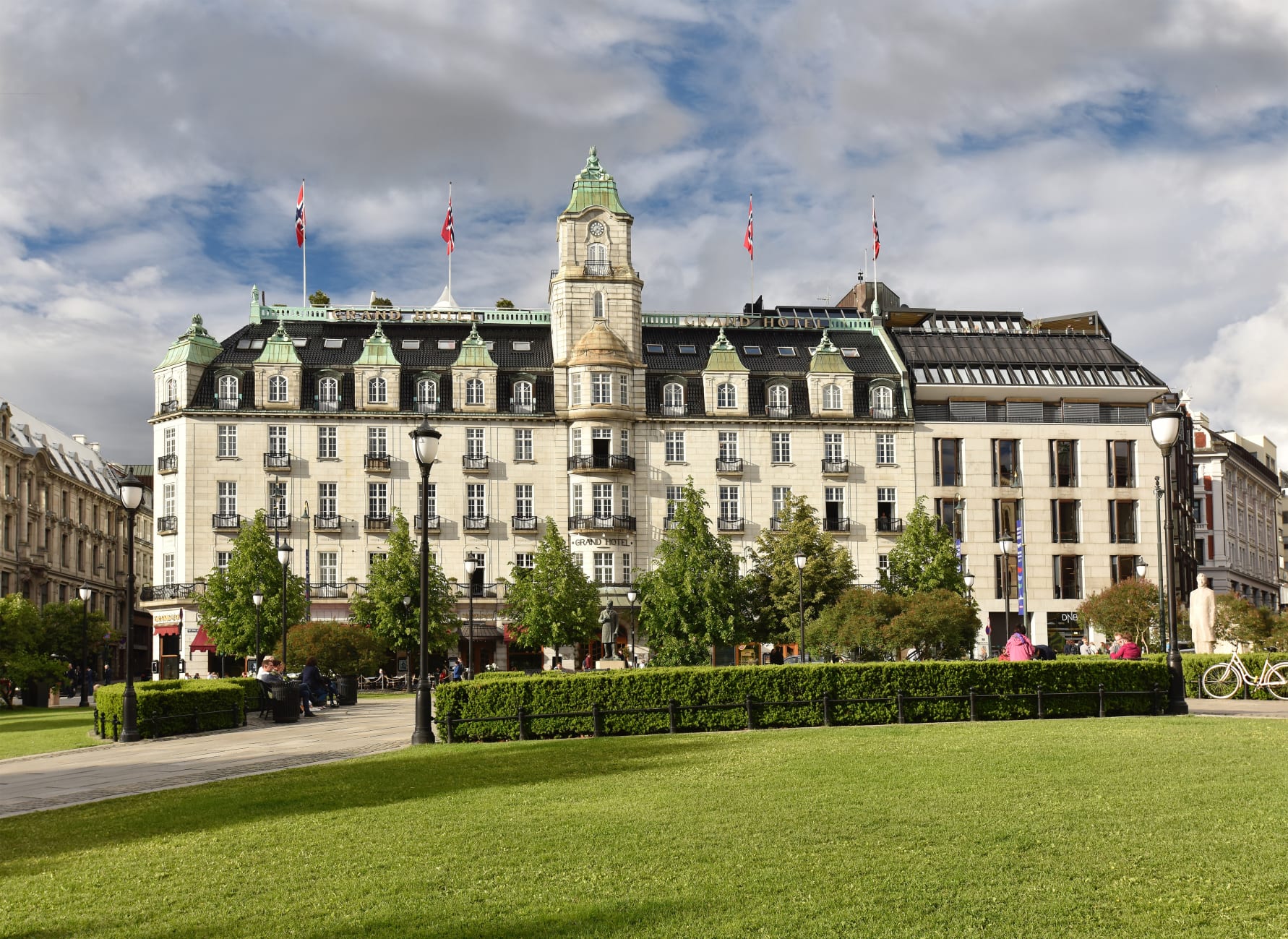
Upon arrival in Oslo, our private coach will be there to transfer us to our historic hotel, located in the heart of town – the Grand Hotel Oslo. Opened in 1874, this historic 5-star hotel is renowned for being one of Norway’s most iconic hotels for its blend of elegance, tradition, and modern amenities and has welcomed royalty, celebrities, world leaders, and every Nobel Peace Prize laureate since the early 20th century – the winners traditionally stay in the prestigious Nobel Suite and wave from the balcony overlooking Karl Johans gate on December 10 each year. The hotel also hosts the official Nobel Peace Prize banquet.
After checking in, the rest of the afternoon and evening is yours at leisure to take advantage of the facilities of the hotel and explore the vibrant area surrounding it.
Overnight: Grand Hotel, Oslo (B)
Oslo, Norway’s largest city and the home of the Nobel Peace Prize, is a compact, vibrant metropolis beautifully nestled at the head of the Oslofjord, surrounded by forested hills, parks, and islands. The nation’s capital since the 13th century, it blends historic charm, cutting-edge modern architecture, world-class museums, and easy access to nature. Founded around 1000AD Oslo has deep Viking roots, a strong maritime and polar exploration heritage.
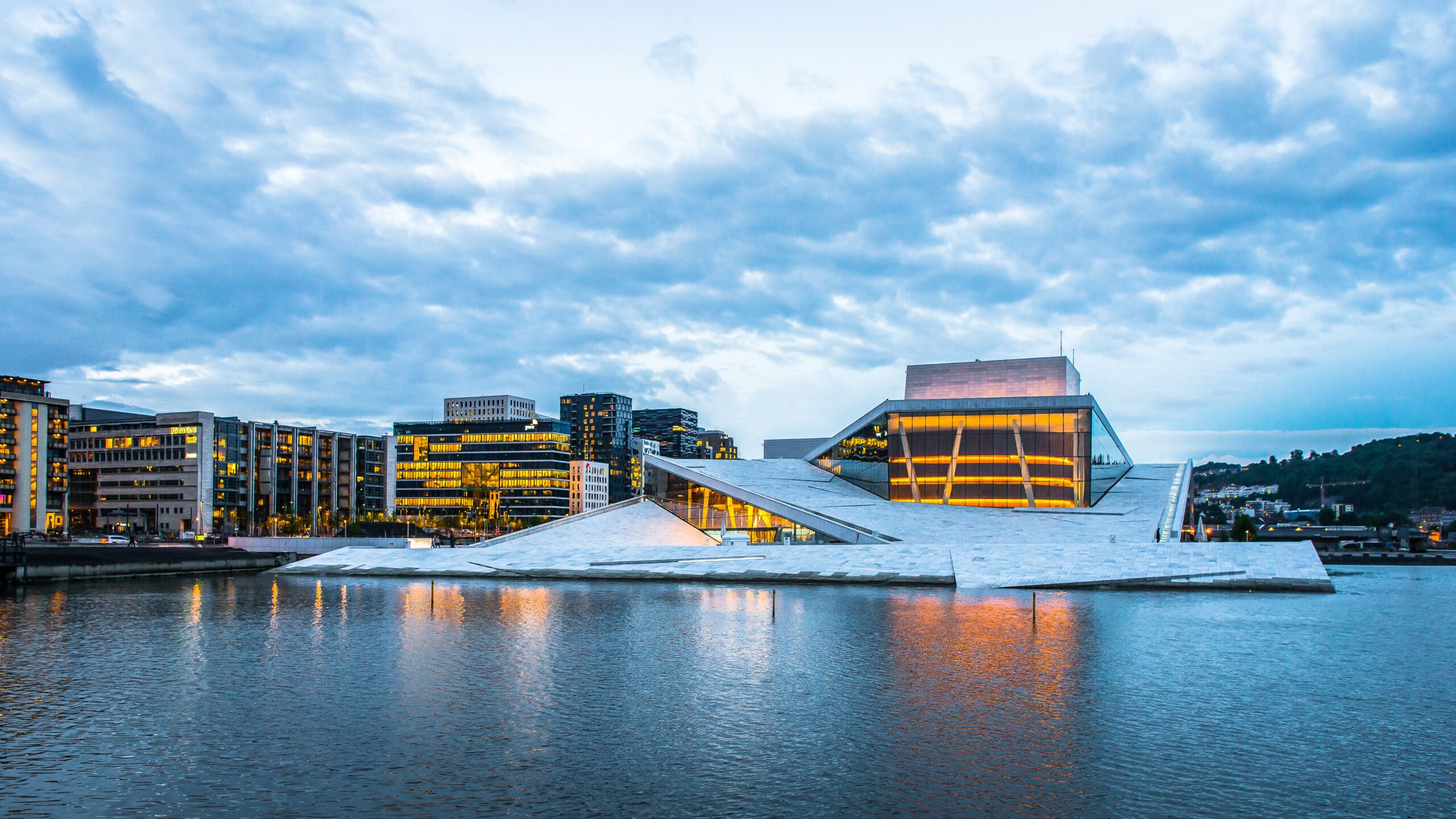
This morning after breakfast, we’ll head out on a morning tour of the city with our expert local guide, starting at the stunning Oslo Opera House, a striking waterfront building that looks like it’s arising from the waters of Oslo Fjord – you can even take a walk on its sloped roof. Next, we’ll visit Akershus Castle and Fortress, home to several fascinating museums, including the Museum of the Resistance and then finally, the highlight of any visit to Oslo – a guided walk through the famous Vigeland Park, the world’s largest sculpture park made by a single artist. Designed by renowned Norwegian sculptor Gustav Vigeland, the park features over 200 bronze, granite and cast iron sculptures, all vividly portraying the human form and various aspects of the human experience. Marvel at the intricate details of famous pieces such as the towering Monolith, which stands 14 metres tall and is composed of 121 intertwined human figures, and the strikingly expressive Sinnataggen, affectionately known as The Angry Boy.
From here, you’re free to stay in the park, enjoy lunch on your own around the trendy Radhusgata, or explore more of Oslo, returning to the hotel at leisure. You might be interested in the Viking Ship Museum, showcasing ancient maritime history, or the Munch Museum, dedicated to the iconic works of Edvard Munch and home to the famous ‘The Scream’. Alternatively, you may like to stroll Oslo’s waterfront, with its modern architecture, bustling harbor and scenic promenades.
This evening we’ll gather together for a celebratory farewell dinner at a local restaurant – drinks are on us!
Overnight: Grand Hotel, Oslo (B, D)

Our tour concludes after breakfast this morning. The airport bus or fast airport train both leave from stops close to the hotel, or if you’re staying on and just can’t resist another train journey, the main railway station is just down the road.
(B)
18 nights’ accommodation in comfortable, centrally located premium hotels
Daily Breakfast, 5 lunches, 10 dinners
Drinks included with welcome and farewell dinners
Privately chartered coach travel on non-train legs
Comprehensive sightseeing with expert local guides
All service gratuities and tips for guides (valued at $500pp)
All train tickets, excursions and entrance fees to attractions, as listed in the itinerary
Travel to and from the start and end points of the tour
Airport transfers
Meals and services not mentioned in the itinerary
All other personal expenses, such as drinks, phone calls, laundry services, and camera fees where applicable
Excursions listed as optional and extra in the itinerary
The best train trips possible, private luxury coach for off-train travel, guided walking where suitable, and other appropriate and appealing options to make exploration easy
Hand-picked hotels and resorts based on location, customer feedback, value and atmosphere. Please Note: Hotels of a similar standard may be substituted.
Hear from some of our adventurers that have already ridden the rails with us.
Lorem ipsum dolor sit amet consectetur. Tincidunt convallis magna eu ac eu cursus. In duis fusce risus nec eget habitant massa pharetra. Eros a gravida faucibus lorem.

Reserve your place on this exciting exploration of Scandinavia by Rail, Road and Sea 2027.

Train traveller, well known TV personality and travel company owner, Scott McGregor, has travelled on some of the world’s most inspiring railway tours and led the most exclusive group adventures to numerous exotic destinations over the years.
“Rustic, character-filled, zig-zagging railways of Burma, opulent hotels on wheels in India South Africa and Sri Lanka, steam-hauled heritage trains in some of the most staggeringly scenic parts of the world, dinky little rail-cars in outback Queensland, bullet trains in Japan, cliff-hugging lines in Switzerland and Norway—if it travels on a rail track, I’m there!”, exclaims self-confessed train travel tragic, Scott McGregor. “In my mind, travelling by rail is still the most wonderful way to immerse yourself in the country you’re visiting. It’s romantic, relaxing and about as much fun as you can have!”.
Aa a child of the last days of steam trains in the busy junction town of Orange, NSW; trains heading in all directions offering temptations and dreams of faraway places, left an indelible impression on a young, inquisitive boy and Scott has been riding the rails in one form or another ever since. While Scott’s acting career of 30 years kept him busy starring in numerous TV shows and stage plays and then as an on-air presenter on programs such as Better Homes and Gardens, Room for Improvement and various pay-TV programs, his passion for railway tours was ever-present. “Presenting a series of Railway Adventure travel programs for Channel 7 was a career highlight”, he says with as much enthusiasm now as he had then.
In 2012 Scott decided to combine three of his passions; travel, trains and presenting, and launched Railway Adventures. Not only does he get to expand his own horizons and indulge his love of train travel, he gets to use his extensive hosting experience and love of people to lead other like-minded travellers on escorted train tours around the world. Since then, Railway Adventures has mounted more than 50 tours from Sweden to Sri Lanka, Tasmania to Transylvania, Britain to Burma and Venice to Vietnam, thrilling over 1,000 travellers. New tours are launched regularly, inspired by new trains, new routes and the growing interest in taking a train to some of the world’s most fascinating places. But you don’t have to be a train ‘nut’ to enjoy a Railway Adventures tour – there’s something for everyone!
Just one example of how Scott finds inspiration for a tour can be found in Outback Queensland. “There you find some of Australia’s most eccentric and appealing trains and together with a mail-plane flight over the Gulf and some interesting local coach and boat trips you have the essence of a quintessential Aussie outback adventure. The sleeper train, The Spirit of the Outback, the Savannahlander and the Gulflander (which has been running on the same timetable for more than 125 years!) are all iconic trains that traverse various parts of the wild Outback, Savannah and tropical rainforest landscapes of the vast state of Queensland. Along with some other special treats not available to the ordinary traveller, Railway Adventures passengers get to do it all!.
One of his favourite journey’s is by private train in Sri Lanka. For 2 weeks every year Scott charters the Viceroy Special heritage train to tour the island on a gentle rail cruise with a lucky group of travellers. Staying in luxury resorts and hotels along the way, his special train travels to almost every corner of the scenic island. “Having a private train at your disposal for an adventure around this magic island is a rare treat and a great way to immerse yourself in the scenery and culture of the country.”, he enthuses. “Our Vietnam tour makes use of private carriages attached to regular trains to explore that great country in comfort and in South Africa we use a variety of trains including the luxurious Rovos Rail and the Royal Livingstone steam train to move from one incredible adventure to another”.
Apart from the obvious joy of seeing a country by train, travelling in a small group of like-minded travellers with a dedicated, experienced tour leader and knowledgeable, English-speaking local guides is what really sets Railway Adventures apart. “The camaraderie that comes from both shared purpose and shared experiences on tour is an important aspect of the journey” Scott adds. “We’ve seen many people become life-long friends from the time they shared together along the line. The best feeling in the world is when I welcome these same people on repeat journeys”.
Along with popular destinations like Switzerland, Scandinavia, Outback Queensland and Sri Lanka, a new breed of more unusual destinations has gained great interest. Java, Cuba, Southern Africa, India and the New England region of NSW are just some of the newer adventures on offer. As for Scott’s next escape, it’s most likely some quality time at Ruwenzori Retreat, his own personal train on the Great Dividing Range near Mudgee, Central NSW. Built from a collection of vintage railway carriages it’s now a boutique tourist accommodation, comprising exclusive Orient Express style comfort for up to 13 guests. “When the travels are done, coming back to my own train in the beautiful Mudgee mountains is the most restorative and magical time for this committed rail romantic”, Scott says.