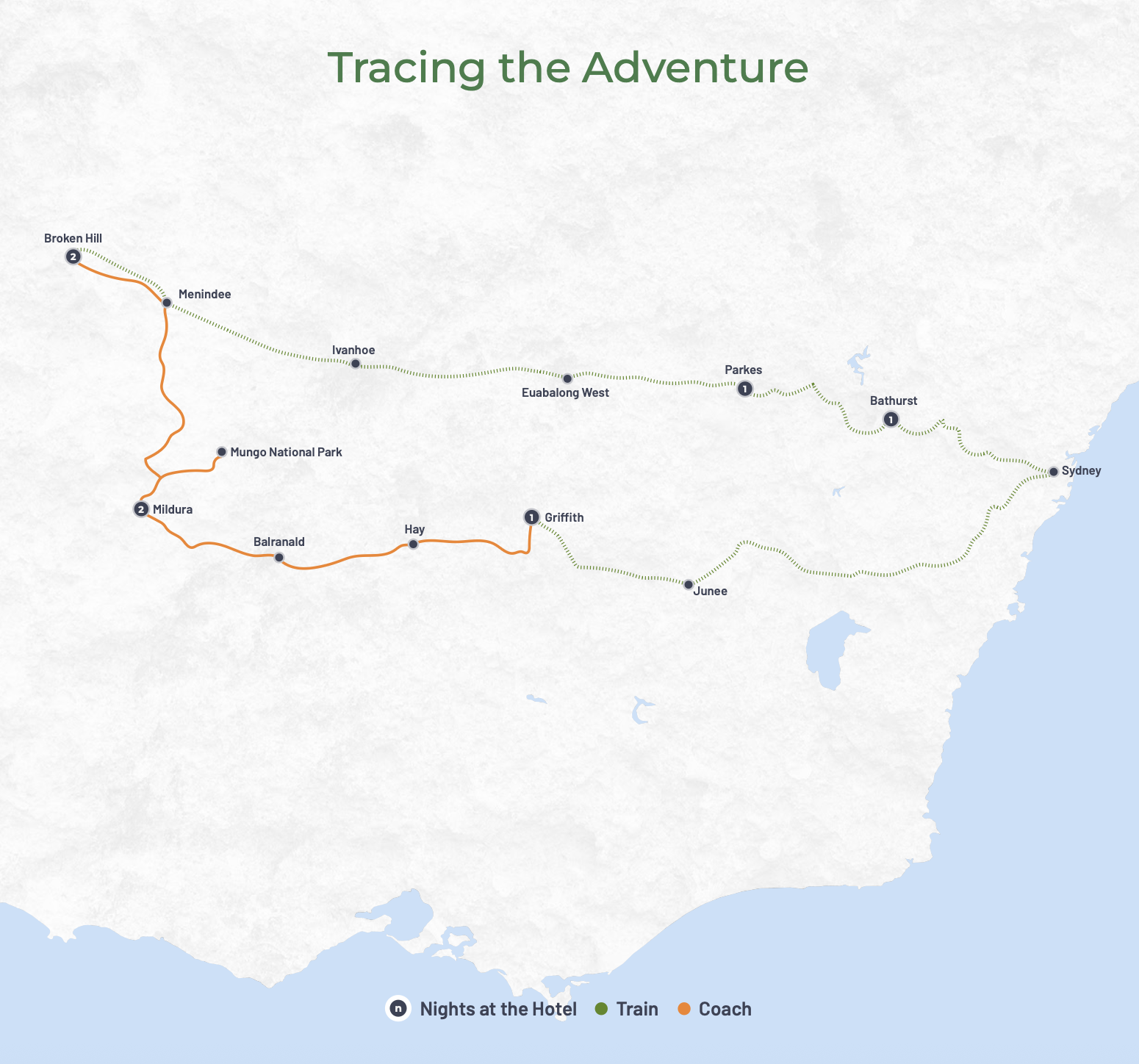
This fully escorted, 8-day rail tour is more than a journey - it’s a story that unfolds kilometre by kilometre, chapter by chapter, as you leave the glittering lights of Sydney behind and venture into the vast, timeless inland of New South Wales, by local rail, pirate coach and then 3 days on your own private train. Explore iconic towns like Hay on the flattest place in the Southern Hemisphere, the ‘Silver City’ of Broken Hill, Riverina towns, and Bathurst, Australia’s oldest inland city. Enjoy a guided tour at Mungo National Park - a World Heritage site of ancient dunes, eroded walls, and one of the oldest human stories on Earth. Revel in a private tour followed by dinner and drinks in the ballroom of the heritage listed Abercrombie House, the baronial castle in the bush. And much more!
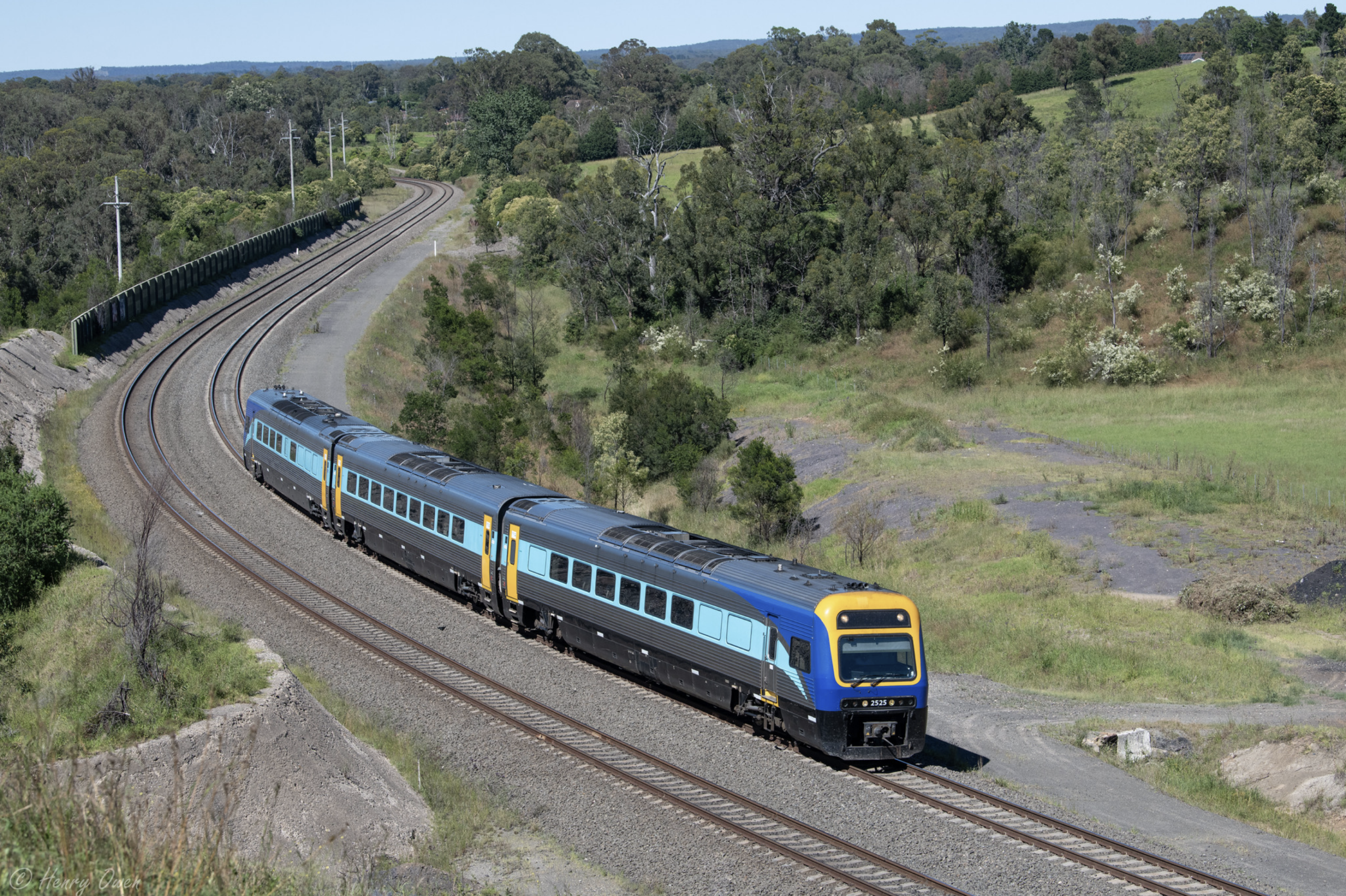
Your adventure begins late this morning when you meet your tour leader and fellow passengers on the Grand Concourse at Sydney’s Central Station. After check-in formalities have been completed, we’ll board the NSW TrainLink Xplorer and settle into our First Class seats for a full day of scenic travel through the Southern Highlands, across the Cullerin Ranges, and the farming lands of the Riverina to Griffith. We’ll have a tab set up in the Buffet Car for lunch items, soft drinks and tea and coffee (you can purchase alcoholic drinks on your own account), and dinner will be delivered to the train in Junee.
After departing the suburbs of Sydney, the train travels into the rolling hills and verdant pastures of the Southern Highlands, stopping at iconic towns like Mittagong, Bowral and Moss Vale; then through Goulburn into open rural plains with farmland, wheat fields, and small towns passing by. Keep an eye out just after Cootamundra as we cross over the well known Bethungra Spiral where the northbound line appears briefly under us! The last section of the journey through the Rivernia is flatter and more agricultural – peaceful and quintessential Australian countryside.
Upon our evening arrival in Griffith, we’ll walk to our hotel, conveniently located near the railway station and the main street, and check in.
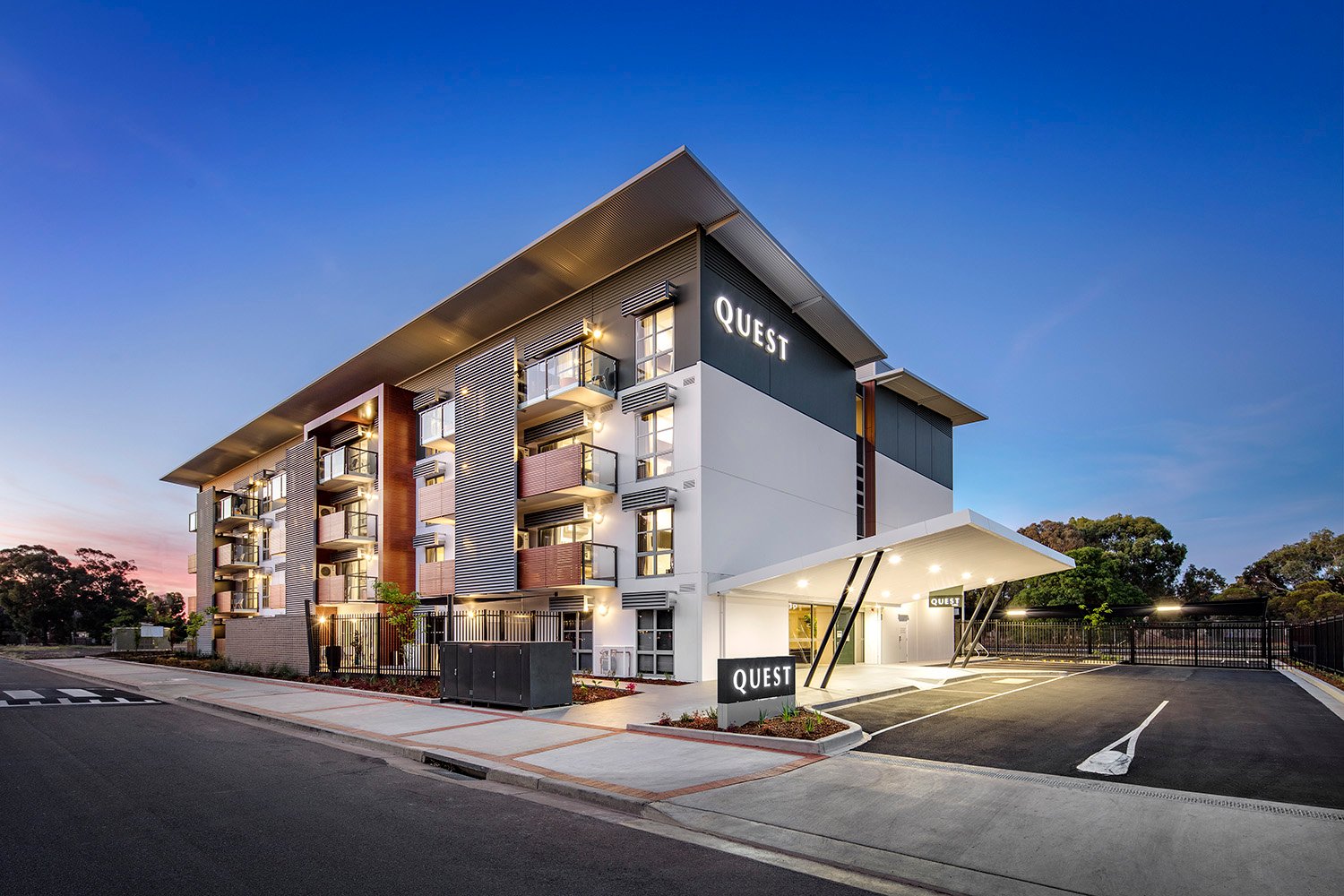
Overnight: QUEST Hotel, Griffith (L, D)
This morning after breakfast and checking out, we’ll board our private coach and set off through orchards, wineries and rice fields before crossing the Murrumbidgee River to explore the great western town of Hay before continuing our journey to Mildura, our home for the next two nights.
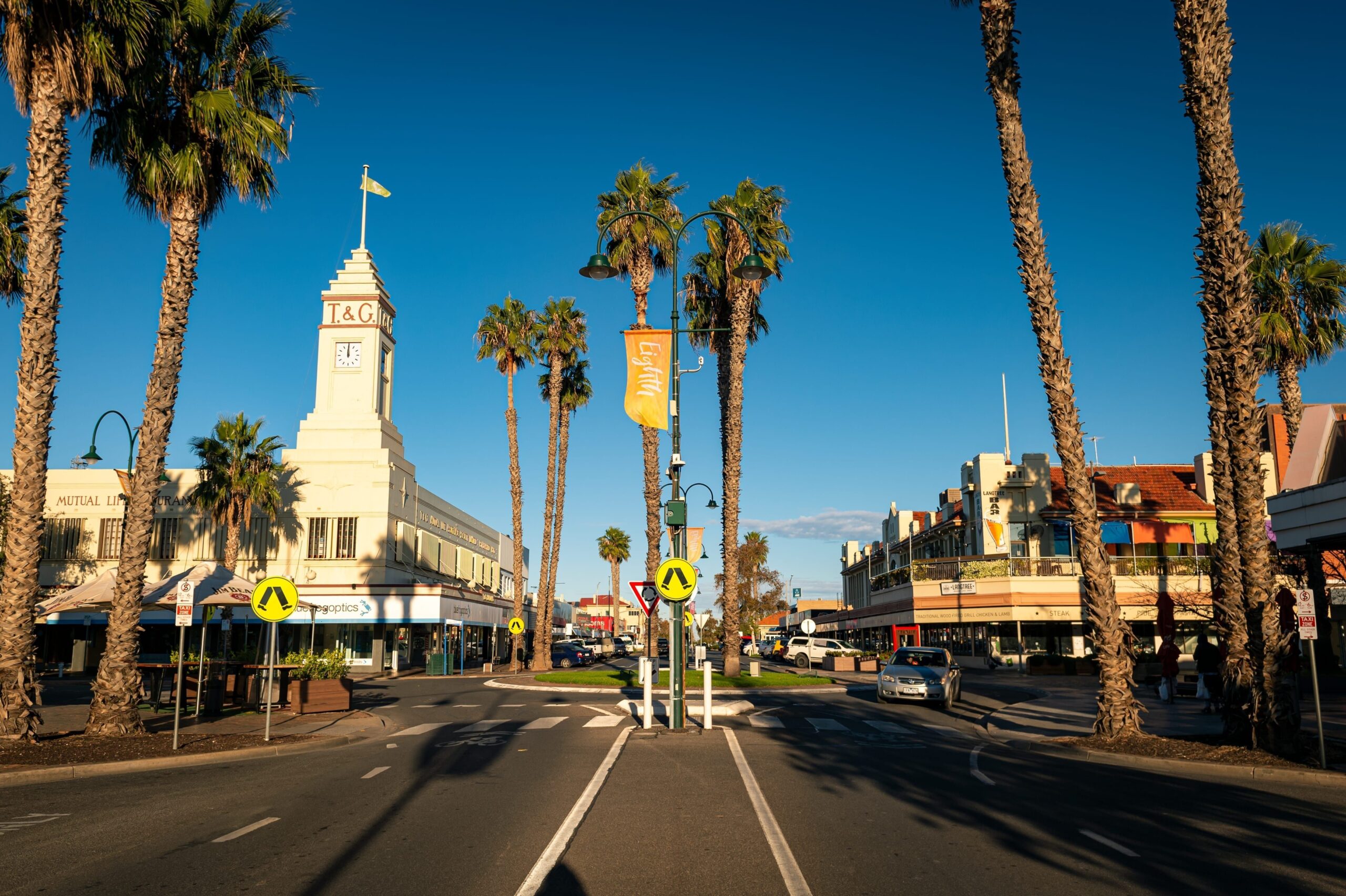
Lying on the traditional lands of the Wiradjuri, Nari Nari, and Yitha Yitha peoples, and surrounded by the vast, pancake-flat Hay Plains (often described as one of the flattest landscapes on Earth), Hay as we know it today originated in 1840 as Lang’s Crossing Place, a coach station and stock crossing on the Murrumbidgee River. It was surveyed in 1858, named after John Hay (a local parliamentary representative), and proclaimed a municipality in 1872, thriving as a pastoral hub, driven by wool production and river trade via paddle steamers, and later became a busy rail terminus. The town’s first bridge over the Murrumbidgee, built in 1872 with a turntable for steamer passage and opened by Henry Parkes, was a key development in the town’s progress. Hay is famous for other, less agricultural things too – it served as the episcopal seat of the Anglican Diocese of Riverina from 1884 to 1953, and played a major role during World War II, hosting three internment camps, notably for the ‘Dunera Boys’ – 1,984 German Jews and other refugees from Nazi-occupied Europe, who were the first internees of the British Government WWII policy, arriving in Hay in September 1940.
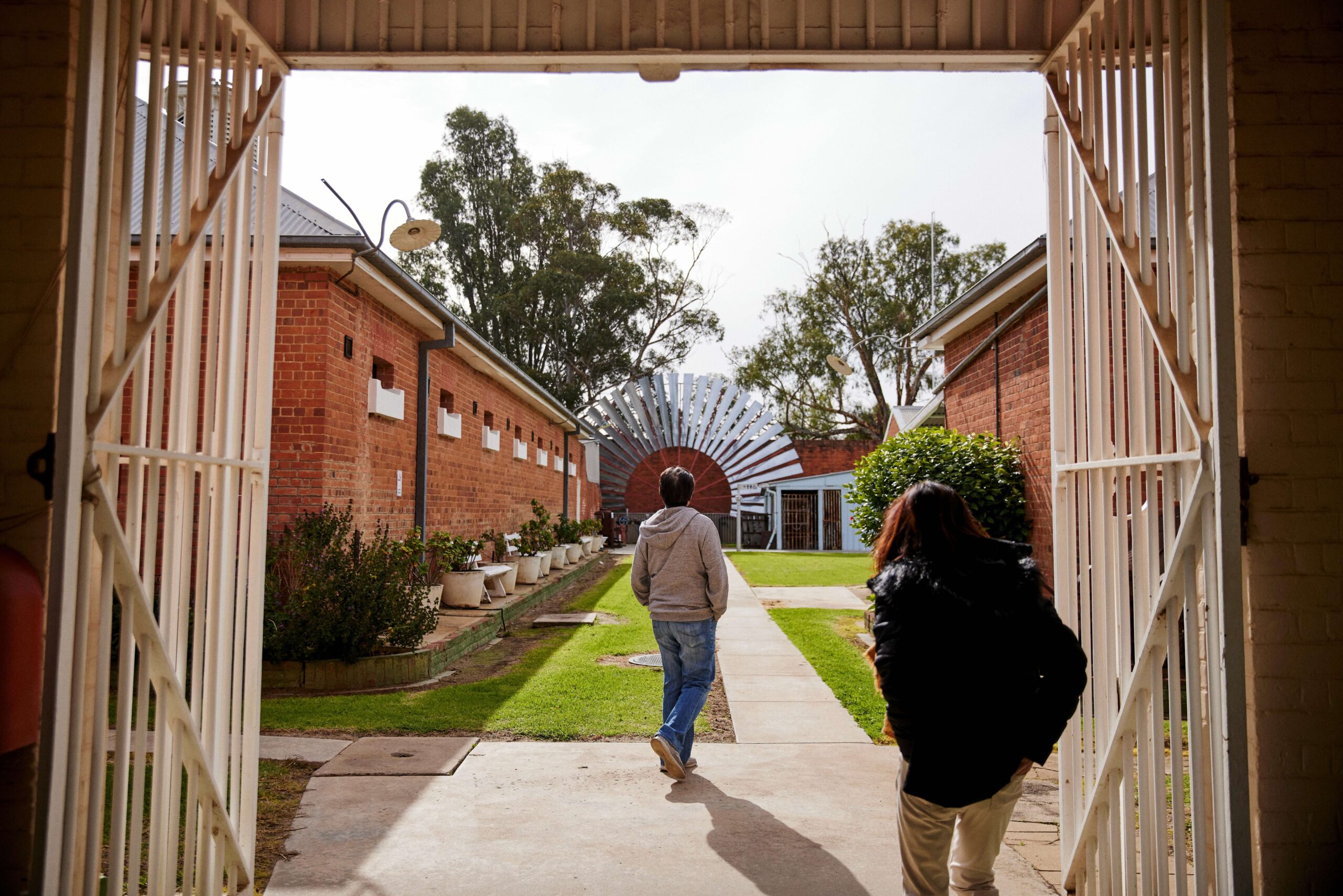
Our first stop is the historic Hay Gaol. Built in 1878, this former prison (later a maternity hospital and girls’ institute) houses artifacts like Australia’s oldest known bark canoe, antique windmills, and WWII memorabilia, and offers a glimpse into 19th-century justice and local history.
It’s then back across the river to one of the most unusual and historic houses in New South Wales – Bishops Lodge, a remarkable iron-clad residence innovatively designed to withstand Hay’s heat. Constructed in 1889, the lodge was home to three bishops before becoming a hostel for boys, and passing into private hands in 1946 before the local Council purchased it in 1985. We’ll enjoy a tour of the house and a relaxing morning tea in the 19th century gardens.
Back on our coach, we’ll pause at the inspiring Hay Water Tower Art, designed as a lasting tribute to the many servicemen and women that served in World War II, before visiting the Dunera Museum, located in two restored railway carriages at the impressive Hay Railway Station. This Museum recounts the WWII internment of over 6,000 POWs between 1940 and 1946, including the ‘Dunera Boys’. It’s a poignant look at a lesser-known chapter of Australian history.
While passenger services to Hay were withdrawn in November 1983, after 101 years of continuous service, the grand heritage-listed former railway station, opened in 1882, is well maintained and forms a key part of the town’s historic precinct. It is here that we’ll enjoy a very special lunch – a private affair on the original station platform.
After lunch we’ll jump back on our coach and head further out across the vast Hay Plains, where the treeless land stretches in every direction, to Balranald where we’ll make a brief stop at the Discovery Centre where, if you’re interested you might like to visit the Old Balranald Gaol and the Malcolm Building Museum, both of which are right next door.
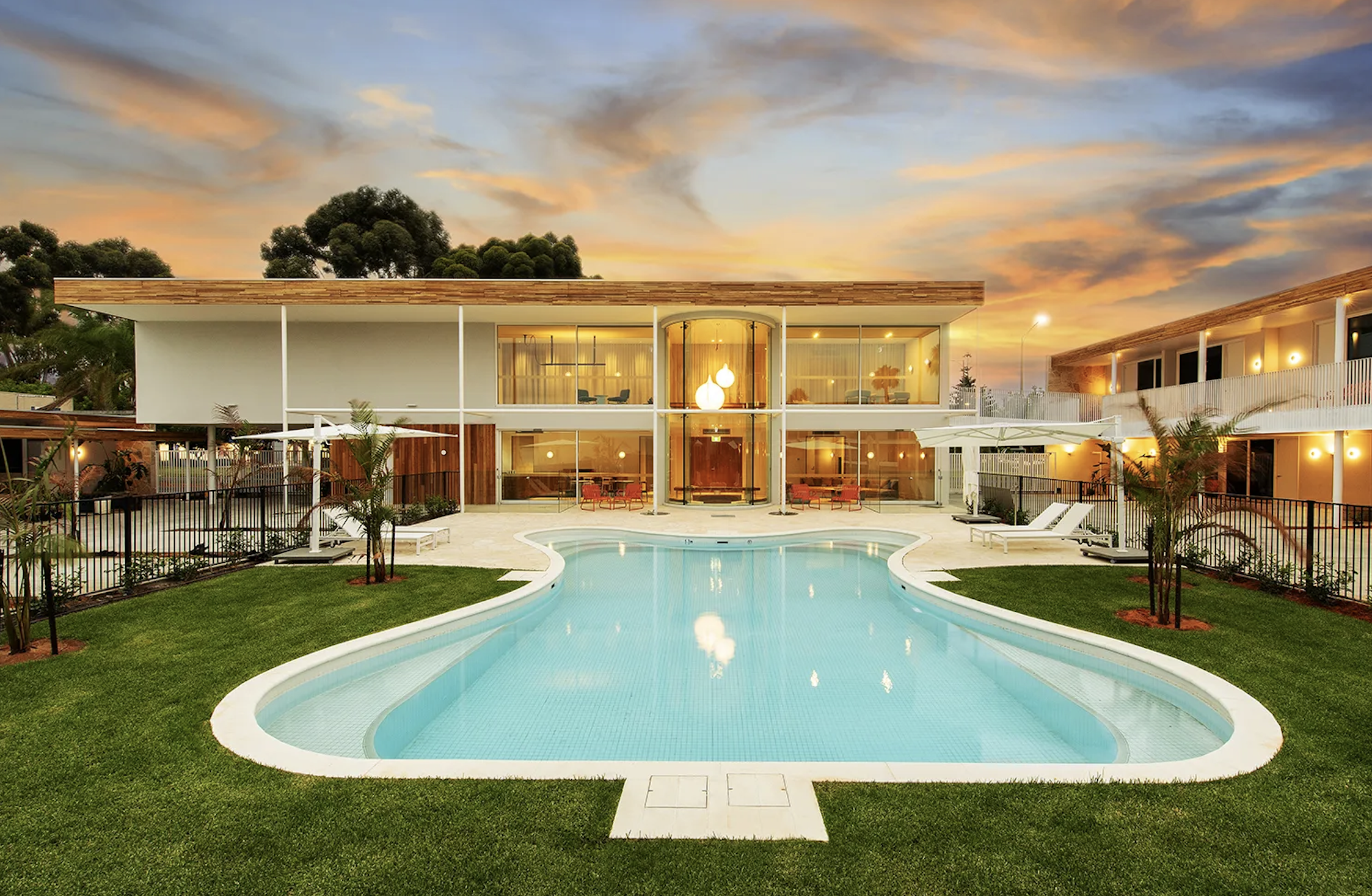
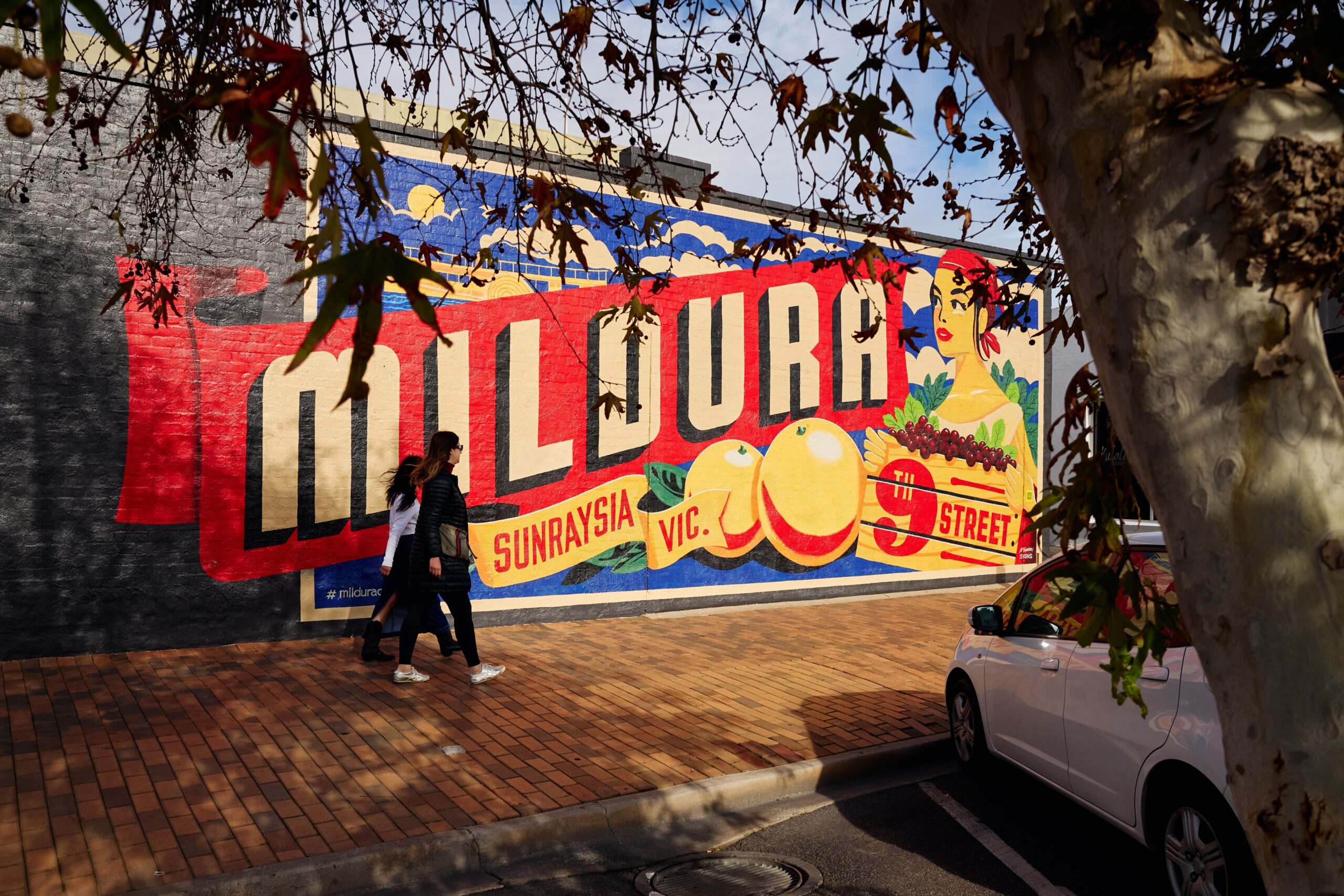
Continuing on we’ll cross the Murray River into Northern Victoria and the Sunraysia town of Mildura. Roadside motels have been the backbone of the great Aussie road trip ever since they first popped up along our highways in the 1950s – complete with eye-catching signs and breakfast hatches. Our hotel tonight, the Kar-rama, is no exception – while the breakfast hatches may have gone, this once somewhat forgotten piece of history has been lovingly restored to its 1950s glory. After checking in and some time to freshen up, we’ll head off for dinner.
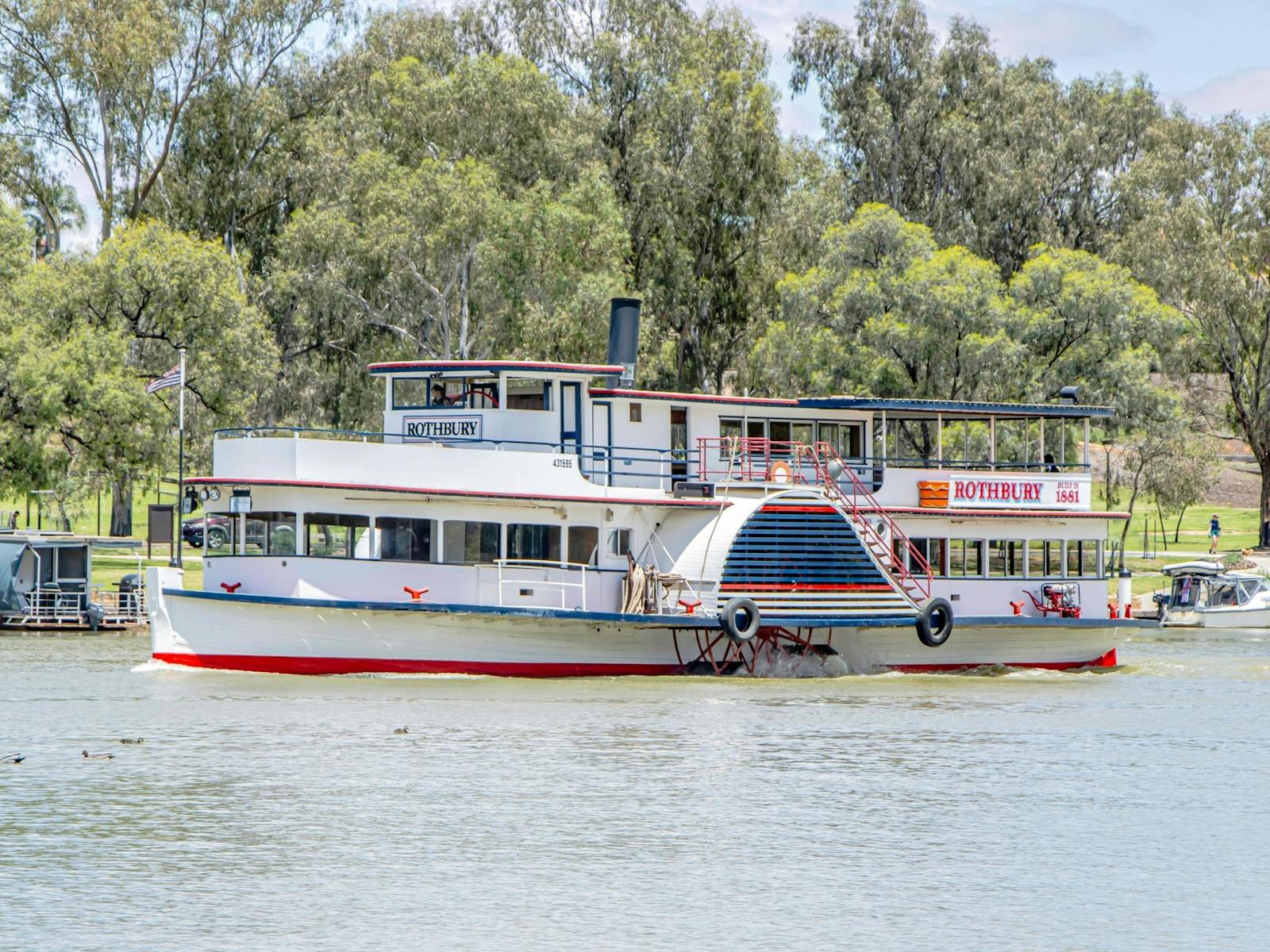
Tonight’s dinner is a nautical affair – an evening dinner cruise on the Murray River on the historic Paddle Vessel ‘Rothbury’. The Murray is Australia’s longest river at 2,508 km and is a vital lifeline of the Murray-Darling Basin, spanning New South Wales, Victoria, and South Australia. With evidence of human habitation for over 40,000 years, it was the lifeblood for over 40 Indigenous nations, and still holds profound cultural, spiritual, and economic significance.
Our historic boat was built in 1881 at Gunbower, Victoria as a large and powerful tow boat, employed in towing barges for the Wool and Logging Trade. It was relocated to Mildura in 1909, fully restored and converted to a passenger vessel in 1969. You’ll enjoy a relaxing evening cruising upstream from Mildura while indulging in a spit roast carvery dinner.
Overnight: Kar-Rama Hotel, Mildura (B, L, D)
Breakfast this morning will be served at Brother Chris cafe, a short stroll from our hotel. Locals say it’s the best coffee in town!
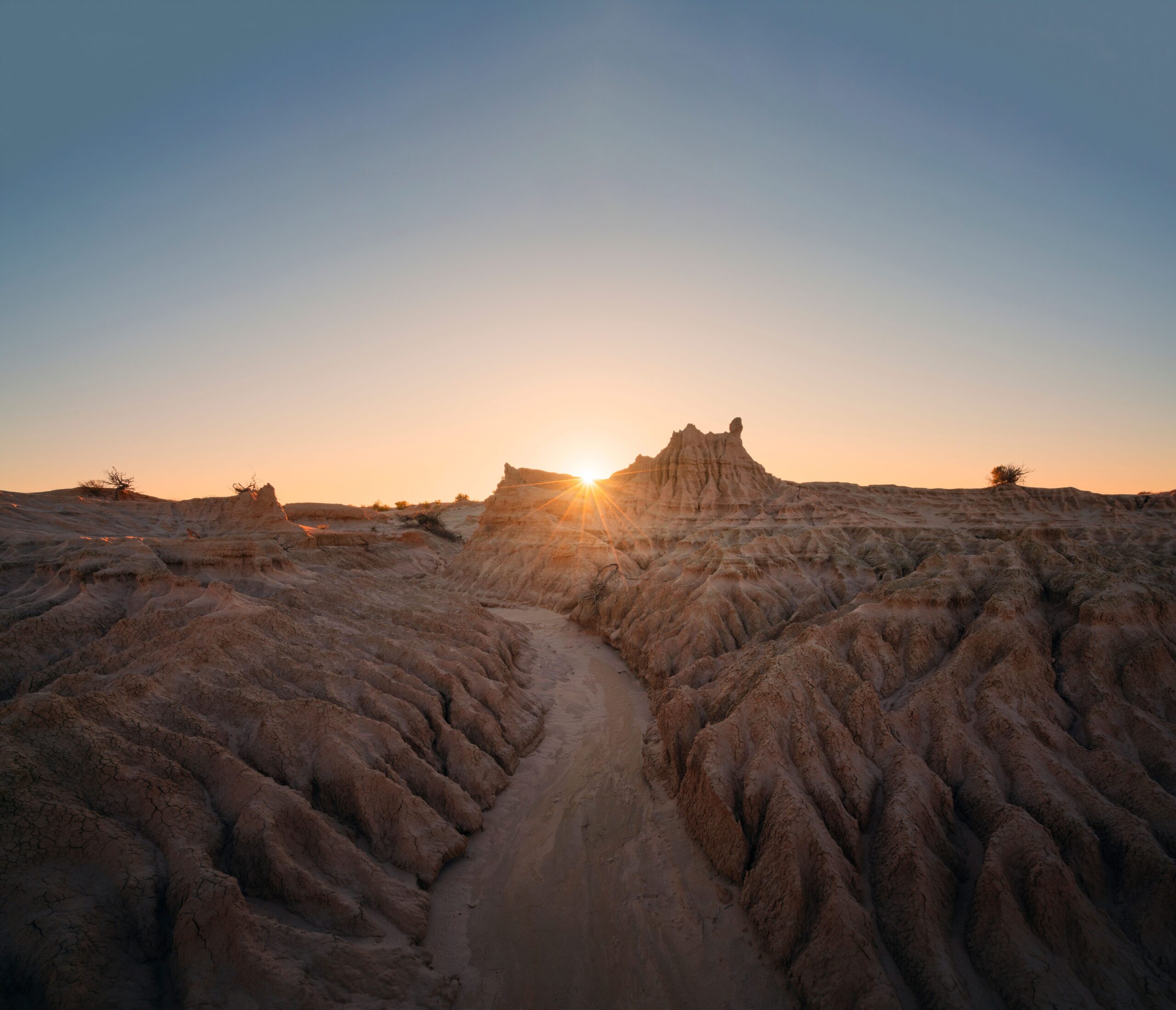
We’ll then set off by coach for the UNESCO World Heritage listed Lake Mungo, one of the most significant archaeological sites in the world. Situated within Mungo National Park, this dry lakebed, part of a chain of 17 ancient lakes, offers a profound window into Australia’s Indigenous history, human evolution, and environmental change. The park is best known for the discovery of Mungo Lady (in 1969) and Mungo Man (in 1974), the oldest known human remains in Australia. Dating back to around 42,000 years ago,they are recognised as both the world’s oldest known ritual cremation (Mungo Lady) and burial (Mungo Man). The site has revealed artefacts like stone tools, ochre, hearths, and middens, indicating continuous habitation for over 50,000 years.
Upon arrival in the late morning, we’ll meet our expert local guide for a comprehensive tour of the park, followed by lunch in the restaurant at Lake Mungo Lodge before returning to Mildura.
Back in Mildura, you’ll have some time to relax before we regroup for dinner at 400 Gradi, established in 2008 in Melbourne. The story behind its founder, Johnny di Francesco, is worth telling here – at just 12 years old, Johnny got his first job making pizzas, motivated by wanting to buy a pair of shoes his family couldn’t afford. He bought his shoes but the passion for pizza ( and good food generally) had been lit and only grew stronger as he got older – with a goal to make and serve the most authentic pizza available in Australia. After several trips to Italy he embarked on making pizzas the Neopolitan way – 400 degrees for just 90 seconds. We’ll sample just some of his fresh pasta, antipasti and pizza on a fun evening out.
Overnight: Kar-Rama Hotel, Mildura (B, L, D)
After checking out and enjoying breakfast at our local cafe we’ll board our coach and head North again, this time into the vast flat lands of far western NSW and Broken Hill, stopping for a leg stretch at the tiny hamlet of Pooncarie, before rolling to Menindee.
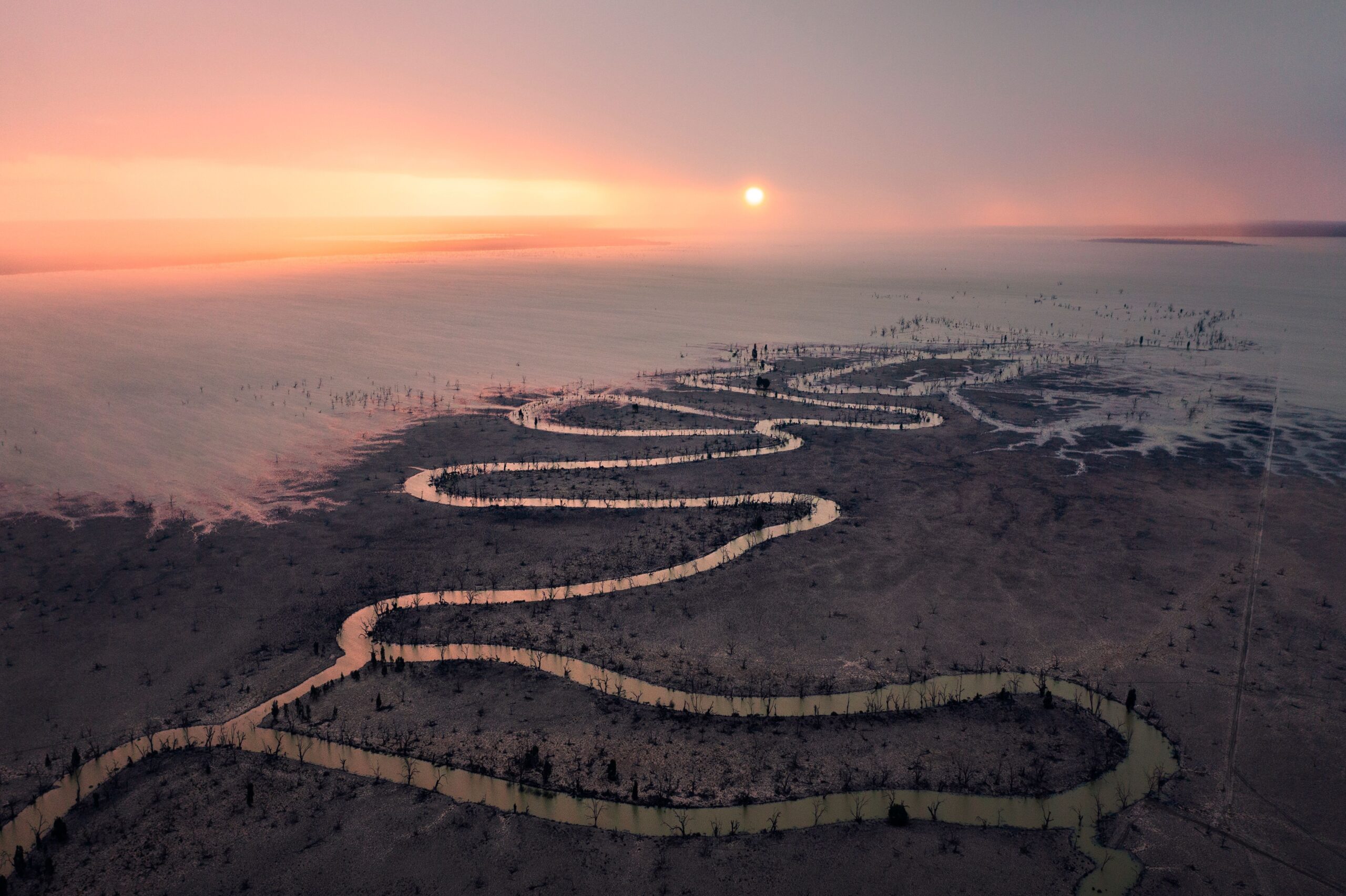
After a hearty pub lunch at the Maidens Hotel, we’ll embark on a tour of Menindee, including the iconic ‘Menindee lakes’ – a spectacular lake system more than three times the size of Sydney Harbour. Originally a series of nine natural, shallow ephemeral lakes that filled during floods and drained back into the Darling, they were modified in the 1950s and 1960s by the NSW Government with weirs, levees, canals, and regulators to create a managed storage system. Completed in 1968, the system primarily serves to supply water to Broken Hill, support irrigation, stock, and domestic needs for farms and orchards (e.g., grapes, rockmelon, tomatoes, apricots) along the lower Darling, and supplement the Murray River system under the Murray-Darling Basin Agreement.
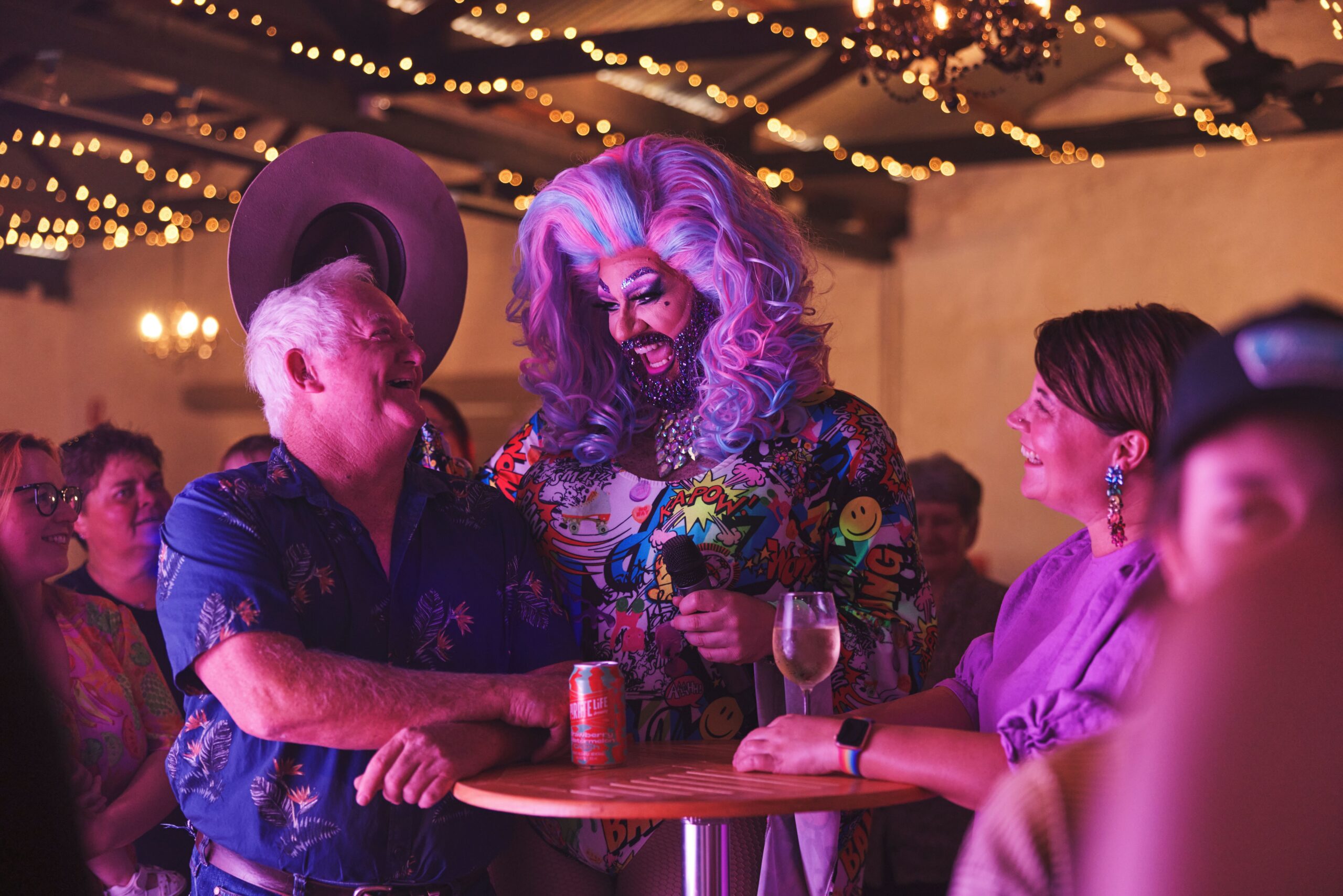
Upon arrival in Broken Hill in the late afternoon, we’ll check in to our accommodation, freshen up and head out for a fun dinner at a well known local pub, the Tipsy Camel – a cheeky bistro and bar nestled within a historic brewery – to enjoy good food and a little drag entertainment – a nod to the town’s connection to the world famous movie, “Priscilla, Queen of the Desert”.
Overnight: Old Willyama Motor Inn, Broken Hill (B, L, D)
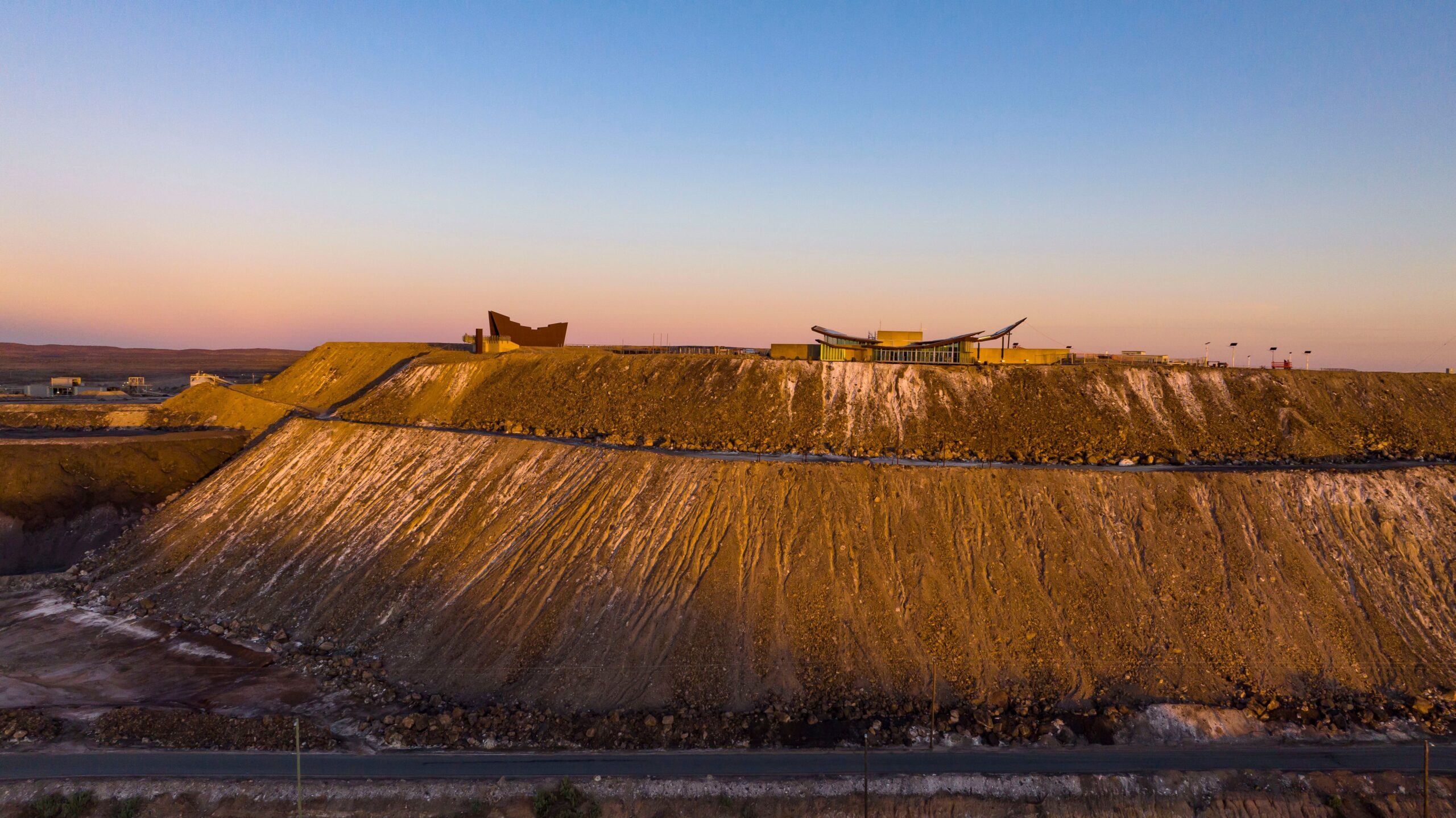
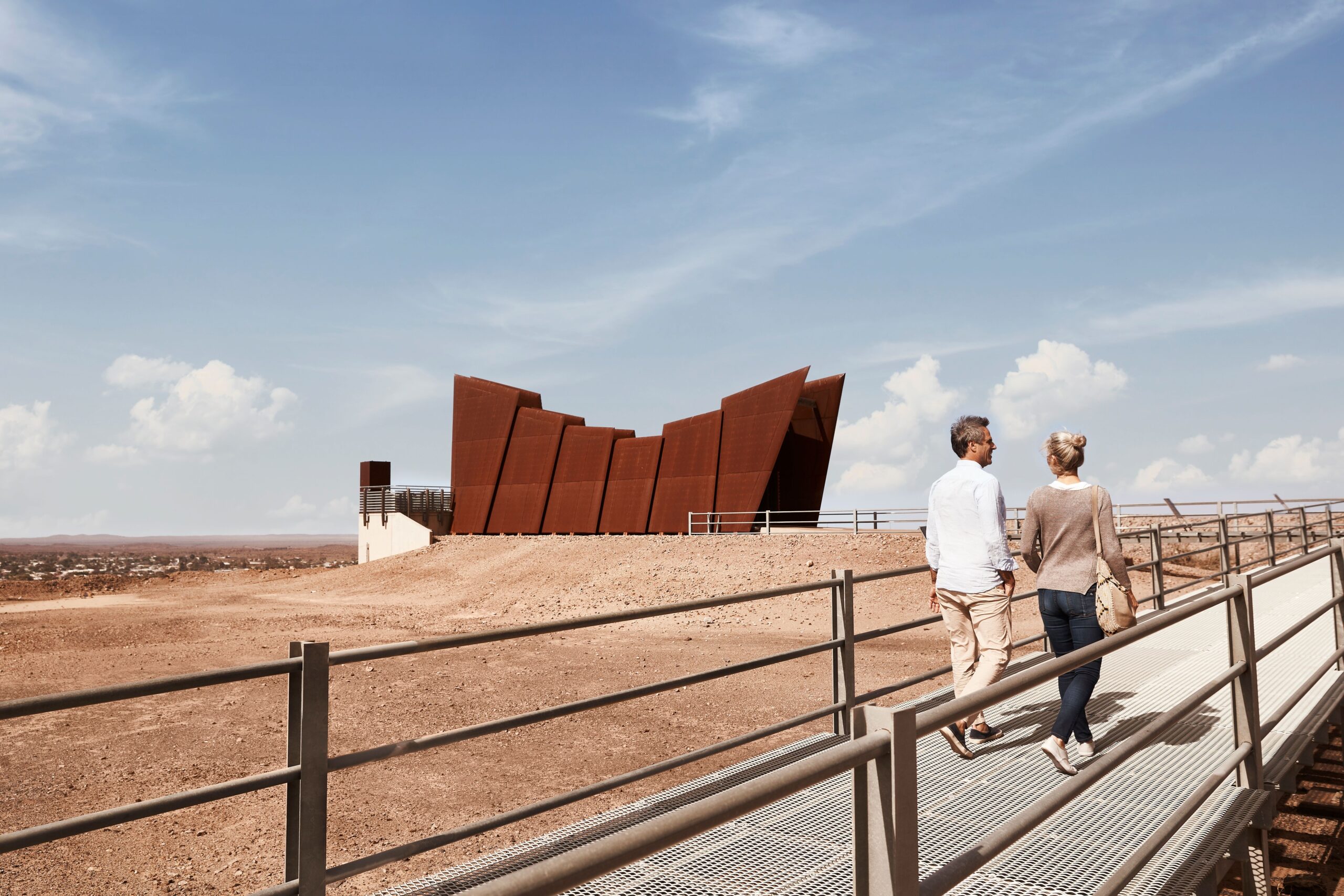
After breakfast this morning at a local cafe, we’ll set out for a full day exploring this unique town, affectionately known as the Silver City, starting at the moving “Line of Lode” memorial and lookout. Mining has claimed more than 800 lives over the years at Broken Hill, and the striking, dramatic, architecturally designed memorial, opened in 2001, is a poignant monument to them all – with individual names etched into the freestanding glass panels set within the high, rust-red steel walls.
From here, we’ll visit the Albert Kersten Mining & Minerals Museum, set behind the stone facade of a restored former Bond Store. Learn how the world’s largest deposits of silver, lead, and zinc were formed here in Broken Hill, view the renowned collection of Broken Hill minerals, and see the famous Silver Tree, a famous silver artwork crafted in 1879–1880 by silversmith Henry Steiner from about 8–8.5 kg of pure silver. This spectacular piece was once owned by Charles Rasp, the boundary rider who pegged out the first Broken Hill mining lease and then went on in 1885 to form a syndicate with six colleagues from the station that later became the Broken Hill Proprietary Company Limited (BHP), now one of Australia’s largest companies.
It’s then on to the historic Sulphide Street Railway & Historical Museum complex. From 1888, the Silverton Tramway system took ore from the Broken Hill mines to the border with South Australia, for transport to the lead smelter at Port Pirie. The system stopped operating in 1970 but lives on at this fascinating museum, housed in the city’s original 1905 station. We’ll enjoy a privately catered lunch here before exploring historic Silverton Tramway locomotives, memorabilia, carriages and a ‘Silver City Comet’ set, an icon of outback travel, that once serviced the Parkes to Broken Hill route.
This afternoon is all about the artistic side of this fascinating town. At the Silver City Mint & Art Centre, you’ll see (and be able to purchase) locally made pieces from spectacular outback art, unique silver jewellery and Australian opals, to locally sourced gourmet chocolate. The Centre is also home to the incredible mural ‘The Big Picture’, the world’s largest acrylic painting on canvas by a single artist, measuring over 100 metres long and 12 metres high. In the late 1990s, local artist Peter (Ando) Anderson had a vision to incorporate over 100,000 saltbush, 20,000 trees, 20,000 small stones, 1,000 large stones, 3,000 clouds, 1,500 hills and 12 sculptures into a single piece of art depicting life in the Broken Hill landscape. Opened to the public in 2001, this artwork has quickly become globally recognised for its immersive qualities – the installation is designed so visitors can walk along it, feeling like they’re stepping into the scene. Some setups blend the canvas with real sculptures or elements in front, making it feel 3D and alive.
Next up is a bit of a step back in time as we head to South Broken Hill to visit the historic and well known Bell’s Milk Bar, a traditional milk bar widely regarded as Australia’s oldest continuously operating milk bar, with roots dating back to 1892. In 1953 Les and Mavis Bell inherited the property from Les’ father and did a full 1950s fit-out – complete with chrome fittings, furniture, and decor, remains largely intact today. Bell’s is one of Broken Hill’s longest-running businesses, and has earned multiple tourism awards for preserving Australia’s classic milk bar culture. The tradition of staying true to old-fashioned recipes while using modern ingredients, continues under the stewardship of the new owners. Stepping inside feels like a time warp to the 1950s – it’s both a working café and a small attached Milk Bar Museum with memorabilia, photos, and exhibits on Australia’s milk bar and café history. You’ll even have the opportunity to enjoy a drink made from one of Les Bell’s famous secret recipes.
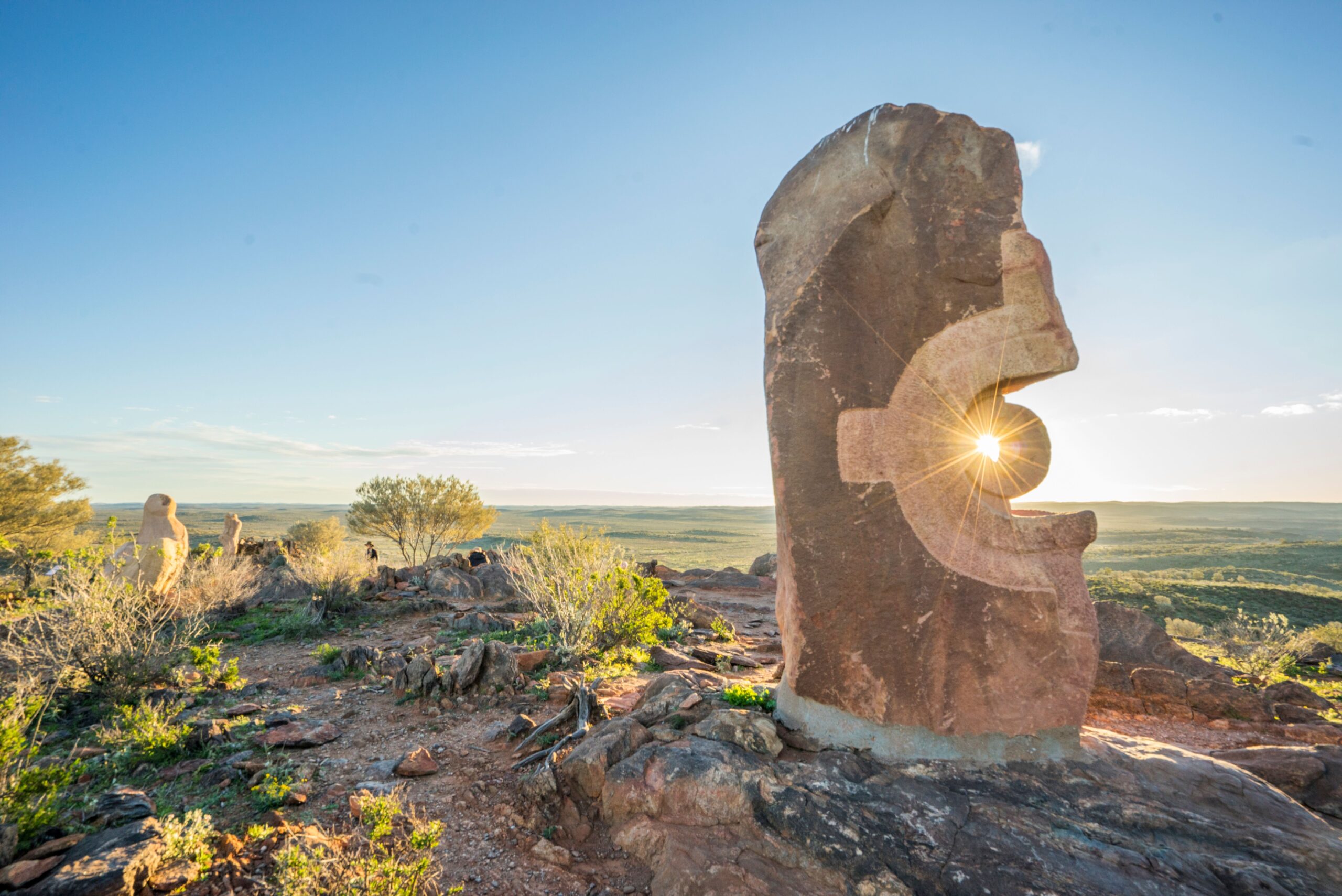
Our afternoon closes with sundowners at the iconic Living Desert & Sculptures installation in the middle of the desert just outside the town – a magical spot for drinks and nibbles as the sun sets on sweeping views of the outback landscape. This installation is a story in itself – the sculptures originated from an international sculpture symposium held in 1993, organised and directed by Lawrence Beck, a sculptor based in Gosford, New South Wales. The goal was to further enrich Broken Hill’s vibrant arts culture by adding a permanent outdoor sculptural element in the stunning natural setting. Australian artists and sculptors from around the world participated, including from countries like Georgia, Mexico, and Syria, and work began on April 1, 1993. Over six weeks, the sculptors worked on-site with the enormous sandstone blocks weighing more than 50 tonnes that had been trucked in from the Wilcannia region, creating a legacy that is world famous.
After some rest and time to freshen up back at the motel we’ll regroup for dinner together at the historic Broken Hill Pub, often referred to as the BHP. Established in 1886, it later became the Freemasons Hotel (around 1891), sparking the beginning of its illustrious history as the principal hotel and accommodation venue in Broken Hill – it even had a telephone connection in 1892! Famous guests include the 1902 English Eleven Test Team who visited Broken Hill to play against a local team in blazing hot weather – despite the heat, the English won!
Overnight: Old Willyama Motor Inn, Broken Hill (B, L, D)
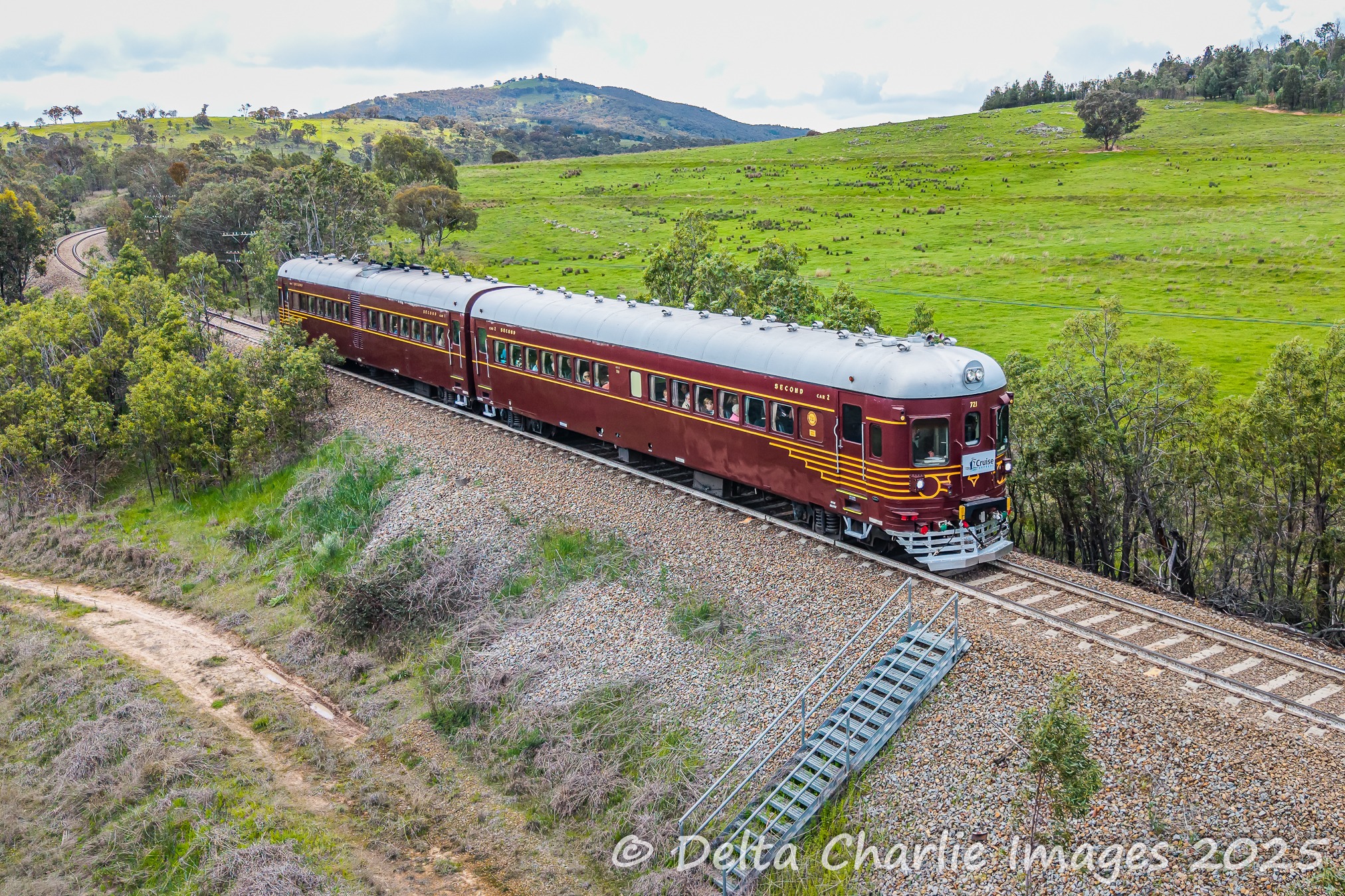
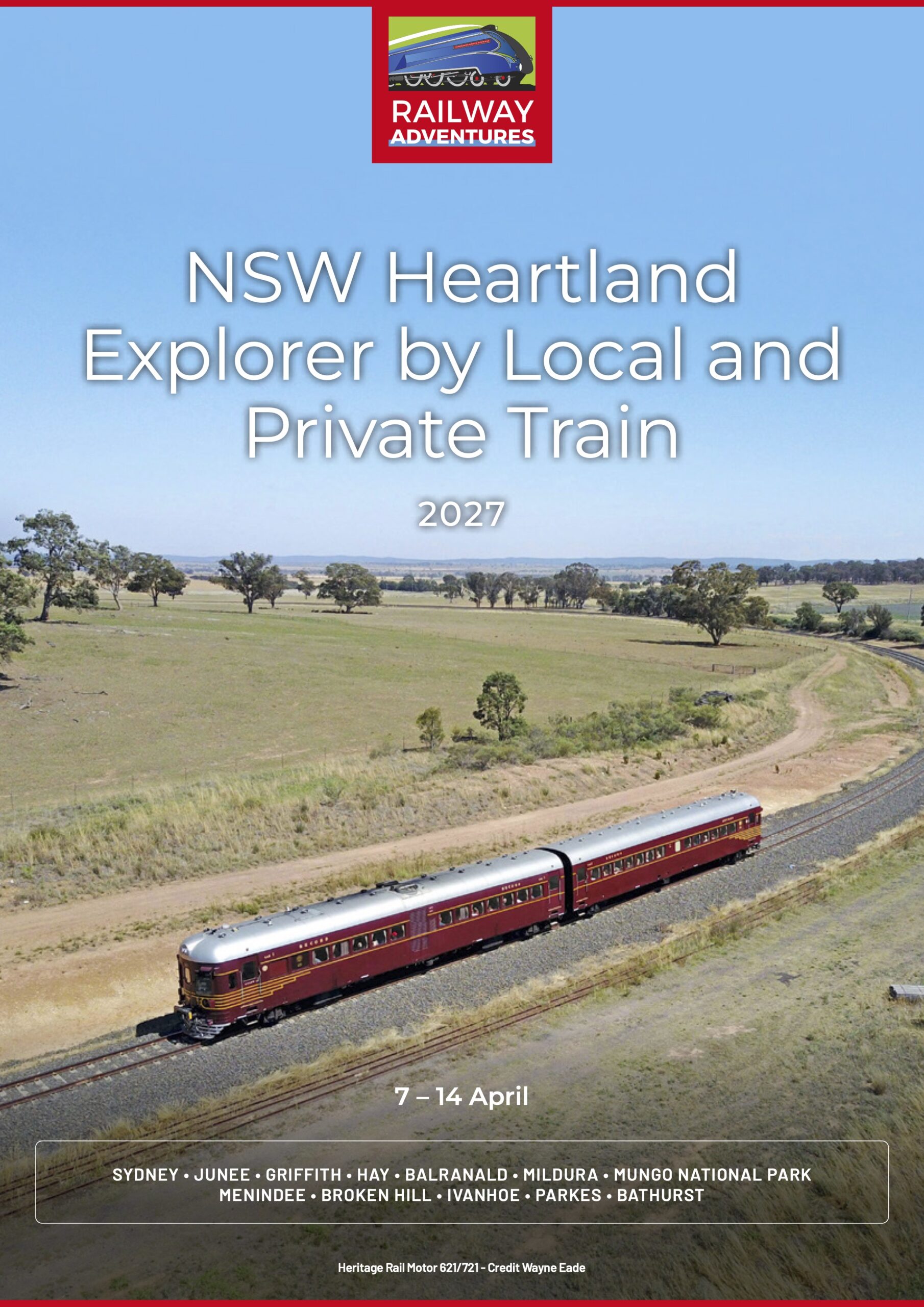
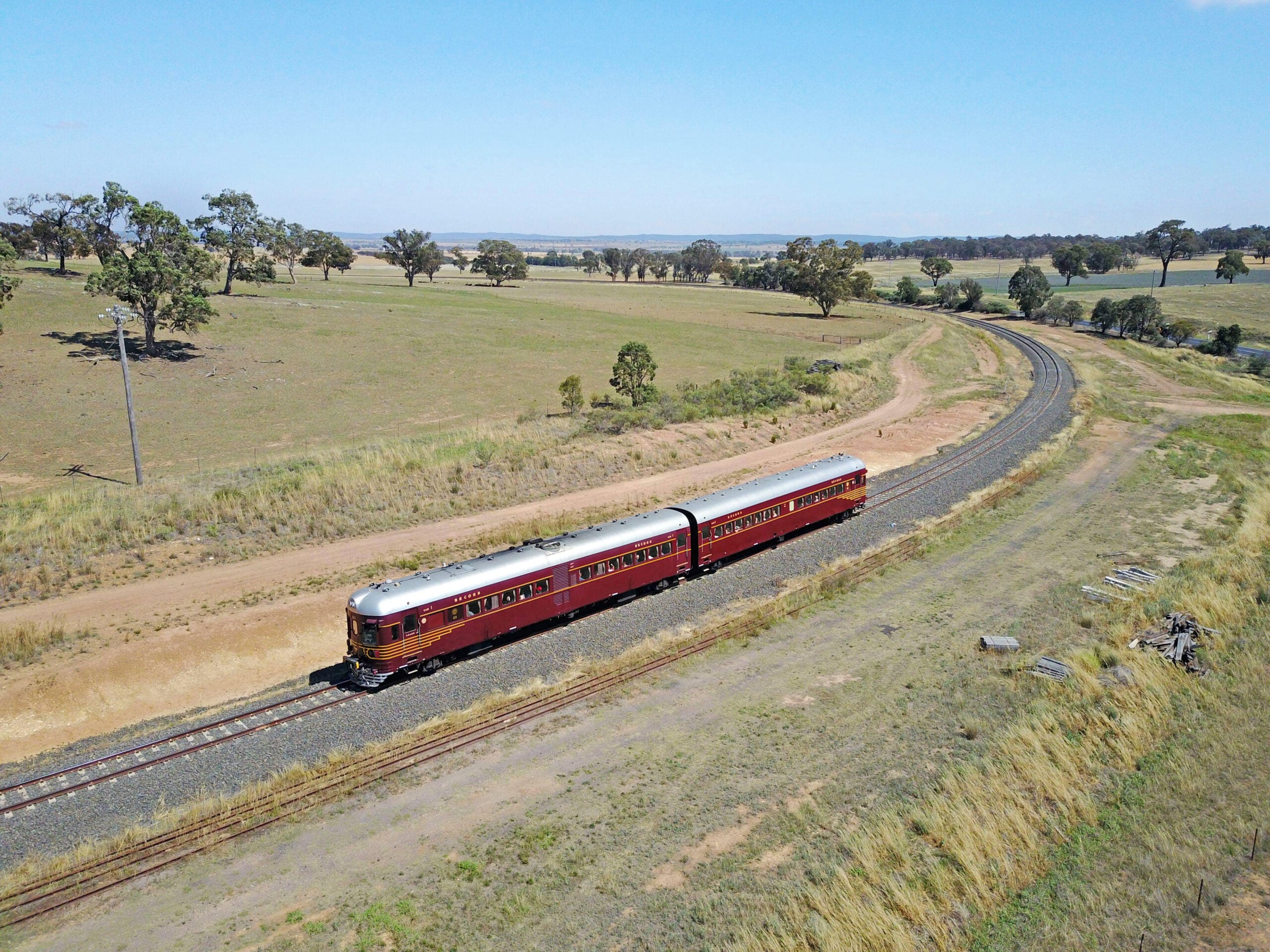
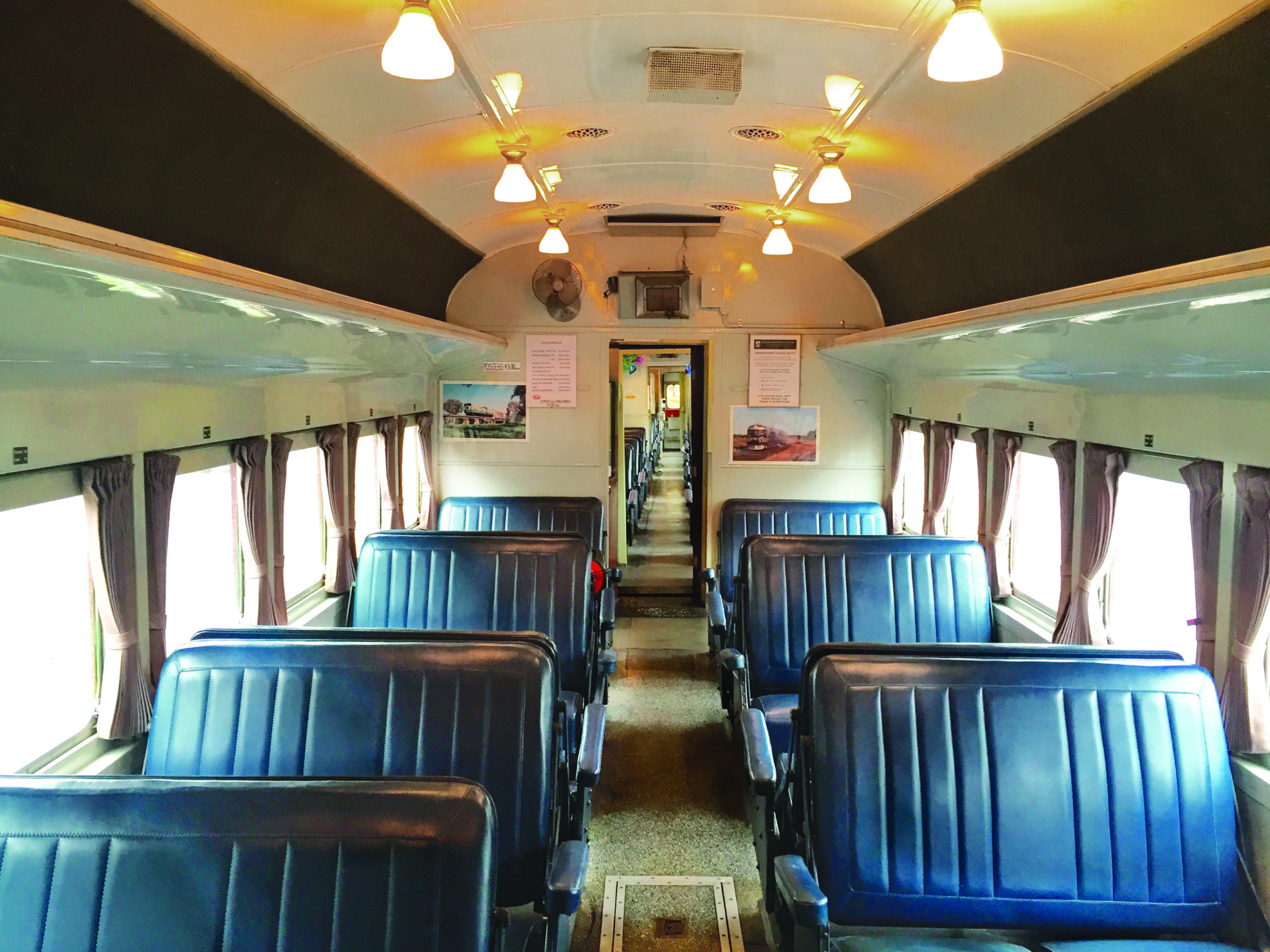
This morning after checking out and enjoying breakfast at our cafe, we’ll transfer to the Broken Hill railway station where our privately chartered heritage rail motor will be waiting – the 1962 built 621/721. This compact 2 car unit was built to serve the Hunter region of NSW and spent its entire service life running endless commuter trips from Newcastle to Dungog, Telarah and Gosford until 2007. Today the set is operated and maintained by a dedicated team of volunteers from the Rail Motor Society at Paterson.
We’ll head out into the desert surrounding Broken Hill, pass the Menindee Lakes and then into the scrublands of Central NSW, making a short stop at Ivanhoe to stretch our legs before tucking into a picnic lunch on board as we start the run to Parkes. Soon, the landscape becomes wide farming lands that run all the way to the Blue Mountains.
Upon arrival in Parkes we’ll transfer directly to our motel and check in for an evening at leisure – there are several pubs, restaurants and clubs just a short walk away for dinner – ask your tour leader for recommendations!
Overnight: Henry Parkes Motor Inn, Parkes (B, L)
This morning after breakfast at a nearby cafe and check out, we’ll return to our special train for a speedy run across the Western Plains past Orange to Bathurst.
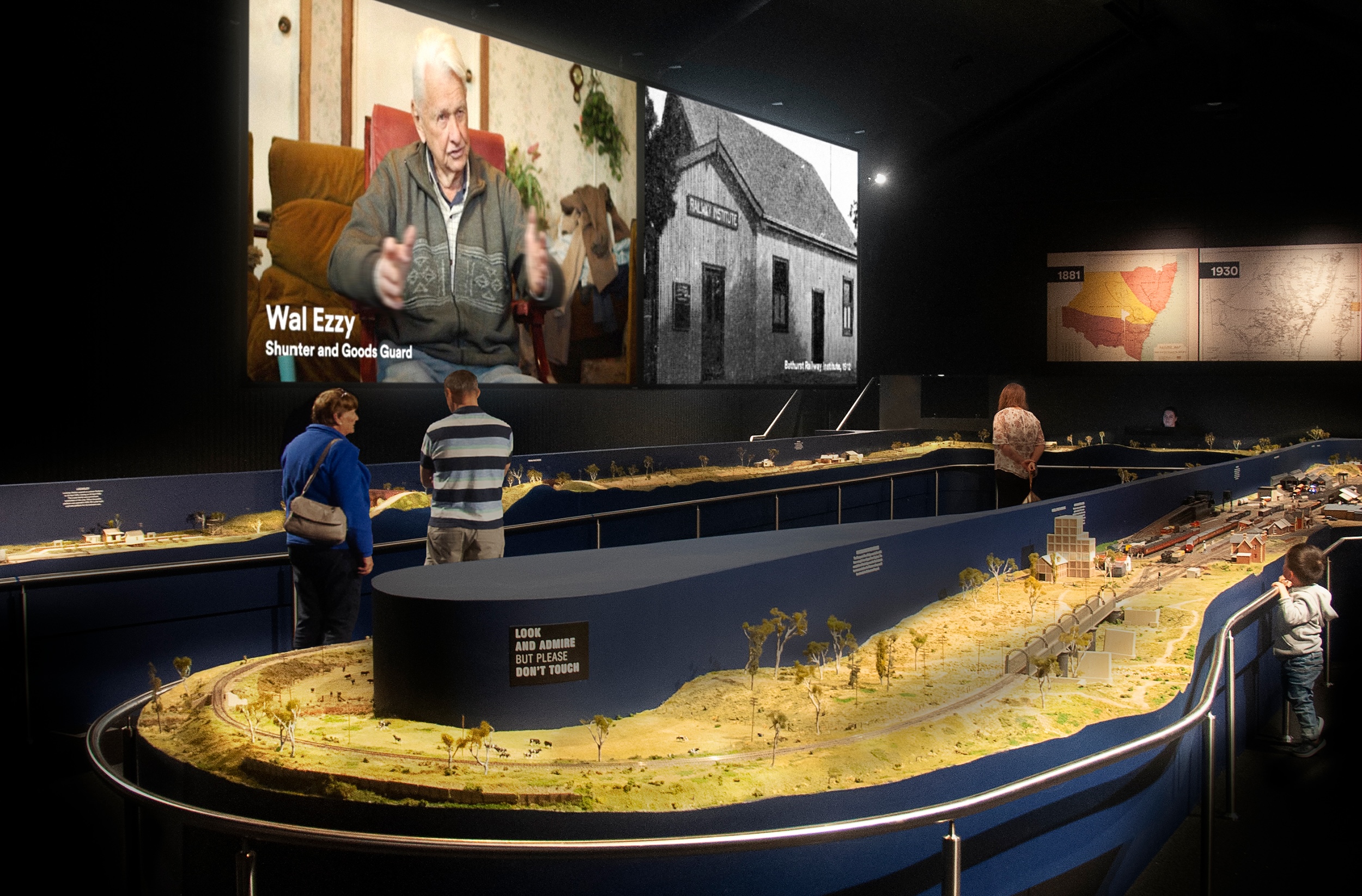
Upon arrival around noon, our first stop will be lunch at the Victoria Hotel, across the road from the station. We’ll also have time to visit the nearby Bathurst Rail Museum – an award winning museum showcasing the social and railway history of Bathurst with personal recollections and interesting artefacts. The centrepiece is the largest public HO scale model railway in Australia, depicting the Great Western Line between Tarana and Bathurst during the 1950s and 60s.
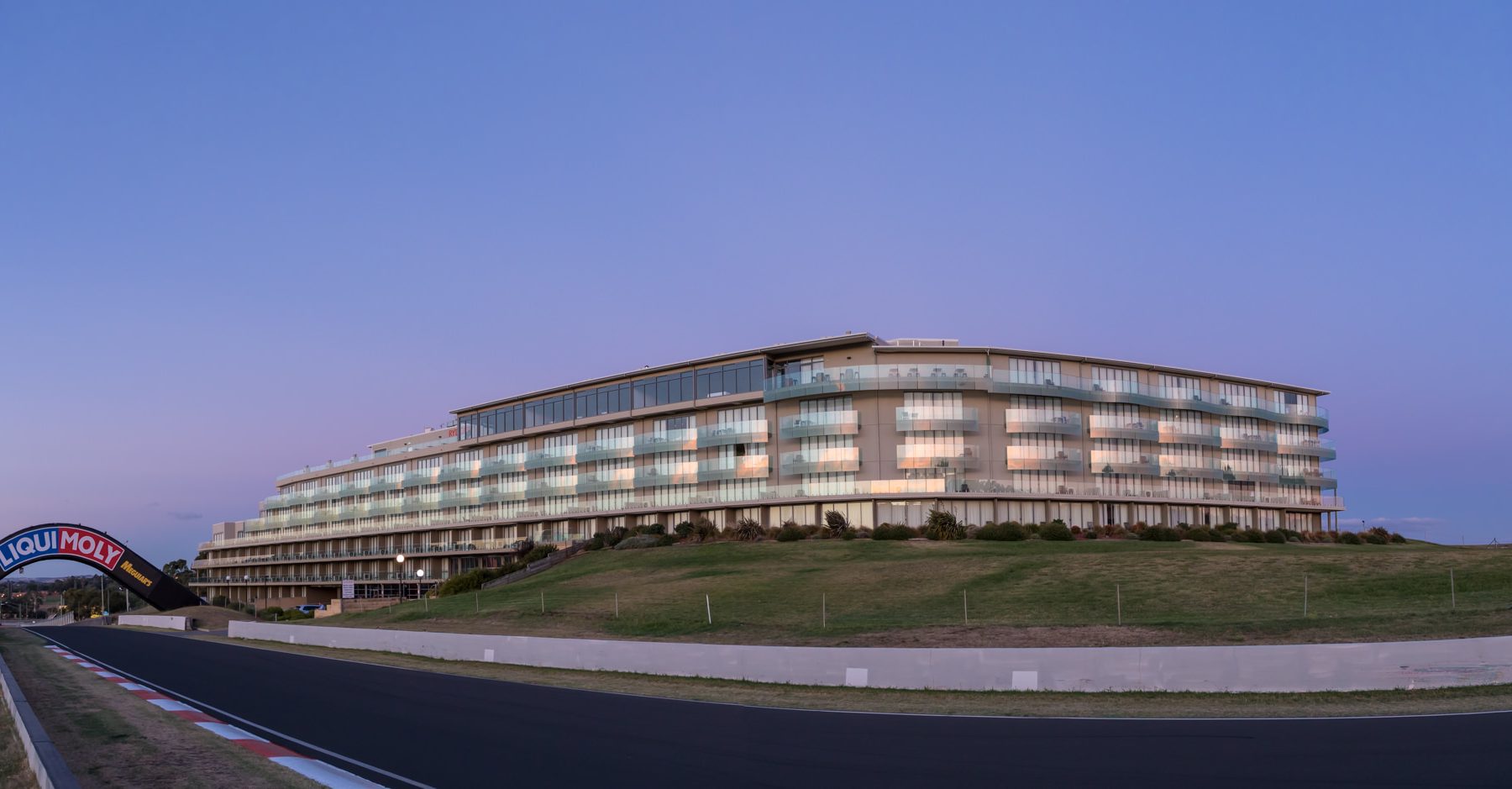
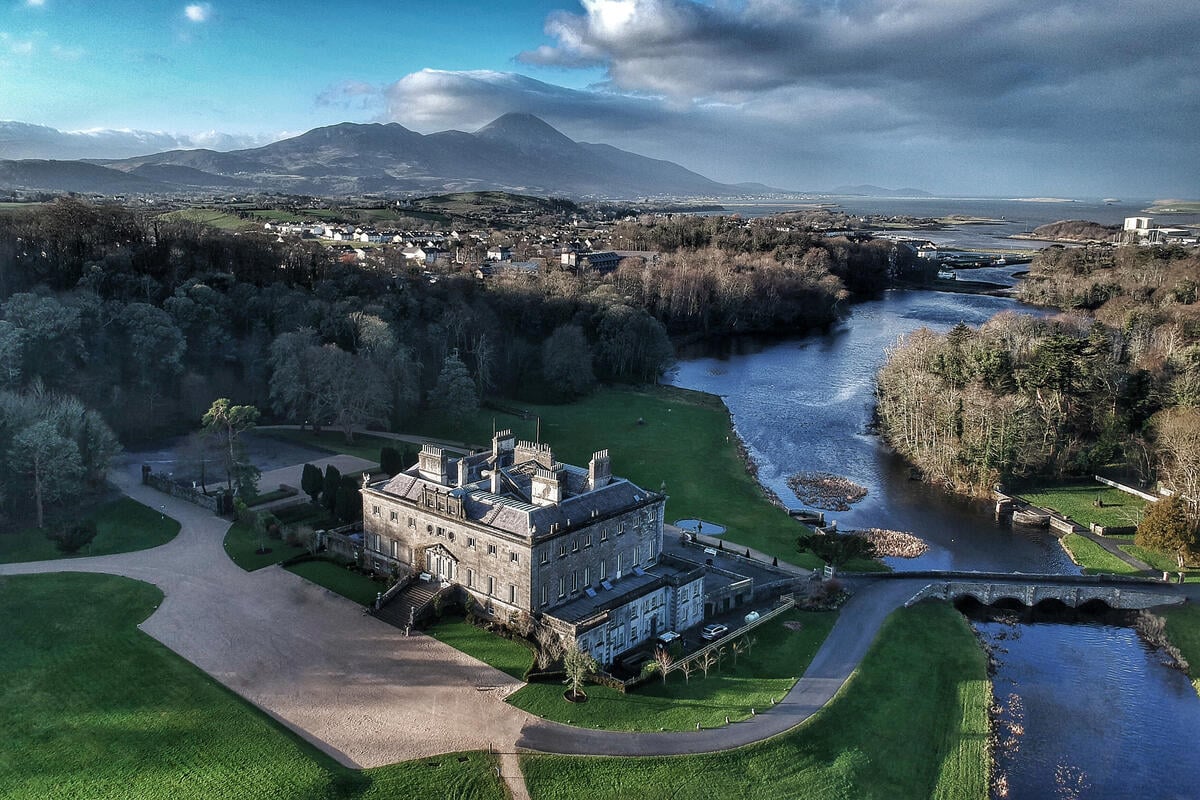
It’s then off to our hotel, situated right on the perimeter of the famous Panorama Race Track, to check in. After some time to unwind and relax (maybe even take a stroll on the famous race track), we’ll head out to our dinner venue for tonight – the historic Abercrombie House, a baronial castle in the bush. Built in 1878 by James Stewart on land granted to his father, William Stewart (the Lieutenant Governor General of New South Wales in the mid 19th century, it took eight years to construct – built of granite and sandstone with an array of curvilinear parapeted gables topped by iron finials. Listed on the National Trust Register, and considered to be of great historical significance, Abercrombie House is an outstanding example of Victorian Tudor style architecture. You’ll enjoy a guided tour of the house followed by a lavish farewell dinner (including drinks) in the ballroom.
Overnight: Rydges Mt. Panorama, Bathurst (B, L, D)
This morning after a leisurely breakfast at the hotel, we’ll check out and return to the station and our private train for our last day on the rails – the trip back to Sydney. There are a few points of interest on this journey – between Tarana and Rydal the line passes through Sodwalls where the line loops around almost 360 degrees, making you feel you’re going back to where you came, and just west of Lithgow we’ll cross the historic Bowenfels Rail Viaducts (also known as Farmers Creek Viaducts), a pair of historic, heritage-listed railway structures that form an impressive engineering landmark on the Main Western Line. There are two parallel viaducts visible side-by-side – the older 1870 sandstone viaduct, a curved single-track structure with nine semi-circular arches designed by John Whitton (the “father” of NSW Railways) and built from local Sydney sandstone; and a newer double-track brick arch structure built in 1921.
The pair creates a striking visual contrast – Victorian-era sandstone next to early 20th-century brick set in a scenic rural valley.
After passing Lithgow our train will begin its climb into the beautiful Blue Mountains, passing through ten tunnels that were built to replace the awkward Zig Zag Railway. The views, if the weather is kind, are spectacular.
We’ll pause briefly at Katoomba to pick up a picnic lunch to enjoy on board as we continue down the mountains and through Sydney’s western suburbs to Central Station, arriving in the mid afternoon, signalling the end of the tour.
(B, L)
Travel aboard the NSW TrainLink Xplorer from Sydney to Griffith
7 nights accommodation in premium centrally located motels
Breakfast daily, 8 lunches, 6 dinners
All transport fares and costs provided for in the itinerary
All meals, drinks excursions provided for in the itinerary
Full-time Tour Leader
Knowledgeable guides
Tipping and gratuities
Accommodation taxes (if applicable)
Travel to tour departure point and from tour end point
Travel insurance (Mandatory for international travel)
Visa fees
Meals and drinks not provided for in the itinerary
Things of a personal nature such as phone calls, laundry, room service, etc
The best train trips possible, private luxury coach for off-train travel, guided walking where suitable, and other appropriate and appealing options to make exploration easy
Hand-picked hotels and resorts based on location, customer feedback, value and atmosphere. Please Note: Hotels of a similar standard may be substituted.
Hear from some of our adventurers that have already ridden the rails with us.
Lorem ipsum dolor sit amet consectetur. Tincidunt convallis magna eu ac eu cursus. In duis fusce risus nec eget habitant massa pharetra. Eros a gravida faucibus lorem.

Reserve your place on this exciting exploration of NSW Heartland Explorer by Local and Private Train.

Train traveller, well known TV personality and travel company owner, Scott McGregor, has travelled on some of the world’s most inspiring railway tours and led the most exclusive group adventures to numerous exotic destinations over the years.
“Rustic, character-filled, zig-zagging railways of Burma, opulent hotels on wheels in India South Africa and Sri Lanka, steam-hauled heritage trains in some of the most staggeringly scenic parts of the world, dinky little rail-cars in outback Queensland, bullet trains in Japan, cliff-hugging lines in Switzerland and Norway—if it travels on a rail track, I’m there!”, exclaims self-confessed train travel tragic, Scott McGregor. “In my mind, travelling by rail is still the most wonderful way to immerse yourself in the country you’re visiting. It’s romantic, relaxing and about as much fun as you can have!”.
Aa a child of the last days of steam trains in the busy junction town of Orange, NSW; trains heading in all directions offering temptations and dreams of faraway places, left an indelible impression on a young, inquisitive boy and Scott has been riding the rails in one form or another ever since. While Scott’s acting career of 30 years kept him busy starring in numerous TV shows and stage plays and then as an on-air presenter on programs such as Better Homes and Gardens, Room for Improvement and various pay-TV programs, his passion for railway tours was ever-present. “Presenting a series of Railway Adventure travel programs for Channel 7 was a career highlight”, he says with as much enthusiasm now as he had then.
In 2012 Scott decided to combine three of his passions; travel, trains and presenting, and launched Railway Adventures. Not only does he get to expand his own horizons and indulge his love of train travel, he gets to use his extensive hosting experience and love of people to lead other like-minded travellers on escorted train tours around the world. Since then, Railway Adventures has mounted more than 50 tours from Sweden to Sri Lanka, Tasmania to Transylvania, Britain to Burma and Venice to Vietnam, thrilling over 1,000 travellers. New tours are launched regularly, inspired by new trains, new routes and the growing interest in taking a train to some of the world’s most fascinating places. But you don’t have to be a train ‘nut’ to enjoy a Railway Adventures tour – there’s something for everyone!
Just one example of how Scott finds inspiration for a tour can be found in Outback Queensland. “There you find some of Australia’s most eccentric and appealing trains and together with a mail-plane flight over the Gulf and some interesting local coach and boat trips you have the essence of a quintessential Aussie outback adventure. The sleeper train, The Spirit of the Outback, the Savannahlander and the Gulflander (which has been running on the same timetable for more than 125 years!) are all iconic trains that traverse various parts of the wild Outback, Savannah and tropical rainforest landscapes of the vast state of Queensland. Along with some other special treats not available to the ordinary traveller, Railway Adventures passengers get to do it all!.
One of his favourite journey’s is by private train in Sri Lanka. For 2 weeks every year Scott charters the Viceroy Special heritage train to tour the island on a gentle rail cruise with a lucky group of travellers. Staying in luxury resorts and hotels along the way, his special train travels to almost every corner of the scenic island. “Having a private train at your disposal for an adventure around this magic island is a rare treat and a great way to immerse yourself in the scenery and culture of the country.”, he enthuses. “Our Vietnam tour makes use of private carriages attached to regular trains to explore that great country in comfort and in South Africa we use a variety of trains including the luxurious Rovos Rail and the Royal Livingstone steam train to move from one incredible adventure to another”.
Apart from the obvious joy of seeing a country by train, travelling in a small group of like-minded travellers with a dedicated, experienced tour leader and knowledgeable, English-speaking local guides is what really sets Railway Adventures apart. “The camaraderie that comes from both shared purpose and shared experiences on tour is an important aspect of the journey” Scott adds. “We’ve seen many people become life-long friends from the time they shared together along the line. The best feeling in the world is when I welcome these same people on repeat journeys”.
Along with popular destinations like Switzerland, Scandinavia, Outback Queensland and Sri Lanka, a new breed of more unusual destinations has gained great interest. Java, Cuba, Southern Africa, India and the New England region of NSW are just some of the newer adventures on offer. As for Scott’s next escape, it’s most likely some quality time at Ruwenzori Retreat, his own personal train on the Great Dividing Range near Mudgee, Central NSW. Built from a collection of vintage railway carriages it’s now a boutique tourist accommodation, comprising exclusive Orient Express style comfort for up to 13 guests. “When the travels are done, coming back to my own train in the beautiful Mudgee mountains is the most restorative and magical time for this committed rail romantic”, Scott says.