21
Feb
2027
16 Days

Discover the extraordinary beauty and poignant history of North Borneo on this unforgettable, fully-escorted, 14-day journey through Sabah and Sarawak. Explore Sandakan’s complex history; get up close with orangutans and sun bears at Sepilok; cruise through the Kinabatangan Wetlands, and spot playful proboscis monkeys, majestic hornbills, and, with luck, pygmy elephants; and explore the lush landscapes of Kinabalu National Park. Ride the nostalgic North Borneo Railway through the jungle and to the coast. With time in Kota Kinabalu and the historic city of Kuching, this journey offers vibrant cities, rich culture, diverse wildlife, and powerful moments of remembrance set amid breathtaking natural surroundings.

Upon arrival in Sandakan, you’ll be met at the airport and transferred to our hotel. Check in is available from 3.00pm.
Our tour starts tonight at 6.00pm with Welcome Drinks at the hotel to meet your tour leader and fellow travellers, followed by a Welcome Dinner at a local restaurant. We encourage you to ensure your flight arrives in time to be part of the fun.
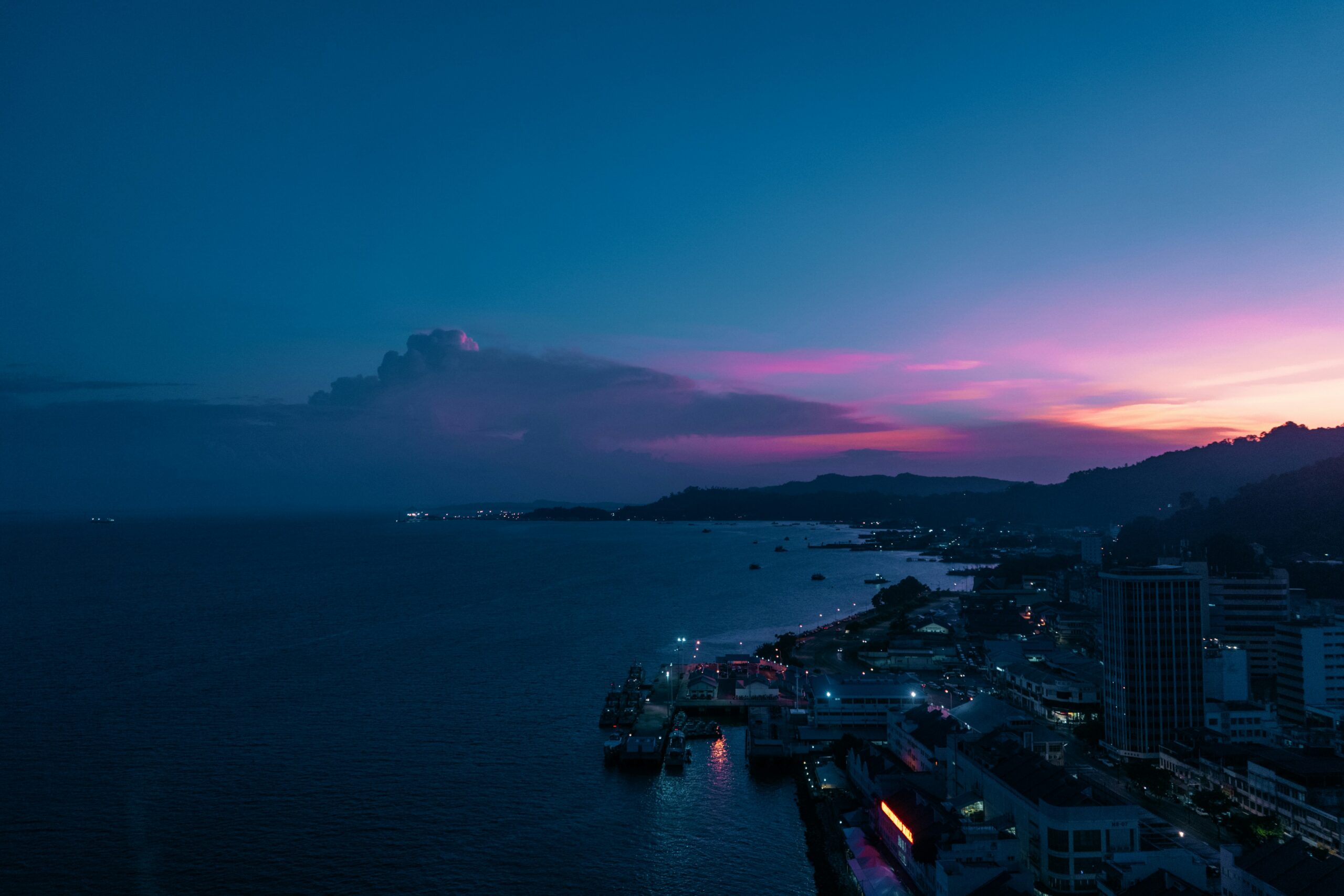
Sandakan, located in North Borneo (now part of the Malaysian state of Sabah), is a vibrant and historic town with a rich cultural tapestry. Originally established by the British North Borneo Company in the late 19th century, it quickly grew into a vital trading hub, known for its timber and other natural resources. During World War II, Sandakan was the site of a brutal Japanese prisoner-of-war camp, and the tragic Sandakan Death Marches remain a sombre chapter in its history. Today, Sandakan is renowned for its natural beauty and biodiversity, serving as a gateway to numerous eco-tourism destinations, including the Sepilok Orangutan Rehabilitation Centre, the magnificent Kinabatangan River and Wetlands, and pristine rainforests.
Overnight: Ormond Sandakan, Sandakan (D)
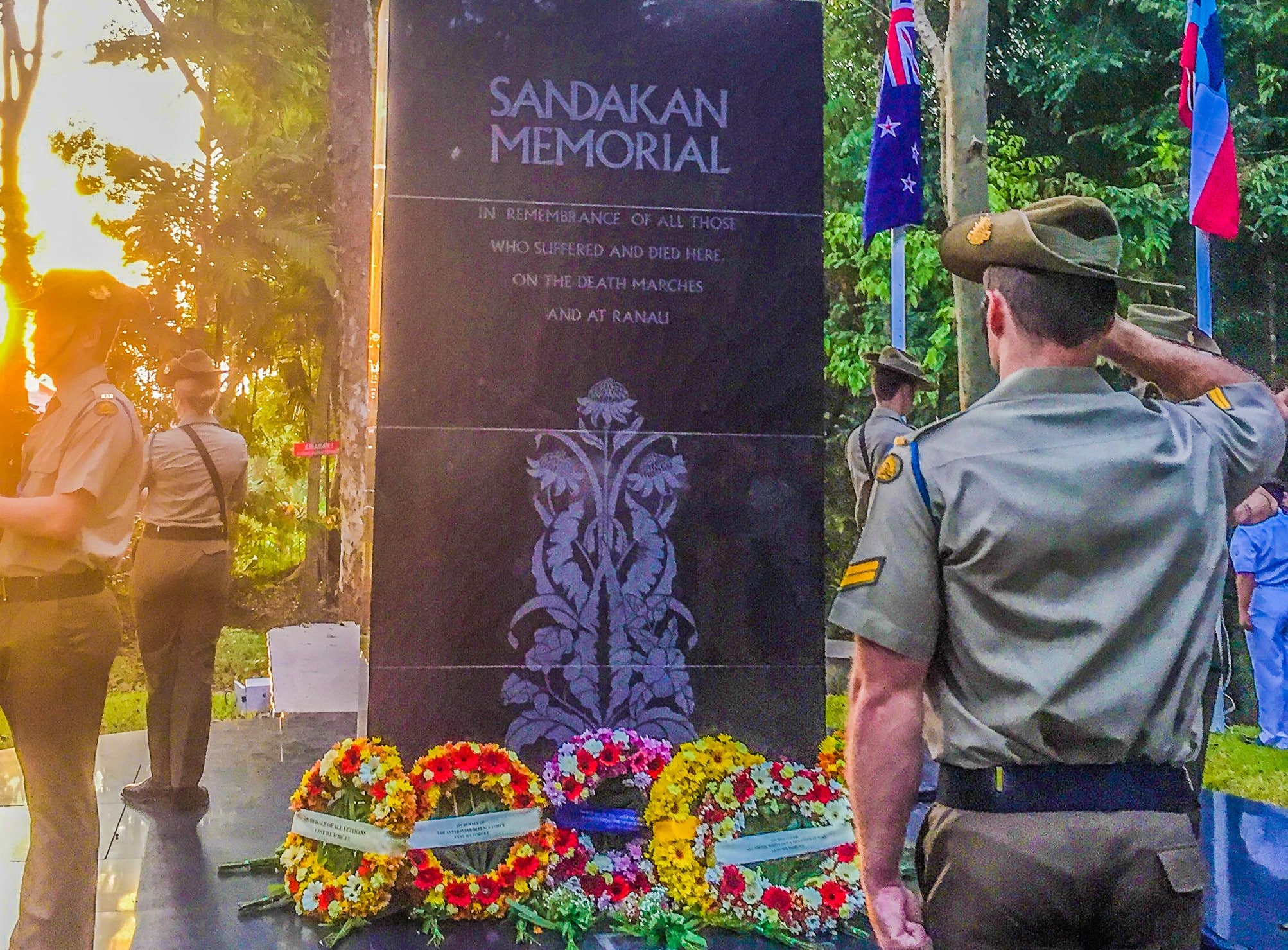
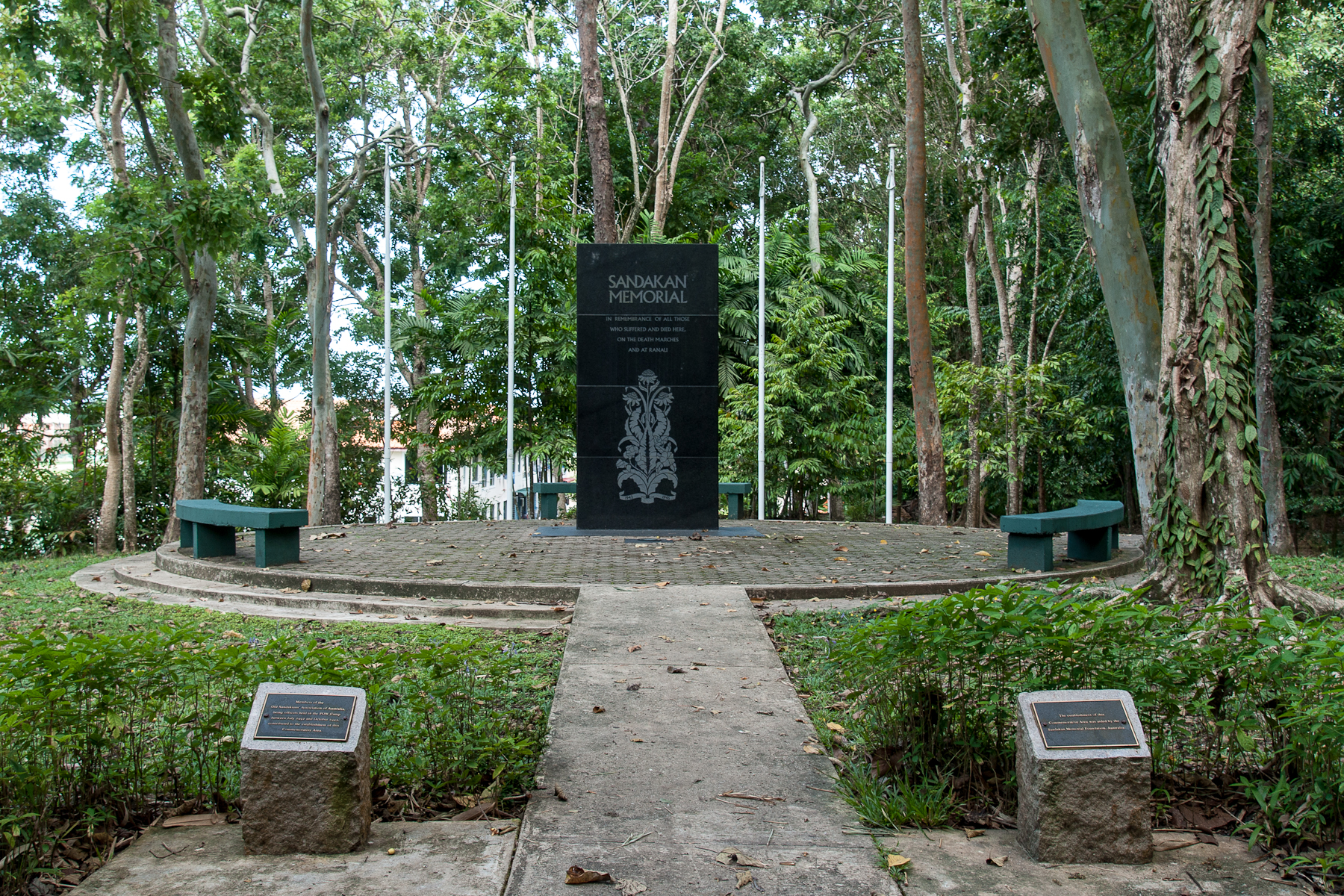
This morning you have the opportunity to join a special ANZAC Dawn Service at the Sandakan Memorial Park, once the site of the infamous prisoner of war camp. Transport and a Guide will be provided. The story of Sandakan is another tragic story of World War 2 – 2,345 allied prisoners of war, captured by the Japanese, were brought to Sandakan to build a military airstrip, with only six (all Australians) surviving the horrendous camp conditions and the infamous death marches from Sandakan to Ranau in 1945. Every year, family members and friends of POWs who were lost in this saddest of events, travel to Sandakan to reflect and remember, and remember the courage of so many local residents who risked their lives to help ease the suffering of the prisoners. If you lost a family member at Sandakan, and would like the opportunity to be involved by laying a floral tribute during the service, please let us know at the time of booking so we can facilitate this special memory.
After breakfast, we’ll begin our exploration of Sandakan, starting at St Michael’s church, built over 30 years from 1893 – the oldest stone church in Sabah, and one of the few buildings to survive the war. Built out of granite, the design, inspired by New Zealand’s Christchurch Cathedral, features Gothic revival elements like pointed arches, a gabled roof, and tall windows. Inside, you’ll find beautiful stained glass windows including the prominent Windows of Remembrance and the Friendship/Fellowship Windows, installed in the early 2000s with donations from the families of Australian and British POWs who suffered and died in the Sandakan Camp and Death Marches. The church was used as a transit point for arriving POWs before being marched to the camp and their imminent deaths.
Our story of Sandakan continues at Agnes Keith House, the restored colonial home, now a museum, of the celebrated American writer Agnes Keith, the wife of a New Zealand-born British official who had been appointed Conservator of Forests and later promoted to Director of Agriculture and Wildlife. In the years between 1934 and 1952, Agnes Keith penned a trilogy “Land below the Wind”, “Three Came Home” and “White Man Returns “, a moving account of the family’s experiences during their time in Sandakan from the 1930s to the post war reconstruction including being interned under harsh conditions in separate camps. Agnes Keith’s relationship with Sandakan was one of deep love and profound hardship, and her books remain essential reading for understanding Sabah’s history.
Next door is the English Tea House, a former colonial residence perched high above the city in the midst of lush, tropical greenery and cool breezes, our lunch venue today. You can even play the lawn game of croquet with their resident peacock Harry looking on.
En route back to our hotel, we’ll pause for a visit at the floating village of Sim Sim, a traditional stilt village built over the sea on wooden piles. Widely regarded as the original settlement of Sandakan, it traces back to 1879, when the early town was relocated from its original inland site to this coastal spot. The village grew as a fishing community, with houses constructed on stilts over the water to adapt to the tidal environment. Today, it remains a living fishing village inhabited mainly by local Malay and other Bumiputera families, offering a genuine glimpse into traditional maritime life in Borneo.
We’ll arrive back at the hotel in the mid-afternoon for a few hours at leisure before regrouping for dinner.
Overnight: Ormond Sandakan, Sandakan (B, L, D)
Today is all about conservation, rehabilitation, and raising awareness of Borneo’s extraordinary wildlife.
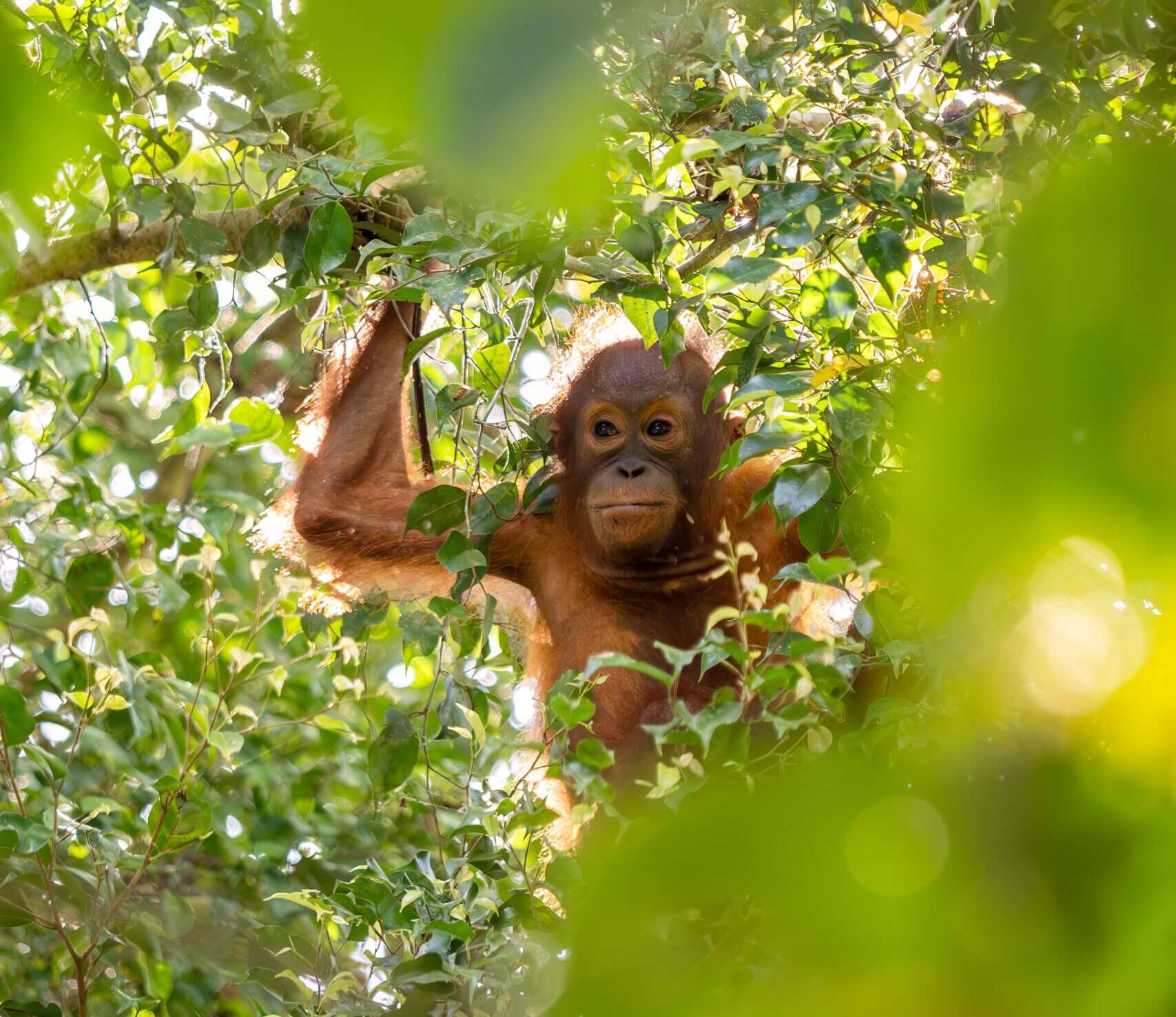
After breakfast, we’ll make the short journey to the Sepilok Orangutan Rehabilitation Centre for a close encounter with the ‘wild man of Borneo’. Founded in 1964 as a response to the growing number of orphaned baby orangutans rescued from logging sites, plantations, illegal hunting, and the pet trade, it was the first official orangutan rehabilitation project in the world. Set up as a meaningful, ethical wildlife experience focused on conservation rather than entertainment, the wooden boardwalk through the rainforest enclosure ensures you have an up close view of these magnificent animals going about their day in their natural habitat – watch for the ‘wild man’ swinging through the trees and at feeding time, enjoy their antics with their human carers.
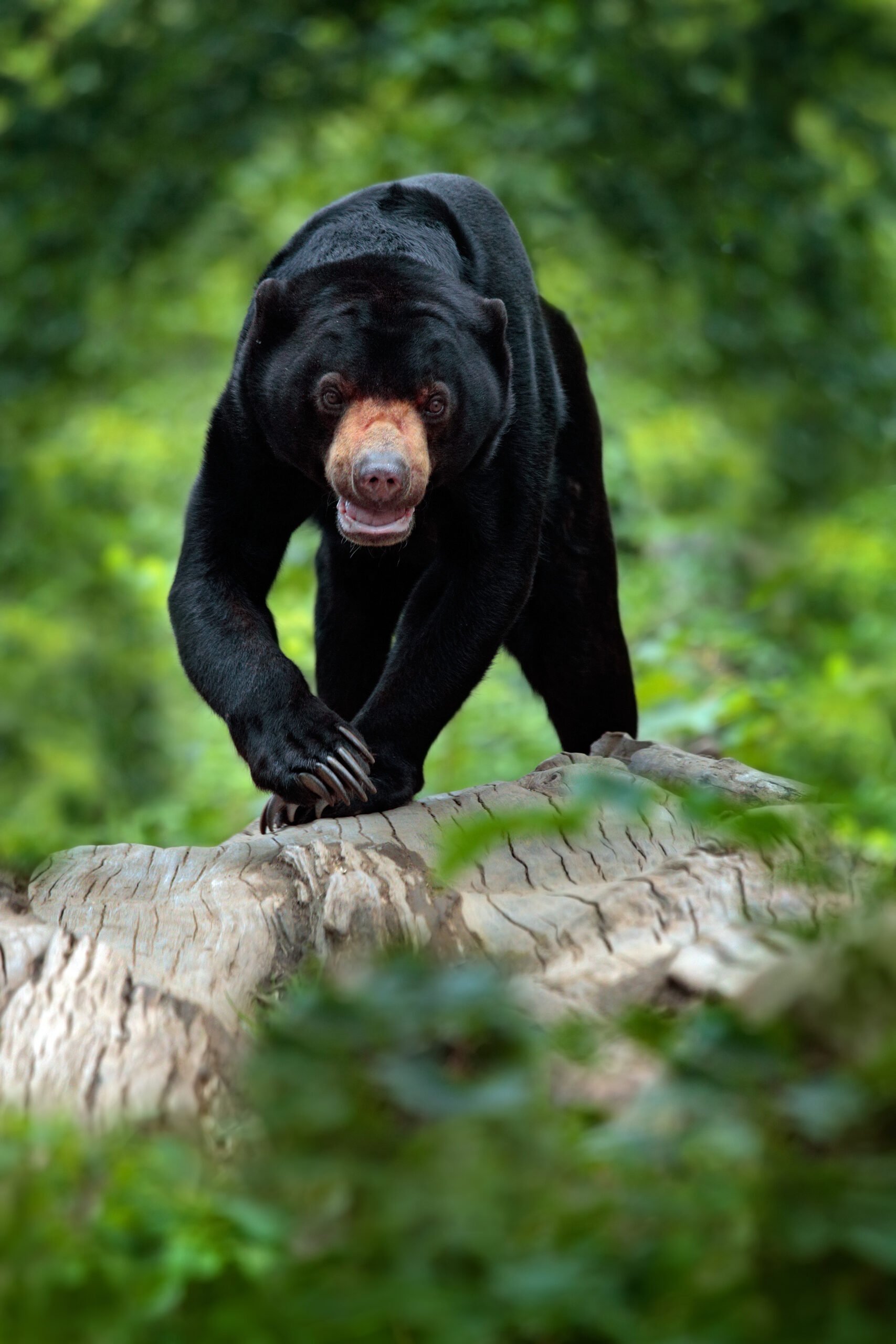
From here, we’ll move to the adjacent Bornean Sun Bear Conservation Centre, the world’s only dedicated facility for the rescue, rehabilitation, and conservation of Malayan sun bears, the smallest bear species on Earth. Found only in Southeast Asia, the future of the sun bears is seriously threatened, and Borneo is one of the few remaining strongholds for their protection. Established in 2008 by Malaysian wildlife biologist Dr. Wong Siew Te (often called “Wildlife Wong”), it was created following surveys revealing many sun bears in Sabah were kept in poor conditions as pets, confiscated from illegal trade, or orphaned due to habitat loss and poaching. A special treat here will be the opportunity to hear from Dr Wong, founder of the Sun Bear Conservation Centre to learn firsthand about the work of the centre.
After enjoying lunch in the rainforest, we’ll return to the hotel for an afternoon and evening at leisure to explore more of Sandakan at your own pace. For those who didn’t attend the ANZAC Service but would still like to visit the War Memorial and small museum on the site of the Sandakan POW camp, we’ll be happy to facilitate this for you at no additional charge.
Tonight, you’ll need to pack an overnight bag to get you through the next two nights in the Kinabatangan wetlands and your large luggage will be securely stored until our return to Sandakan
Overnight: Ormond Sandakan, Sandakan (B, L)
This morning after a leisurely breakfast and check out, we’ll leave our large luggage to be securely stored and visit the Puh Jih Syh Buddhist Chinese temple, known for its extravagant, colourful Chinese Buddhist architecture designed to impress and the panoramic views of the city and Sandakan Bay. You’ll have the opportunity here to receive a blessing from the temple’s monks.
From here, we’ll travel to the Sandakan Yacht Club to board our boat to the Kinabatangan Wetlands Resort in Abai, Kinabatangan. This interesting one-and-a-half-hour boat ride will take us across Sandakan Bay, passing historical Berhala Island and fishing villages and into the Kinabatangan River, keeping an eye out for any wildlife you might see along the way. The Kinabatangan Wetlands, a UNESCO Biosphere Reserve area, form one of the most important and biodiverse wetland ecosystems in Malaysian Borneo, encompassing the lower reaches of the Kinabatangan River, Sabah’s longest river at approximately 560 km, and its surrounding floodplains, freshwater swamps and extensive mangrove forests. The area features a rich mosaic of habitats supporting an exceptionally high concentration of wildlife.
On arrival at our riverside resort, we’ll check in and enjoy lunch.
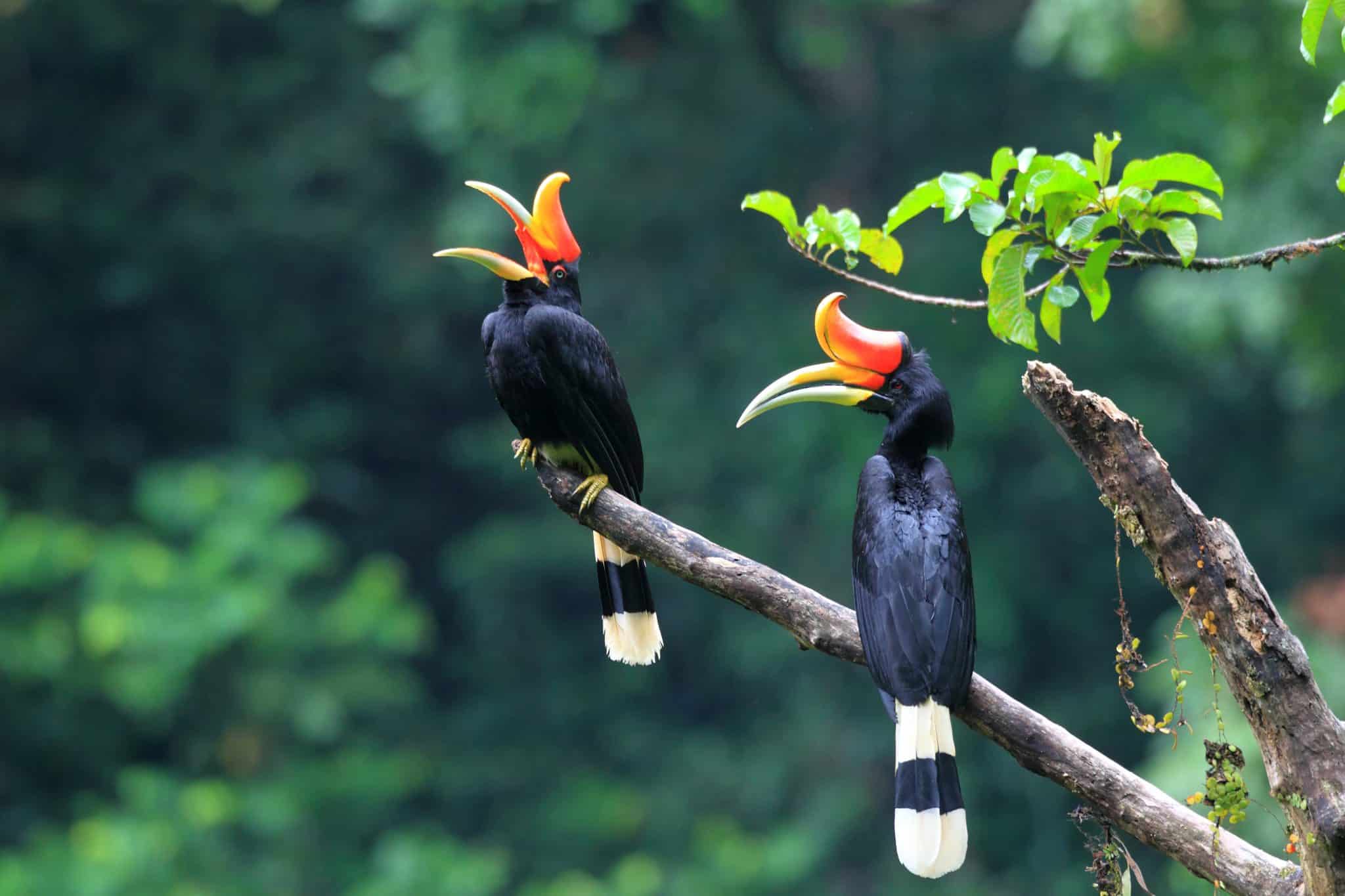
Situated along a tropical forest-lined stretch of the river, the Kinabatangan Wetlands Resort is a classic jungle lodge featuring rustic-style but comfortable raised bungalows spread out via a boardwalk in riverside gardens and natural vegetation. Later in the afternoon, we’ll enjoy a private sunset cruise along the Kinabatangan River in search of wildlife who have come out to feed, including macaques, orangutans, proboscis monkeys and, if you’re lucky, even Bornean pygmy elephants. If weather permits, we’ll watch the fireflies shimmering as the evening falls before journeying back to our resort for dinner.
After dinner, the exploration continues for those who are interested. Fitted up with headlamps and torchlights, you can take a guided stroll along the boardwalk to look for interesting insects and other unique wildlife that might turn up after dark.
Overnight: Kinabatangan Wetlands Resort, Abai (B, L, D)
Today is a classic safari day, offering multiple opportunities for wildlife spotting along the Kinabatangan River at different times of the day – you can do just one of the river safaris, or all three. Early risers can begin with a dawn cruise to the serene Kelenanap Oxbow Lake, where the calm waters provide a haven for a variety of birds and animals. After breakfast back at the resort, the morning is yours to relax and enjoy the wildlife-rich grounds or, for those seeking a deeper connection with local conservation efforts, an enriching optional excursion is included in your package, travel by boat to the Kulamba Field Centre for a visit to a conservation area managed by the native Orang Sungai people. Here, you can take part in a tree-planting project, explore the observation tower in search of wild orangutans, silver-leaf monkeys, and exotic birdlife and enjoy light refreshments prepared by the local community. Depending on the tides and weather, you may also try traditional clamshell digging on nearby sandy beaches. You’ll return by river to the resort in time for lunch.
Spend the early afternoon at leisure, where wildlife encounters continue right at your doorstep, before embarking on a late afternoon wildlife cruise ‘safari’ as the riverbanks come alive with activity. As dusk falls, enjoy dinner at the resort before setting off on an evening river safari, offering the chance to spot elusive nocturnal species under the stars.
Overnight: Kinabatangan Wetlands Resort, Abai (B, L, D)
KINABATANGAN TO KINABALU NATIONAL PARK
This morning after breakfast and check out, we’ll travel back to Sandakan the same way we came, by boat, where our private coach and luggage will be waiting for us, ready to take us on the scenic journey to the unspoiled wilderness of the World Heritage-Listed Kinabalu National Park. After stopping for lunch at a popular local restaurant, we’ll arrive at our hotel in the late afternoon.
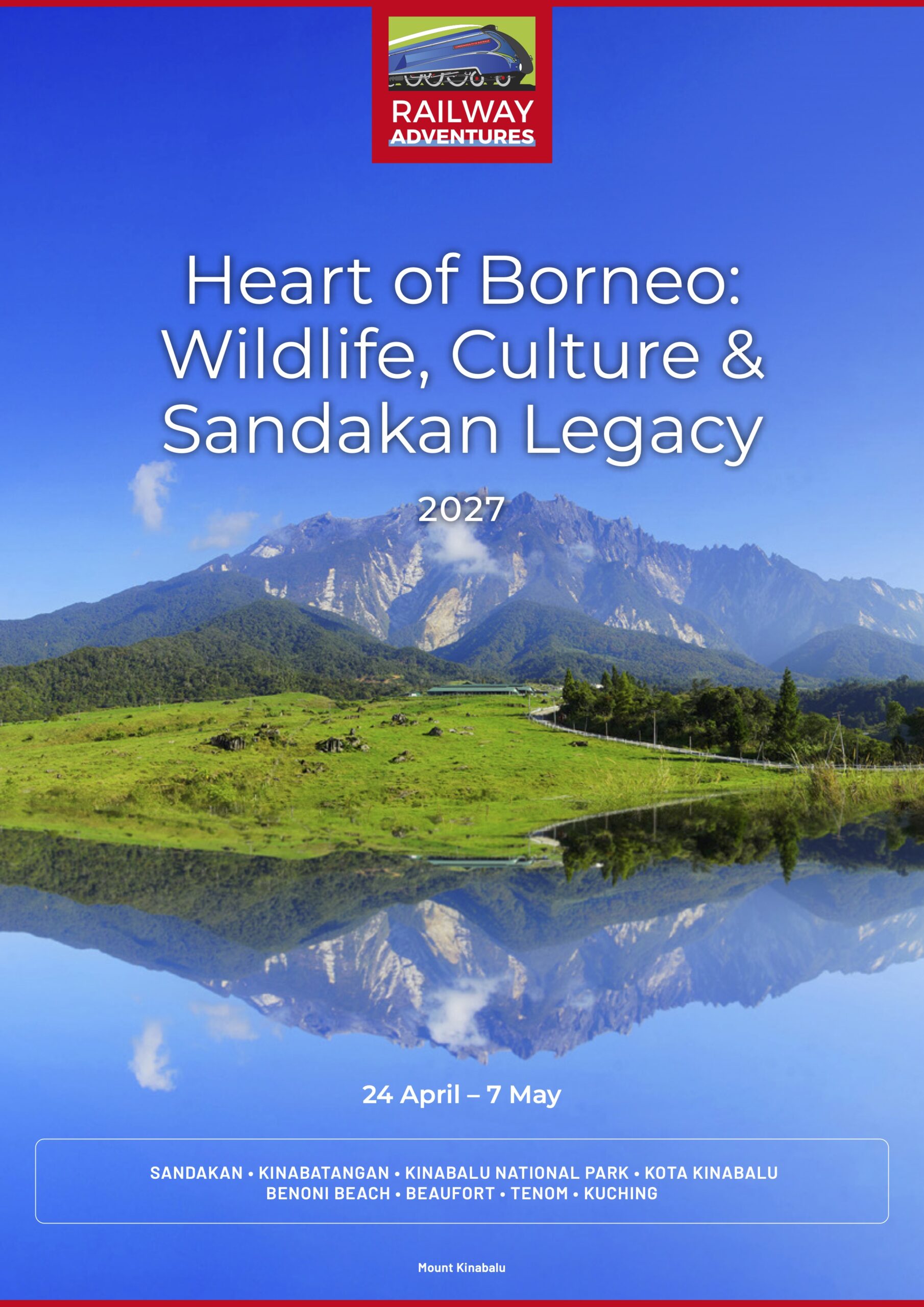
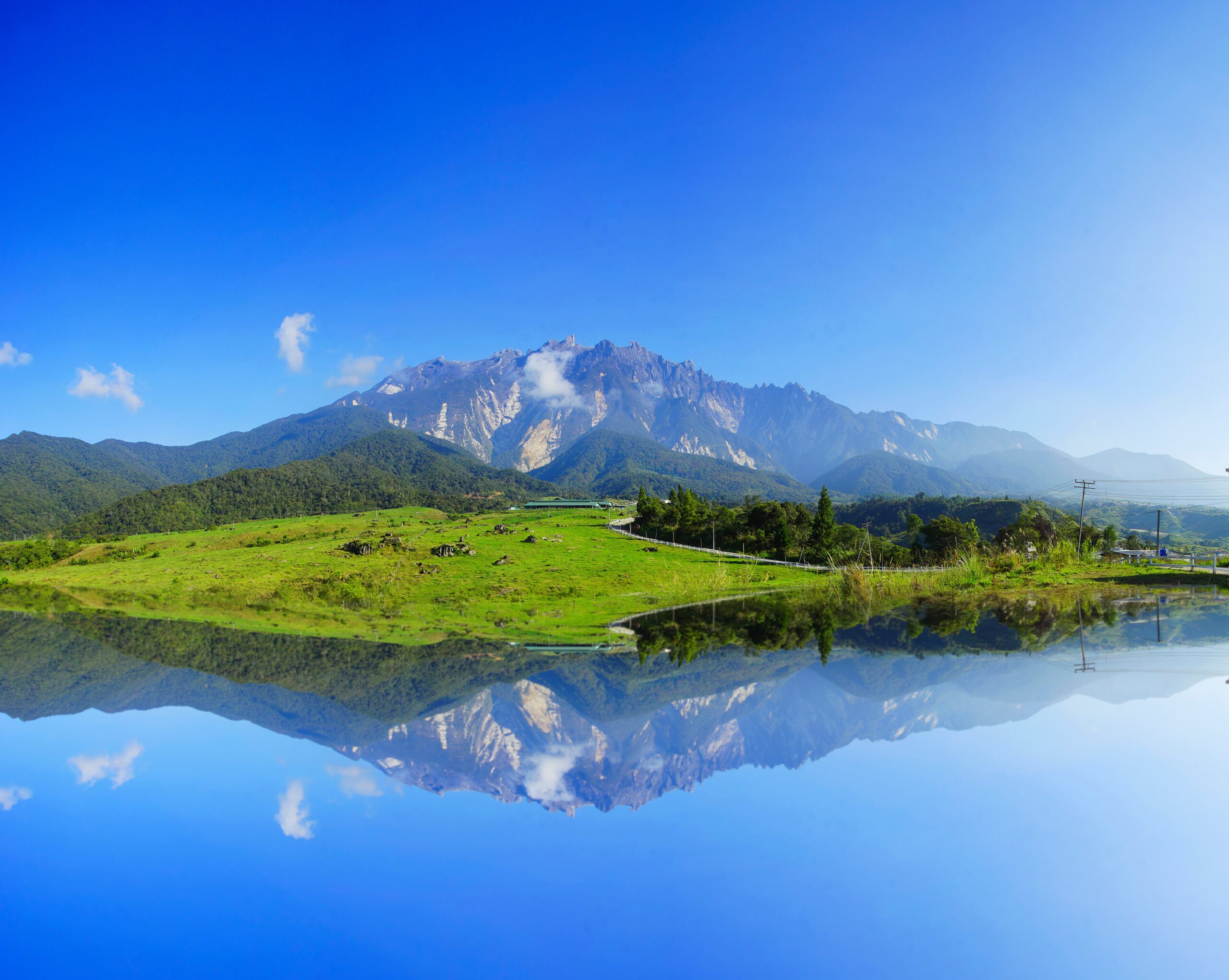
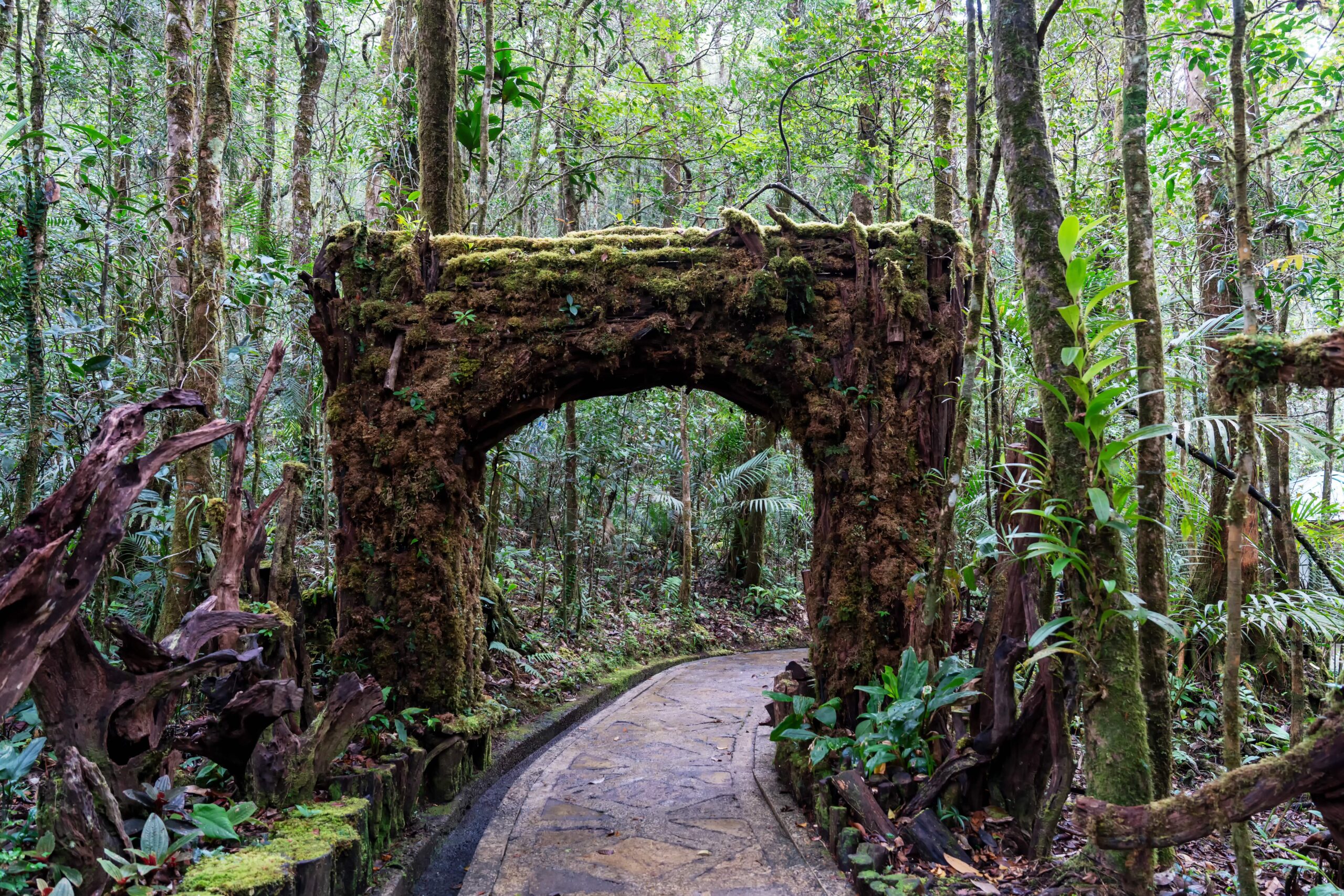
Home to Mount Kinabalu, which at 4,095 metres is the highest mountain on the island of Borneo and the highest between the Himalayas and Papua New Guinea, Kinabalu Park was established in 1964 as Malaysia’s first national park, and is Malaysia’s first World Heritage site. Designated by UNESCO in 2000 for its “outstanding universal values” and its role as one of the most important biological sites in the world, the park is home to more than 4,500 species of flora and fauna, including 326 bird and 100 mammal species.
After checking in and a quick freshen up, we’ll regroup for dinner at a nearby local restaurant.
Overnight: Sutera Sanctuary Lodge, Kinabalu Park (B, L, D)
Today offers a chance to enjoy the fresh air and cooler climate of Kinabalu National Park, surrounded by lush forest and mountain scenery. The morning is yours at leisure to have a lazy breakfast, relax in the peaceful surroundings, or take a short hike in the forest. After lunch at leisure, we’ll regroup and enjoy a tour of the park’s unique botanical gardens with a local guide who will introduce us to the extraordinary variety of plant life found here, including orchids, ferns, and medicinal plants unique to the region.
Tonight, we’ll enjoy dinner together in the hotel restaurant.
Overnight: Sutera Sanctuary Lodge, Kinabalu Park (B, D)
This morning after breakfast and before checking out, there will be another opportunity to go for a guided walk in the national park if you’d like to do so.
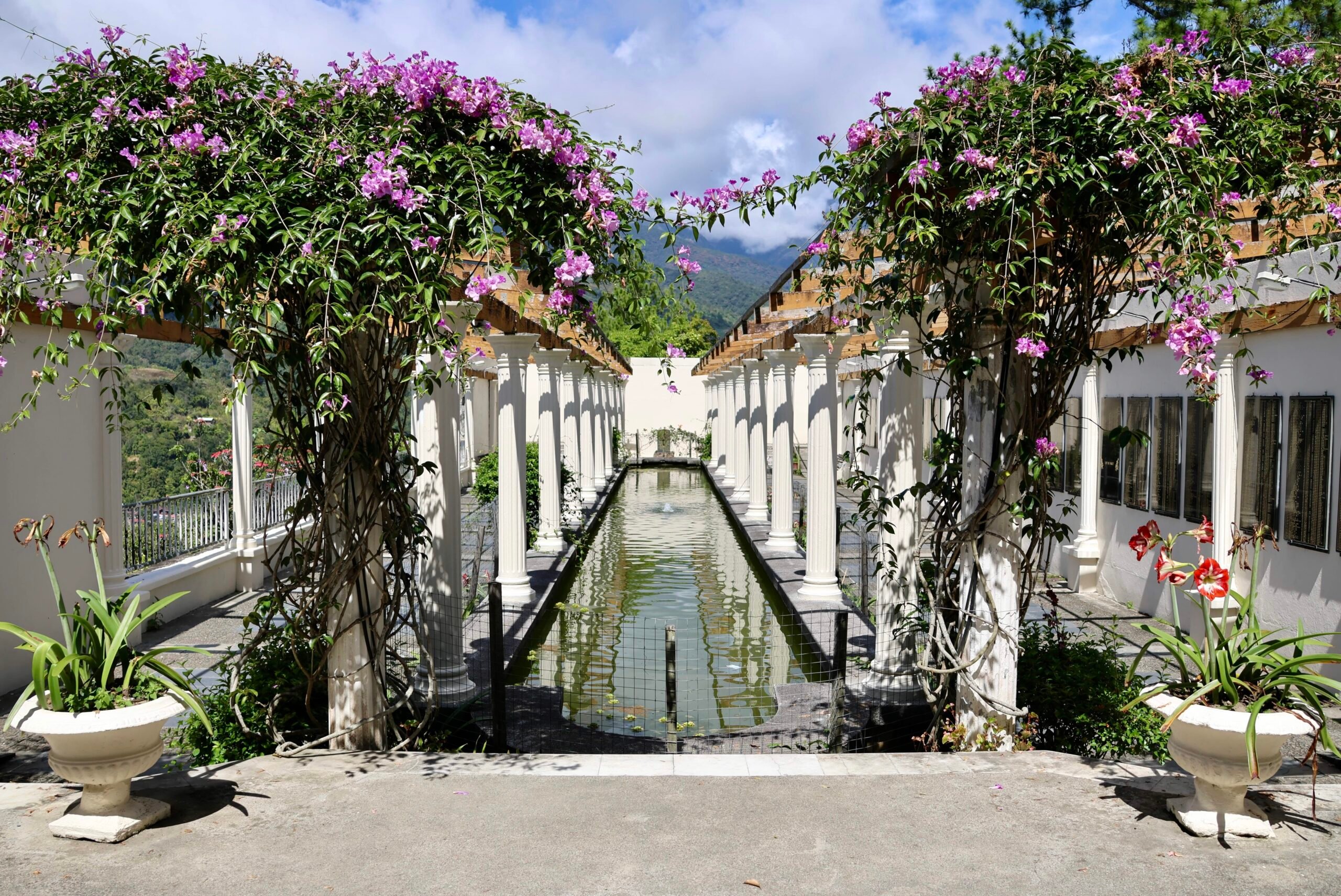
Mid morning we’ll leave the Park and journey by private coach to the bustling centre of Kota Kinabalu, the capital of Sabah enjoying a boxed picnic lunch during the trip. On the way, we’ll stop at the unique Kundasang War Memorial, dedicated to the British and Australian soldiers who died in the Sandakan POW camp and the death marches, and the suffering and sacrifice of the native population of Sabah. The memorial, opened in 1962, making it one of the earliest memorials dedicated to the Sandakan tragedy, is strikingly divided into four interconnecting areas, the Australian Garden, the English Rose Garden, the Borneo Garden (with wildflowers of Mount Kinabalu) representing the home countries of the victims, and the Contemplation Garden.
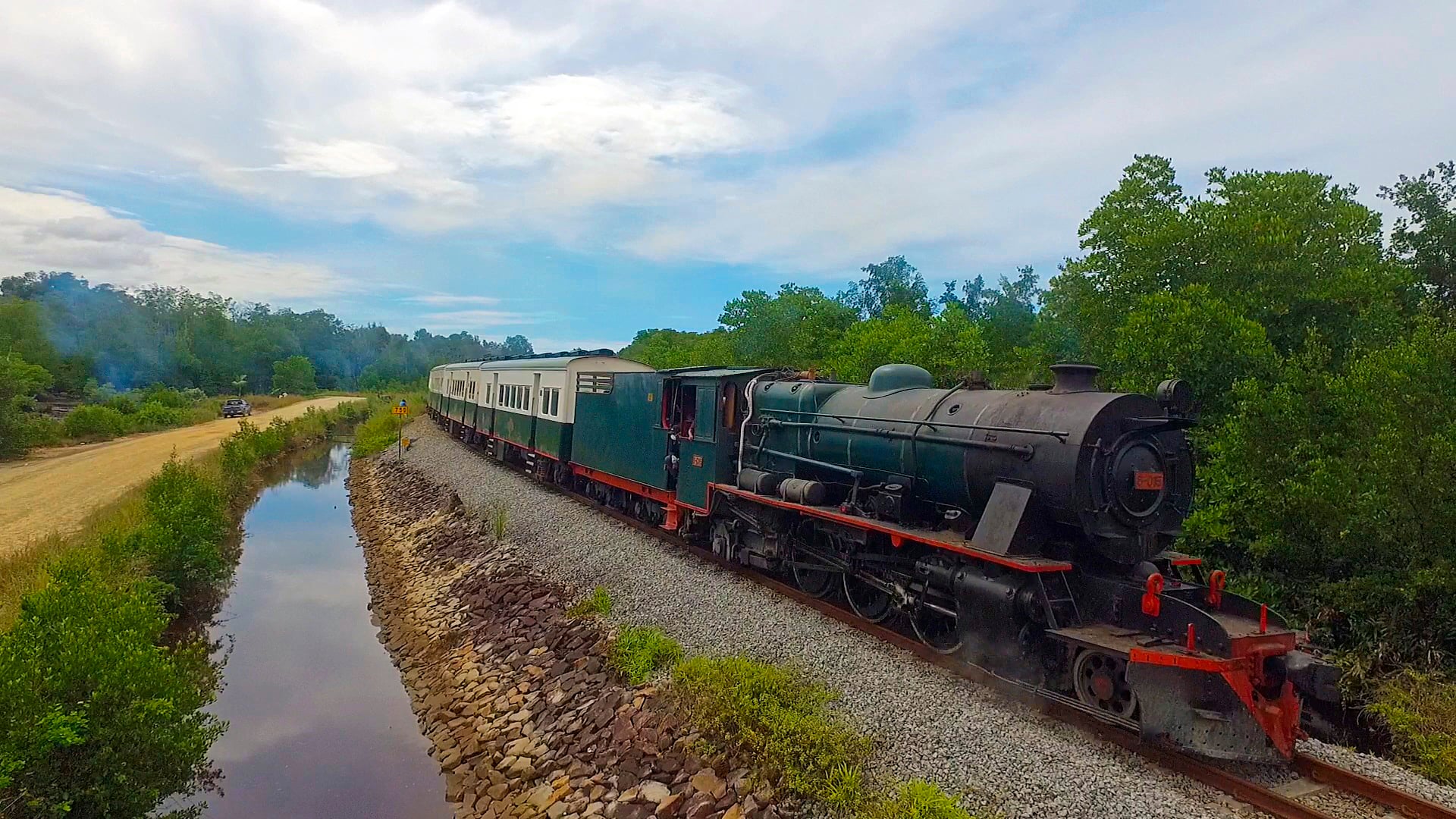
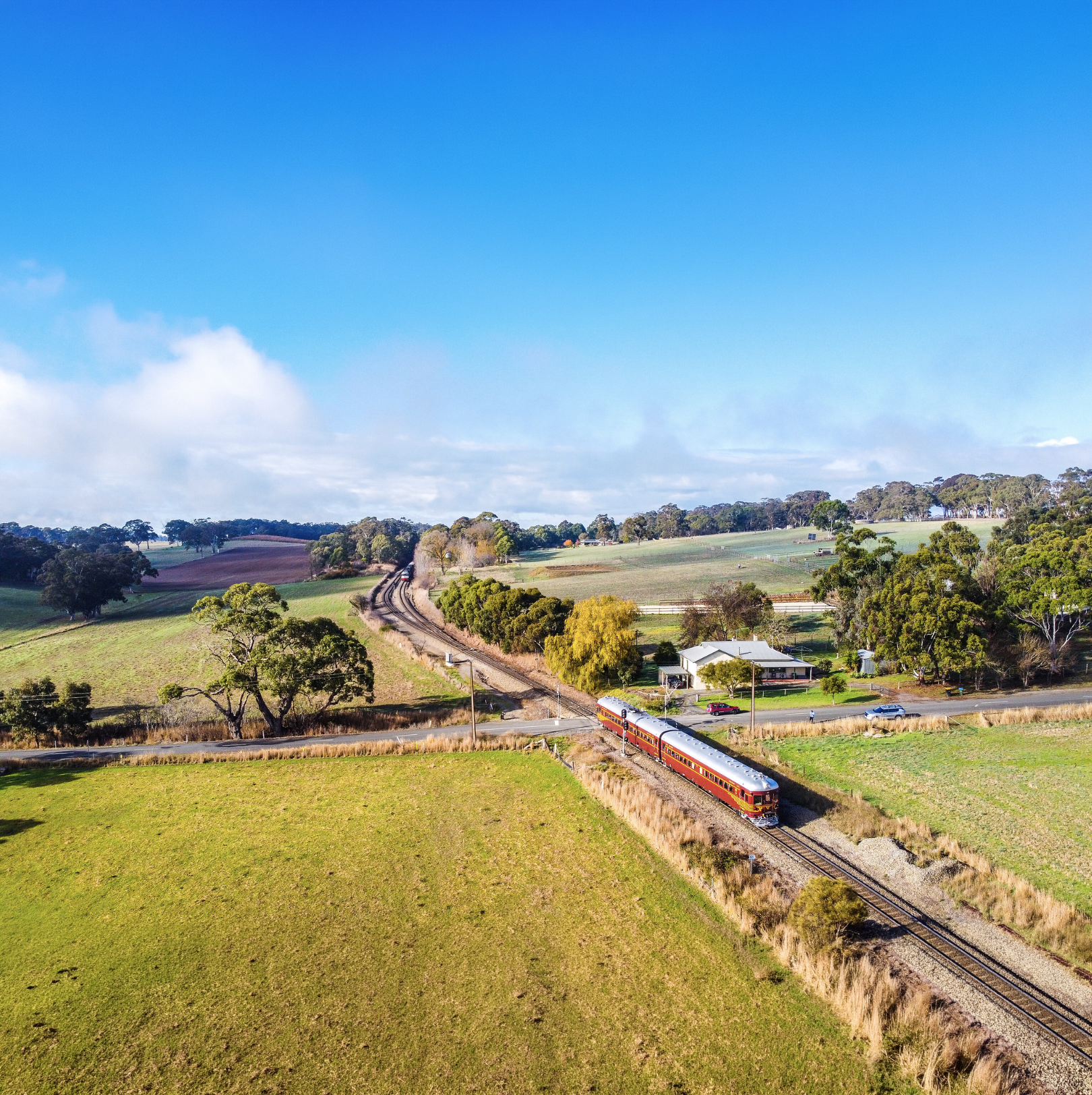
Upon our arrival in Kota Kinabalu in the early afternoon, we’ll go directly to our hotel and check in. In the mid-afternoon, we’ll regroup for a classic rail experience in Sabah, travelling in heritage-style carriages on the North Borneo Heritage Train to Benoni Beach.
As the train rolls south, watch local life unfold beyond the windows, fishermen at the water’s edge, children waving from trackside and small stations that still feel connected to an earlier era of travel. After watching the sun setting over the South China Sea, we’ll return to Kota Kinabalu, enjoying dinner on board. Friendly train crew will be on hand to share a little of the railway’s story and its place in Sabah’s development.
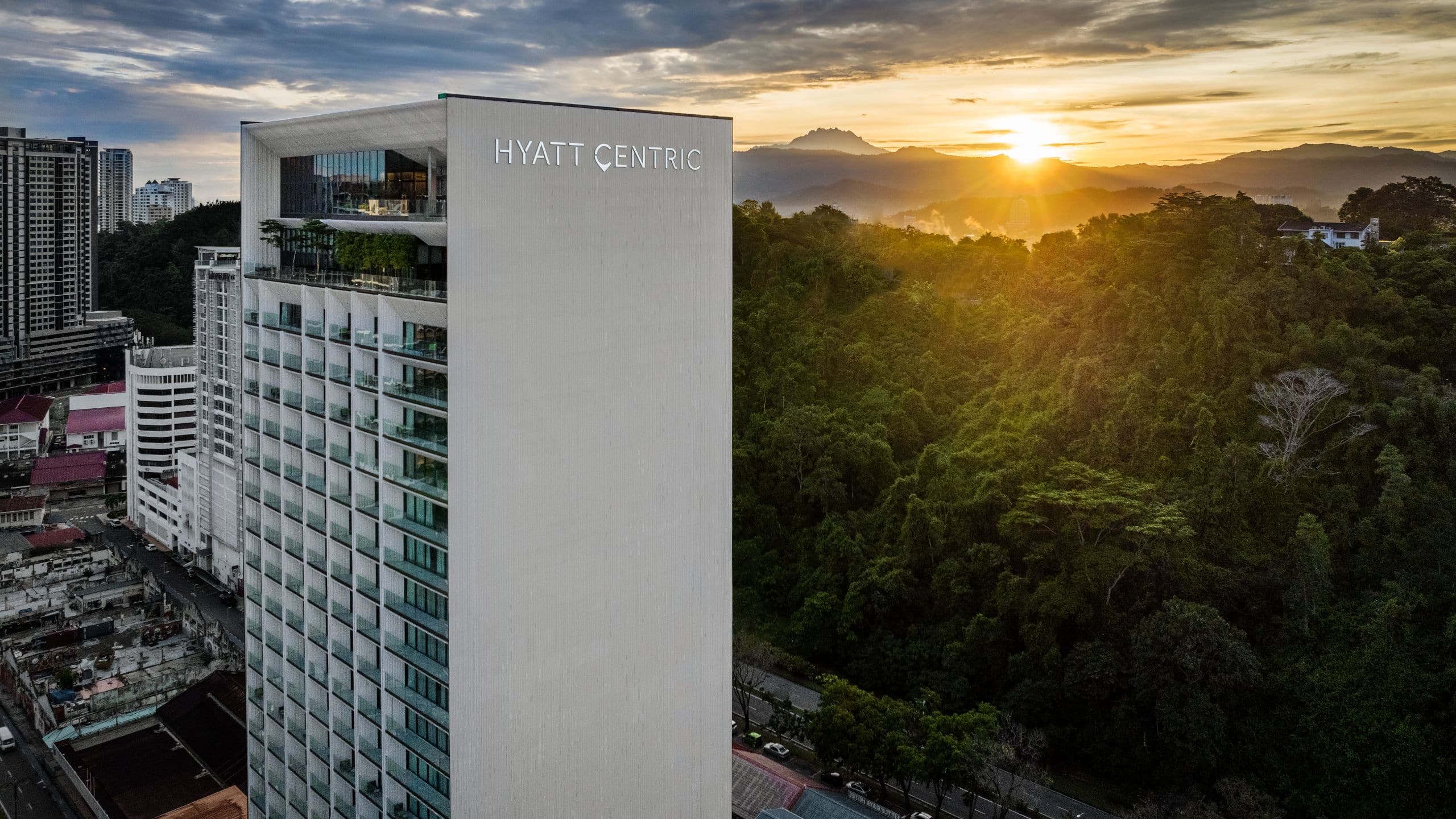
Overnight: Hyatt Centric Kinabalu, Kota Kinabalu (B, L, D)
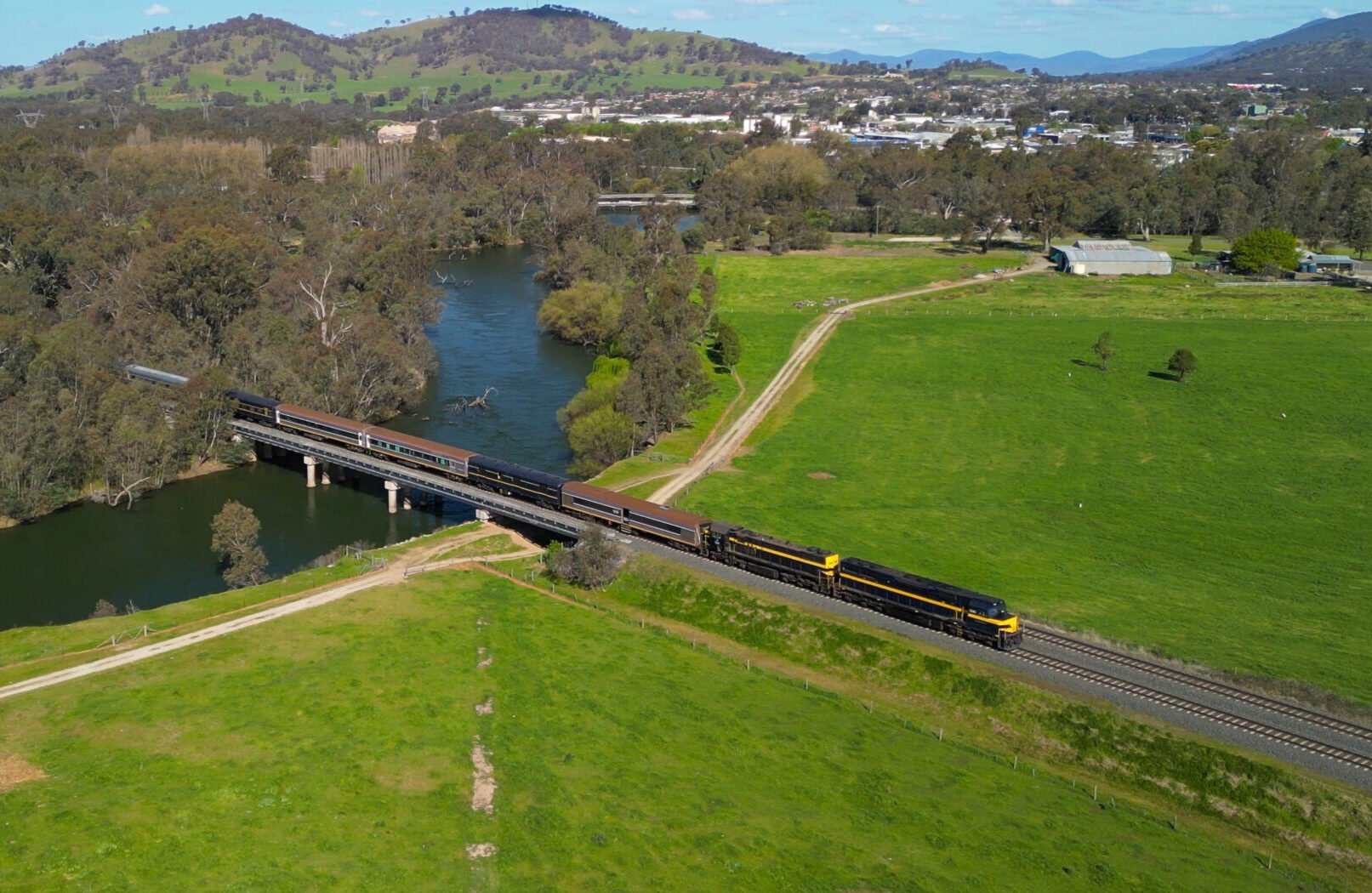
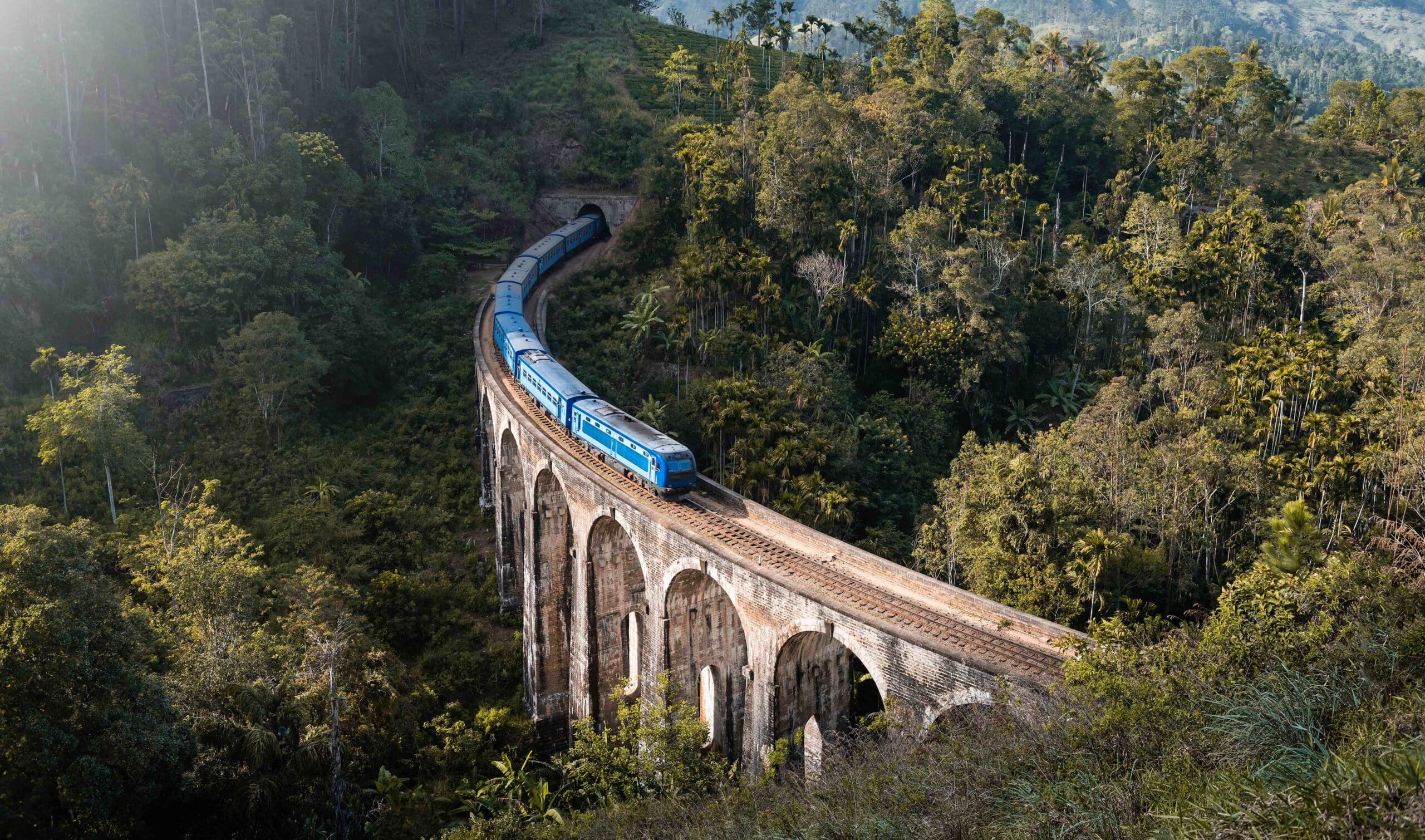
Today is devoted to a memorable journey following one of the lesser-travelled sections of the historic North Borneo Railway, Built in the late 1890s by the British North Borneo Company, which administered the territory at the time, the line was primarily built to support economic development, transporting tobacco, rubber and other agricultural goods from the interior to the coast, as well as facilitating passenger and general trade movement.
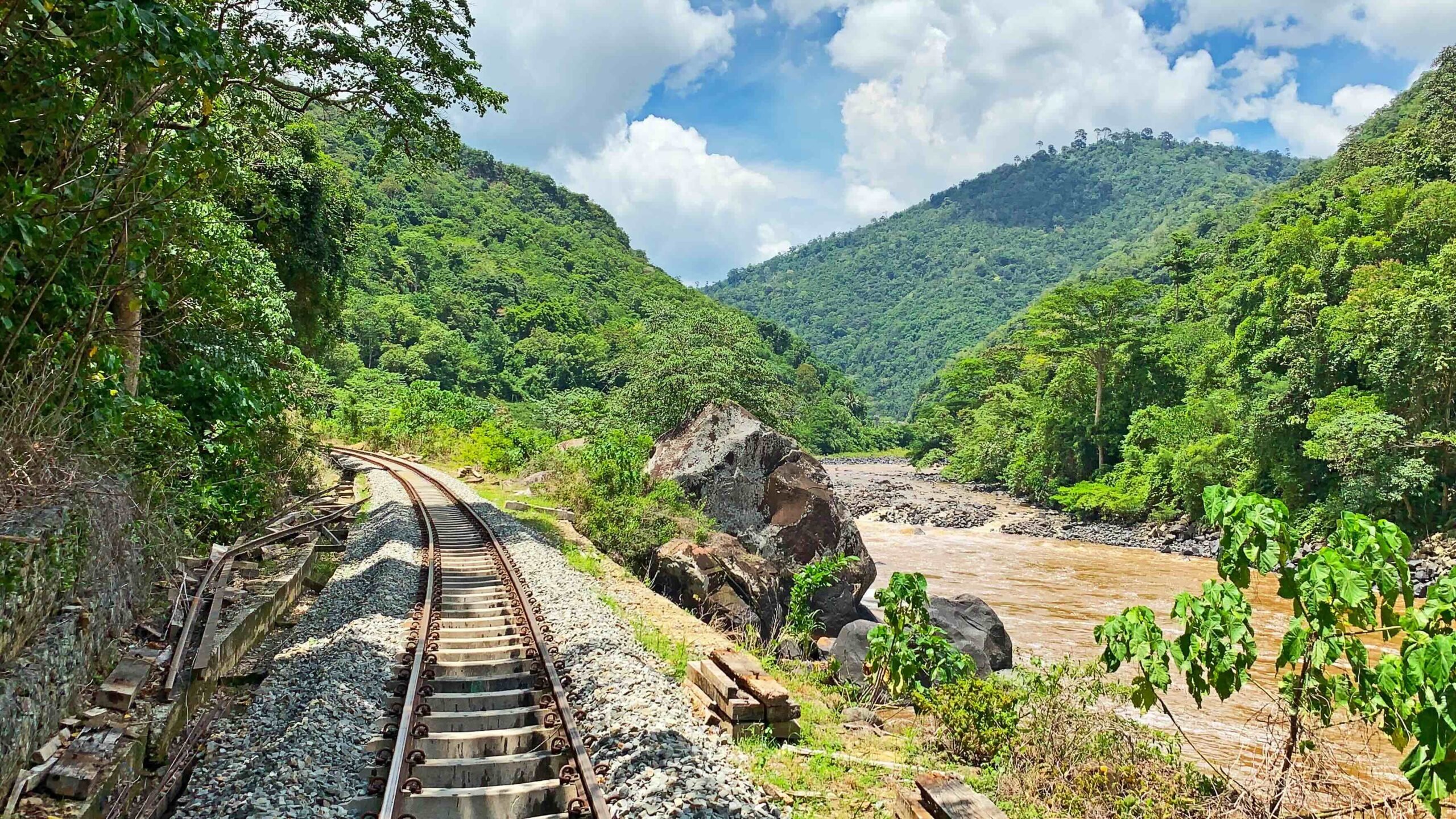
It’s an early start this morning so we’ll be collecting breakfast boxes from the hotel to enjoy on the coach journey to Beaufort, the starting point for our rail journey to Tenom. This section is widely regarded as the most spectacular section of the entire line with the tracks closely following the Padas River, Sabah’s longest river in this region, with lush tropical rainforest and jungle pressing right up to the railway on both sides. Throughout the journey, the train hugs sheer rock faces (sometimes within inches of the carriages), traverses narrow gorges, crosses several bridges, and passes through verdant valleys, rice paddies and small rural villages busy with local people going about their normal day. The overall atmosphere feels raw and immersive, a true “no filter” experience of Borneo’s interior wilderness. On arrival in Tenom, our private coach will be waiting for us to return us to Kota Kinabalu, arriving in the early afternoon.
Back in Kota Kinabalu, the rest of the afternoon is yours at leisure. You may like to visit the open exhibits at the Sabah State Museum, which currently showcases an Islamic Civilization Museum, a collection of rail-related rolling stock and artefacts from the North Borneo Chartered Company and a Heritage Village. Here you can learn about the history of the railway in Sabah.
This evening, rejoin the group for sunset drinks before dinner together at the hotel’s restaurant.
Overnight: Hyatt Centric Kinabalu, Kota Kinabalu (B,D)
This morning after breakfast and check out, you’ll visit the State Mosque, an outstanding example of modern islamic architecture, starting with its gold motif domes and the broader waterfront area bursting with markets, restaurants, and fleets of fishing boats.
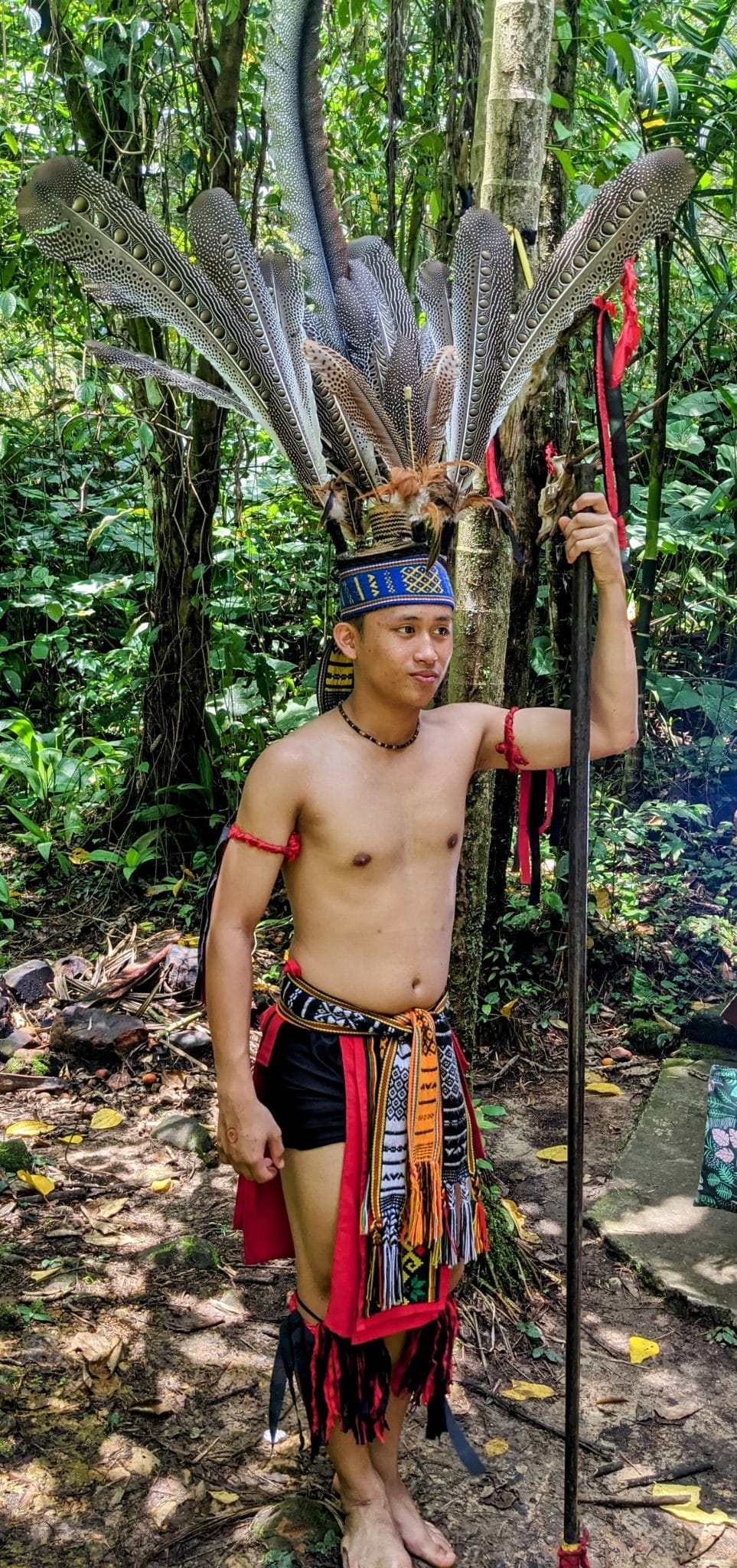
From here, we’ll explore the Mari Mari Cultural Village, a living museum where you’ll learn about the captivating traditions and customs of North East Borneo’s five main ethnic tribes. From the skilled farmers and traders of Dusun and Rungus to the resourceful hunters and fishermen of Lundayeh, the adventurous cowboys and sea gypsies of Bajau, and the legendary warrior tribe of Murut, each group contributes to the vibrant cultural tapestry of Sabah. You’ll get to explore the different types of housing, foods, social customs and warcraft, and enjoy a cultural performance before sitting down to lunch to close out our visit.
Later in the afternoon, we’ll travel to the airport for the short afternoon flight to Kuching, the capital of the state of Sarawak, often referred to as the most pleasant city in Malaysian Borneo, arriving early in the evening to check in and enjoy dinner together.
Overnight: The Waterfront Kuching, Kuching (B,L,D)
This morning after breakfast, our private coach will take us on a tour of this fascinating city to explore its history. Our first stop is Batu Lintang, the site of the former World War II Japanese internment camp. At its peak, this camp housed over 2,000 prisoners including Australians, British and local civilians, under unbelievably harsh and oppressive conditions.
We’ll then continue with a short city tour of some of Kuching’s key landmarks, including the City Mosque, one of the oldest locations for Islamic worship in Kuching, with the site dating back to the 1840s; the covered lanes of India Street, a bustling trading hub lined with fabric shops, spice stalls and local eateries; and the city’s quirky Cat Monument, a light-hearted homage to the derivation of the city’s name, Kuching means “cat” in Malay.
Next, we’ll drive the short distance to Fort Margherita, built in 1879 by Charles Brooke, the second White Rajah of Sarawak, to guard the river approaches to Kuching. Within the fort, the Brooke Gallery charts the fascinating history of the Brooke dynasty, the so-called ‘White Rajahs’ who ruled Sarawak for over a century.
After lunch at a nearby café, we’ll continue our exploration of Sarawak’s fascinating history with a visit to the Ranee Museum, located in the Old Courthouse complex. Here, you’ll get up close with a more personal view of Sarawak’s royal past through the story of Margaret Brooke, the consort of Charles the second Rajah.
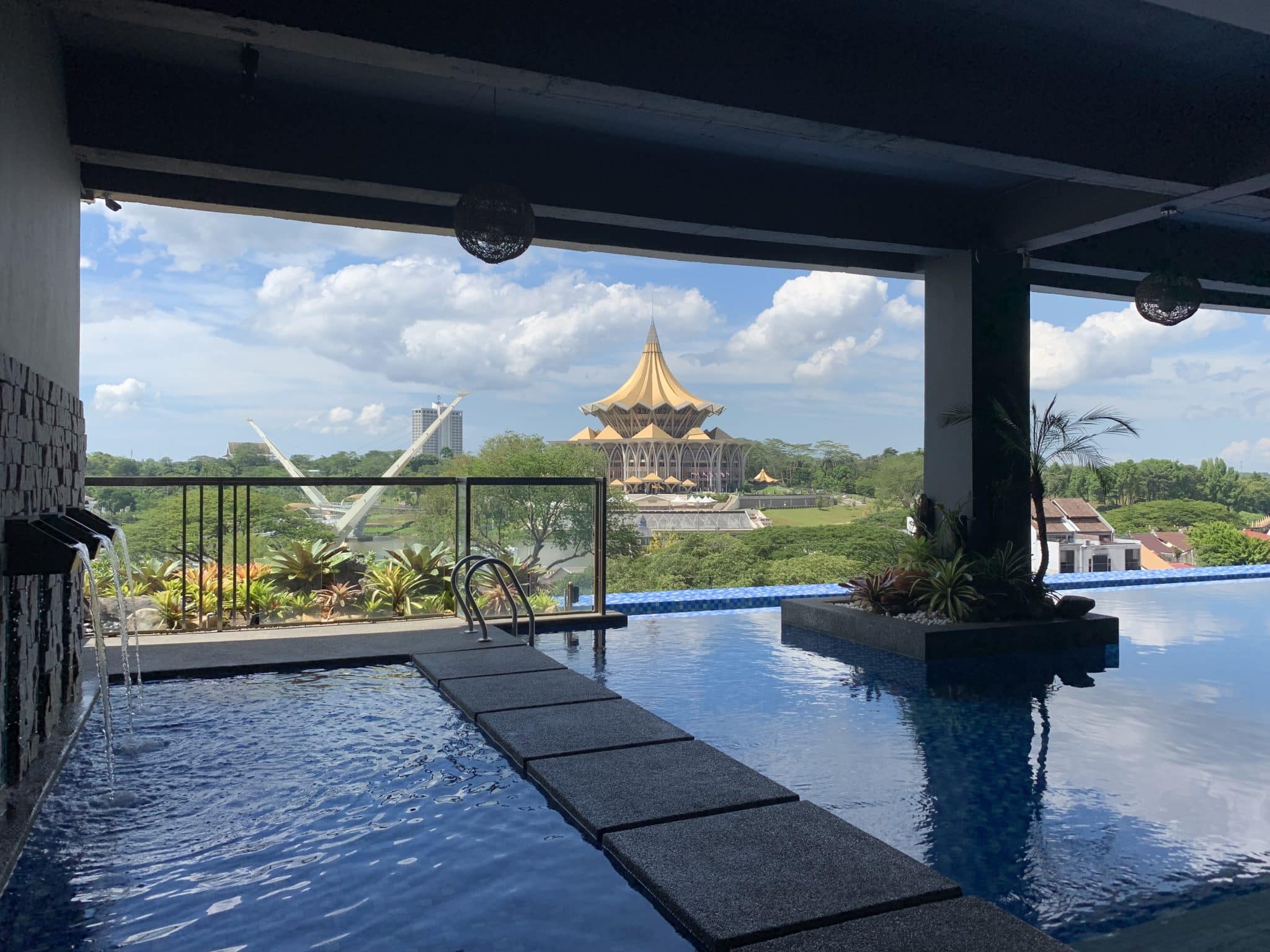
After some free time to relax back at the hotel (or continue exploring on your own), we’ll regroup for a sunset cruise on the Sarawak River, taking in views of riverside villages, mosques, the Astana and the golden-domed parliament building as the city begins to glow in the evening light.
The rest of the evening is at leisure, with a wide range of restaurants nearby for those wishing to sample local specialities such as Sarawak Laksa and Kolok Mee.
Overnight: The Waterfront Kuching, Kuching (B, L)
This morning after breakfast, anyone interested in seeing more marvellous Orangutans will enjoy a drive to the Semenggoh Wildlife Centre, one of the best places in Borneo to observe semi-wild orangutans in their natural forest habitat. Established in 1975, the centre began as a rehabilitation facility for injured and orphaned orangutans. Today, it’s home to a colony of free-ranging individuals who have been successfully reintroduced into the forest reserve. During the scheduled feeding time, there is a good chance of seeing these remarkable primates up close as they emerge from the forest canopy.
After returning to the hotel, enjoy lunch at leisure before an afternoon visit to the Borneo Cultures Museum. Opened in 2022, this striking contemporary building is the largest museum in Malaysia and one of the finest in Southeast Asia. Spread across five floors, its exhibits highlight the diverse cultural and ethnic heritage of Sarawak, with interactive displays on traditional rituals, community life, and indigenous art and architecture.
Back at the hotel, there’ll be time to relax and refresh before regrouping for dinner at a local restaurant.
Overnight: The Waterfront Hotel, Kuching (B, D)
Enjoy a lazy morning today before a visit to the Tun Jugah Foundation, an organisation dedicated to preserving and promoting the cultural heritage of the Iban people, particularly their renowned pua kumbu weaving tradition. Founded in 1985, the foundation houses a remarkable collection of handwoven textiles, looms, and oral histories, and plays a vital role in sustaining this intricate art form in the face of modernisation. During our visit, we’ll gain insight into the symbolic patterns and techniques that define Iban weaving, and the important role it continues to play in Sarawak’s cultural identity.
After lunch at a nearby local restaurant, the afternoon is yours to relax or explore the city’s shops and galleries at your own pace.
Our celebratory farewell dinner tonight will be on the waterfront, where you’ll have a box seat for the fountain light show that plays out on the river against the backdrop of the extraordinary parliament building. Drinks are on us tonight!
Overnight: The Waterfront Hotel, Kuching (B,L,D)
Our Borneo adventure comes to an end after breakfast this morning. You’ll be taken to the airport for your flight home or onward to more adventures.
(B)
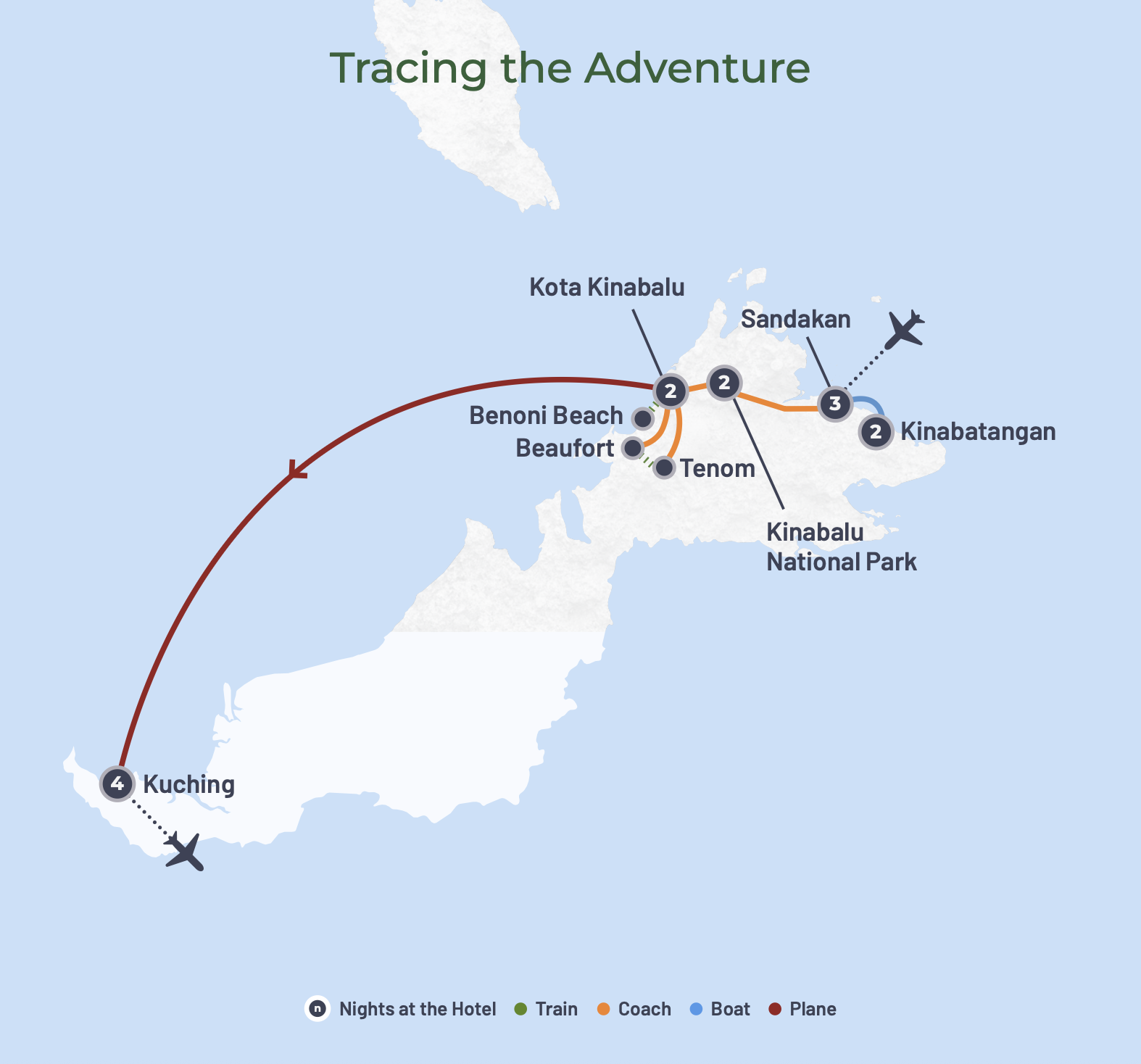

13 nights’ accommodation in the highest quality hotels available
Breakfast daily, 9 lunches, and 11 dinners
Drinks included with welcome and farewell dinners
Privately chartered coach with luggage transport throughout the tour
English-speaking guides throughout
Airport transfers on arrival and departure
All excursions and entrance fees to attractions, as listed in the itinerary
Internal flights from Kota Kinabalu to Kuching as listed in the itinerary, with up to 15 Kilo allowance.
Tipping and gratuities for all service staff and guide

Travel to and from Borneo
Meals and services not provided in the itinerary
All other personal expenses, such as drinks, phone calls, laundry services, and camera fees where applicable
Excursions listed as optional and extra in the itinerary
Travel Insurance (a condition of travel)