21
Feb
2027
16 Days

Welcome to an unforgettable journey along the fabled Silk Road, an ancient trade route that has connected East and West for centuries. This fully-escorted 27-day adventure will have you traversing the vast steppes, deserts, mountains, cities and towns of all five “Stans” in Central Asia - a once in a lifetime experience! Immerse yourself in exotic Samarkand, the ancient cities of Bukhara and Khiva, the bustling animal market in Karakol, and marvel at the stunning mountain scenery, often likened to that of the Swiss Alps. Explore ancient fortresses, mosques, and mausoleums, many of which are UNESCO World Heritage Sites. Journey through the mountainous and nomadic Kyrgyzstan and Tajikistan, be intrigued by quirky Turkmenistan with futuristic architecture, stay in a nomadic yurt at Issyk Kul lake and be spellbound by the jewel in the crown of the Silk Road - Uzbekistan. This is more than a trip - it's a gateway to a world where East meets West. Secure your seat today and let the rails carry you to the soul of Central Asia!

Kosh kelingiz! Welcome to Kyrgyzstan!
To accommodate tricky flight schedules, check in to your room is available at our tour hotel from 2:00pm on Tuesday, 25th August.
Whether you arrive on Tuesday 25th or Wednesday 26th, you will be met at the airport and transferred to the hotel.
Our tour starts at 6:00pm tonight with a welcome briefing in the hotel followed by a welcome dinner to get to know your tour leader and fellow travellers and hear about what is ahead. Drinks are on us tonight!
If you’d like to arrive in Bishkek earlier, or would like assistance with your flight bookings, please contact our office on 1300 800 977.
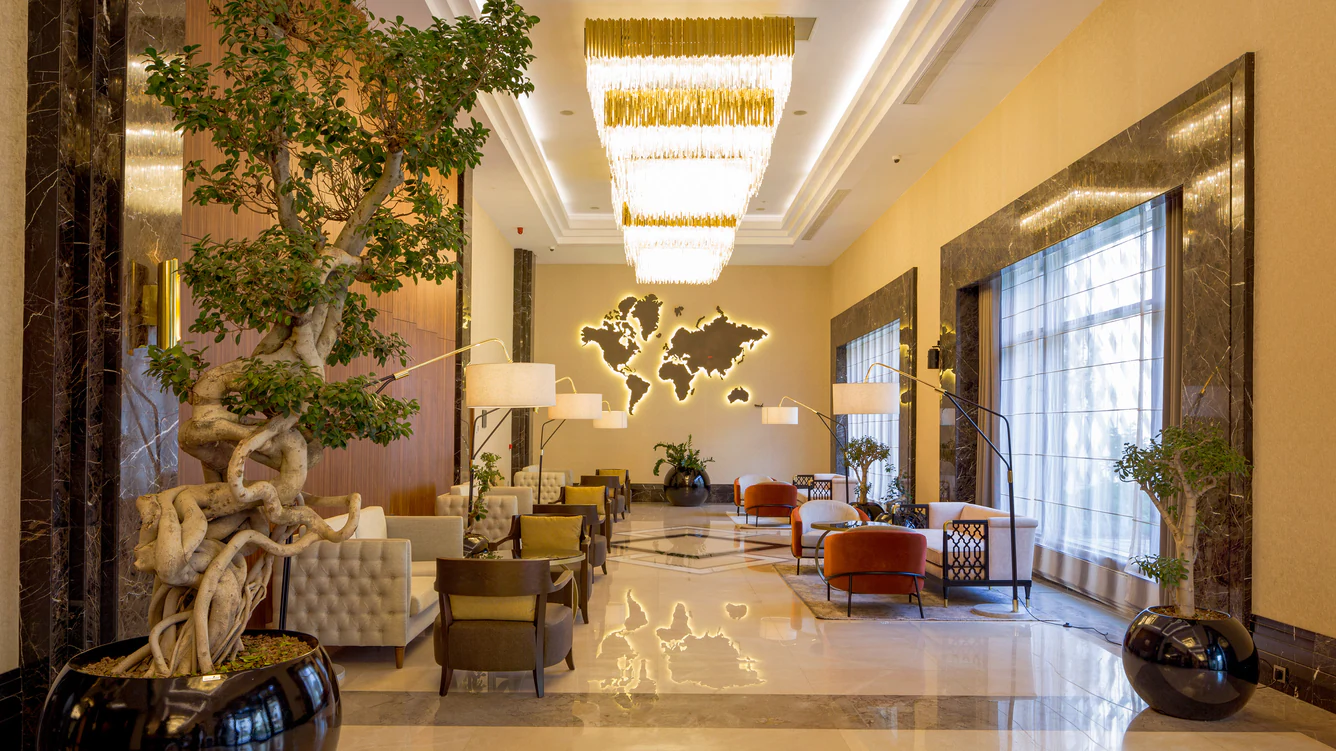
Overnight: The Sheraton, Bishkek (B, D)
This morning after breakfast, we’ll immerse ourselves in the vibrant sights and sounds of Osh Bazaar, a lively hub brimming with local colour, fresh produce and traditional handicrafts, before continuing on to the breathtaking Ala-Archa National Park, where soaring peaks and alpine scenery await.
After enjoying lunch at a local restaurant, we’ll embark on a city tour of Kyrgyzstan’s capital, considered one of the “greenest” capitals in the world. We’ll visit Ala-too Square (known as Lenin Square in Soviet times), Dubovy Park with its open air museum of sculptures, open-air cafes and lush, and the majestic old oak trees along Freedom Avenue. We’ll marvel at some of Bishkek’s infamous Soviet architecture at the Kyrgyz National Museum of Fine Arts and Kyrgyz National Philharmonic buildings. Then it’s on to Bishkek’s State History Museum, formerly known as Lenin Museum and a fine example of neo brutalist architecture.
Return to your hotel for an evening at leisure.
Overnight: The Sheraton, Bishkek (B, L)
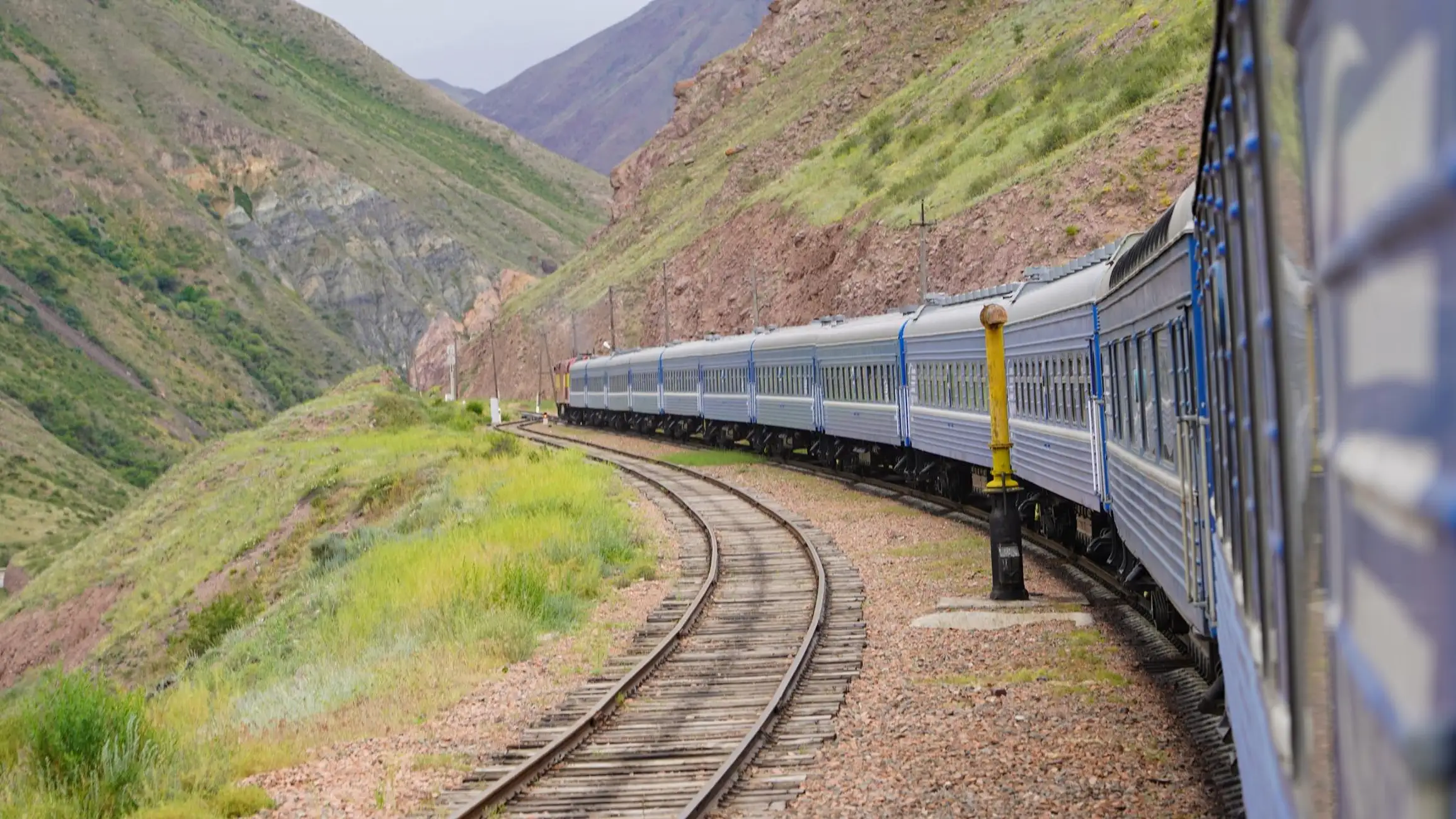
This morning after breakfast and check out, a treat is in store for rail lovers/travellers. We’ll transfer to the 1930s built Bishkek train station and board the newly-built scenic train to Balykchy on Lake Issyk Kul – the only rail line in the country. Travelling in high comfort through impressive mountain scenery, you’ll enjoy panoramic views from your VIP carriage windows. Upon arrival around noon, we’ll enjoy lunch at a local cafe.
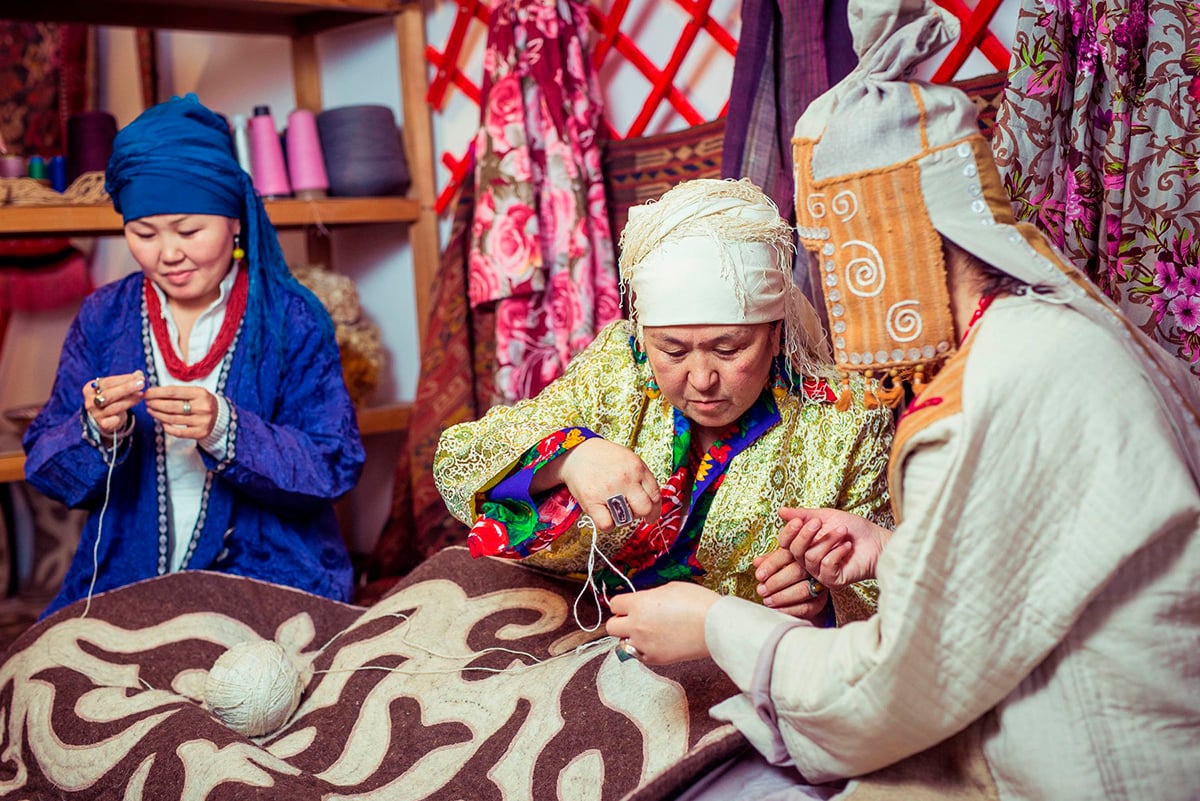
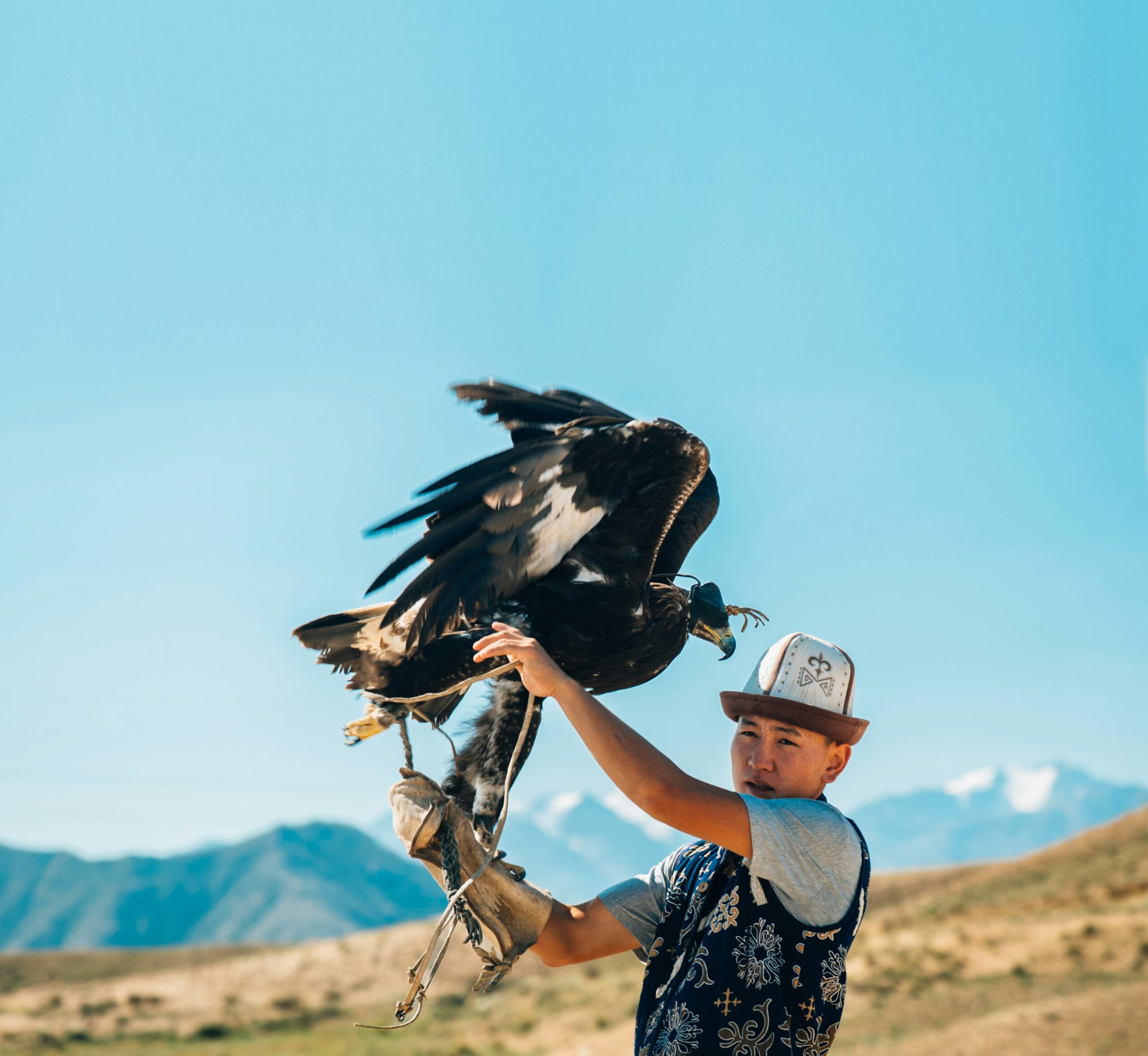
After lunch we’ll board our private coach for the onward journey to the village of Bokonbaevo to visit a felt-making workshop and meet a local eagle trainer to discover the ancient principles of training these beautiful creatures. Kyrgyzstan is one of the homelands of falconry and the tradition of hunting with large birds of prey, mainly golden eagles, dates back to the Mongol conquest in the 12th and 13th centuries.
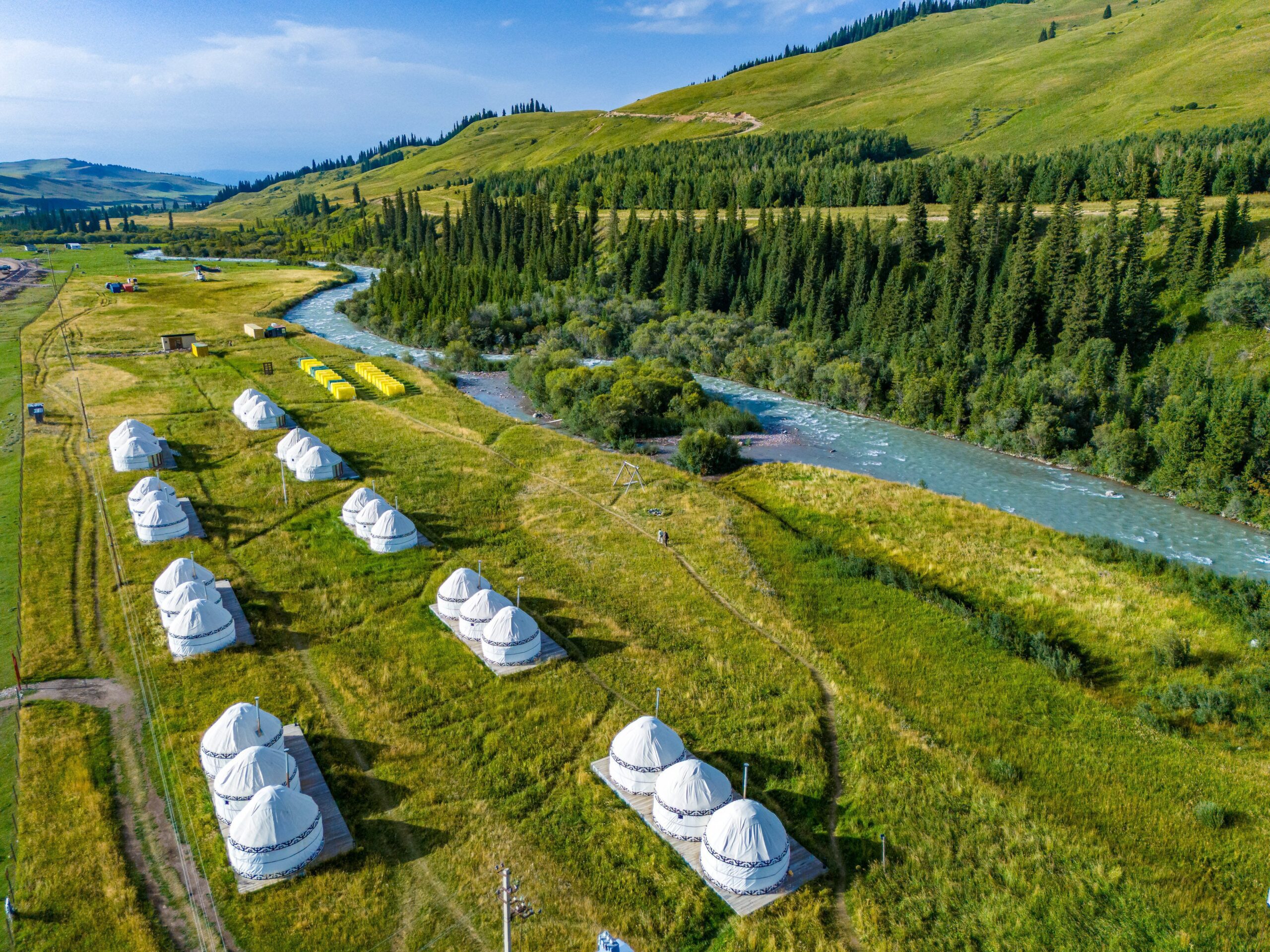
It’s then on to Tosor and our Yurt Camp on the shores of the lake. Yurts are portable, round tents covered and insulated with felt and tarpaulins and are traditional dwellings used by nomadic groups on the steppes of Kyrgyzstan and mountains of Central Asia. Our camp offers private facilities to each yurt.
We’ll enjoy a memorable dinner in the yurt camp this evening.
Overnight: Oimo Tash Yurt Camp, Issyk-Kul Lake (B, L, D)
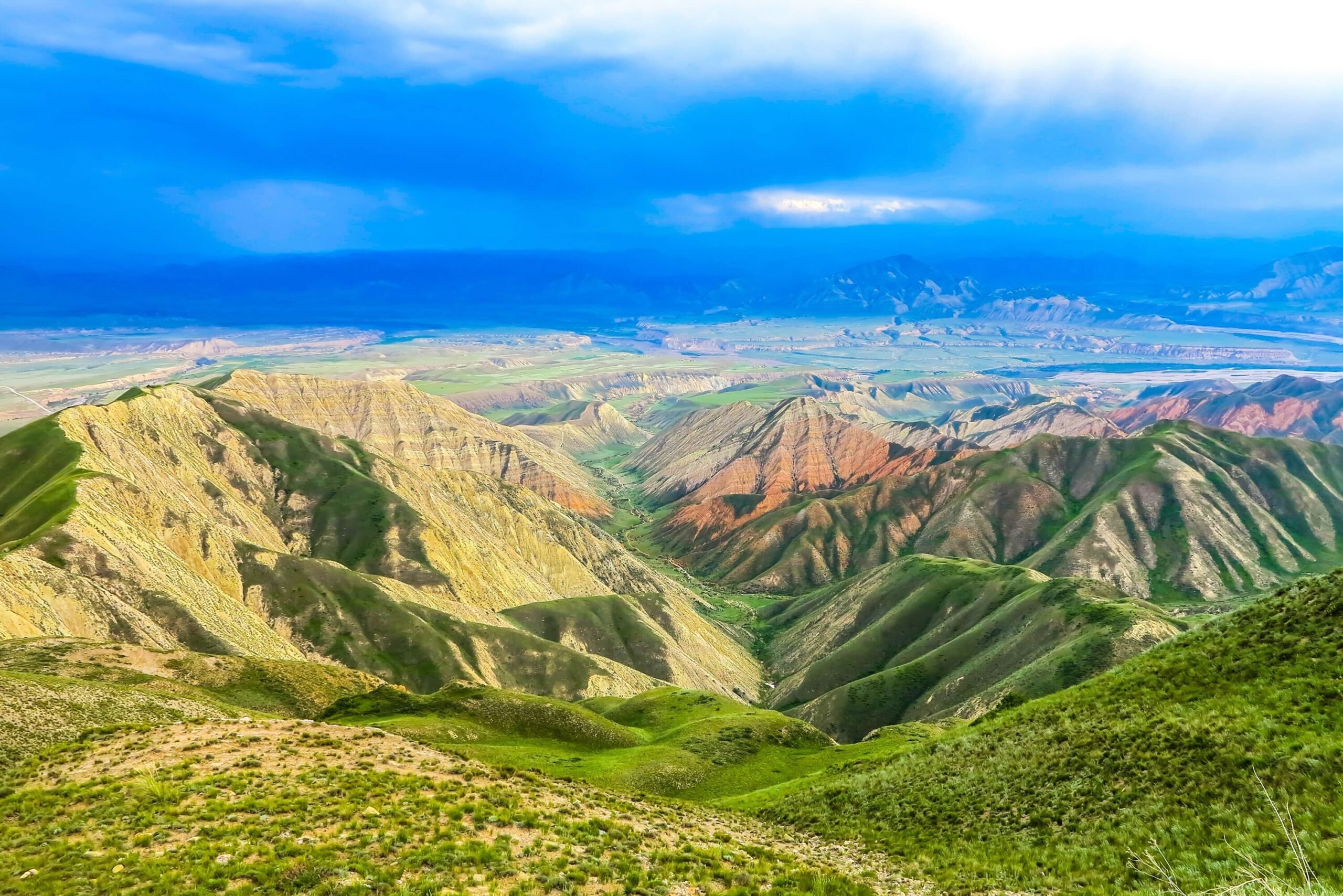
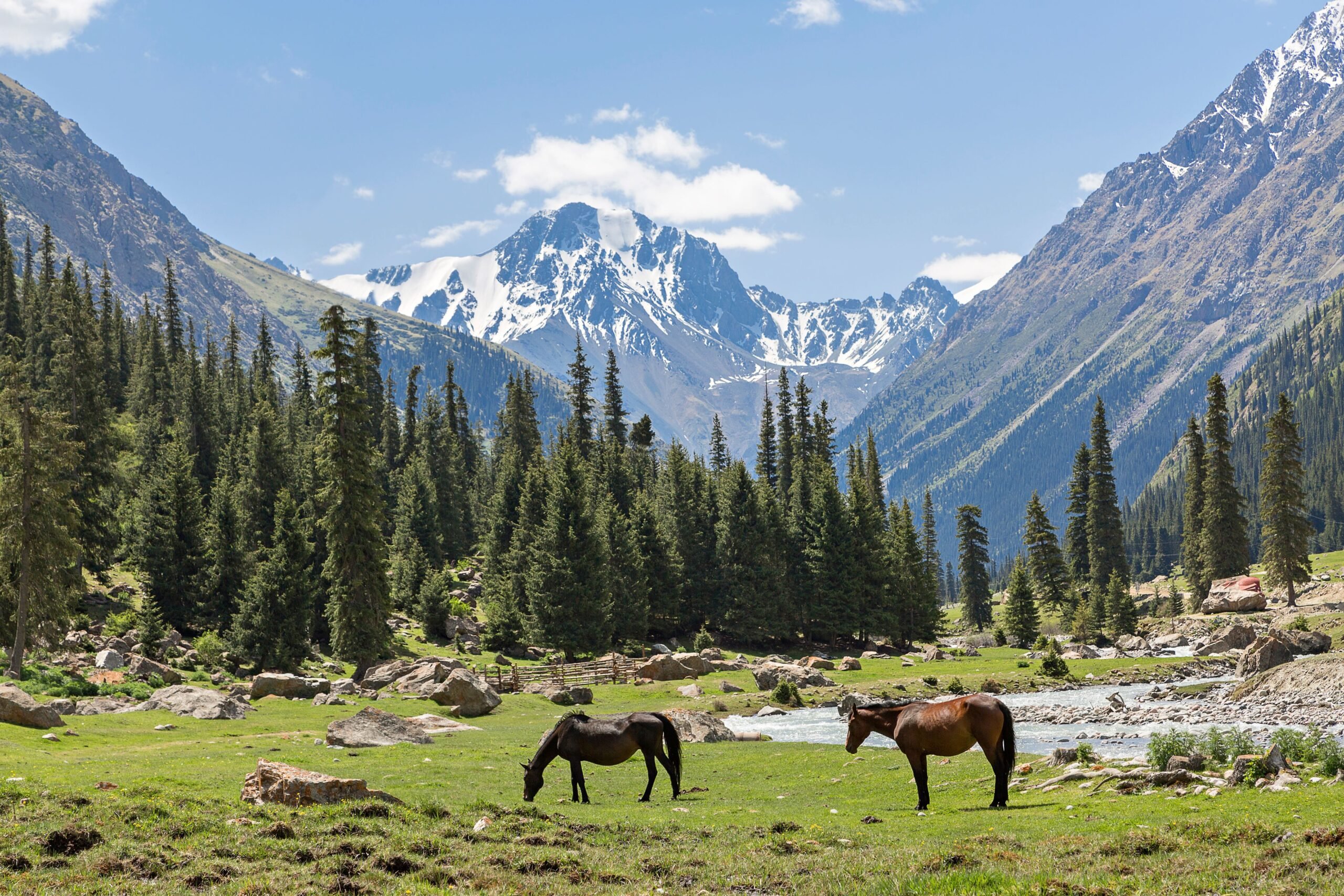
After breakfast and check out, we’ll travel along the magnificently scenic southern shore of Issyk Kul, the second largest alpine lake in the world after Lake Titicaca in South America. Along the way, we’ll visit the red sandstone spires of the Skazka Canyon, commonly known as Fairy Tale Canyon; Barskoon valley, one of the most magnificent valleys in Kyrgyzstan with high mountains, waterfalls and thick spruce forests; and the picturesque Jety Oguz Valley, recognisable for its iconic red rock hill formations known as the ‘Seven Bulls’.
We’ll pause to enjoy lunch with a local family in Barskoon, before we continue on to the next stage of our adventure – the charming town of Karakol.
Karakol, Kyrgyzstan’s fourth largest city, was founded as a Russian military outpost in 1869, housing merchants and officers to support the then-new garrison town of Teplo Kuchenka. It grew over time with an influx of explorers mapping the peaks and valleys of the region, and Muslim Dungan’s and Chinese Uighur refugees fleeing warfare across the border in China. These days, the city is a shady grid of tree-lined streets, offering backdrops of snowy peaks contrasted against the old blue shutters and whitewashed walls of antique colonial-period houses.
After checking into our hotel, your evening is at leisure.
Overnight: Karagat Hotel, Karakol (or similar) (B, L)
This morning after an early breakfast and check out, we’ll head off together to the weekly Karakol animal market – rooted in Kyrgyzstan’s nomadic heritage tradition dating back centuries, when herders traversed the Silk Road valleys for trade, it is still the heartbeat of local life. This isn’t a petting zoo – it’s a working market pulsing with life (and the occasional chaotic energy). Thousands of Kyrgyz herders, farmers, and traders arrive by car, truck, or on foot, often with herds in tow – sometimes even transporting them in their rusting 1980s Ladas – quite a spectacle if the beast in question refuses to be pushed into the back seat! The air hums with haggling in Kyrgyz or Russian, the lowing of cattle, and the whinny of horses. It’s equal parts fascinating and intense and a wonderful place to experience Kyrgyz rural life and culture first-hand. It really feels like stepping back in time – raw, energetic, and deeply authentic, blending commerce, community, and tradition.
When we’ve had our fill of the cut and thrust of local trade, we’ll transfer to the beautiful Karkara Valley, nestled at the foothills of the Tian Shan mountain range, offering dramatic alpine scenery. The valley stretches along the Karkara River, the natural border with neighboring Kazakhstan. Here we’ll stay in a yurt camp, again with private facilities. Following check in and some lunch, be enthralled by a demonstration of Yurt installation before enjoying time to explore your surroundings, walk up and down the canyon, climb the nearest hill to admire the panoramic view, or even ride a horse or mountain bike. It’s up to you and your preferences.
Dinner tonight is at our accommodation.
Overnight: Karkyra Glamping Yurt Camp, Karkara (B, L, D)
After an early breakfast and check out, we’ll board our private vehicles for the journey across the border into Kazakhstan, travelling through spectacular mountain scenery to the magnificent natural wonder of one of Kazakhstan’s most spectacular natural wonders – the Charyn Canyon and its Valley of the Castles. While smaller than America’s Grand Canyon and Australia’s Capertee Valley canyon, it’s considered to be equally as impressive.
We’ll enjoy a picnic lunch here in the shadow of this incredible natural wonder before continuing on to Almaty, the former capital of Kazakhstan, set in the foothills of the Trans-Ili Alatau mountains. Founded in 1854 by the Russian Empire, it was named Alma-Ata (“Father of Apples”) in 1921 under Soviet rule, and renamed Almaty when the USSR dissolved in 1991. Fun fact – Almaty is the genetic home of the domestic apple – the city’s name literally means “full of apples. While a major earthquake in 1887 destroyed much of the city, it still boasts some stunning 19th century Soviet-modernist and Tsarist-era architecture, including the bright-yellow towers of Zenkov Cathedral, a tsarist-era Russian Orthodox church. Though no longer the official capital, Almaty remains the country’s economic engine and most cosmopolitan hub.
Upon arrival, we’ll go directly to our hotel and check in before enjoying dinner together at a local restaurant.
Overnight: Mercure Almaty City Center, Almaty (or similar) (B, L, D)
This morning after breakfast, we’ll embark on a sightseeing tour of Almaty starting with the Zelyony Green Bazaar, one of Almaty’s most iconic and vibrant public markets, to gain some understanding of everyday life in the city. Established in 1875 as a guest yard for travelling merchants and caravans, the bazaar quickly became a vital trading point for the region, selling everything from apples to live cattle. Today, it’s a modern iteration that preserves its oriental charm and celebrates ethnic diversity. We’ll also visit Panfilov Park dedicated to the 28 guardsmen who died defending Moscow against German tanks in WWII and the home of the Ascension, the Zenkov Cathedral, Republic Square, Abai Opera Theatre, and the Soviet era Hotel Kazakhstan.
After lunch at a traditional Kazakh restaurant, we’ll pay a visit to the Central Museum of Railway Transport of the Republic of Kazakhstan to see the personal collection of the railroader veteran Beisen Shormakov. Here, you’ll learn about the history of Kazakhstan’s railways, the Turkestan-Siberian railway and other Soviet railway projects, many of which you may be hearing about for the first time.
The rest of the afternoon and evening is at leisure. There are lots of options for exploring further such as visiting the Almaty museum or Museum of Contemporary Art – your tour leader and local guide will be only too happy to assist with ideas.
Overnight: Mercure Almaty City Center, Almaty (or similar) (B, L)
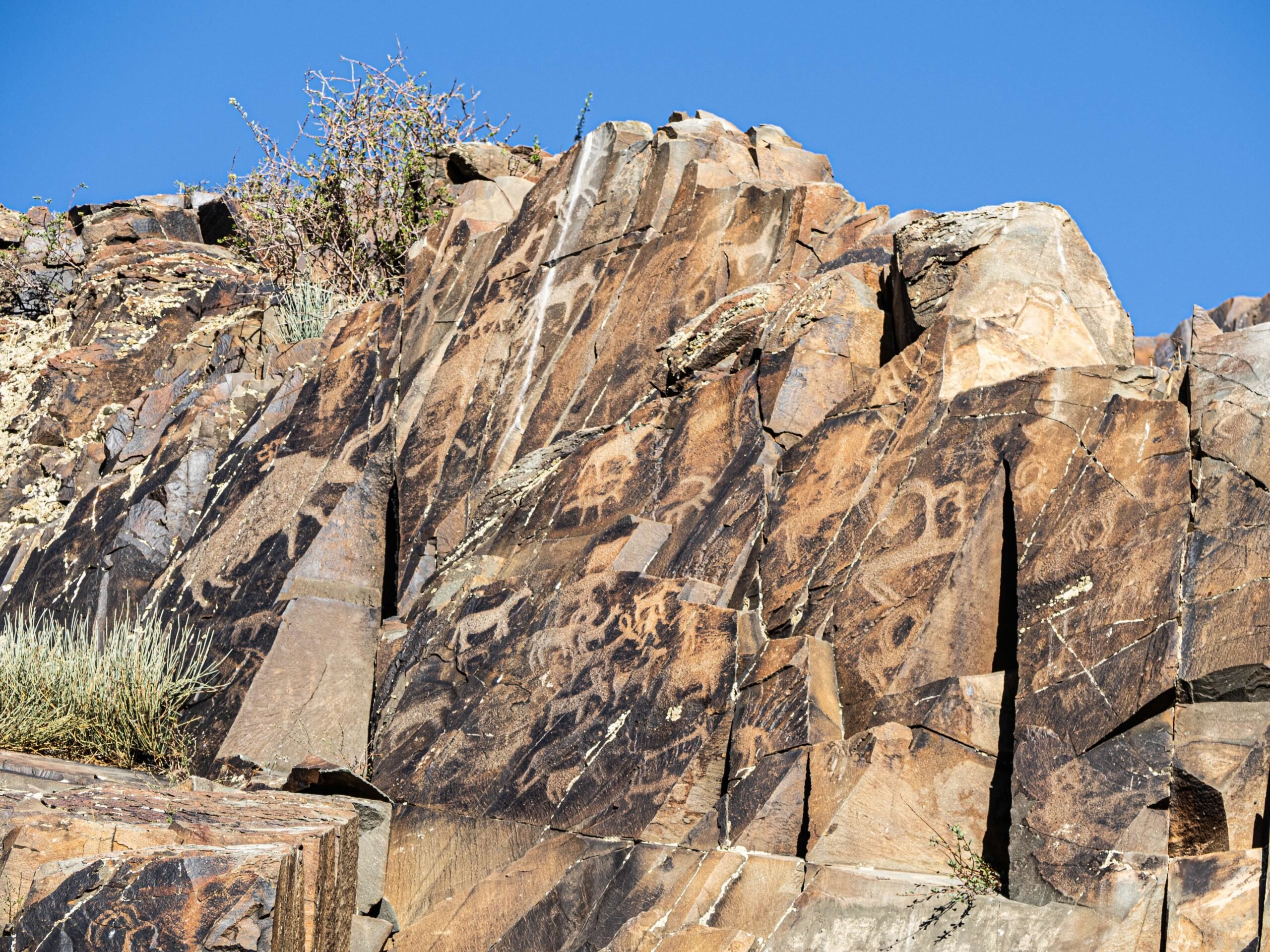
After breakfast this morning we’ll take a leisurely journey on a local train to historic Otar, enjoying a boxed lunch whilst watching the landscape unfold as mountains, valleys, and steppe pass gently by our window. On arrival, we’ll transfer to the extraordinary UNESCO World Heritage site of the Tanbaly Archaeological Complex, a vast open-air museum renowned for its exceptional collection of ancient rock art and associated archaeological features dating back to the Bronze Age, offering a captivating glimpse into the lives of early civilisations. The complex boasts over 5,000 petroglyphs distributed across 48 separate clusters, carved using stone or metal tools in a pecked technique. The rock carvings depict a wide array of subjects and archaeological evidence suggests it was not just a settlement but a hub for pastoral nomads, with artifacts revealing evolving economies based on herding, hunting, and early metallurgy.
We’ll explore the museum and marvel at the intricate carvings, each telling its own story of ritual, hunt, and daily life from centuries past. As the afternoon wanes, we’ll return to Almaty.
Dinner tonight is at our hotel.
Overnight: Mercure Almaty City Center, Almaty (or similar) (B, L, D)
This morning after breakfast and check out, we transfer to the airport for a late morning flight to Tashkent, the capital city of Uzbekistan.
Home to 7 million people, sprawling Tashkent is Central Asia’s biggest city and the place where everything in Uzbekistan and the region happens. Settled approximately 2,200 years ago, it was subsequently conquered by Arabs and became a major trade hub on the Silk Road, only to be destroyed by Genghis Khan and later rebuilt under Timur and his successors. More recently, in 1966, 60% of the city was levelled by a devastating earthquake and again, rebuilt. The result is one part newly built national capital, thick with the institutions of power, one-part leafy Soviet city, and one part quiet Uzbek town, tastefully combining medieval buildings, elegant European architecture, concrete blocks from the Soviet era, and sparkling high-rise commercial buildings made of earthquake-proof glass and concrete.
After checking into our hotel, we’ll visit the Amir Temur Museum which is dedicated to the Turco-Mongol warlord followed by Independence Square, the city’s largest park and home to the moving Monument to Independence and Humanism depicting a mother and child symbolising hope for the future; the Amir Temur Monument, a prominent bronze equestrian statue honoring Amir Temur, the 14th-century Turco-Mongol conqueror, and a symbol of national pride and historical legacy; and the Monument to Courage, Tashkent’s Memorial to the 1966 Earthquake Victims.
After some time back at the hotel to relax and freshen up, we’ll be welcomed by a local Uzbek family to enjoy dinner and be entertained in their home.
Overnight: Lotte City Hotel Tashkent Palace, Tashkent (or similar) (B, D)
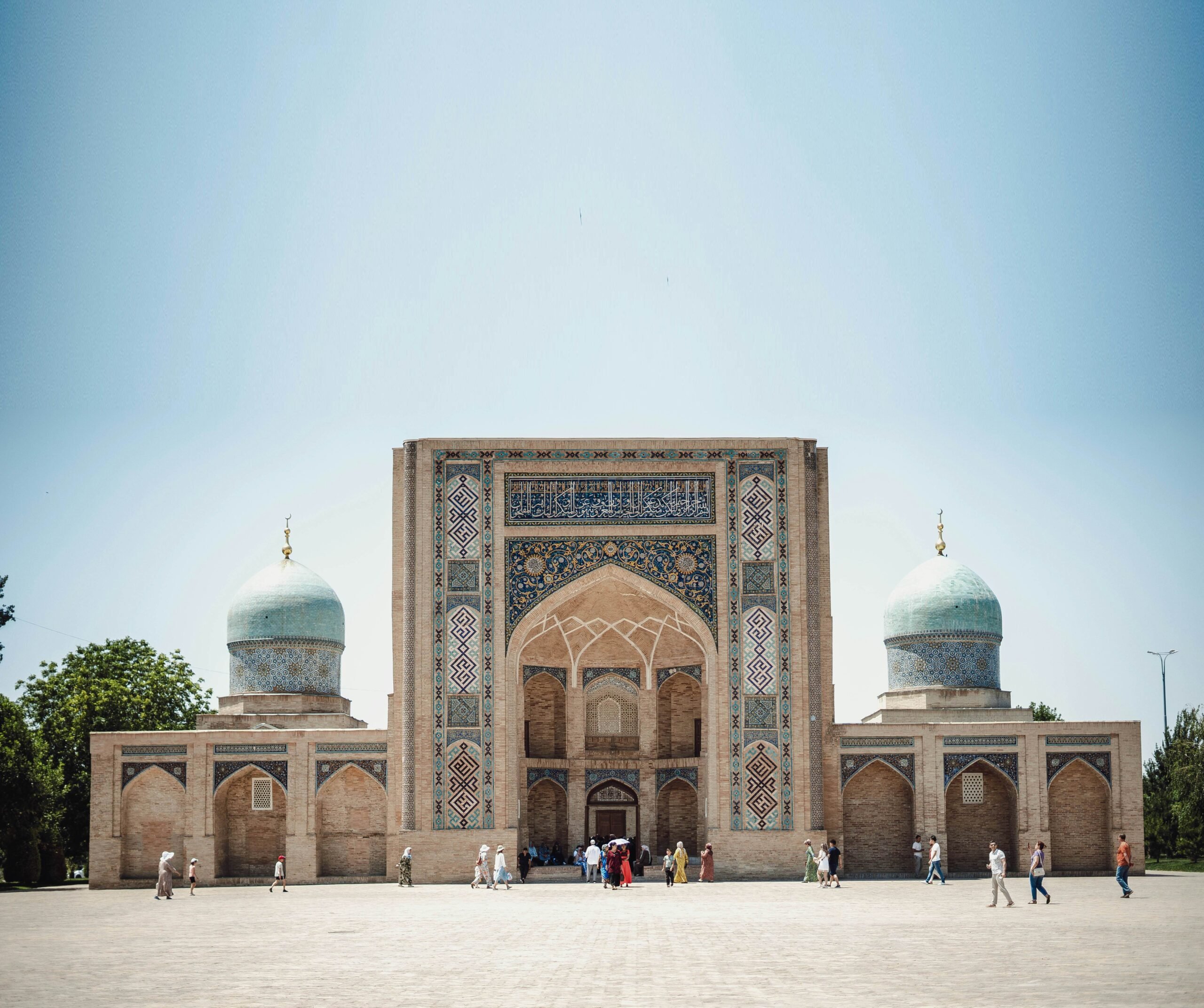
This morning, after breakfast, we’ll step back in time on a guided exploration of Old Tashkent, where ancient traditions blend with vibrant modern life with a visit to the Khast Imom complex, a living centre of Uzbek Islam and home to the revered Barak-Khan Madrasah and the elegant Tillya Seikh Mosque, before immersing yourself in the colour and bustle of the Chorsu Bazaar and the historic Kukeldash Madrasah. A highlight awaits underground as you ride the Tashkent Metro, famed for its palatial architecture and mosaic splendour. Marvel at the artistry of stations such as Kosmonavtlar, Alisher Navoi and Pushkin – each a masterpiece in its own right.
After lunch at a local eatery, we’ll make our way to the Tashkent Museum of Railway Equipment. Opened in 1989 to mark a century of Central Asian rail travel, this fascinating open-air museum showcases a remarkable collection of steam, diesel, and electric locomotives, many dating back to the Soviet golden era of the 1930s to 1950s.
The remainder of the afternoon and evening are yours to enjoy at leisure, exploring more of this wonderful city at your own pace. Your Tour Leader and local guide will be happy to help with suggestions.
Overnight: Lotte City Hotel Tashkent Palace, Tashkent (or similar) (B, L)
After an early breakfast and check out, it’s back on the rails for a scenic train journey across the Fergana Valley to Margilan, the fabled silk capital of Central Asia, enjoying a boxed lunch on board as the landscapes of rural Uzbekistan unfold outside your window.
Once a bustling crossroads of ancient caravans travelling from China to the West along the Great Silk Road, the historic town of Margilan still hums with the traditions of its past. Here, we’ll visit a working silk workshop where you’ll witness the centuries-old art of silk-making – from steaming and unravelling cocoons to the intricate tie-dyeing and hand-weaving of khanatlas fabrics, renowned for their shimmering patterns and vivid hues. A visit to a second local workshop will deepen your insight even further into this remarkable living tradition.
Back on our private vehicle, we’ll continue by road to Kokand, a vital junction on the Silk Road. Once destroyed by Mongol invasions, Kokand flourished anew in the 19th century and remains one of Uzbekistan’s most storied cities.
Upon arrival, we’ll visit the magnificent Khudoyar Khan Palace for a short exploration. Built in the early 1870s as the opulent residence of the last ruler of the Kokand Khanate, it’s often called the “Pearl of Kokand” for its dazzling architecture and historical significance – the construction involved 80 master builders and 16,000 labourers, and symbolised the Khanate’s power before the Russian conquest in 1876. The facade is a riot of vibrant ceramic tiles in blues, greens, yellows, and reds, featuring intricate geometric patterns, arabesques, and floral motifs. The entrance portal is flanked by four minarets, and the interiors boast stunning ganch (plaster) carvings, painted ceilings, and wall panels depicting stylised plants and rosettes. It’s a prime example of 19th-century Central Asian design, blending Persian, Timurid, and local Uzbek influences.
It’s then on to our hotel to check in. After some time to freshen up, we’ll gather for dinner in the hotel restaurant.
Overnight: Kokand Silk Road Hotel, Kokand (or similar) (B, L, D)
This morning after breakfast and check out, we’ll make our way across the border into Tajikistan, and journey across the sunbaked desert plains towards Khujand, one of the oldest cities in Central Asia. Dating back about 2,500 years to the Persian Empire, it was a major city along the ancient Silk Road and blends Persian heritage and Soviet Empire charm. Along the way, we’ll pause at Arbob Cultural Palace, the former headquarters of a Soviet collective farm, built in the 1950s and modelled on the winter gardens of Peterhof, St Petersburg.
After lunch in Khujand, we’ll visit the vibrant and colourful Panjshanbe bazaar, an abandoned Soviet air-plane café, the Ismail Somoni monument and the colourful mosaics of Somoni Park, the World War II memorial, the Sheikh Muslihiddin Mausoleum and the magnificent Jami Mosque.
A quirky treat then awaits – a visit to the giant 24-metre statue of Lenin. After decades spent lording over the city, Central Asia’s largest statue of Vladimir Lenin was finally dismantled and relegated to a field on the outskirts of town under the cover of darkness in 2011.
Enjoy the remainder of the evening at leisure.
Overnight: Parliament Palace Hotel, Khudjand (or similar) (B, L)
This morning after breakfast and checking out, we’ll hit the road again and drive to Dushanbe, the capital of Tajikistan. Our journey takes us through the 5 kilometre long and 2,720 metre high Iranian built Anzob Tunnel, rugged mountain scenery and provides fine views of the turquoise waters of the Varzob Gorge below before arriving in Dushanbe in the late afternoon.
Translated to “Monday” in Tajik, because of its Monday market, Dushanbe was a tiny mountain village of only a few thousand people when it was made capital in 1924, and then renamed Stalinabad from 1929 to 1961 as part of the USSR. It’s described by travellers as a delightful city, boasting European and Soviet-inspired architecture, monuments and museums with wide, tree-lined avenues, spacious parks, and public squares.
Upon arrival we’ll go directly to our hotel, check in and enjoy some lunch before taking a walk along the tree lined Rudaki Boulevard to the Statue of Ismoil Somoni. This art deco-esque statue celebrates the 10th century national hero of Tajikistan, after whom the country’s currency is named.Continuing on, you’ll reach Rudaki Park, a stunning landscaped flower garden on a grand scale, with an impressive sculpture of the nation’s most revered poet, Rudaki. Locals will tell you that after the holy Koran, a book of his poems is among the most common possessions in people’s homes across Tajikistan.
This evening is at leisure.
Overnight: Dushanbe Serena Hotel, Dunshanbe (or similar) (B, L)
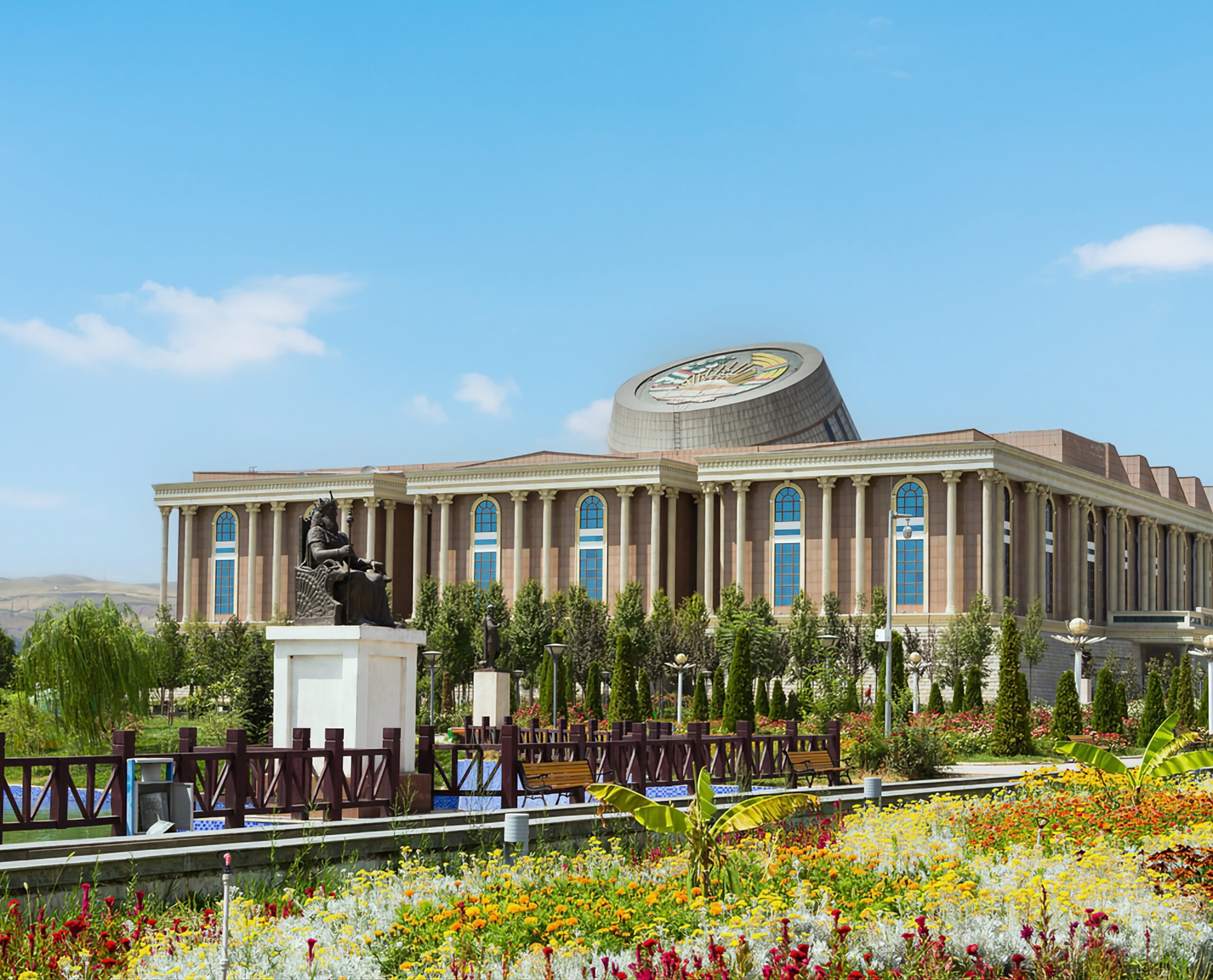
Our exploration of Dushanbe continues this morning after breakfast with a visit to the Tajikistan National Museum of Antiquities, a fascinating showcase highlighting the region’s rich history, spanning from prehistoric times through Zoroastrian, Buddhist, Hellenistic, and Islamic eras.
Among its many highlights is a 1.95-million-year-old stone tool, and the famed Buddha in Nirvana – a serene and monumental sculpture that stands as one of Central Asia’s most remarkable archaeological discoveries. Buddhist Treasures: The crown jewel is the reclining “Buddha in Nirvana,” a massive 13-metre-long clay statue from the 7th-century and one of the world’s largest ancient Buddhist monuments.
From here, we’ll head to the splendid Kokhi Navruz Palace. Originally conceived in 2009 as the world’s largest teahouse, it evolved during construction into an opulent palace showcasing Tajik craftsmanship and serving as a symbol of the country’s independence era. This magnificent complex captivates visitors with its grand halls, shimmering fountains, summer pavilions and manicured gardens. Within its ornate interiors, a museum of national handicrafts offers a captivating insight into Tajik artistry and design.
After lunch in a local restaurant, the remainder of the afternoon and evening is at leisure to continue exploring or simply relax and take in the rhythm of life in this historic Tajik city.
Overnight: Dushanbe Serena Hotel, Dunshanbe (or similar) (B, L)
This morning after breakfast and check-out, we’ll continue in our private vehicle northwest along the spectacular Zeravshan Valley to the historic town of Penjikent, an ancient city with a rich history dating back over 2,500 years. Renowned for its rich cultural heritage and ancient ruins near to the town, it was once a thriving centre of Sogdian civilization, and a vital hub along the Silk Road, facilitating trade and cultural exchange between East and West. It was the last stop for caravans heading east from Samarkand to stock up before they hit the mountains – or, the first chance to rest for those that had just made the arduous trek from China across the peaks.
On arrival, we’ll check into our hotel and enjoy lunch. After some downtime, we’ll travel just 1.5 kilometres to the Ancient Penjikent Ruins (also called Old Penjikent), the remarkably preserved remains of a major Sogdian city that flourished between the 5th and 8th centuries CE. Spanning over 20 hectares, the excavated area reveals a sophisticated planned city with a citadel, palaces, temples, residential quarters, workshops, and market streets – all fortified by thick mud-brick walls. It was a key Silk Road hub, linking Samarkand, Bukhara, China, and Persia, and a cultural melting pot of Zoroastrian, Hindu, and local Sogdian traditions. Sadly, it was sacked and burned by Arab conquerors in the 8th century and subsequently abandoned.
Dinner this evening is in a local restaurant – a chance to enjoy more of the cuisine of the region.
Overnight: Panjakent Plaza Hotel, Penjikent (or similar) (B, L, D)
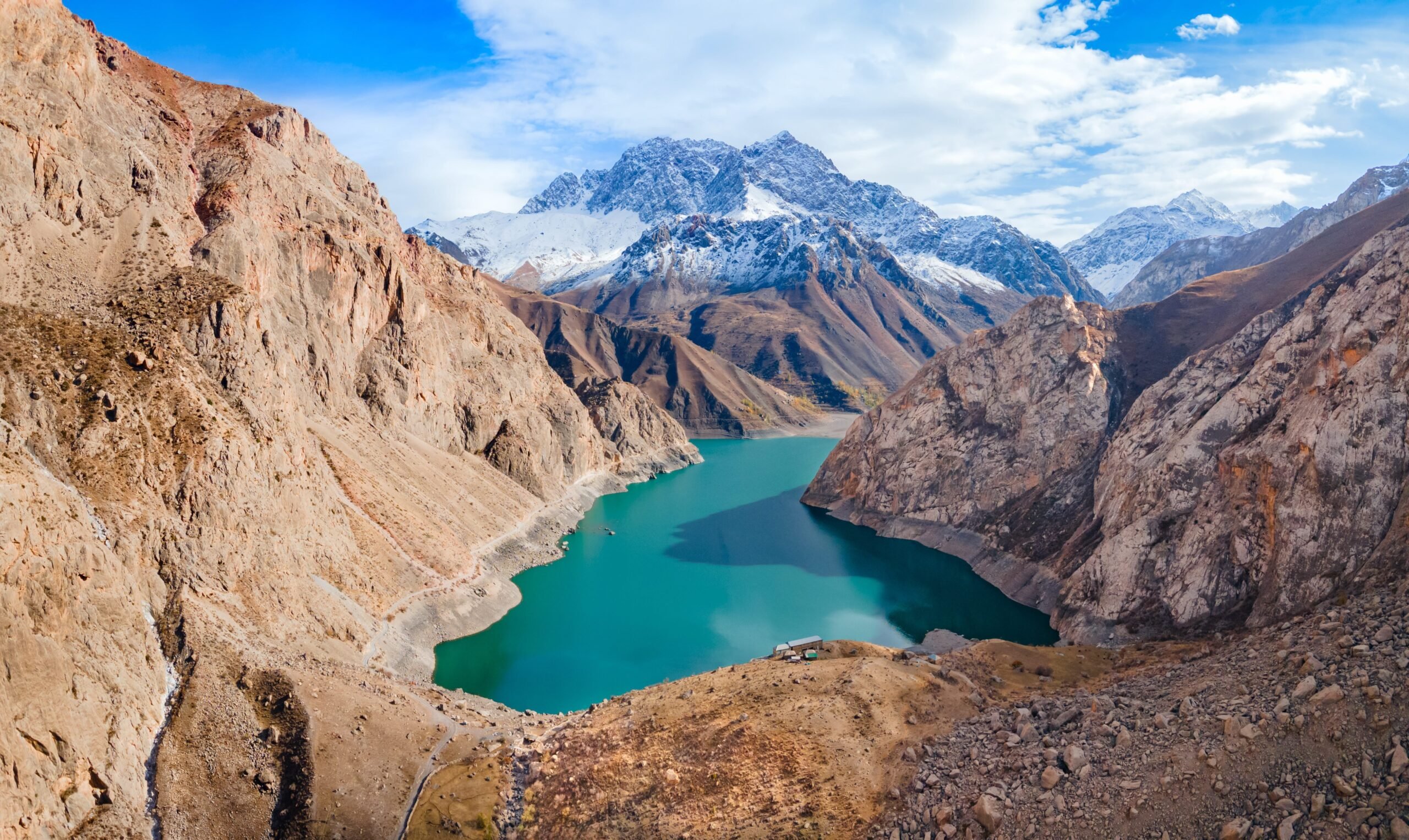
The Seven Lakes are a stunning series of seven cascading alpine lakes nestled in a dramatic gorge carved by the Shing River, and are renowned for their vibrant, ever-shifting colors – ranging from turquoise and emerald green to deep blue and even reddish hues – set against jagged peaks and wildflower meadows. A visit here is not only a feast for the senses, but also a glimpse into Tajikistan’s untouched wilderness and the enduring traditions of its mountain people. Formed millions of years ago by earthquakes that triggered landslides, creating natural dams along the river, the lakes, numbered from 1 to 7, sit at progressively higher elevations, starting at about 1,598 metres and climbing to around 2,400 metres.
After breakfast and check out, we’ll head off to explore some of this area. After enjoying lunch at Lake 3, we’ll make our way to the Tajik-Uzbek border via the UNESCO World Heritage ancient archaeological site of Sarazm, one of the earliest known urban settlements in Central Asia. Dating back to around 3,500BCE, it flourished until the end of the 3rd millennium BC, serving as a major centre for agriculture, metallurgy, and long-distance trade.
It’s then onto our private coach for the journey across the border to the UNESCO World Heritage city of Samarkand, one of the oldest continuously inhabited cities in Central Asia. Often considered the most evocative and exotic location on all of the Silk Road, for many people Samarkand has the mythical resonance of Zanzibar or Timbuktu, fixed in the Western popular imagination by imaginative poets and playwrights. While it served as a crucial hub on the Silk Road, connecting trade routes between China and the Mediterranean, the arrival of the Russian railway in 1888 secured its place as an important centre for the export of myriad products along the Silk Road.
After completing the border crossing formalities, we’ll transfer directly to our hotel and check in. Dinner this evening is at leisure.
Overnight: Mövenpick Hotel Samarkand, Samarkand (or similar) (B, L)
This morning after breakfast, we’ll step into the heart of Samarkand, one of the most dazzling jewels of the Silk Road, for a full day of exploration including lunch.
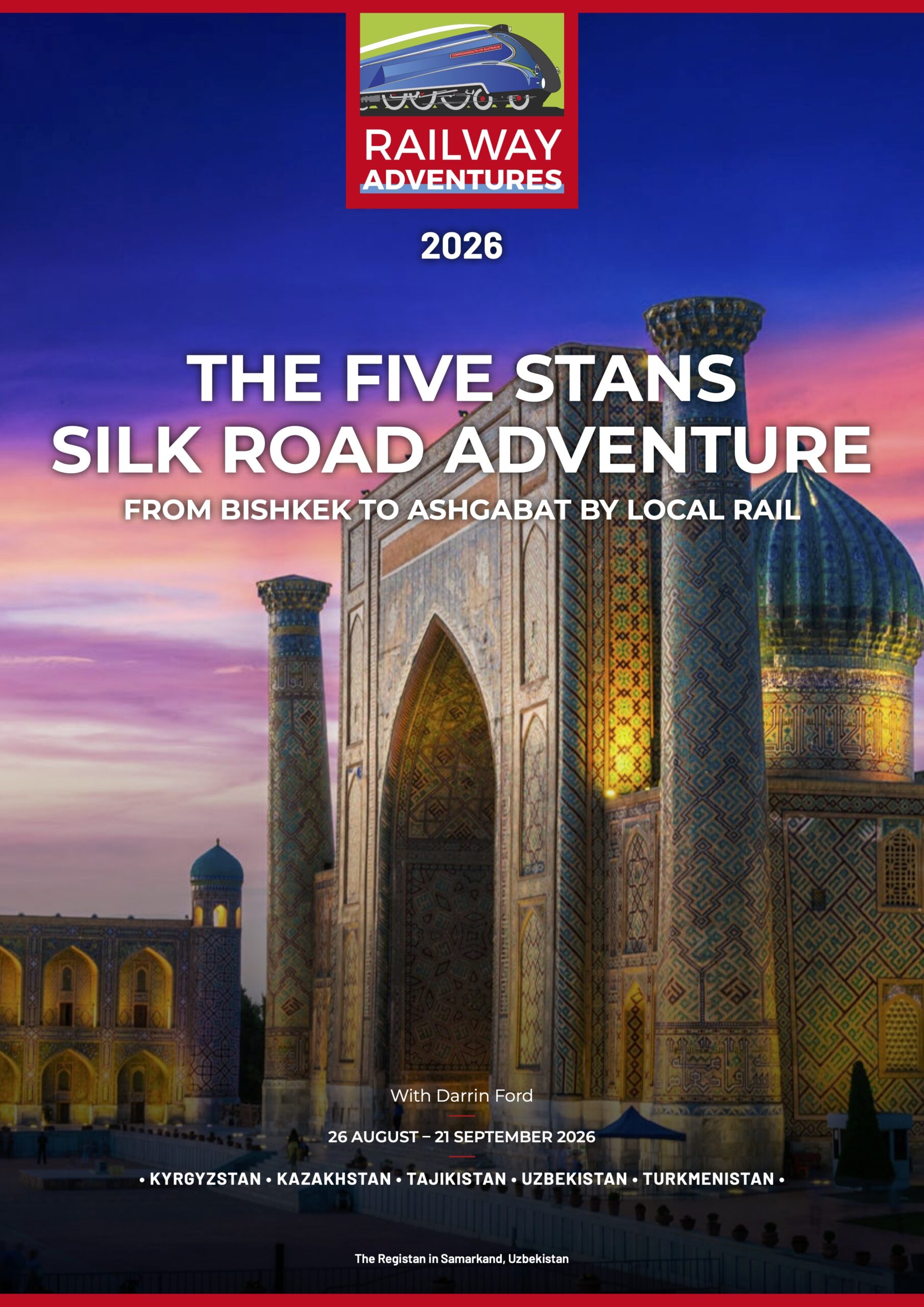
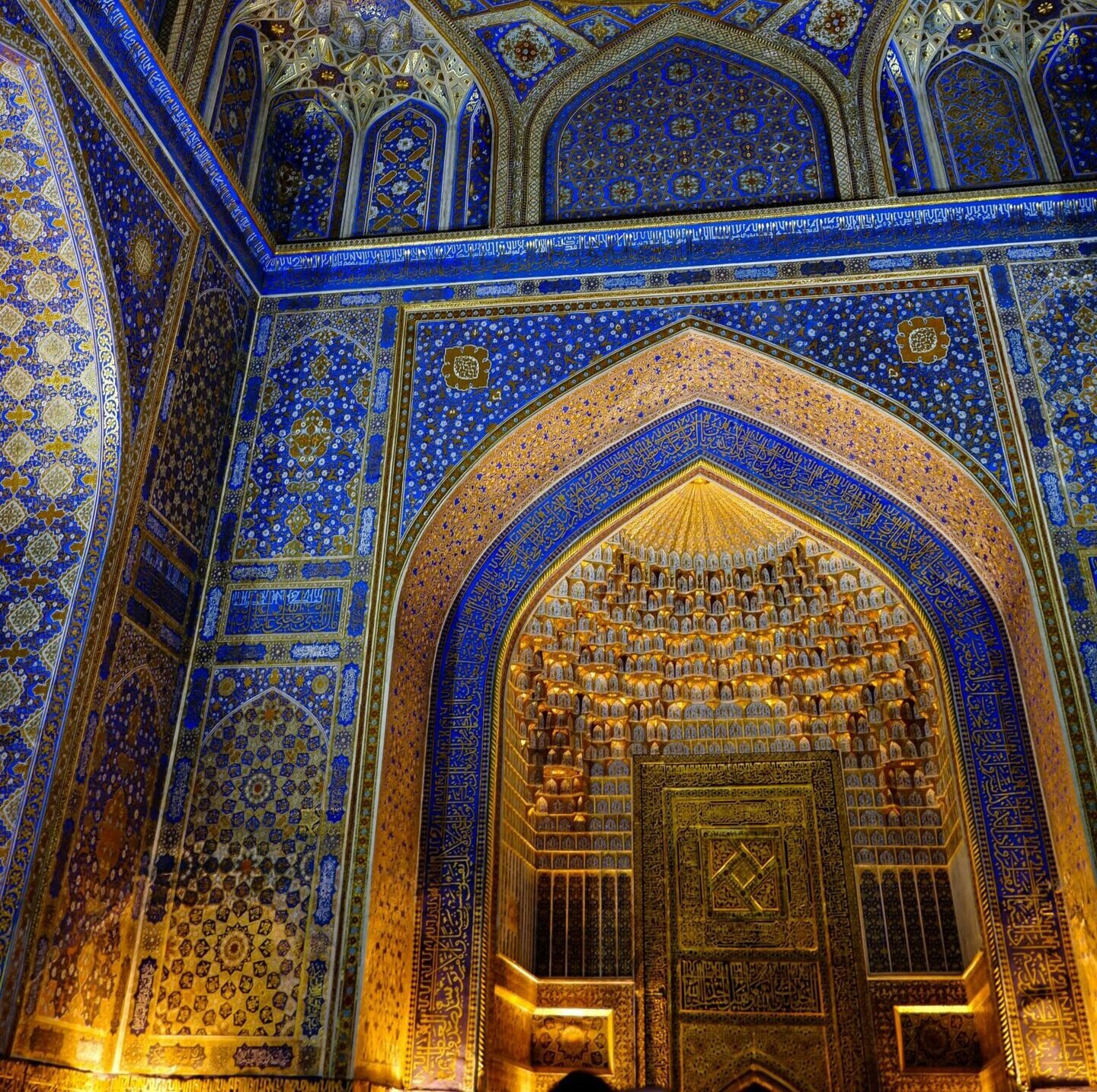
Be awestruck in the grand Registan Square, a UNESCO World Heritage site flanked by three majestic madrasas adorned with intricate turquoise tiles, towering minarets, and ornate facades. Visit the 14th-century Bibi-Khanum Mosque,once one of the largest mosques in the Islamic world, featuring a massive blue dome, towering pishtak gateway, detailed mosaics, and vast courtyard.
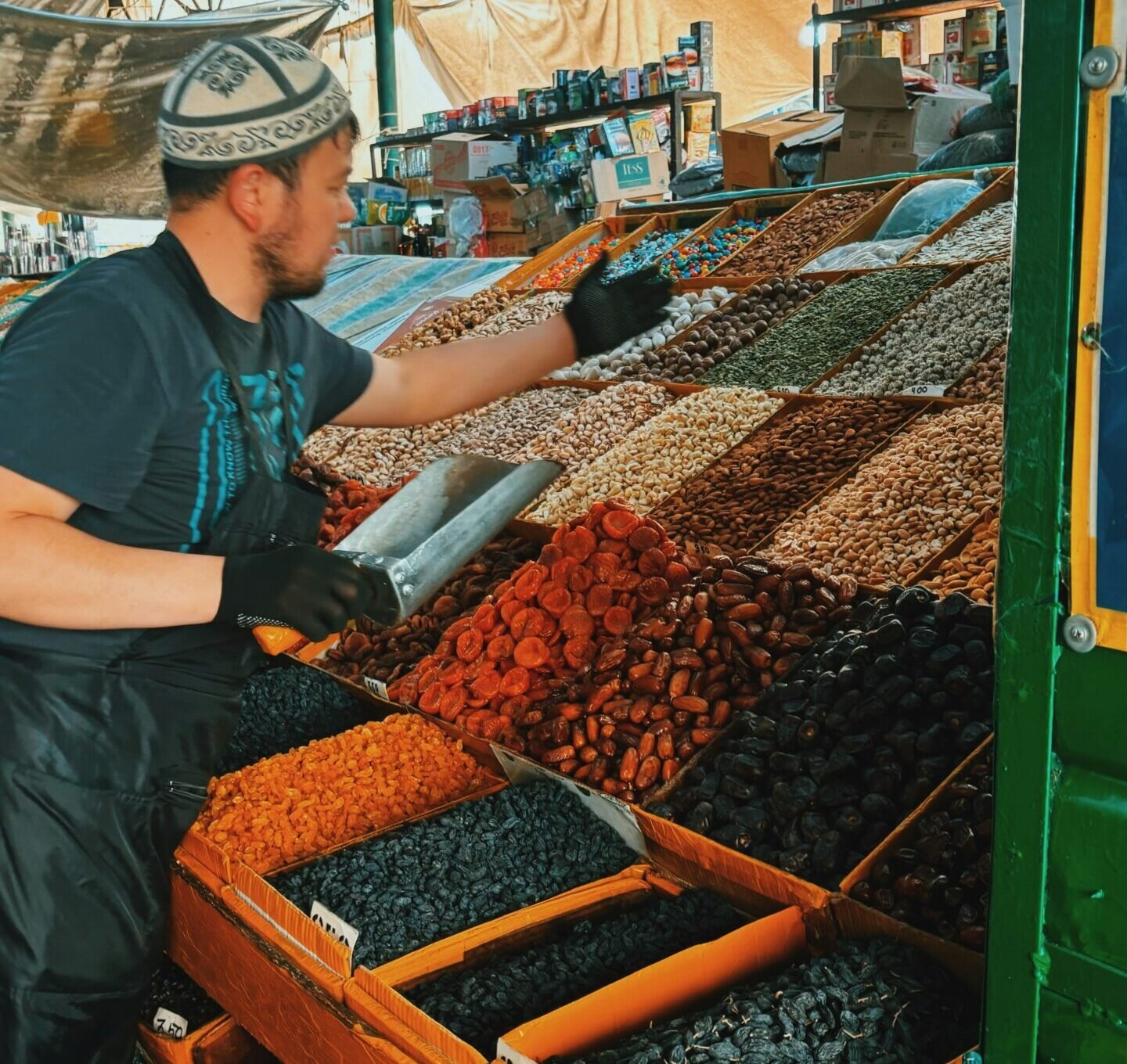
Immerse yourself in a sensory feast of local Uzbek life at the bustling Siab Bazaar, a traditional market alive with colorful stalls selling fresh fruits, spices, nuts, breads, and handicrafts. Soak up panoramic city views and insights into medieval astronomy at the 1420-built Ulugbek Observatory, featuring the remains of a massive sextant for star mapping, part of a groundbreaking 15th-century scientific centre.
Visit the Shakhi-Zinda Necropolis, a stunning avenue of mausoleums known as the “Street of the Living Kings,” lined with brilliantly tiled turquoise tombs from the 11th-19th centuries. Our day will conclude with a stop at the masterpiece of Timurid architecture, Gur-Emir Mausoleum, the ornate resting place of Timur (Tamerlane) and his descendants, crowned by a fluted blue dome and featuring jade tombstone, golden interiors, and exquisite tilework.
Upon returning to the hotel, the rest of the afternoon and evening is at leisure.
Overnight: Mövenpick Hotel Samarkand, Samarkand (or similar) (B, L)
This morning after breakfast we’ll continue our discovery of this incredible city, concluding with lunch in a local restaurant. We’ll start at the hilltop Afrasiab Museum, a modern museum chronicling Samarkand’s 2,500-year history through artifacts from Sogdian times, including ossuaries, coins, pottery, and the stunning 7th-8th century palace frescoes depicting ambassadors and mythical scenes. On the outskirts of the museum site is the Tomb of Saint Daniel, a serene, elongated mausoleum revered across Judaism, Christianity, and Islam as the resting place of the biblical prophet Daniel.
From here, we’ll make a short journey to the picturesque ethnic village of Konigil – a showcase of over 30 traditional Uzbek crafts in a shaded setting. Here, local artisans keep age-old processes alive. A highlight is a silk paper workshop reviving 8th-century techniques from mulberry bark – not a single chemical in sight!
After lunch in a local restaurant the rest of the afternoon and evening is yours to explore more at your own pace.
Overnight: Mövenpick Hotel Samarkand, Samarkand (or similar) (B, L)
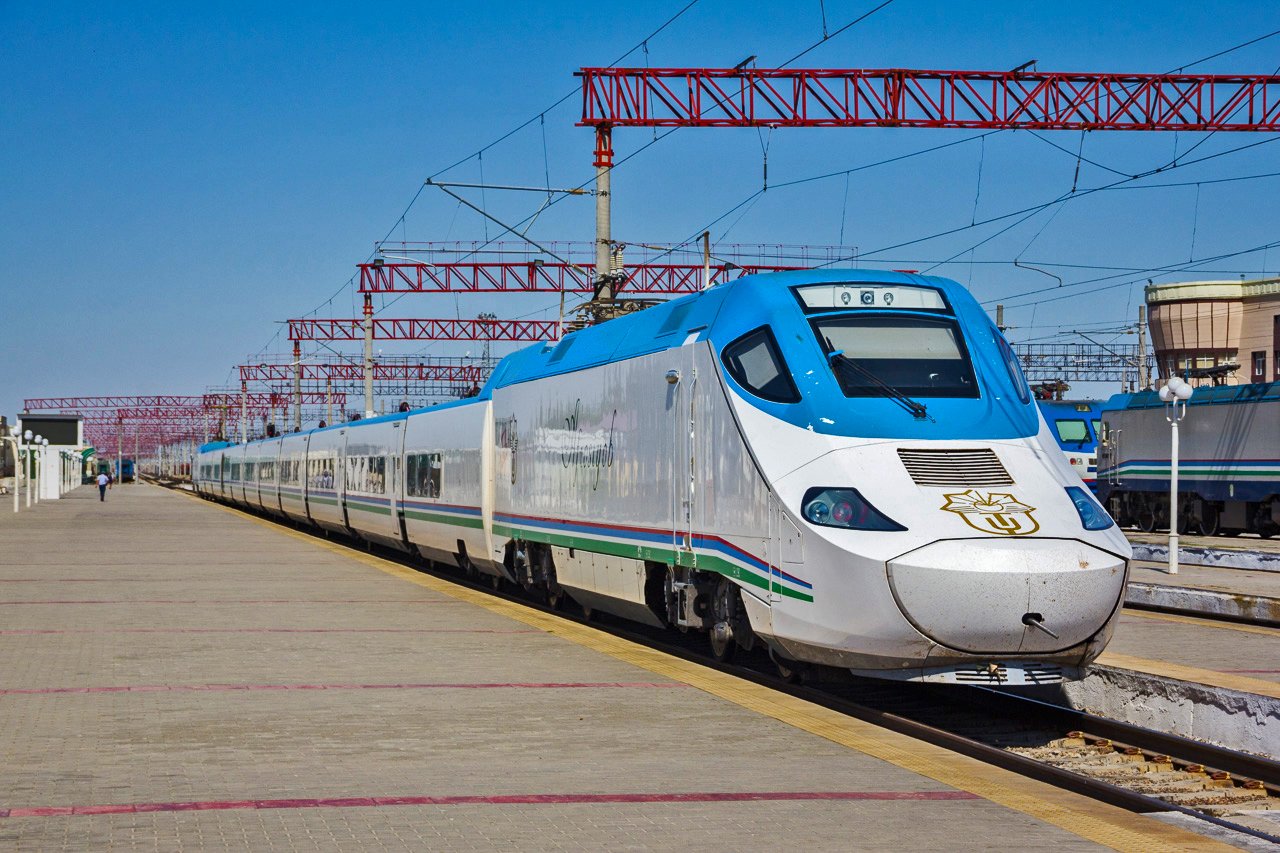
This morning after an early breakfast and check out, we’ll transfer to the railway station to board the sleek, comfortable, Spanish-built Afrosiyob high-speed train bound for the UNESCO World Heritage-listed city of Bukhara, Central Asia’s holiest city, and one of the world’s oldest continuously inhabited cities.
Often referred to as the ‘Pearl of the Silk Road’, Bukhara’s 2,500-year history began as a Zoroastrian oasis in the Achaemenid Empire around 500 BCE, flourishing under Alexander the Great, the Kushans, and Sassanids before embracing Islam in the 8th century. Conquered by Russia in 1868 and the Bolsheviks in 1920, the city endured Soviet modernisation while preserving its medieval core, resulting in one of the best preserved Islamic cities.
On arrival late in the morning, we’ll transfer to our hotel and drop off our luggage before having some time to relax and enjoy lunch together. After lunch, we’ll embark on a city tour. Marvel at the Poi Kalon Mosque, home to the infamous Kalon Minaret, nicknamed “Tower of Death” for executions once tossed from its lantern. Wander across to the 15th-century Kalyan Mosque, a vast courtyard holding 10,000 worshippers under 288 domes and 208 pillars. Across the square, the turquoise-tiled 16th-century Mir-i-Arab Madrasa remains an active Islamic school – peek through the gate to see students chanting under iwan arches.
Hidden in a quiet park not far away, we’ll visit the 10th-century cubic masterpiece, the Ismail Samani Mausoleum, the oldest Muslim monument in Central Asia, before calling in at Central Asia’s oldest madrassa – the Ulugbek Madrasa. Built in 1417 by the astronomer-king Ulugbek, the facade’s star motifs and Kufic inscriptions praise science – “Pursuit of knowledge is the duty of every Muslim.” We’ll close out our tour at Magok-i-Attari (Maghoki-Attar) – the “Pit of the Spice Sellers” – Bukhara’s most layered and enigmatic monument, a living archaeological sandwich that plunges 4 m below street level and spans 16 centuries of continuous worship.
We’ll return to our hotel to check in and enjoy some down time before regrouping to venture into the leafy Lyab-i Hauz square — a peaceful oasis in the heart of the city, before a convivial dinner at the stunning Nodir Devon Begi Madrasa, complete with traditional folklore music and dances.
Overnight: Asia Bukhara Hotel, Bukhara (or similar) (B, L, D)
This morning after breakfast we’ll continue exploring this incredible city. Be charmed by the whimsical Chor-Minor, a pint-sized gatehouse-madrasa with four stubby turquoise domes and minarets giving the impression of an upside-down chair or a fairy-tale castle. Indulge in a Russo-Oriental fantasy at the Sitorai Mokhi-Khosa Summer Palace, nicknamed the “Palace of Moon-like Stars,” fusing European parquet floors, Japanese silk wallpapers, and mirrored ganch stucco halls with traditional iwan courtyards and a harem pool.
Our last stop for the morning is the spectacular Ark of Bukhara, a massive 5th-century mud-brick citadel symbolising the city’s historical and architectural grandeur. Central Asia’s oldest fortress, it’s a colossal that has loomed over the Registan Square for 2,500 years, serving as palace, prison, treasury, and last refuge of emirs until the Bolshevik bombardment of 1920. Highlights here include the Emir’s Throne Room, the Juma Mosque, the mediaval Zindan prison – complete with a torture chamber, and the ruined but still evocative Harem Quarters that housed the Emir’s 40 wives.
After lunch at a local restaurant, the rest of the afternoon and evening is yours to explore more of Bukhara in your own time.
Overnight: Asia Bukhara Hotel, Bukhara (or similar) (B, L)
It’s an early check out this morning to transfer to the nearby city of Kagan to board a local train to Urgench and then another which will take us across the Kyzyl Kum Desert to the historic city of Khiva, enjoying a packed breakfast box along the way. Upon arrival in Khiva, we’ll drop our bags at the hotel and go directly to lunch. After lunch, we’ll return to our hotel to check in and enjoy the remainder of the evening at leisure.
A UNESCO World Heritage site, Khiva is often called a “living museum” due to its remarkably preserved architecture and atmosphere evoking the Silk Road era. Founded over 2,500 years ago, it was a key trading hub along the ancient Silk Road, flourishing as a hub for culture, education, and trade under various dynasties. After facing destruction by Genghis Khan in 1220, it rebounded, serving as the capital of the Khiva Khanate from 1511 to 1920 – a period marked by both prosperity and darker elements like the slave trade.
Overnight: Zarafshon Boutique Hotel, Khiva (or similar) (B, L)
This morning after breakfast and check out, we’ll enjoy a city tour, pausing first at the Kukhna Ark Fortress, a majestic “city within a city,” where the echoes of ancient Silk Road khans whisper through towering mud-brick walls that have stood sentinel since the 12th century. This UNESCO-listed gem pulses with opulent history – from the intricately tiled Summer Mosque’s azure domes and vibrant majolica courtyards to the khan’s throne room, harem chambers, and even a shadowy 1910 jail evoking tales of intrigue and power.
You’ll visit the soaring 45-metre high Islom Khodja Minaret and the enigmatic Kalta Minor Minaret, Khiva’s “short minaret” and a turquoise-clad “barrel of unfulfilled ambition”. Step into the serene heart of the Pahlavon Mahmud Mausoleum, Khiva’s poetic necropolis and spiritual beacon, with the city’s largest turquoise-tiled dome, serving as the Kungrad dynasty’s final grand tomb for rulers like Abulgazi and Allakuli. Wander the opulent labyrinth of the UNESCO jewel of Tosh-Hovli Palace, the “Stone House” of Khiva’s khans, a lavish 19th-century 150-room masterpiece sprawling over nine courtyards. Immerse yourself in the grandeur of the Mohammed Amin Madrassah, Central Asia’s largest Islamic seminary and Khiva’s tiled triumph. Delve into the austere sanctity of the Seid Alauddin Mausoleum, Khiva’s oldest surviving whisper from the Mongol era, built in the mid-14th century – ascetic yet profound, the structure’s plain walls contrast vividly with its twin majolica tombstones adorned in 1860s Khorezm-style floral reliefs, white-sagana inscriptions, and Sogdian-rooted blooms in iris and dog rose hues. Stand in the spiritual and architectural heart of ancient Khiva – the Juma Mosque, a 10th-century archetype reborn in 1788, making it one of the oldest continuously used mosque sites in Central Asia.
After lunch at a traditional restaurant, we’ll board our private coach and head to the border post of Shavat. After completing the entry formalities, we’ll travel across the border into Turkmenistan to Dashoguz for an early dinner, before transferring to the airport for an evening flight to Ashgabat.
Upon arrival, we’ll transfer directly to our hotel and check in.
Overnight: Hotel Yyldyz, Ashgabat (B, L, D)
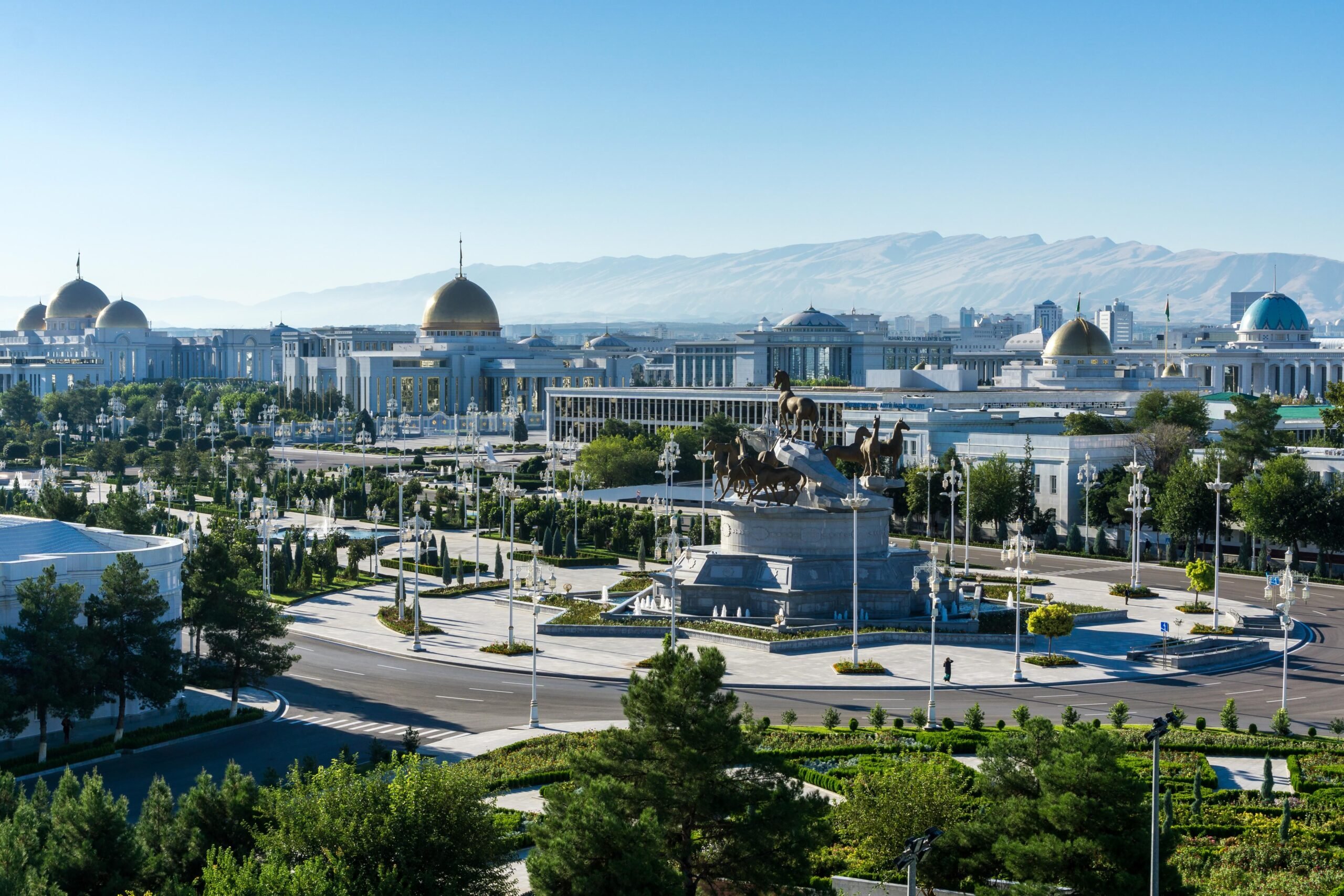
Ashgabat, the gleaming capital of Turkmenistan, rises like a surreal mirage from the Karakum Desert, its skyline dominated by hundreds of white marble-clad skyscrapers that have earned it a Guinness World Record for the highest density of such structures. Rebuilt after a devastating 1948 earthquake that claimed over 100,000 lives, the city embodies the eccentric visions of its post-Soviet leaders: golden statues, rotating monuments to “neutrality,” and vast empty boulevards lined with fountains and neoclassical palaces, all funded by the country’s immense natural gas wealth. The city looks like none other on Earth – a bizarre mix of futuristic and outrageous public buildings – a blend of authoritarian grandeur and desert isolation, Ashgabat is often called the “city of the future that never was”, where monumental architecture masks everyday realities in one of the world’s most secretive nations.
This morning after breakfast, we’ll take a city tour in the company of an expert local guide, exploring some of the city’s proudest attractions, before venturing to the city’s outskirts to visit Asia’s largest breeding centre for Akhalteke horses. The Akhalteke is one of the world’s oldest and most distinctive horse breeds, often called the “heavenly horse” or “golden horse” for its unparalleled metallic sheen. This ancient breed is the national emblem of the country and a living symbol of Turkmen identity, pride, and nomadic heritage. We’ll close out the morning with a visit to the iconic Lenin Monument, now a whimsical anachronism in the post-independence era.
After lunch in a local restaurant, the rest of the afternoon is yours to explore at your own pace or simply relax.
This evening, we’ll enjoy a delicious dinner accompanied by a captivating ‘wedding ceremony’ performance, offering a colorful glimpse into Turkmen traditions and celebrations.
Overnight: Hotel Yyldyz, Ashgabat (B, L, D)
This morning after breakfast and check out, we’ll finish our exploration of Ashgabat, starting with a visit to the stunning Turkmenbashi Mosque, Central Asia’s largest house of worship. Surrounded by blooming gardens, shimmering fountains, and housing the world’s largest handmade carpet in an eight-pointed star pattern, the white-marble behemoth sprawls across 18,000 square metres under a 55-metre golden dome flanked by 91-metre minarets.
Adjacent to the Mosque is the serene Mausoleum of Saparmurat Niyazov, the final resting place of Turkmenistan’s founding leader and his kin in a marble-clad sanctum of quiet reverence. From here, we’ll finish our morning tour at the vibrant Russian Bazaar, the city’s largest covered market where the sights, sounds, and scents of local life come alive.
We’ll pause for an early lunch before heading to the railway station to board our train for a leisurely eight hour journey to Mary, enjoying a boxed dinner as the landscape unfolds outside your window.
Upon arrival, we’ll transfer directly to our hotel and check in.
Note: You can store your big luggage at our hotel in Ashgabat and travel with just an overnight bag to Mary if you would like to.
Overnight: Hotel Mary, Mary (or similar) (B, L, Boxed D)
This morning after breakfast and check out, we’ll set off on a short journey to the ancient city of Merv, a UNESCO World Heritage site and considered one of the most significant archaeological sites in Central Asia. It was a pivotal hub on the ancient Silk Road, serving as a crossroads for trade, culture, and ideas between East and West. Once the world’s largest city in the 12th century with an estimated population of up to 700,000, Merv’s ruins today span over 4,000 years of human history, from Bronze Age settlements around 2500 BC to its final abandonment in the 18th century. Marvel at the majestic Sultan Sanjar Mausoleum and wander through the storied fortresses of Large and Small Gyz Gala, Erk Gala, Gyaur Gala, and Kesh, each echoing centuries of history.
We’ll enjoy some time for lunch at leisure before returning to Mary for an afternoon of sightseeing before our early evening flight back to Ashgabat. Dinner will be at a local restaurant, before we transfer to the airport.
Overnight: Hotel Yyldyz, Ashgabat (B, D)
This morning after a leisurely breakfast, step back in time with a visit to the ancient citadel of Old Nissa, one of the most significant archaeological sites in Central Asia, representing the ruins of an ancient fortress and royal residence from the Parthian Empire and a UNESCO World Heritage site. The citadel offers a fascinating glimpse into a powerful ancient civilisation that bridged the Hellenistic and Persian worlds, and the mud-brick construction, adapted to the arid climate, highlights Parthian ingenuity in engineering and aesthetics. Wander among its evocative ruins, take in the panoramic views and imagine the lives of those who have walked these grounds since the 3rd century BCE.
The afternoon is yours at leisure to explore more at your own pace. This evening we’ll regroup for a warm and celebratory farewell dinner (including drinks) at the hotel restaurant to mark the end of your epic journey through one of the most fascinating regions in the world.
Overnight: Hotel Yyldyz, Ashgabat (B, D)
Our tour ends after breakfast this morning. Transfer to the airport will be arranged to align with your flight.
(B)
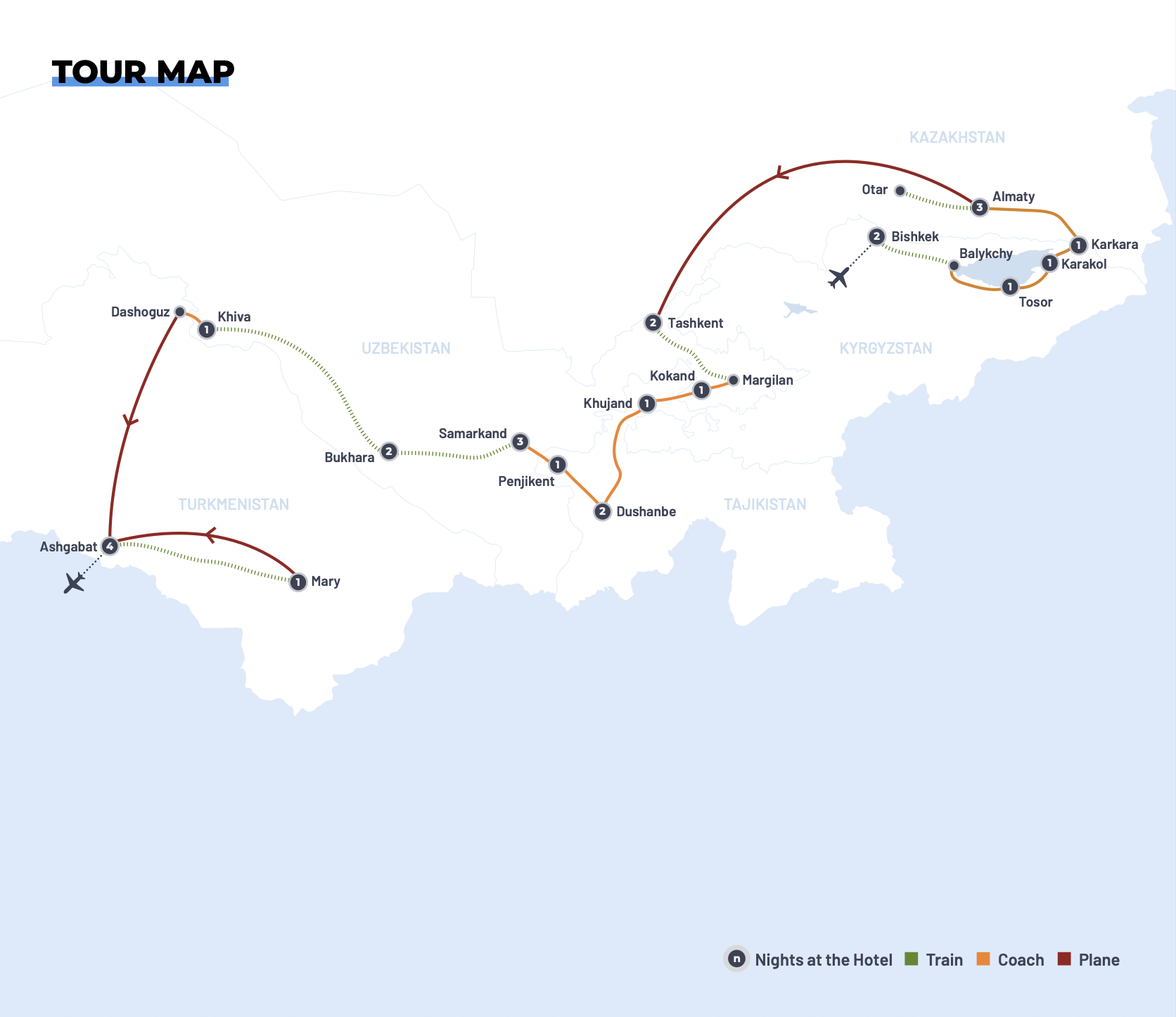

24 nights of accommodation in premium hotels
2 nights accommodation in Yurt Camps with private facilities
Breakfast daily, 22 lunches, 14 dinners
All transport fares and costs provided for in the itinerary
All meals, drinks excursions provided for in the itinerary
Full-time Railway Adventures Tour Leader
20kg checked luggage on internal flights
Letter of Invitation to Turkmenistan provided to support for Turkmenistan Visa application
Knowledgeable local English-speaking guides
Accommodation taxes (if applicable)
All service gratuities and tips for guides (valued at approx $600pp)

Travel to tour departure point and from tour end point
Travel insurance (Mandatory for international travel)
Visa fees and taxes
Meals and drinks not provided for in the itinerary
Things of a personal nature such as phone calls, laundry, room service, etc