Victorian Rail Adventure 2027
19 March 2027
3 September 2027
12 November 2027
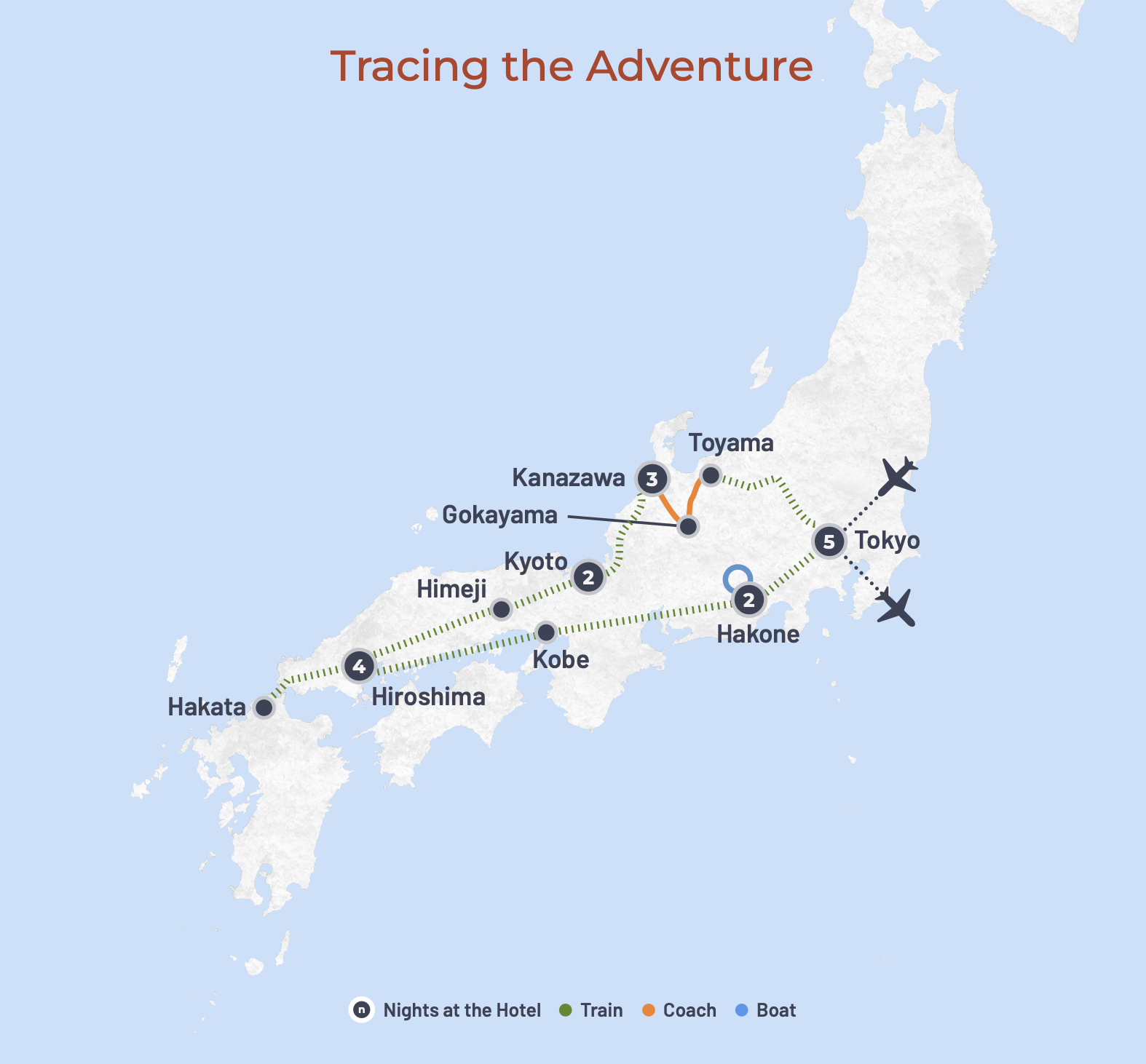
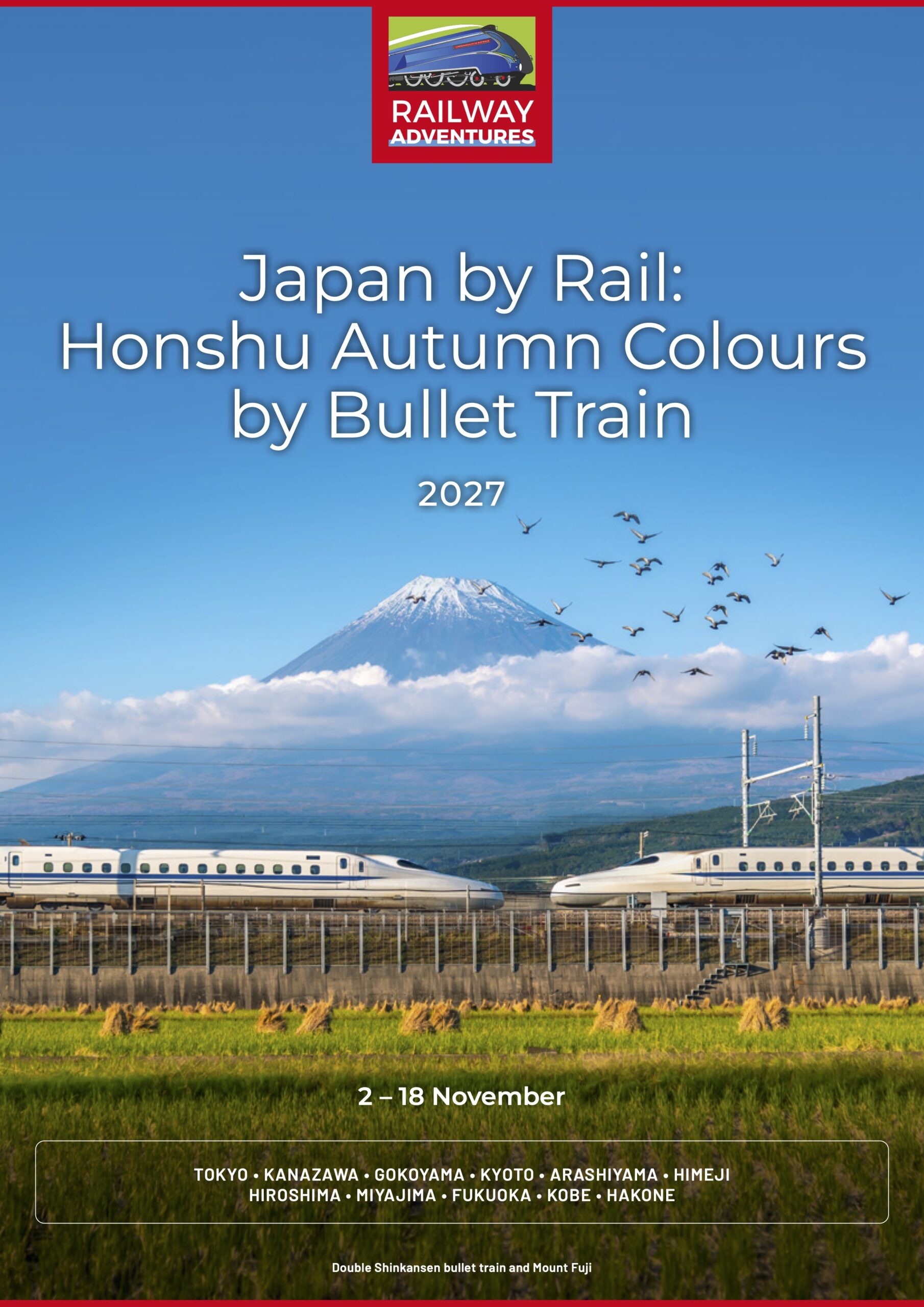
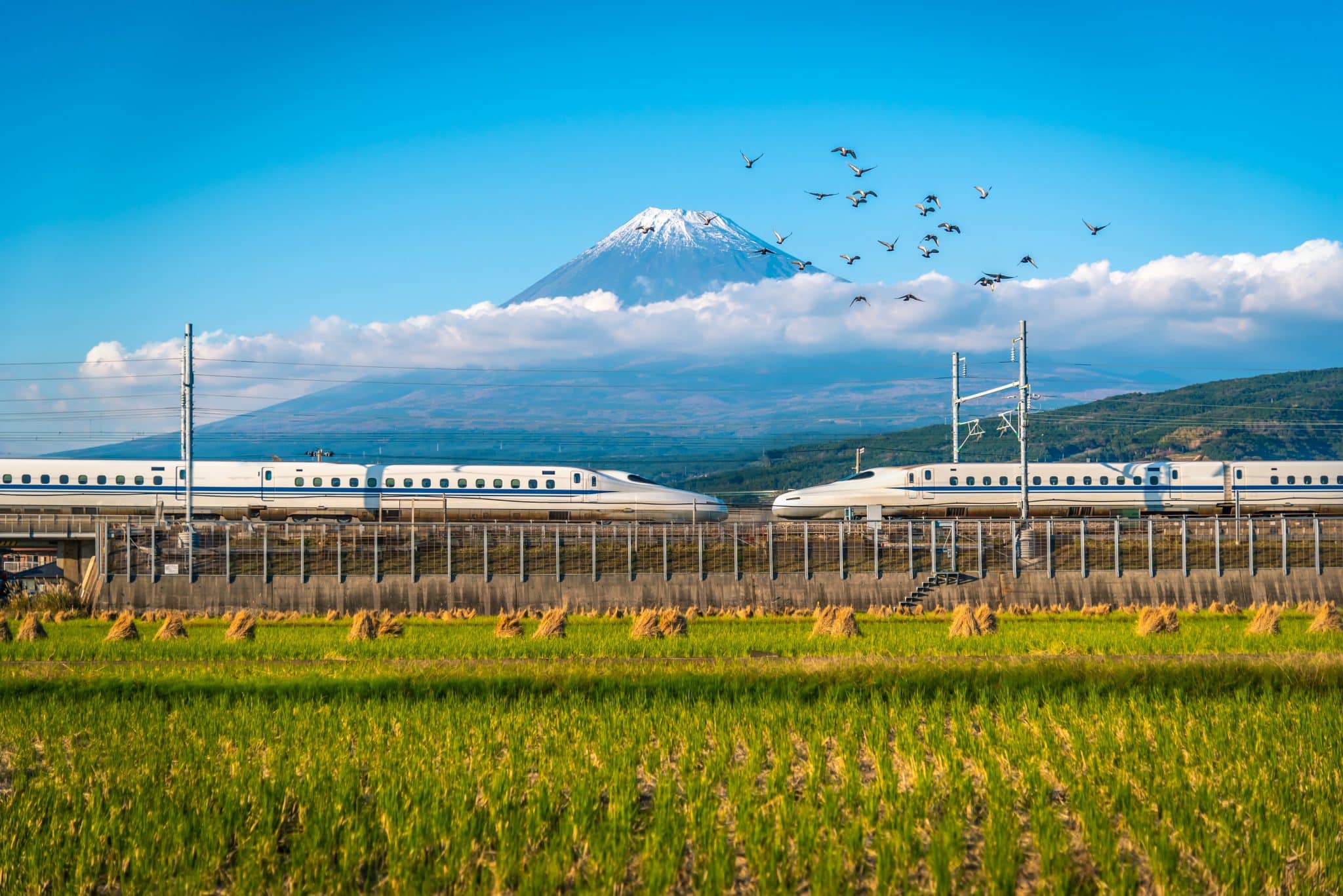
This exclusive, 17-day fully-escorted rail tour discovers the highlights of Japan’s main island, Honshu, at a much under-rated time of the year - Autumn, and invites you to experience the perfect harmony of ancient heritage, vibrant cities, serene nature, and unforgettable flavors - all seamlessly connected by Japan’s legendary high-speed rail network. You’ll ride the famous bullet trains, local trains, Tokyo Metro, scenic tourist and heritage trains through sprawling cities, mountains, valleys, and forests full of vibrant autumn colours, exploring modern Japan, samurai history, museums and unforgettable experiences like witnessing a 500 kph run past of Japan’s new Mag Lev test train, traditional paper making, and tickets to the grand national Sumo wrestling tournament in Fukuoka.
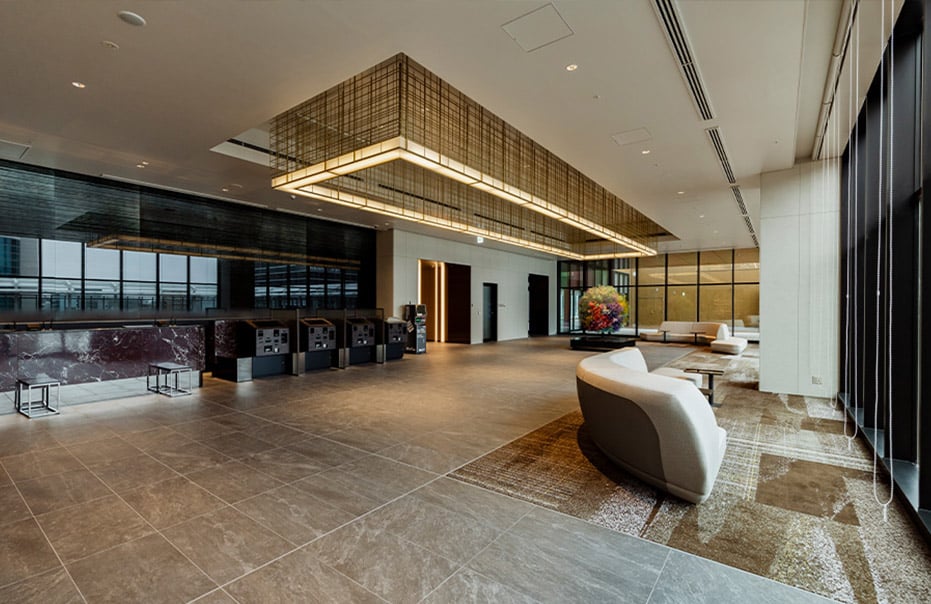
Arrive in Tokyo and make your way to our hotel. Check in is available from 3.00pm.
Tokyo is served by a large number of flights into both Haneda and Narita Airports and our hotel, situated close to Shinagawa Station, is easy to reach by train from either airport. If you wish, we can arrange a complimentary meet and greet where you’ll be met off your flight by a representative who will then assist you to navigate the public transport to our hotel.
If you’d prefer to go it alone as part of your adventure, whether you arrive at Narita or Haneda, you jump on an express train to Shinagawa Station, and our hotel is a 4-minute walk from the station. We’ll send specific directions on how to do this in our communications closer to your departure date.
If you’d like to arrive in Tokyo earlier, or would like some assistance with your flight bookings, please reach out to our office on 1300 800 977 or email info@railwayadventures.com so we can arrange your pre-tour accommodation at our hotel. Additional nights are subject to hotel availability, so early requests are advised.
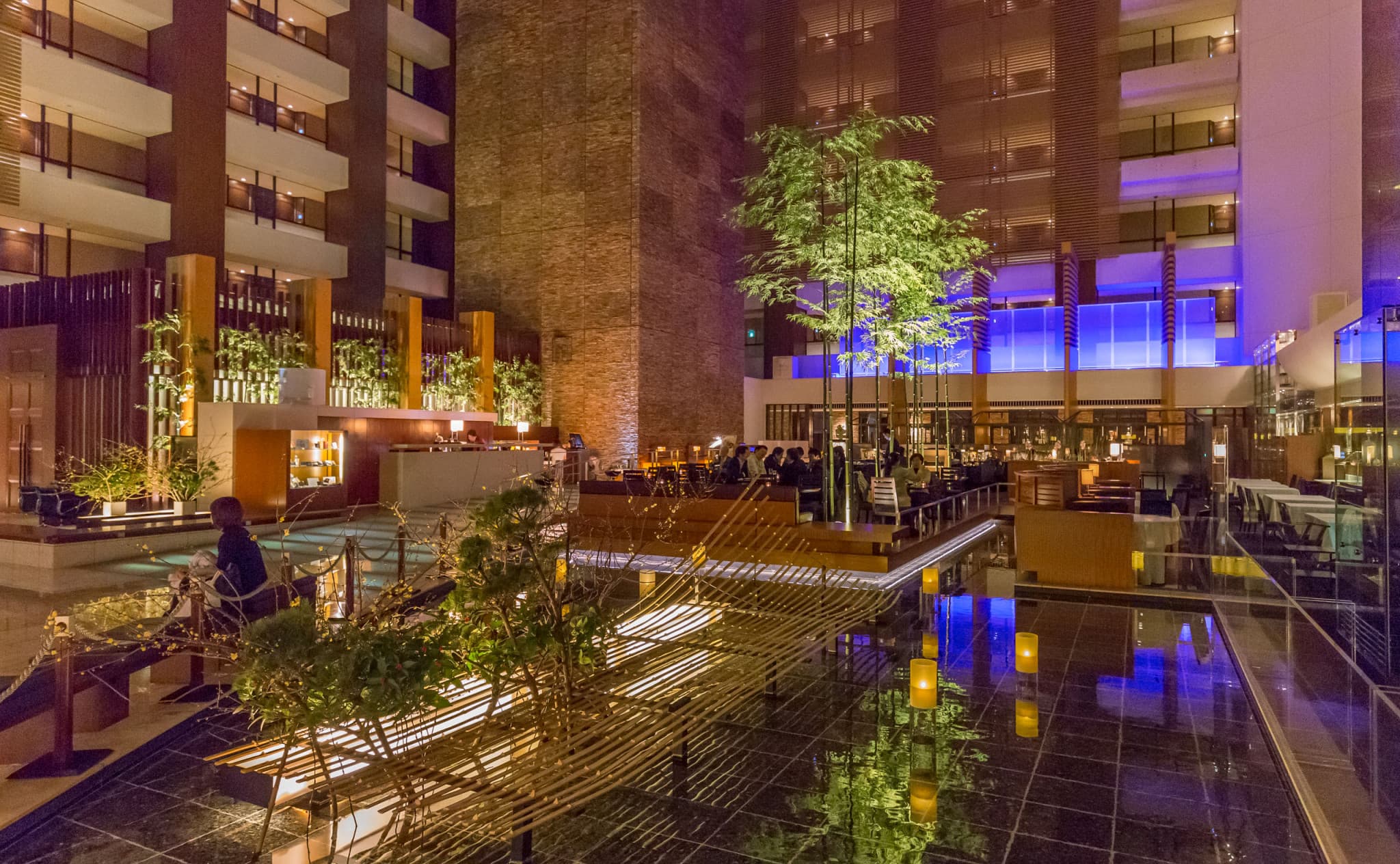
Overnight: Intercontinental The Strings, Tokyo
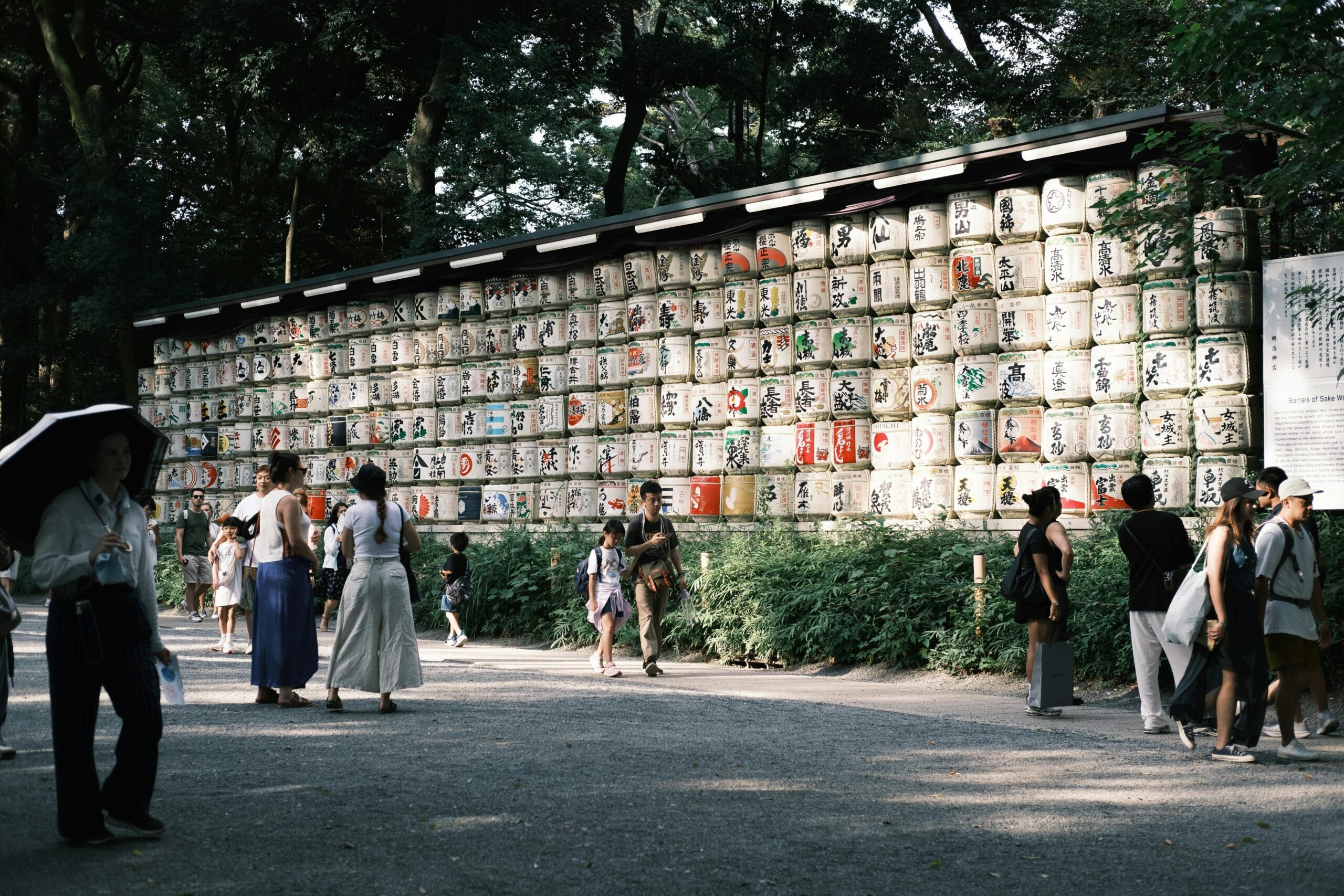
Our tour kicks off this morning after breakfast with a gentle look at a couple of local ‘must do’s in Tokyo. Led by our local guide and your tour leader, Chris, we’ll visit Tokyo’s most significant Shinto monument, The Meiji Shrine. Located near the Harajuku Station in an evergreen forest that covers an area of 70 hectares (170 acres) and consists of 120,000 trees of 365 different species, this grand complex, dedicated to the memory of the Emperor Meiji who ruled during the late 19th and early 20th centuries, displays the dignified grandeur of Japanese history.
Right next door, and in stark contrast to the majestic yet gentle Meiji Shrine, lies Harajuku, home to some of the world’s wackiest fashion trends and a gathering place for fans and aficionados of Japanese street fashion and associated subcultures, and a place where quirky vintage clothing stores and cosplay shops stand side by side with traditional, upmarket boutiques. There’ll be time to grab a cup of coffee while you wander the streets.
After a sit-down lunch together in another area of Tokyo, we’ll return to Shinagawa Station to have our Japan Rail passes validated and the tickets issued for the journeys we’ll be taking over the next 14 days.
The rest of the afternoon is yours to relax in the luxury of the hotel or get out and about and explore the area before we gather in the evening for a very special welcome dinner involving the canals of Tokyo.
Overnight: Intercontinental The Strings, Tokyo (B,L,D)
This morning after breakfast, our exploration of Tokyo continues. Using the city’s incomparable rail network, we’ll head off to the 634m Tokyo Sky Tree, one of the world’s tallest towers. After a high-speed elevator ride to the observation platform, you’ll enjoy a breathtaking panorama and a clear view of the sheer scale of the city of Tokyo.
This remainder of the day is yours at leisure. You may like to return to the hotel to relax, or stroll through the magnificent Imperial Palace Gardens, ablaze with autumn colours, or alternatively, take in a little more culture with a visit to the Hokusai Museum, showcasing the works of the most famous ‘ukiyoe’ wood-block print artist in history; or a trip by local rail to Ueno Park where you can visit numerous Museums (including the Tokyo National Museum).
Dinner tonight is at leisure.
Overnight: Intercontinental The Strings, Tokyo (B)
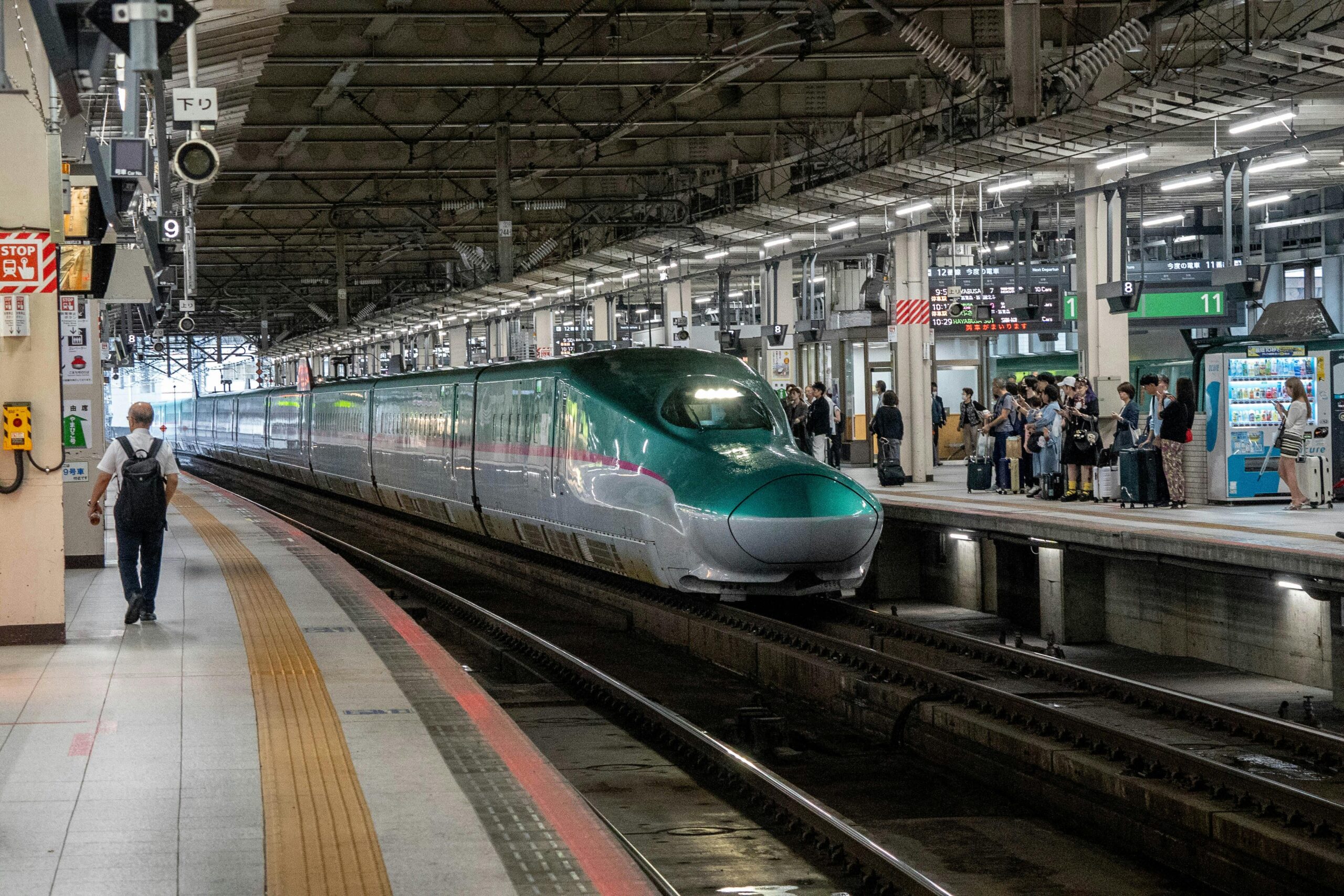
This morning you’ll pass over your big luggage for separate same day private transport to Kanazawa. After breakfast and check out we’ll walk to the station and jump on the Metro to Tokyo Station to board our first Bullet Train journey of the tour – the Hokuriku Bullet-Train “Kagayaki” to Toyama in the Japanese Alps.
Here, we’ll pick up our private coach and travel into Japan’s rural heartland and the UNESCO World Heritage listed area of Gokayama, renowned for its traditional gasshō-zukuri farmhouses. These distinctive buildings feature steep, triangular thatched roofs resembling hands pressed together in prayer. Gokayama is often compared to Shirakawa-go (Ogimachi village), a larger village that attracts most of the tourists, but we prefer the quieter, more intimate, stronger sense of remoteness that Gokayama offers.
After enjoying a local lunch, we’ll learn about the traditional thatched-roofed ‘Gassho’ houses, and visit a ‘washi’ Japanese-paper making atelier in charming Ainokura, where you’ll enjoy a little hands-on workshop on the traditional craft of paper-making.
After this immersion in the sights and sounds of rural Japan, we’ll head to our next home-away-from-home, the medieval Samurai city of Kanazawa.
After checking in and some time to freshen up, we’ll walk to a nearby local restaurant for dinner together.
Overnight: Hyatt Centric, Kanazawa (B, L, D)
This morning after breakfast we’ll transfer by Shinkansen and local rail to the charming Unaduki Onsen station, the departure point of the historic Kurobe Gorge Railway – a scenic narrow-gauge railway that runs through the dramatic Kurobe Gorge, Japan’s deepest V-shaped gorge, carved by the Kurobe River in the Northern Japan Alps. Originally constructed in the mid-20th century to transport workers and materials for hydroelectric power plants and the famous Kurobe Dam, the line offers a thrilling, slow-paced ride crossing over 20 bridges and passing through around 40 tunnels while providing stunning views of steep cliffs, rushing turquoise waters, dense forests, and towering mountains.
Upon our return, we’ll collect traditional Ekiben lunch boxes at the station to enjoy on the train journey back to Kanazawa.
Upon arrival back in Kanazawa, we’ll board our private ‘Saloon car’ coach for an unforgettable experience of a sunset drive along the beach on the 8-kilometre long Chirihama Nagisa Driveway on the Sea of Japan – complete with drinks!
Upon our return to the hotel, your evening is at leisure.
Overnight: Hyatt Centric, Kanazawa (B, L)
This morning after breakfast we’ll embark on a tour of Kanazawa, starting with a visit to the stunning Kenrokuen Garden, located in the heart of Kanazawa and one of Japan’s three most famous gardens which will be ablaze with autumn colours. Originating in the Edo period (17th century) as the outer garden of Kanazawa Castle, it was opened to the public in 1871 and has been meticulously maintained ever since.
From here, we’ll explore the nearby Kanazawa Castle, a partially reconstructed historic castle that served as the seat of the powerful Maeda clan, who ruled the wealthy feudal Kaga Domain from 1583 until the Meiji Restoration in 1869. After the Meiji period, the site served as a military base and then Kanazawa University campus until the 1990s. Since then, a major reconstruction project has already restored several buildings using traditional methods, to reflect the castle’s appearance around the 1850s. Key features are the striking wooden 1788 Ishikawa-mon Gate – the oldest surviving original structure; the Hishi Yagura, Tsuzuki Yagura, and Hashizume-mon Tsuzuki Yagura – rebuilt wooden watchtowers with distinctive lead-covered roofs; and the Gojikken Nagaya (Long Warehouse), a surviving 19th-century storehouse. The surrounding park includes a beautiful reconstructed garden with a pond and circular path.
Later in the morning, we’ll transfer to the Nagamachi Samurai Quarters, a beautifully preserved historic neighborhood that was once the residential area for middle- to high-ranking samurai and their families serving the wealthy Maeda clan of the Kaga Domain during the Edo period (1603–1868). Here we’ll take some time for lunch at leisure.
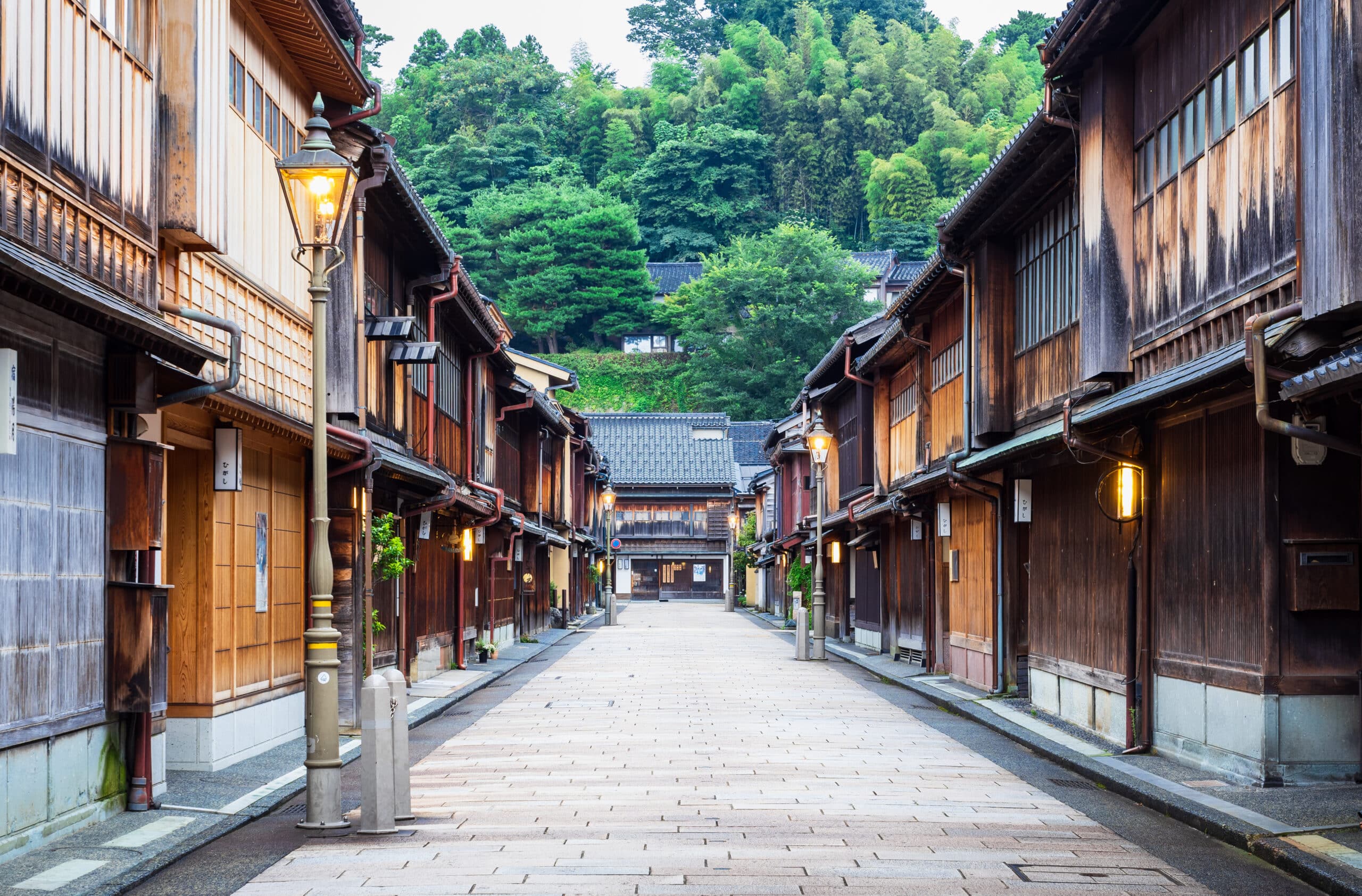
On our way back to the hotel, we’ll stop at the Higashi Chaya district, the largest and most atmospheric of Kanazawa’s three preserved historic geisha entertainment quarters for a walking tour. Established in the early 19th century during the late Edo period as an exclusive area for wealthy merchants and samurai to be entertained, it retains a quiet, intimate charm with its well-preserved wooden machiya townhouses, narrow stone-paved streets, and traditional wooden lattice facades. Here, we’ll enjoy a private traditional Japanese Tea Ceremony
The rest of the afternoon and evening is yours at leisure – you may choose to stay in this historic part of the city and explore more at your own pace, or return to the hotel on the coach for some downtime.
Overnight: Hyatt Centric, Kanazawa (B)
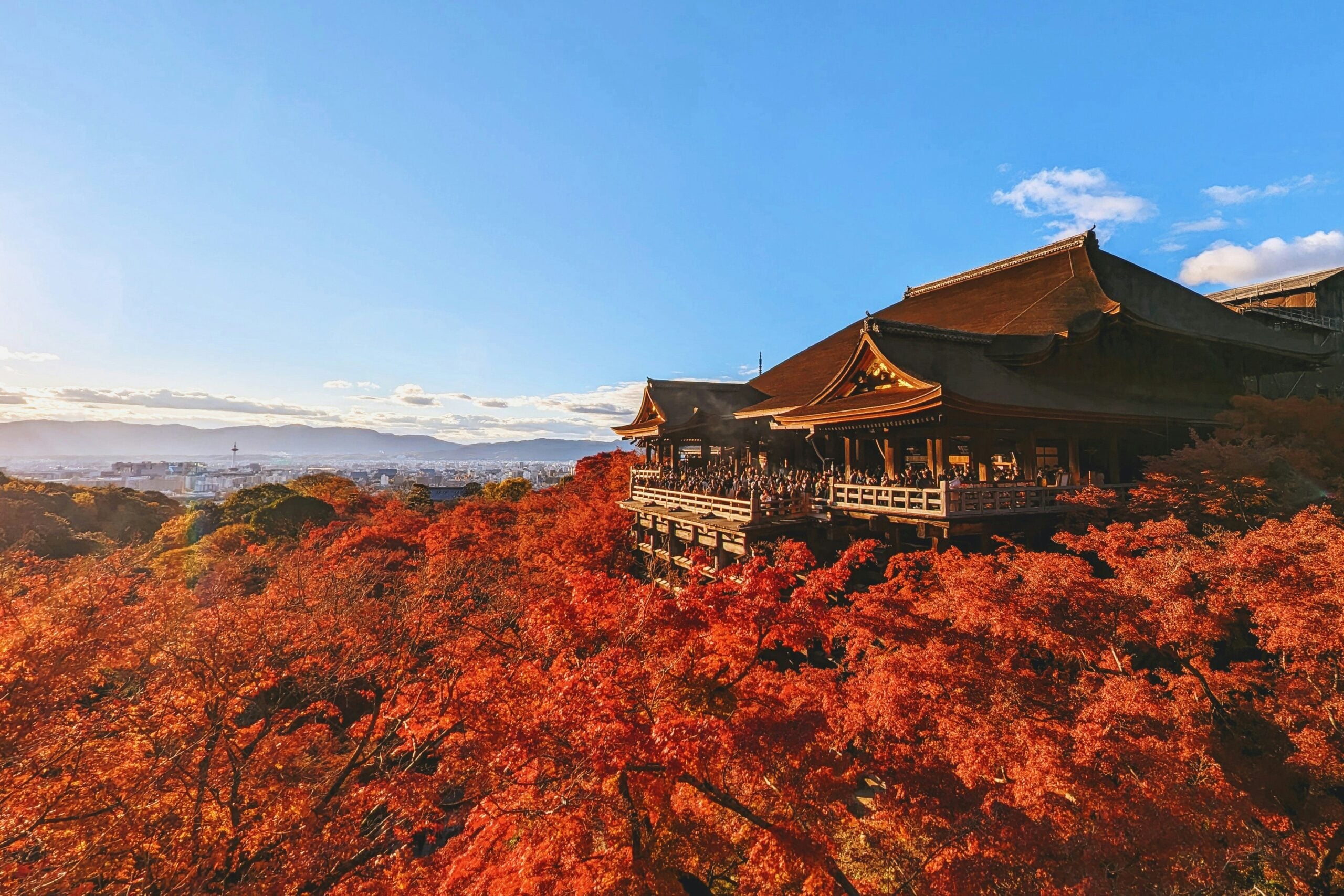
After breakfast, check out and handing your luggage to our private courier for separate transport to Kyoto, we’ll wander across to the station and board a morning Thunderbird Express train to Kyoto. Upon arrival, we’ll be met by our private coach for an afternoon of sightseeing.
Our first stop is the UNESCO World Heritage listed 400 year-old Nijo Castle, built in 1603 by Tokugawa Ieyasu, the first shogun of the Edo period (1603–1868) to serve as the Kyoto residence and symbolic power base for the Tokugawa shoguns when they visited the imperial capital. Suitably ostentatious and eye-catching, in comparison to the much more discreet, almost subdued, Imperial Palace and Gardens just to its north, it demonstrated shogunal authority over the emperor and operated more as an elegant palace complex than a heavily fortified defensive stronghold. You’ll have plenty of time to discover some of the secrets of medieval Japanese architecture and enjoy the castle’s splendid gardens.
After lunch in a local restaurant, we’ll visit one of Kyoto’s highlights – Kinkakuji Temple, home to the UNESCO World Heritage listed Golden Pavilion, one of Kyoto’s most iconic landmarks, and one of Japan’s most photographed sites, symbolising beauty, impermanence, and the fusion of architecture with nature. This stunning three-story Zen Buddhist temple, covered in brilliant gold leaf that shimmers over a serene mirror-like pond, was originally built in the late 14th century as a retirement villa for Ashikaga Yoshimitsu, the third shogun of the Muromachi period, and converted into a Zen temple after his death in accordance with his will.
From here, we switch our focus back to railways for our last stop of the day – a visit to the world-renowned Kyoto Railway Museum. Opened in April 2016 on the site of the city’s famous Umekoji Railway Park, the museum comprehensively covers the history and technological evolution of Japanese railways from the Meiji era to the present, featuring over 50–54 full-scale historic and modern rolling stock items.
We’ll arrive at our hotel in the late afternoon to be reunited with our luggage and check in. After some time to freshen up, we’ll regroup in the hotel’s popular multi-cuisine restaurant for dinner.
Overnight: Double Tree by Hilton Kyoto Station, Kyoto (B, L, D)
This morning we’ll get going early to beat the crowds and venture west by local train to see the part of the city most beloved by Kyoto’s residents – Arashiyama – an area dotted with stunning bamboo groves, temples, old imperial villas, and famous historical sites, many of which are National Treasures, or have been recognized as World Heritage sites. The entire region is designated by the Japanese government as a Place of Scenic Beauty.
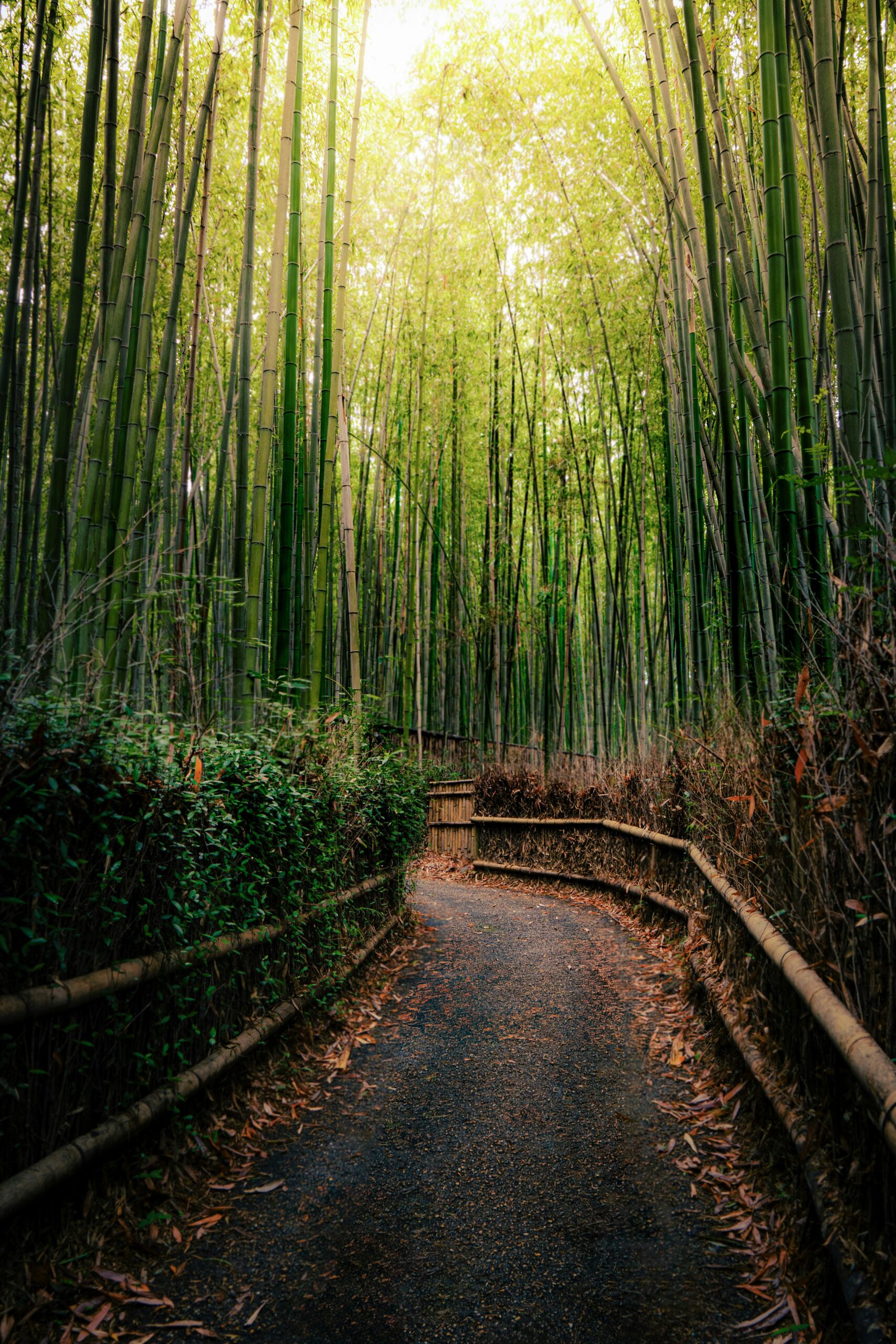
Walking up from the station, we’ll begin with a stroll through the enchanting Arashiyama Bamboo Grove, the scale of which is genuinely breathtaking. We’ll briefly stop at the unique Mikami Shrine, the only shrine in Japan (and possibly the world) dedicated specifically to hair, hairdressing, beauty, and related concerns such as hair growth, hair health, and protection for barbers and beauticians. It enshrines Fujiwara Unemenosuke Masayuki, a historical figure from the Kamakura period (1185–1333), who is traditionally regarded as Japan’s first professional hairdresser. You can even leave a lock of your own hair on the Hair Mound as a dedication.
Located at the end of the winding bamboo forest is the Okochi Sanso Garden, a beautiful private villa and strolling garden – the former estate of the renowned Japanese actor Ōkōchi Denjirō (1898–1962), who built it over about 30 years starting in the early 20th century. Spanning roughly 20,000 square metres, the garden blends traditional Japanese landscape design with the natural mountain setting, featuring winding paths, mossy areas, stone steps, ponds, tea houses, and carefully placed buildings in Momoyama and Kamakura architectural styles. The layout highlights the four seasons, offering panoramic views over Kyoto, the Hozu River gorge, and surrounding mountains – a sight to behold.
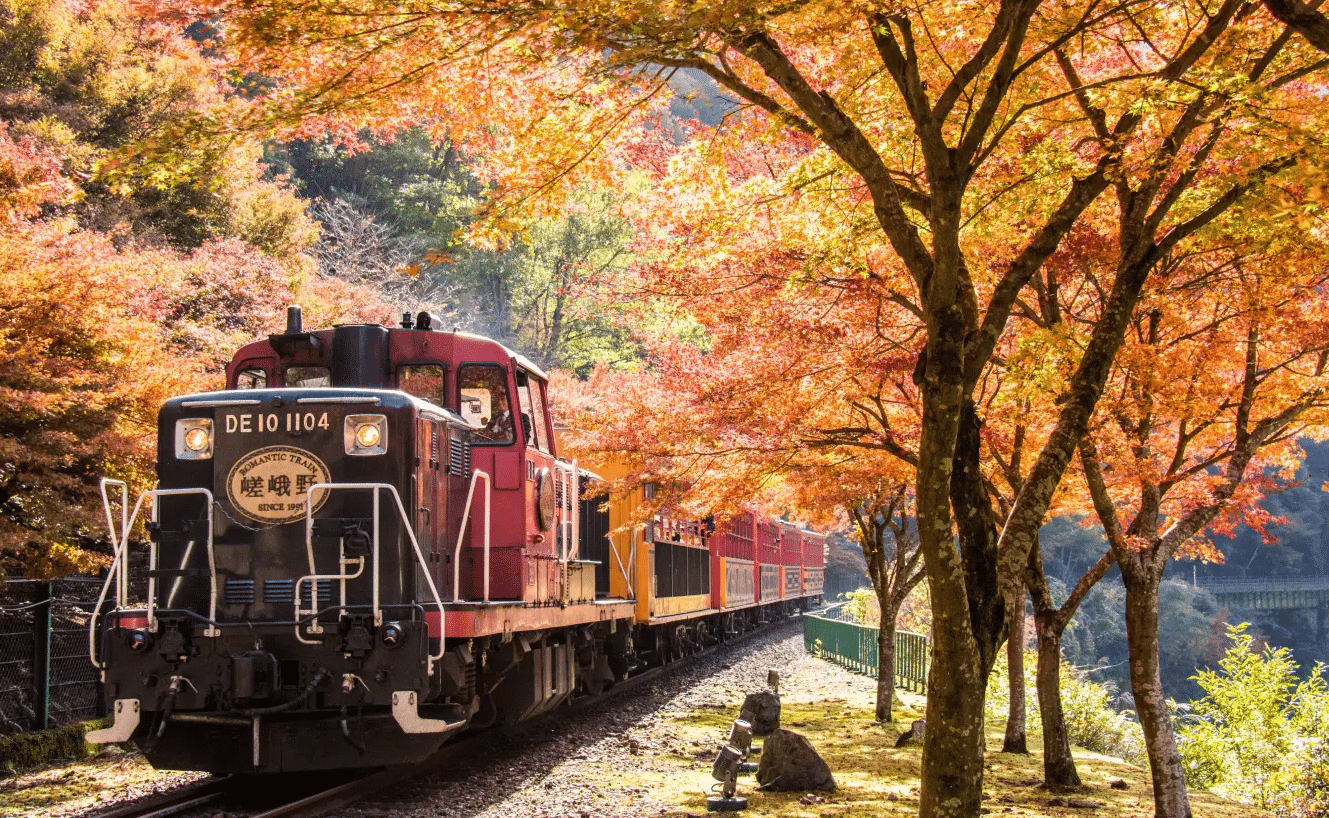
There’ll be free time to stroll the lively streets of Arashiyama and have lunch at leisure before embarking on a spectacular scenic train journey on the Sagano Romantic Train through the beautiful Hozu River Gorge along the stunning Hozu River Valley aflame with autumn colour.
After arriving back in Kyoto in the mid afternoon, the rest of the day and evening is yours at leisure. You may like to venture over to historic and graceful Gion, Kyoto’s premier geisha district and enjoy dinner in one of the many restaurants on offer.
Overnight: Double Tree by Hilton Kyoto Station, Kyoto (B)

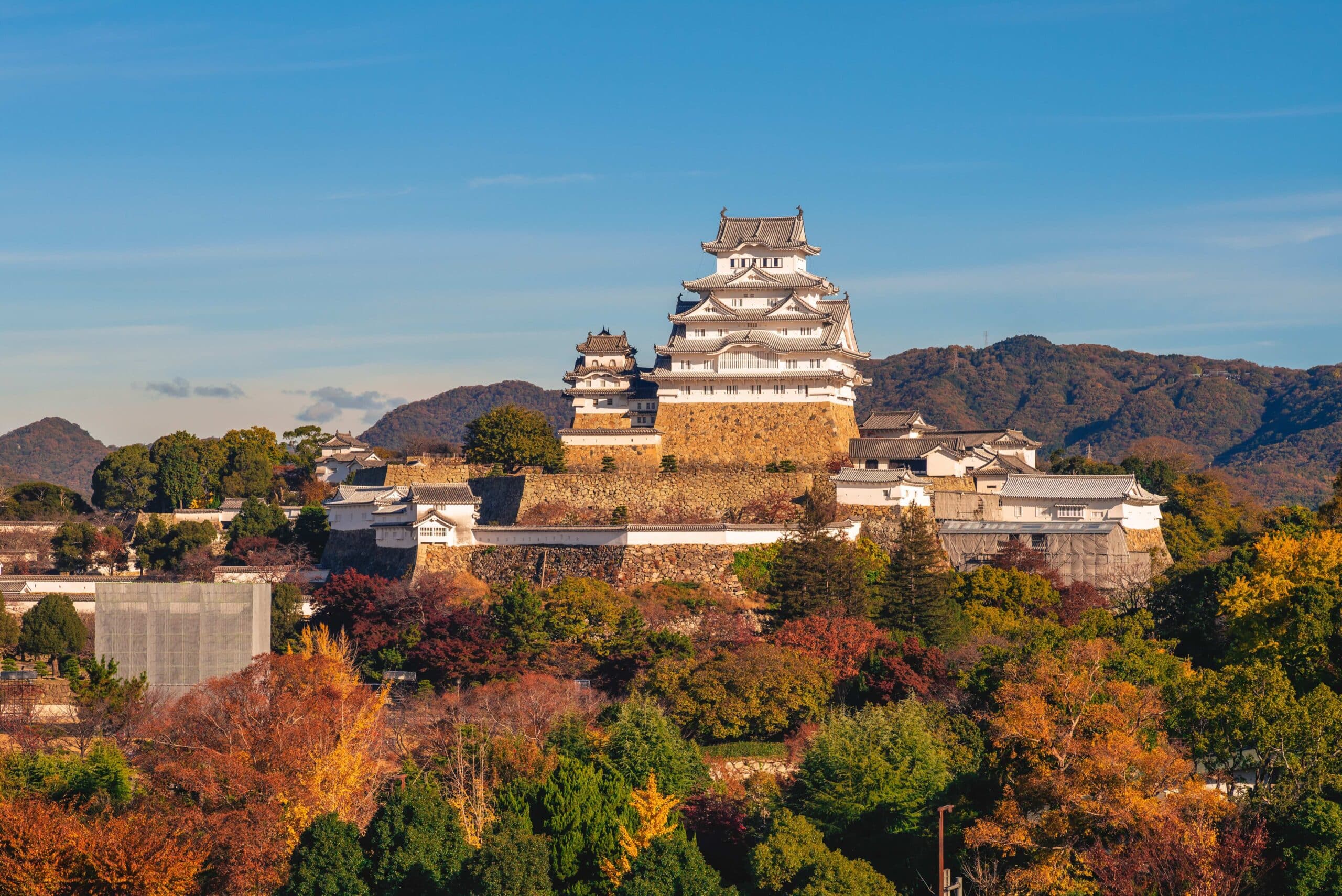
After breakfast and checking out, we’ll again hand over our big luggage for separate same day private transport to Hiroshima before walking to the station for a journey on the Shinkansen to Himeji, a small city west of Kobe, and home to Japan’s finest castle, the famous UNESCO World Heritage listed Himeji Castle, affectionately known as ‘the White Heron’ for its elegance and dazzling white facades.
Our private coach will be on hand at Himeji Station to whisk us off to the castle gates of this rarity among Japanese castles. Erected over a 200-year period in the Middle Ages, the castle has retained its original form – unlike most Japanese castles that were lost to fire, war, or reconstruction, Himeji remains largely authentic from its early 17th-century final form, featuring over 80 wooden structures, complex defensive layouts, massive stone walls, and moats.
After your visit, you’ll have free time for lunch in the main shopping street which runs between the station and the castle, before returning to the station to continue by Shinkansen to Hiroshima, our home for the next four nights.
After being reunited with your luggage and checking into our hotel located next to the station, we’ll regroup for dinner at a local restaurant to indulge in the regional delicacy, Okonomiyaki!
Overnight: Hotel Granvia Hiroshima Southgate, Hiroshima (B, D)
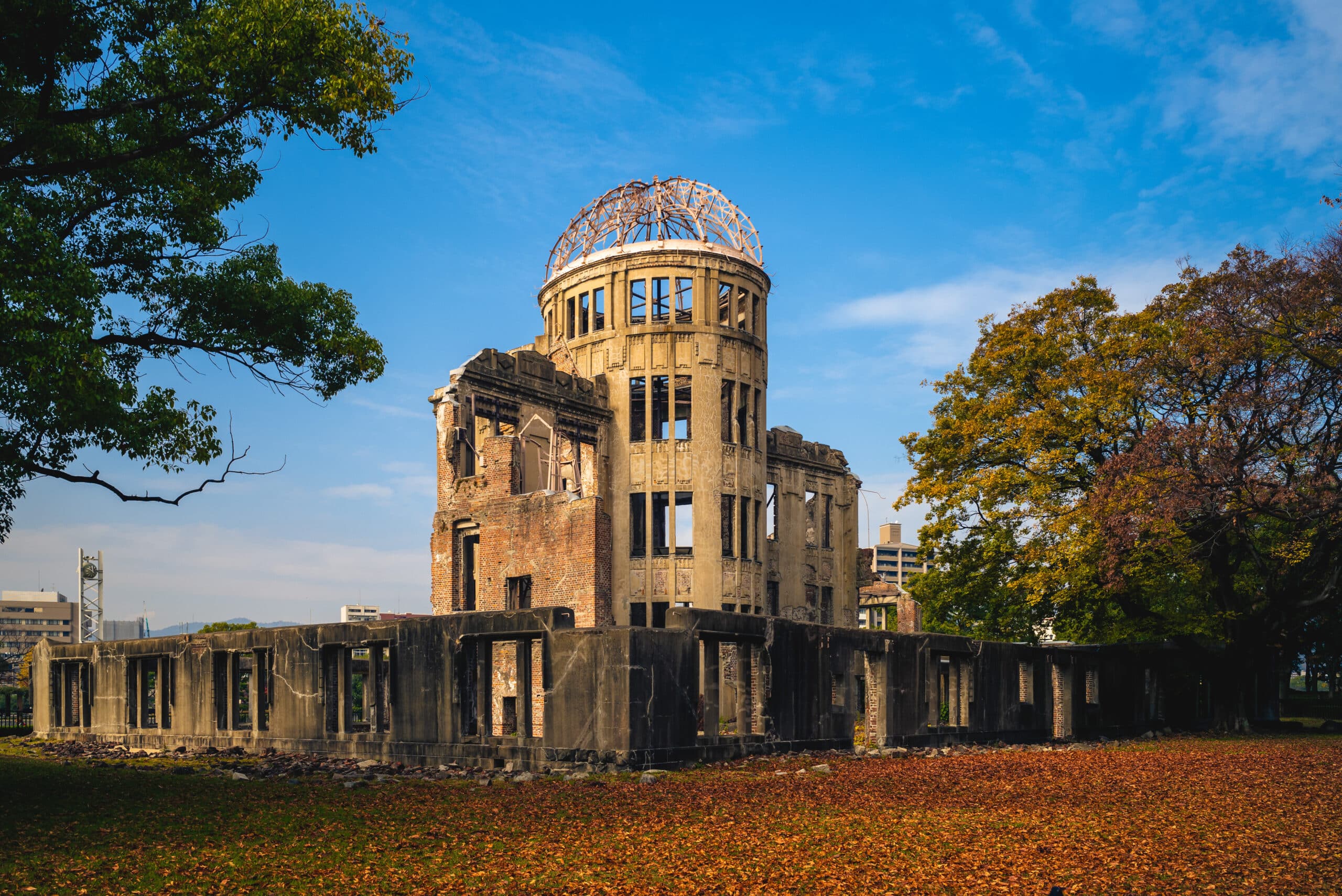
This morning after breakfast, we’ll travel on a privately chartered vintage tram along some of Hiroshima’s extensive tram network and learn more about this important city from our local guide, before dedicating the rest of the morning to learning more about Hiroshima’s unique place in global history as the first city in the world to experience an atomic explosion. This tragic event, its aftermath, and the city’s extraordinary resilience and resurrection is all revealed today as we visit the A-Bomb Memorial Mound, walk through the Peace Park, stopping at monuments including the Peace Bell and the Children’s Peace Monument, to the Hiroshima Peace Memorial Museum – each individually moving, but in concert they represent one of the most emotionally-challenging testimonials to human tragedy and resilience one can experience.
After some time for lunch at leisure in the Peace Park, we’ll wander down to the nearby ferry terminal and take the ferry across to the sacred island of Miyajima – home to the stunning UNESCO World Heritage listed Itsukushima Shrine famous for its bold red “floating” O-torii gate that appears to hover on the water at high tide. The shrine complex, including the main hall, prayer hall, and noh stage, is built over the sea on pillars, creating the illusion that the entire structure floats during high tide.
We’ll also enjoy a walk through the lesser-known Daishoin Temple, located at the forested foot of sacred Mount Misen. Founded in 806 by the revered monk Kūkai (Kōbō Daishi), who introduced Shingon Buddhism to Japan and is said to have lit a flame here that has burned continuously for over 1,200 years, it was here that the Dalai Lama resided when he visited Japan to celebrate the temple’s 1,200th anniversary in autumn 2006.
We’ll return to our hotel in the late afternoon and your evening is free to enjoy the many delights of the city and its surroundings.
Overnight: Hotel Granvia Hiroshima Southgate,Hiroshima (B)
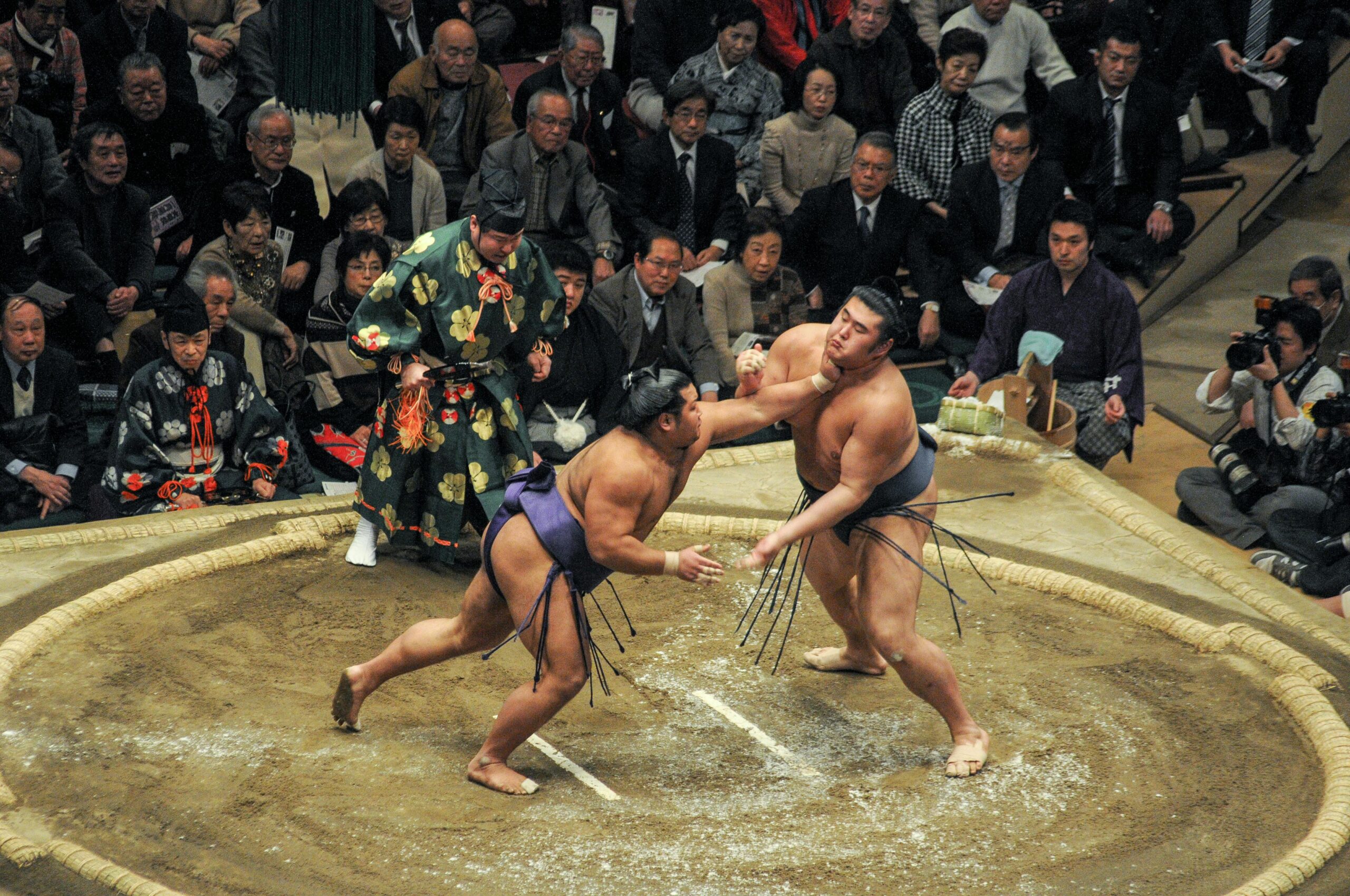
Today we switch the focus from railways to a totally different element of Japanese Culture – its original national sport of Sumo. After a sleep in, a lazy breakfast, leisurely morning and lunch at leisure, we’ll take an early afternoon Shinkansen to Hakata, the local name used for Fukuoka Central Station, to attend the Autumn Grand Sumo Tournament.
From our reserved seats, you’ll have the unique opportunity to enjoy the centuries-old ceremony of official Sumo Tournaments. Enjoy the pageant of the Ring-circling Ceremony, the carefully defined pre-fight protocol, and the sudden explosive action of the actual bouts, some of which last only for a minute or two. After cheering on your favourite and watching the top wrestlers fight in the final bouts for the honour of being crowned Champion, we’ll enjoy a convivial post match dinner at a nearby local restaurant before returning to Hiroshima on the Shinkansen.
Overnight: Hotel Granvia Hiroshima Southgate,Hiroshima (B, D)
This morning we’ll hand over our big luggage to our private courier for overnight transport to Hakone, keeping only what we need for tonight in an overnight bag.
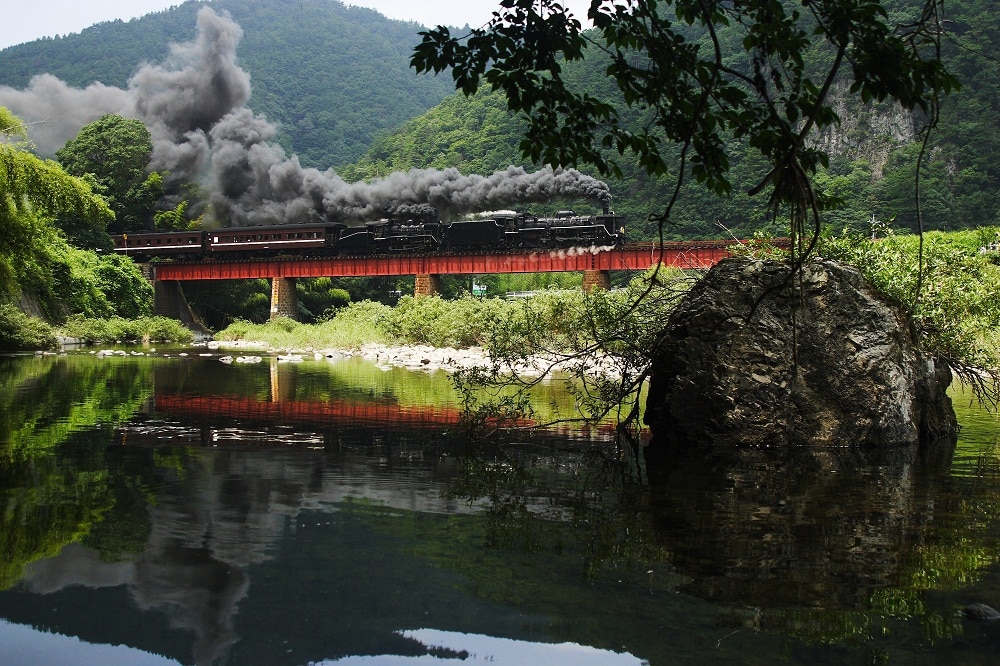
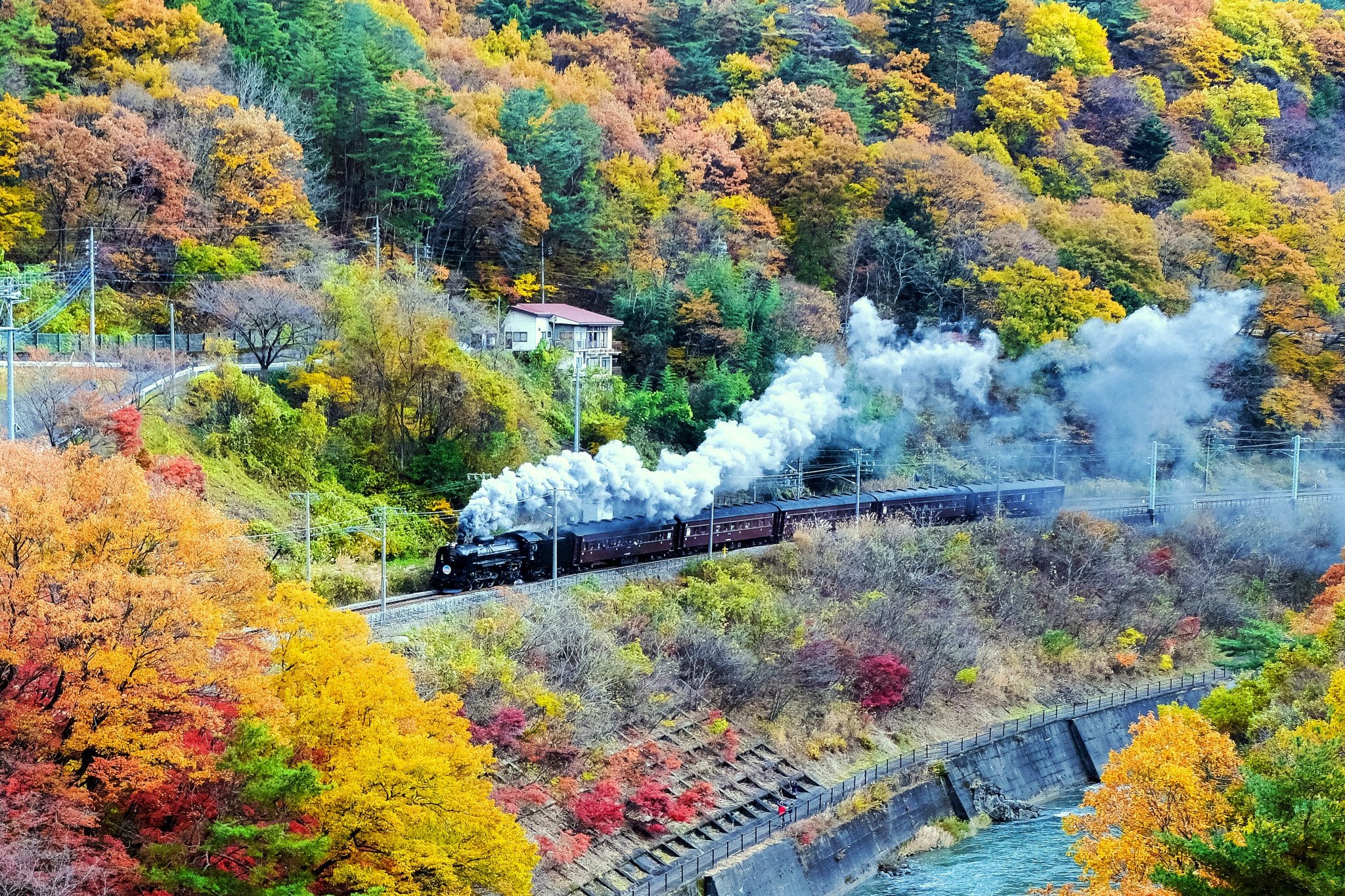
After breakfast, we’ll take the bullet train to the coastal city of Yamaguchi, passing through stunning country vistas ablaze with autumn colours. Upon arrival, we’ll collect Ekiben bento boxes for lunch and board the historic SL Yamaguchi, a restored C–571 model steam engine that originally entered service in 1937, for a scenic two-hour journey through lush green mountains, forests, rivers, fields, and traditional rural landscapes, especially beautiful in autumn, to the charming town of Tsuwano.
Often called the “Little Kyoto of the San’in Region,” Tsuwano is a picturesque historic castle town with a well-preserved Edo-period atmosphere – white-walled samurai residences with red-tiled roofs adding splashes of vibrant colour, traditional streets, and a relaxed, “off-the-beaten-track” charm. Keep an eye out for carp swimming in the aqueducts flowing alongside the main street!
After some time to explore here, we will continue by private coach to another of Japan’s glorious undiscovered highlights – the iconic five-arch Kintaikyo Bridge in Iwakuni, one of Japan’s most iconic and elegant wooden arch bridges. Originally constructed in 1673 and designed to withstand the Nishiki River’s strong currents and floods, it uses a sophisticated interlocking wooden structure (no nails in the traditional design) made from multiple types of wood, including cypress, chestnut, zelkova, pine, and oak, with the five arches creating a distinctive undulating profile.
After some time walking across the bridge and exploring this unique area we’ll transfer to the local train station and board the bullet train back to Hiroshima.
Dinner tonight is at leisure.
Overnight: Hotel Granvia Hiroshima Southgate,Hiroshima (B, L)
(*an overnight bag is required for this evening)
This morning after a lazy breakfast and checking out, it’s back to the station for yet another wonderful bullet train journey – this time to explore another famous element of Japanese cuisine, Kobe beef, one of the world’s most famous and luxurious meats. It comes specifically from the Tajima strain of Japanese Black cattle raised in Hyōgo Prefecture, the capital of which is the city of Kobe. You’ll get to visit the small but fascinating museum introducing the history of beef in Japan and Kobe in particular, learn what makes this meat so special, and understand what rigorous criteria it has to meet to be certified as genuine Kobe beef. Then it’s a special Kobe Beef lunch – a cuisine experience you’ll remember forever.
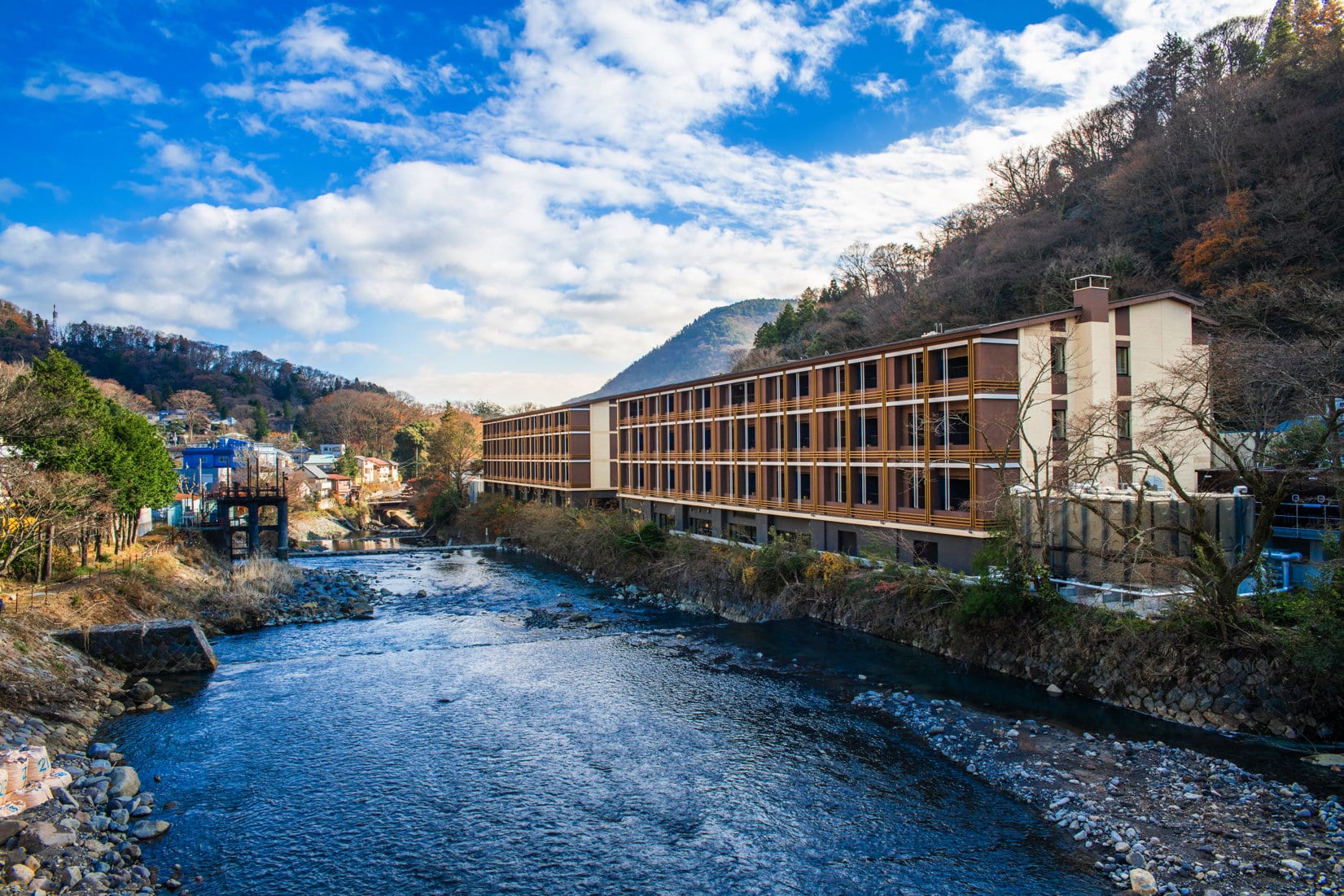
After lunch, we’ll wander back to the station and board a bullet train to Mishima, where our private coach will meet us and take us on to Hakone, a mountainous town known for its hot springs resorts (onsen) and views of the iconic Mount Fuji, and our hotel – accommodation that combines the relaxation, atmosphere, and private onsen amenities of a traditional ryokan with the comfort of a top international hotel. After being reunited with your luggage and checking into your room, complete with your own private onsen, we’ll regroup for a special dining experience in the hotel restaurant.
Overnight: Hotel Indigo Hakone Gora, Hakone (B, L, D)
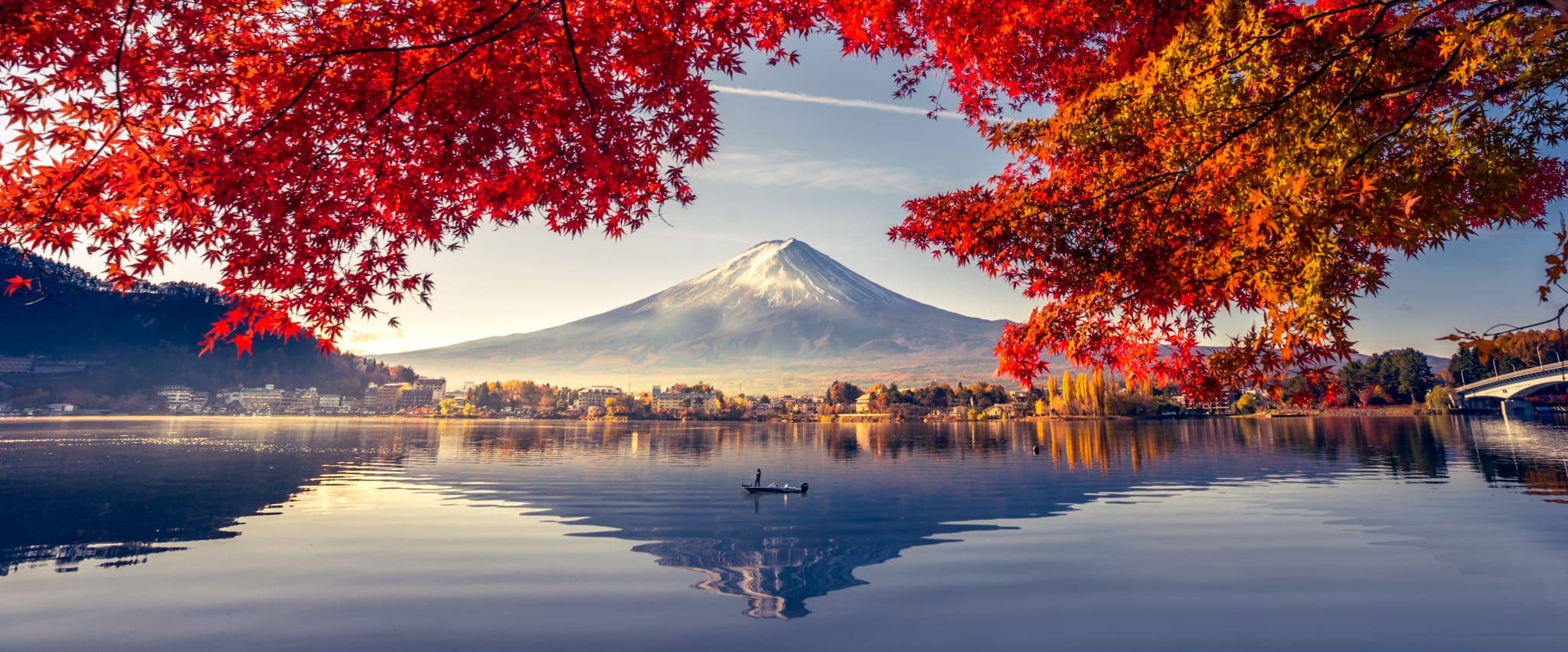
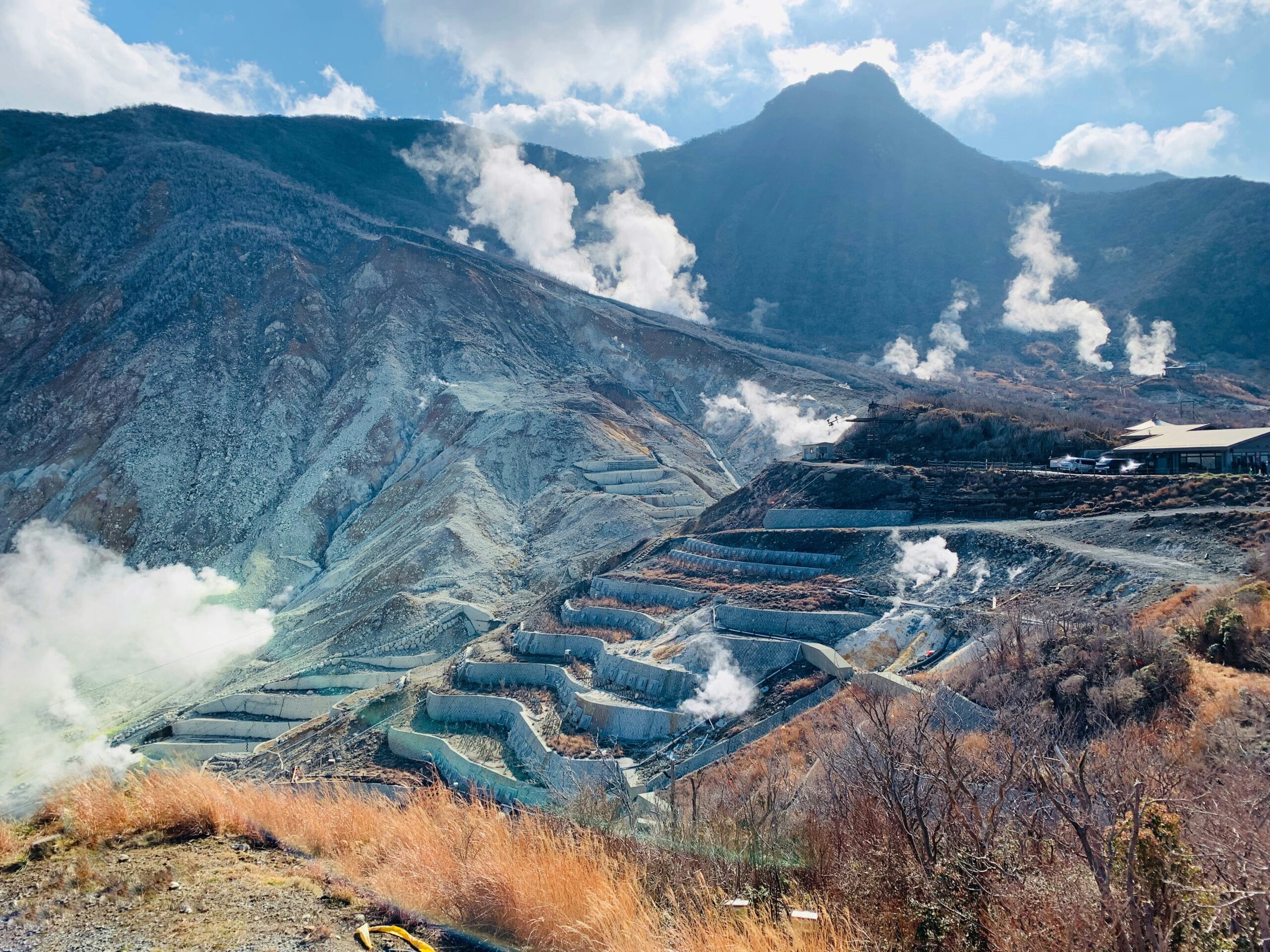
This morning after breakfast, we’ll head out to Owakudani, literally translated as the “Great Boiling Valley” – a dramatic active volcanic valley known for its steaming sulphur vents, bubbling hot springs, and stark, moon-like landscape, and one of the most iconic and ‘otherworldly’ spots in the Hakone National Park. Formed about 3,000 years ago during a major eruption of Mount Hakone, it sits around an old crater and remains geothermally active, with sulphurous fumes, hot rivers, and steam constantly rising from vents in the ground. On clear days, you get stunning panoramic views of Mount Fuji in the distance. You may like to try Kuro-Tamago (Black Eggs) – the signature snack! These are regular chicken eggs hard-boiled in the sulphur-rich hot spring water, turning the shells jet black while protecting the taste and texture of a normal hard-boiled egg – legend says eating one adds 7 years to your life.
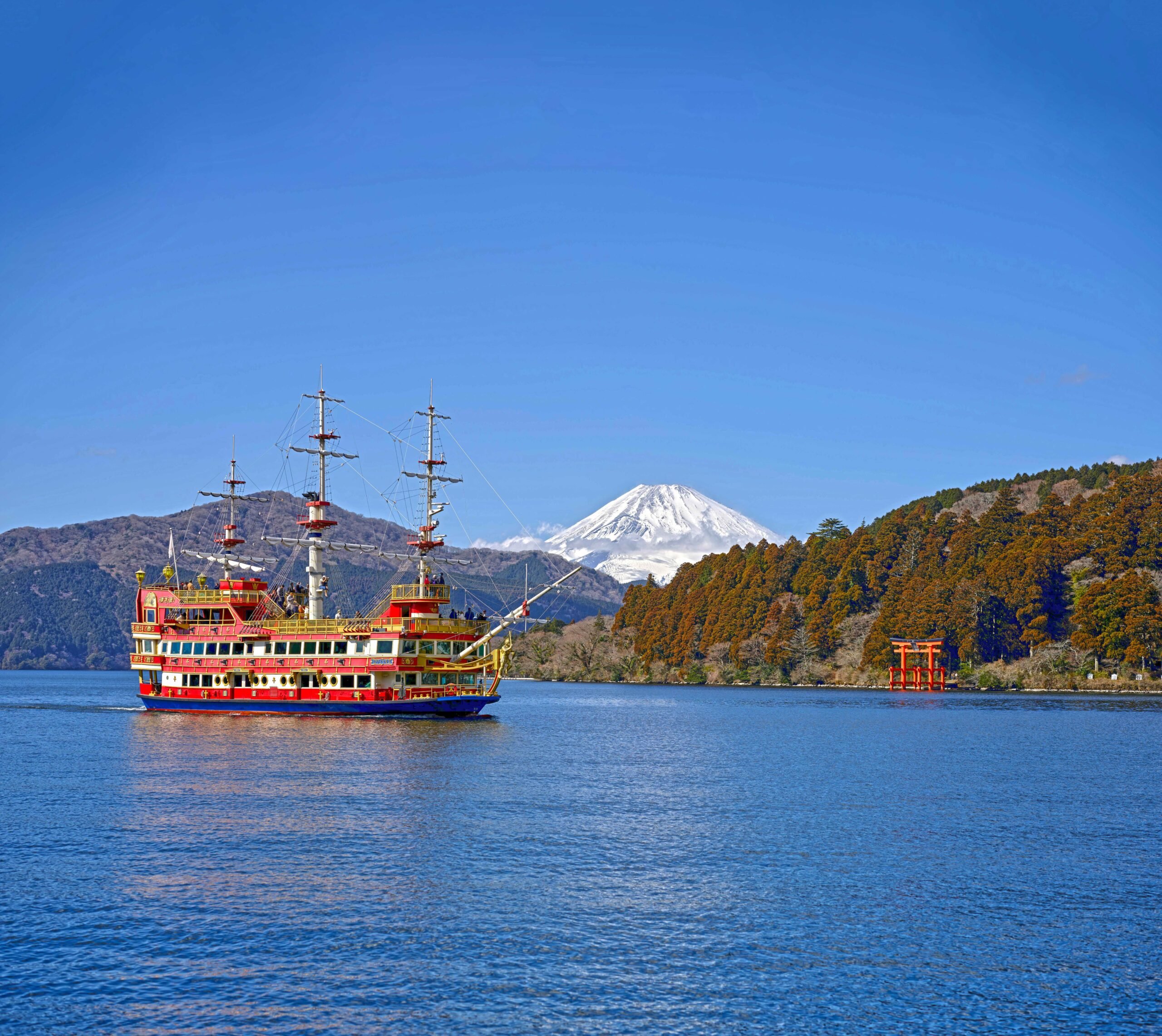
We’ll then take the Hakone Ropeway (cable car), which offers incredible aerial views as you glide over the steaming valley, to Togendai on the shores of Lake Ashi and board an ornate replica pirate ship for a cruise around the lake to marvel at the incredible autumn colours, mountain scenery, and the red Tori Gates of the Hakone-jinja Shrine. After disembarking, we’ll enjoy a very pleasant lunch in a local restaurant before returning to Hakone by private coach for a visit to the magnificent Hakone Open Air Museum.
Featuring around 120 permanent outdoor sculptures from a larger collection of over 1,000 pieces by renowned Japanese and international artists, including Henry Moore (one of the world’s largest collections of his works), Auguste Rodin, Pablo Picasso and more, the outdoor setting here is the star – sculptures are placed thoughtfully amid lawns, wooded paths, and gardens, against the stunning backdrop of Hakone’s green mountains and valleys. A special highlight of the museum is the remarkable Picasso Pavilion, housing the world’s largest private collection of Picasso’s ceramics – more than 100 pieces by one of the 20th Century’s most iconic artists.
After our visit we will return to the hotel by coach or you may like to stay on and take the little Hakone Tozan Railway from Chokoku-no-Mori Station to Gora Station, then stroll up to the hotel.
Dinner tonight is at leisure.
Overnight: Hotel Indigo Hakone Gora, Hakone (B, L)
This morning after breakfast, handing your luggage to our private courier for separate transport, and checking out, we’ll embark on the final leg of the tour back to Tokyo. We’ll kick the day off with a private coach transfer to the Yamanashi Maglev Exhibition Centre for a very special look at the future of rail travel and an exciting glimpse of Japan’s next generation of high-speed trains – the 500-kmh Linear Motor Cars due to go into operation in 2027. You’ll be left breathless after watching the test runs!
Back on our coach, we’ll travel south to Atami, a charming seaside onsen resort town nestled in the remnants of an ancient volcanic crater with hills sloping down to Sagami Bay. You’ll have time to enjoy lunch at leisure before taking your seat on the elegant Saphir Odoriko train, named after the sapphire-esque Izu sea views you’ll enjoy as it trails along the coast on our journey to Tokyo, where we’ll return to our familiar hotel and reunite with our luggage for the next two nights.
Dinner tonight is at leisure.
Overnight: Intercontinental The Strings, Tokyo (B)
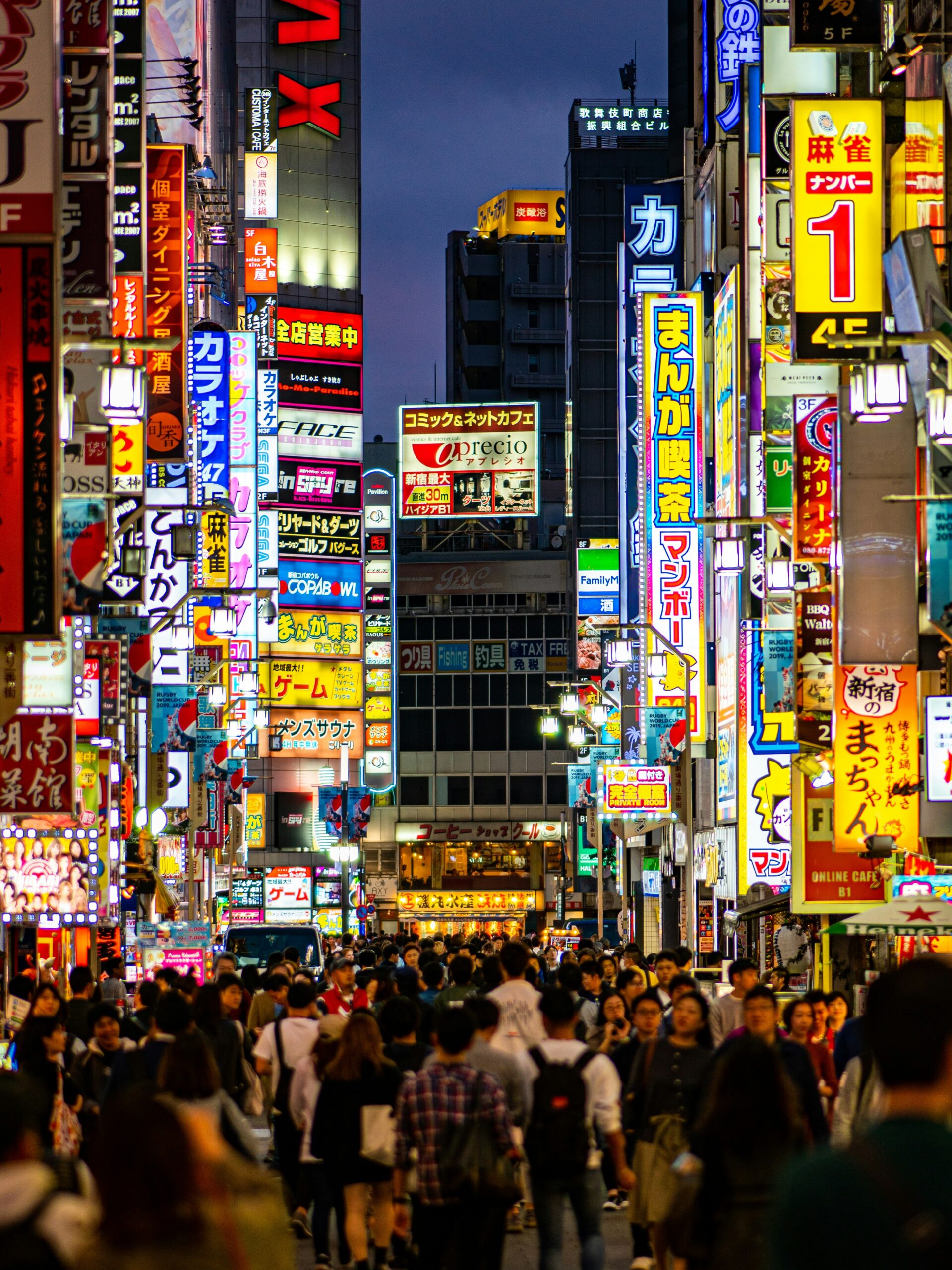
Today is essentially a free day or you may like to join your Tour Leader on a couple of excursions in Tokyo. Using your Rail Pass on the local rail network, you can spend the morning in Ueno Park – Tokyo’s cultural cradle, where most of the city’s major museums can be found, including the Tokyo National Museum, Japan’s oldest and largest, with extensive Japanese art, antiquities, and national treasures; the National Museum of Western Art featuring works by Rodin, Monet, and more; and the National Museum of Nature and Science.
In the afternoon there’s the opportunity to ride the popular monorail with your Tour Leader across the iconic Rainbow Suspension Bridge to the new vibrant area of Odaiba, renowned for its museums and cultural hubs including the iconic Fuji Television Building, the Science and Technology museum, Toyota’s Megaweb Showcase and the Panasonic Centre. This excursion gives you the chance to contrast the futuristic feel, iconic architecture, and a mix of high-tech attractions with the more traditional environment of Ueno Park.
Alternatively, you might like to poke around Tokyo on your own and enjoy shopping in Ginza and Shinjuku or stroll the Ginko tree lined avenue at Meiji Jingu Gaien using the extraordinary subway system, or use your JR Pass to explore further afield. A few ideas just a short Shinkansen ride from Tokyo are the port city of Yokohama, where the past and future seamlessly blend; Nikko, where you can explore more of Japan’s natural beauty and history at the Toshogu Shrine, a UNESCO World Heritage site that showcases the splendor of the Edo period; or travel along the stunning Pacific coast to the charming, historic coastal town of Kamakura.
However you choose to spend your day, we’ll regroup in the late afternoon to enjoy a special farewell dinner together, including drinks.
Overnight: Intercontinental The Strings, Tokyo (B,D)
Our tour ends this morning after breakfast. Your JR Rail Pass is still valid today, so for those not travelling onward until the evening, make the most of it exploring the city or beyond before boarding your flight or train.
If you’d like to stay in Tokyo for a little longer, please reach out to our office on 1300 800 977 so we can arrange your post-tour accommodation at our hotel. Additional nights are subject to hotel availability, so early requests are advised.
(B)
16 nights of accommodation in 4 and 5 star hotels
Full breakfast daily, 7 lunches, 7 dinners (drinks included with two of them)
Airport meet and greet service upon arrival and accompanied transfer to hotel using public transport
14-day Green (First Class) Japan Rail pass
Separate luggage transport on all train legs
All transport fares and excursions provided for in the itinerary
All meals and drinks provided for in the itinerary
Full-time Railway Adventures Tour Leader and Local Tour Manager/Guide throughout
All service gratuities and tips for guides
Accommodation taxes (where applicable)
Travel to tour departure point and from tour end point
Travel insurance (Mandatory for international travel)
Visa fees
Meals and drinks not provided for in the itinerary
Things of a personal nature such as phone calls, laundry, room service, etc
The best train trips possible, private luxury coach for off-train travel, guided walking where suitable, and other appropriate and appealing options to make exploration easy
Hand-picked hotels and resorts based on location, customer feedback, value and atmosphere. Please Note: Hotels of a similar standard may be substituted.
Visa/ETA/ETIAS requirements (International Tours)
Hear from some of our adventurers that have already ridden the rails with us.
Lorem ipsum dolor sit amet consectetur. Tincidunt convallis magna eu ac eu cursus. In duis fusce risus nec eget habitant massa pharetra. Eros a gravida faucibus lorem.

Reserve your place on this exciting exploration of Japan by Rail: Honshu Autumn Colours by Bullet Train.

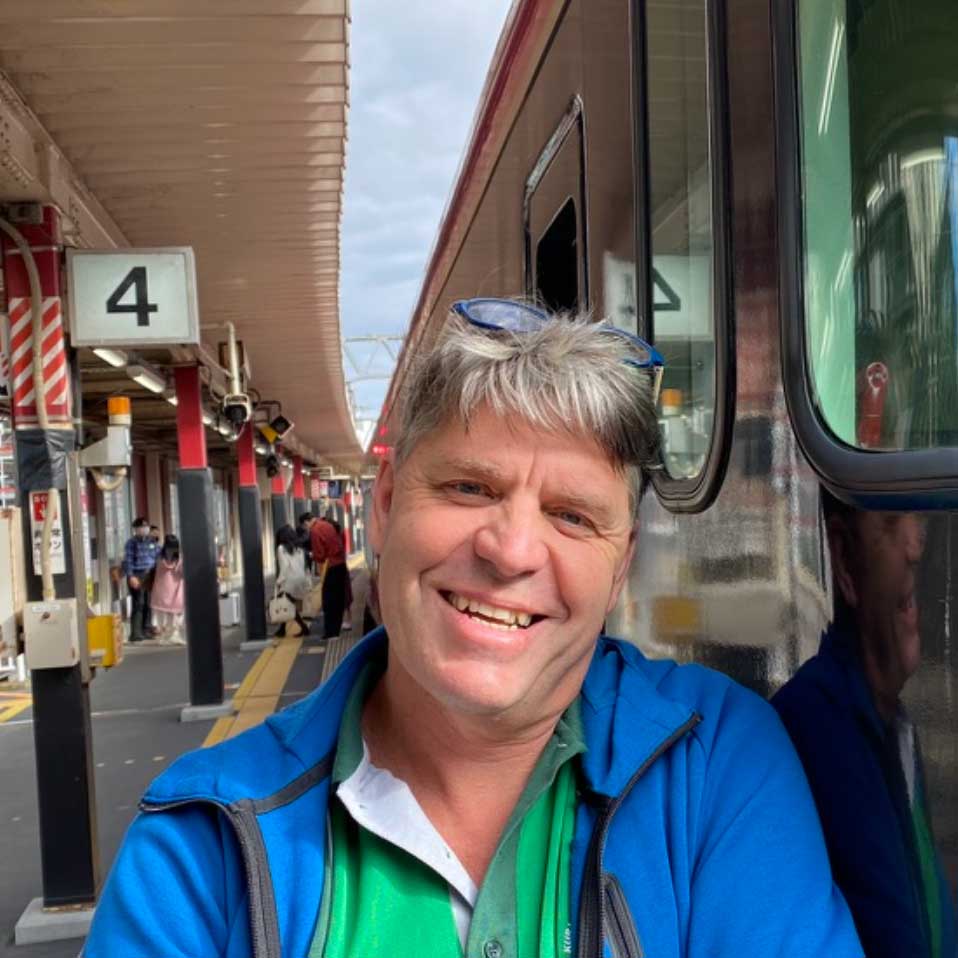
Train traveller, well known TV personality and travel company owner, Scott McGregor, has travelled on some of the world’s most inspiring railway tours and led the most exclusive group adventures to numerous exotic destinations over the years.
“Rustic, character-filled, zig-zagging railways of Burma, opulent hotels on wheels in India South Africa and Sri Lanka, steam-hauled heritage trains in some of the most staggeringly scenic parts of the world, dinky little rail-cars in outback Queensland, bullet trains in Japan, cliff-hugging lines in Switzerland and Norway—if it travels on a rail track, I’m there!”, exclaims self-confessed train travel tragic, Scott McGregor. “In my mind, travelling by rail is still the most wonderful way to immerse yourself in the country you’re visiting. It’s romantic, relaxing and about as much fun as you can have!”.
Aa a child of the last days of steam trains in the busy junction town of Orange, NSW; trains heading in all directions offering temptations and dreams of faraway places, left an indelible impression on a young, inquisitive boy and Scott has been riding the rails in one form or another ever since. While Scott’s acting career of 30 years kept him busy starring in numerous TV shows and stage plays and then as an on-air presenter on programs such as Better Homes and Gardens, Room for Improvement and various pay-TV programs, his passion for railway tours was ever-present. “Presenting a series of Railway Adventure travel programs for Channel 7 was a career highlight”, he says with as much enthusiasm now as he had then.
In 2012 Scott decided to combine three of his passions; travel, trains and presenting, and launched Railway Adventures. Not only does he get to expand his own horizons and indulge his love of train travel, he gets to use his extensive hosting experience and love of people to lead other like-minded travellers on escorted train tours around the world. Since then, Railway Adventures has mounted more than 50 tours from Sweden to Sri Lanka, Tasmania to Transylvania, Britain to Burma and Venice to Vietnam, thrilling over 1,000 travellers. New tours are launched regularly, inspired by new trains, new routes and the growing interest in taking a train to some of the world’s most fascinating places. But you don’t have to be a train ‘nut’ to enjoy a Railway Adventures tour – there’s something for everyone!
Just one example of how Scott finds inspiration for a tour can be found in Outback Queensland. “There you find some of Australia’s most eccentric and appealing trains and together with a mail-plane flight over the Gulf and some interesting local coach and boat trips you have the essence of a quintessential Aussie outback adventure. The sleeper train, The Spirit of the Outback, the Savannahlander and the Gulflander (which has been running on the same timetable for more than 125 years!) are all iconic trains that traverse various parts of the wild Outback, Savannah and tropical rainforest landscapes of the vast state of Queensland. Along with some other special treats not available to the ordinary traveller, Railway Adventures passengers get to do it all!.
One of his favourite journey’s is by private train in Sri Lanka. For 2 weeks every year Scott charters the Viceroy Special heritage train to tour the island on a gentle rail cruise with a lucky group of travellers. Staying in luxury resorts and hotels along the way, his special train travels to almost every corner of the scenic island. “Having a private train at your disposal for an adventure around this magic island is a rare treat and a great way to immerse yourself in the scenery and culture of the country.”, he enthuses. “Our Vietnam tour makes use of private carriages attached to regular trains to explore that great country in comfort and in South Africa we use a variety of trains including the luxurious Rovos Rail and the Royal Livingstone steam train to move from one incredible adventure to another”.
Apart from the obvious joy of seeing a country by train, travelling in a small group of like-minded travellers with a dedicated, experienced tour leader and knowledgeable, English-speaking local guides is what really sets Railway Adventures apart. “The camaraderie that comes from both shared purpose and shared experiences on tour is an important aspect of the journey” Scott adds. “We’ve seen many people become life-long friends from the time they shared together along the line. The best feeling in the world is when I welcome these same people on repeat journeys”.
Along with popular destinations like Switzerland, Scandinavia, Outback Queensland and Sri Lanka, a new breed of more unusual destinations has gained great interest. Java, Cuba, Southern Africa, India and the New England region of NSW are just some of the newer adventures on offer. As for Scott’s next escape, it’s most likely some quality time at Ruwenzori Retreat, his own personal train on the Great Dividing Range near Mudgee, Central NSW. Built from a collection of vintage railway carriages it’s now a boutique tourist accommodation, comprising exclusive Orient Express style comfort for up to 13 guests. “When the travels are done, coming back to my own train in the beautiful Mudgee mountains is the most restorative and magical time for this committed rail romantic”, Scott says.