Corner Country Explorer
23 June 2026
21 July 2026
18 August 2026
1 September 2026
22 September 2026
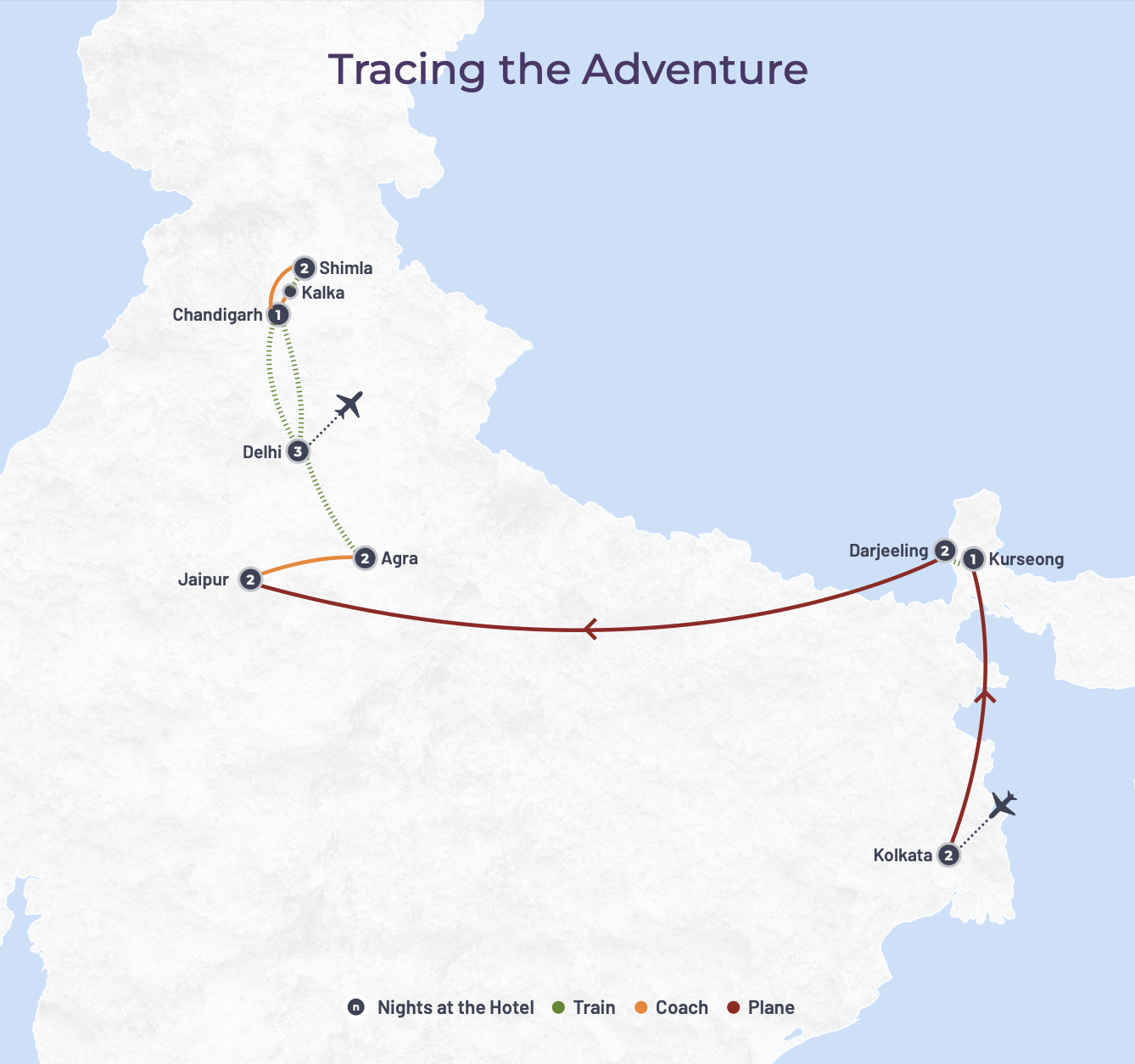
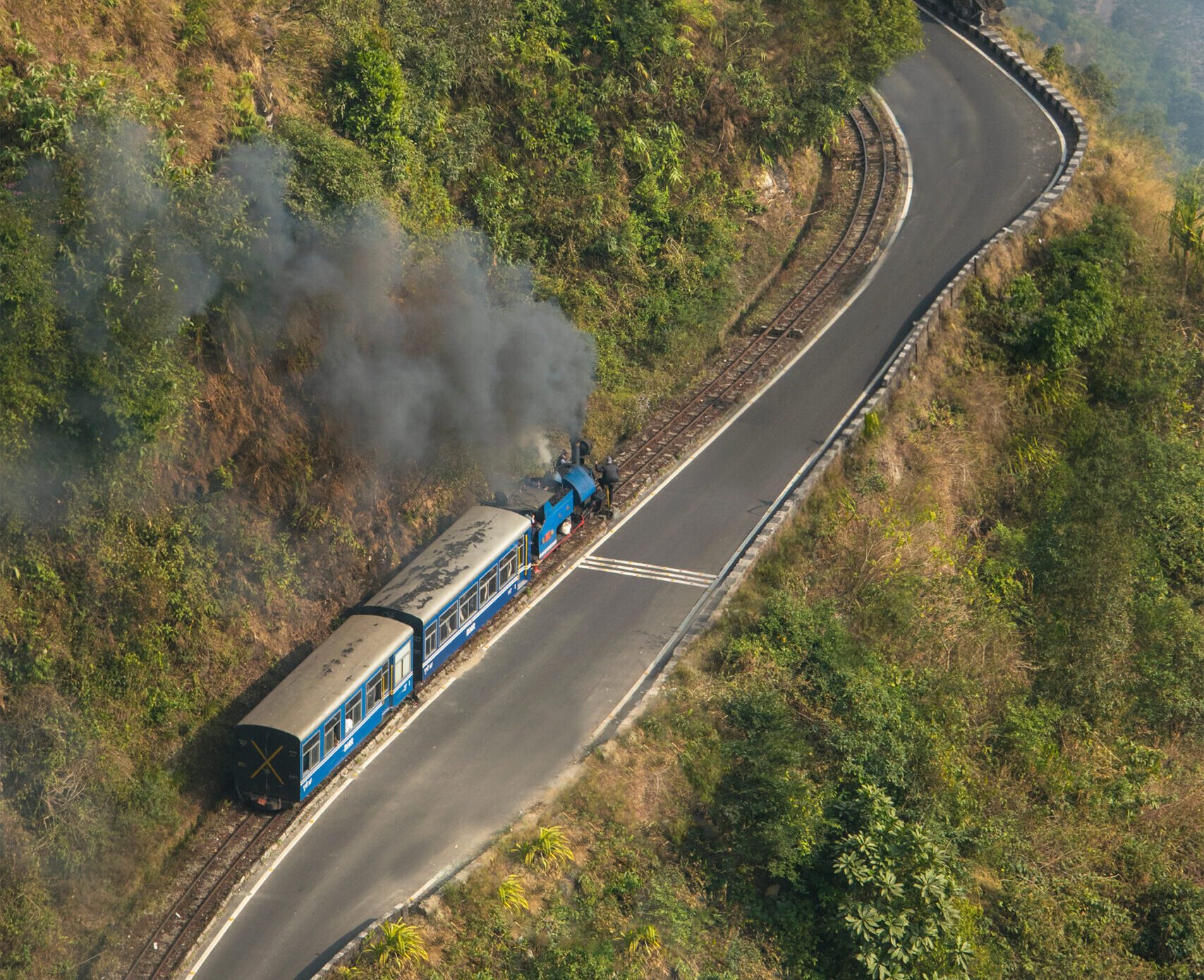
This isn't just a tour - it's a fully-escorted 16-day symphony of experiences, where each stop reveals a new chapter in India's storied narrative. From the bustling streets and colonial grandeur of Kolkata to the serene Himalayan foothills of Darjeeling and Shimla, and the grandeur of Jaipur and Agra, this itinerary offers a captivating exploration of India’s rich history and vibrant culture. Travel aboard local and heritage trains and enjoy private charters on the legendary Darjeeling Himalayan Railway and the scenic Kalka-Shimla line.
Upon arrival in Kolkata, you will be warmly welcomed by our representative and escorted to your hotel. Check in is available from 2pm.
Kolkata, nestled on the eastern banks of the River Hooghly, is often hailed as India’s “Cultural Capital” or “Literary Capital.” Once the capital of British India until 1911, Kolkata remains a vibrant hub of commerce, education, and the arts, renowned for its rich literary and revolutionary heritage.
Our tour starts tonight at 6pm with welcome drinks at The Junction, the Taj Bengal hotel’s train inspired bar, followed by a welcome dinner, including drinks, to get to know your tour leader and fellow travellers and hear about what is ahead.
Please reach out to our office on 1300 800 977 if you’d like to arrive earlier in Kolkata, so we can arrange your pre-tour accommodation at our hotel.
Overnight: Taj Bengal, Kolkata (D)
This morning after breakfast, you’ll step into the grand narrative of the Raj as you set out on a guided heritage walking tour of the historic Dalhousie Square region – the ceremonial heart of colonial Calcutta – offering a captivating glimpse into Kolkata’s 18th and 19th-century architecture and political history, making it a perfect introduction to the city’s rich cultural legacy.
You’ll take in iconic colonial-era landmarks, including Raj Bhawan, Treasury Building, St. John’s Church, Secretariat Offices, Kolkata GPO & Postal Museum,Collectorate Building, Writers’ Building, St. Andrew’s Church, Old Currency Building, Central Telegraph Office, and the historic Great Eastern Hotel.
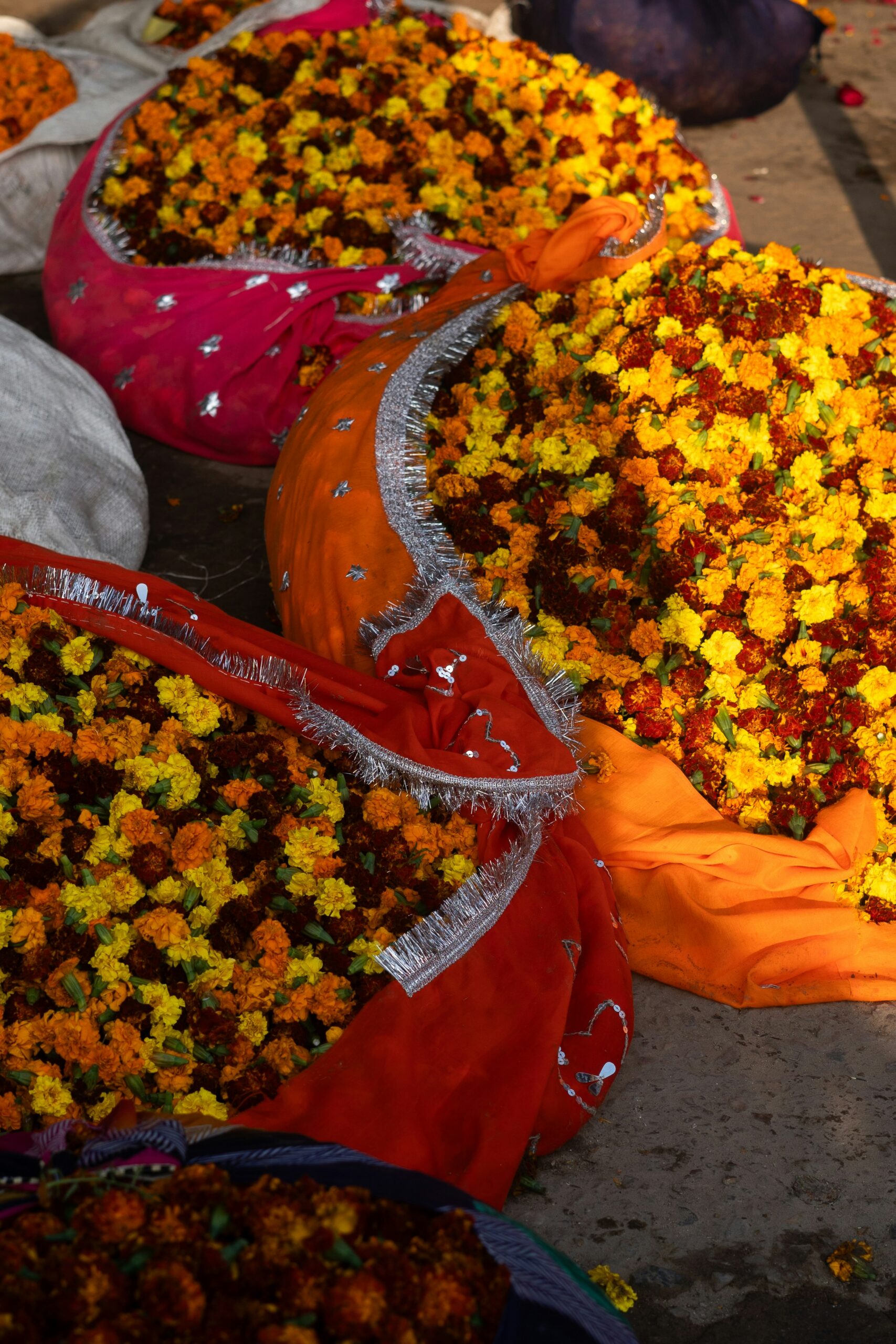
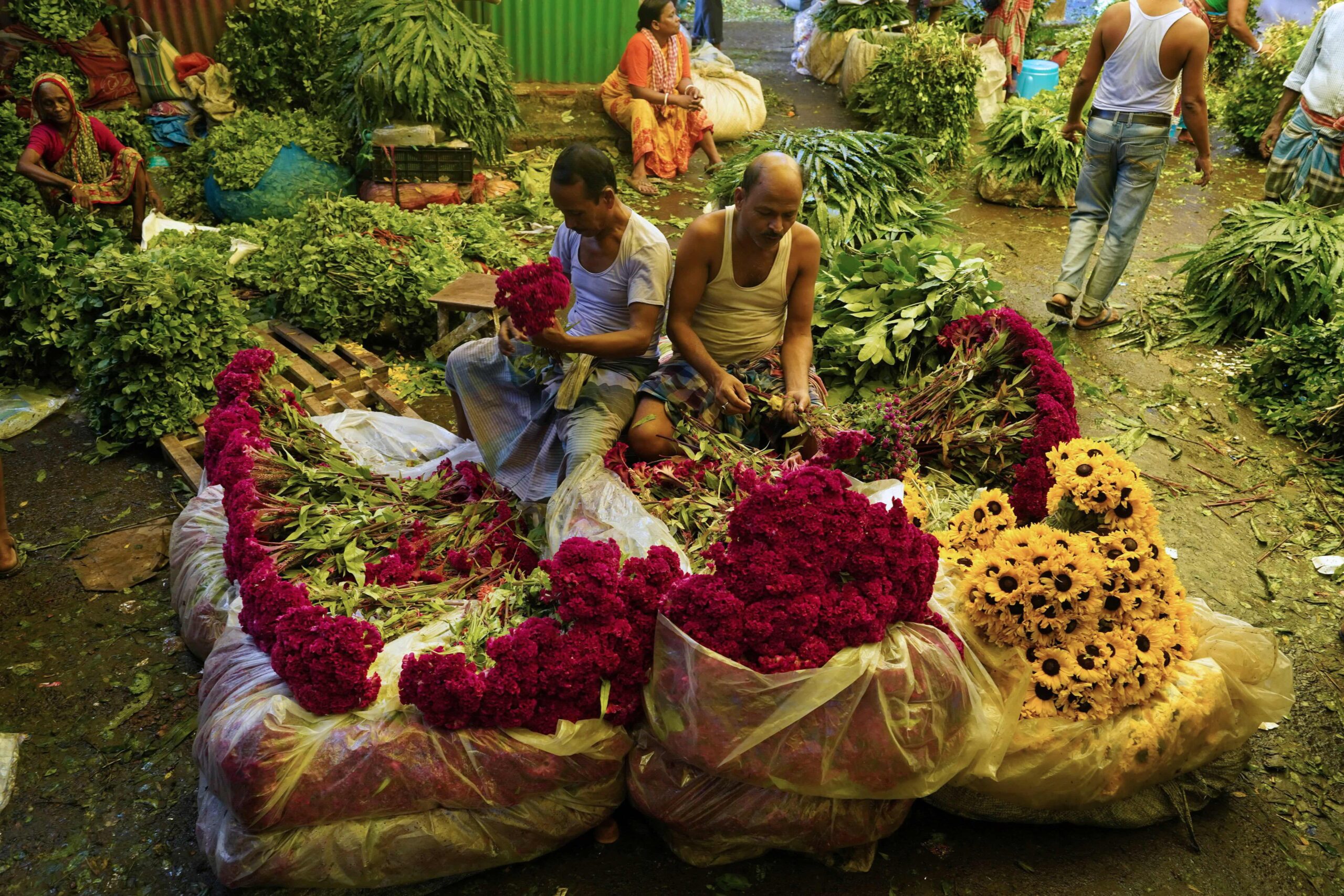
We’ll continue to the extraordinary Mullick Ghat Flower Market located on the banks of the Hooghly River beneath the mighty Howrah Bridge, where thousands of traders gather each day in a riot of colour and fragrance in what is one of Asia’s largest wholesale flower markets. Immerse yourself in the rhythm of local life on the Hooghly River, from flower vendors and boatmen to wrestlers training on the clay banks, and marvel at the engineering brilliance of Howrah Bridge, one of the great icons of Indian rail history. A cantilever truss bridge constructed as a rail bridge in 1939 using 26,500 tons of steel and built entirely by riveting, without a single nut or bolt, it opened to motor vehicles in 1943 and today, it carries over 100,000 vehicles and 2 million commuters daily. We’ll cross the bridge to look at the historic Howrah Railway Station, India’s second-oldest railway terminal. With 23 platforms serving over 2 million passengers daily, it’s a monumental colonial-era landmark terminal and one of the busiest rail hubs in the world.
After pausing for lunch at a local restaurant, we’ll visit the exquisite Jain Temple, a richly ornamented 19th-century sanctuary dedicated to Pareshnath, revered for its jewel-adorned deity and its eternally burning sacred flame.
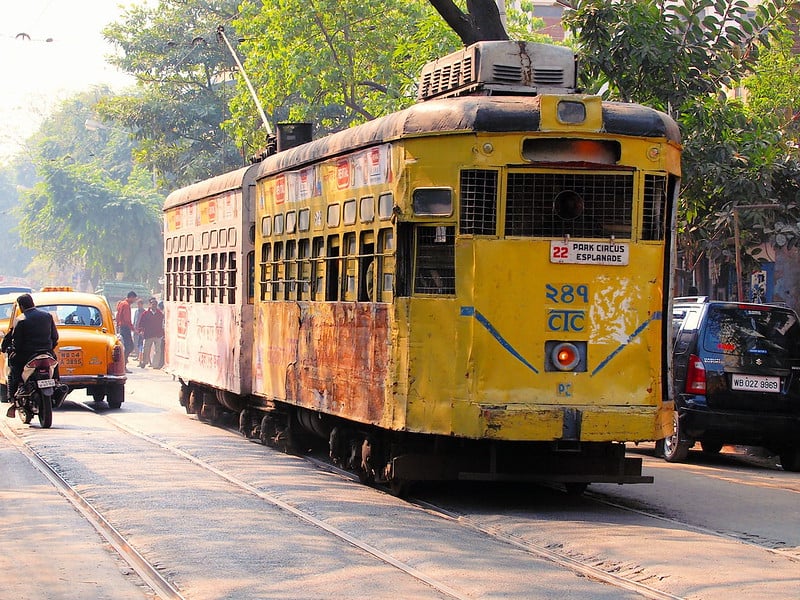
Our day will conclude with a delightful heritage tram ride through Kolkata’s atmospheric old quarters, travelling aboard beautifully preserved streetcars that were saved through the efforts of Australian tram conductor Roberto D’Andrea – a unique link between India and Australia. If time permits, we’ll visit Mother Teresa House (Nirmal Hriday), the first Missionaries of Charity home founded by Mother Teresa in 1950, and learn about the remarkable humanitarian legacy that continues to define Kolkata’s compassionate spirit.
Dinner tonight is at our hotel.
Overnight: Taj Bengal, Kolkata (B, L, D)
This morning after a leisurely breakfast and checkout, we’ll transfer to the airport for our flight to Bagdogra, the gateway to the Eastern Himalayas. Lunch will be served on board.
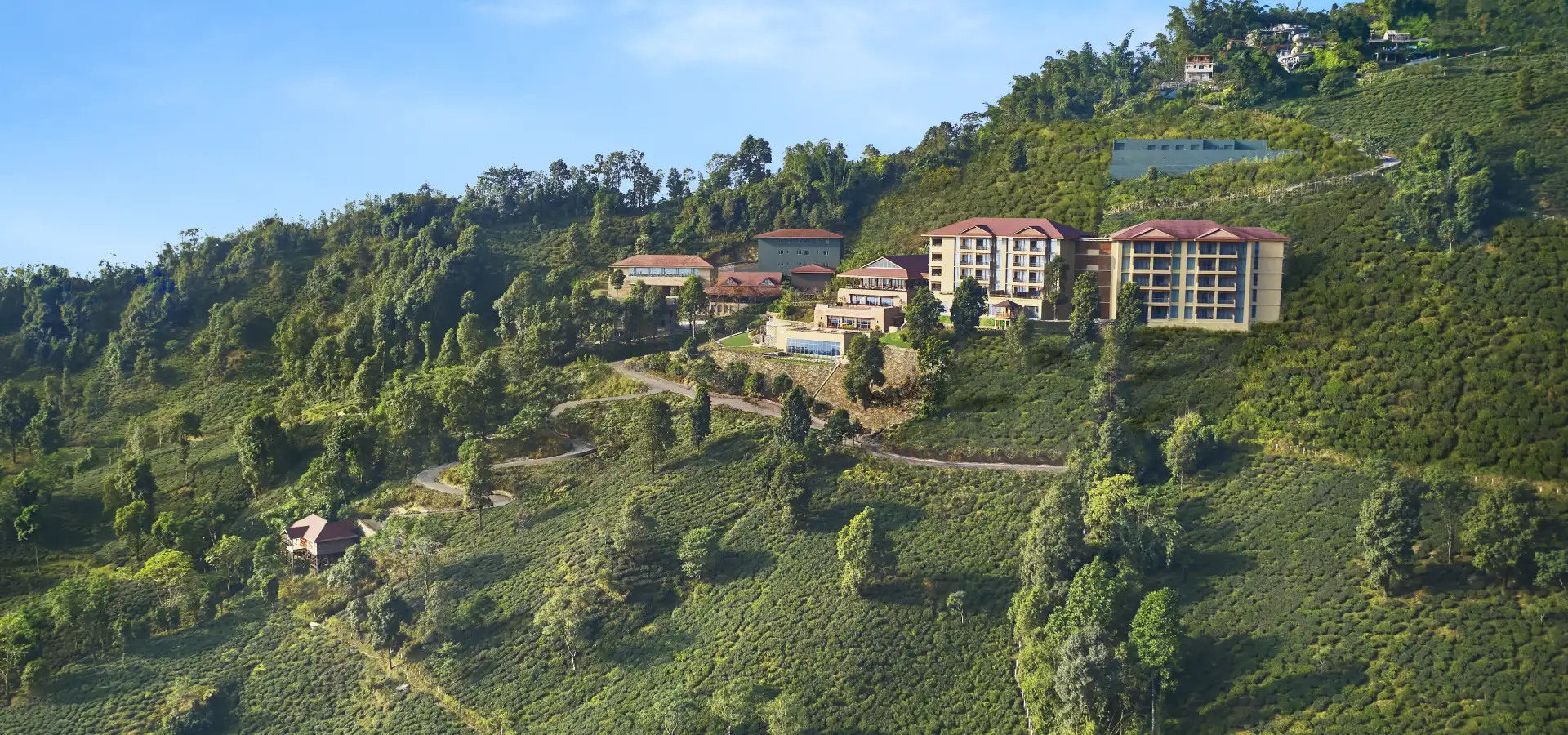
Upon arrival, we’ll travel onward via private vehicles into the hills to Kurseong, often referred to as the “Land of White Orchids”, renowned for its tranquil countryside, colonial charm, and tea-scented mountain air. After checking in to our hillside resort hotel, beautifully set within a historic tea estate, you’ll have time to relax and take in the sweeping views across the misty Darjeeling hills from your balcony before dinner.
Overnight: Taj Chia Kutir Resort & Spa, Kurseong (or similar) (B, L, D)
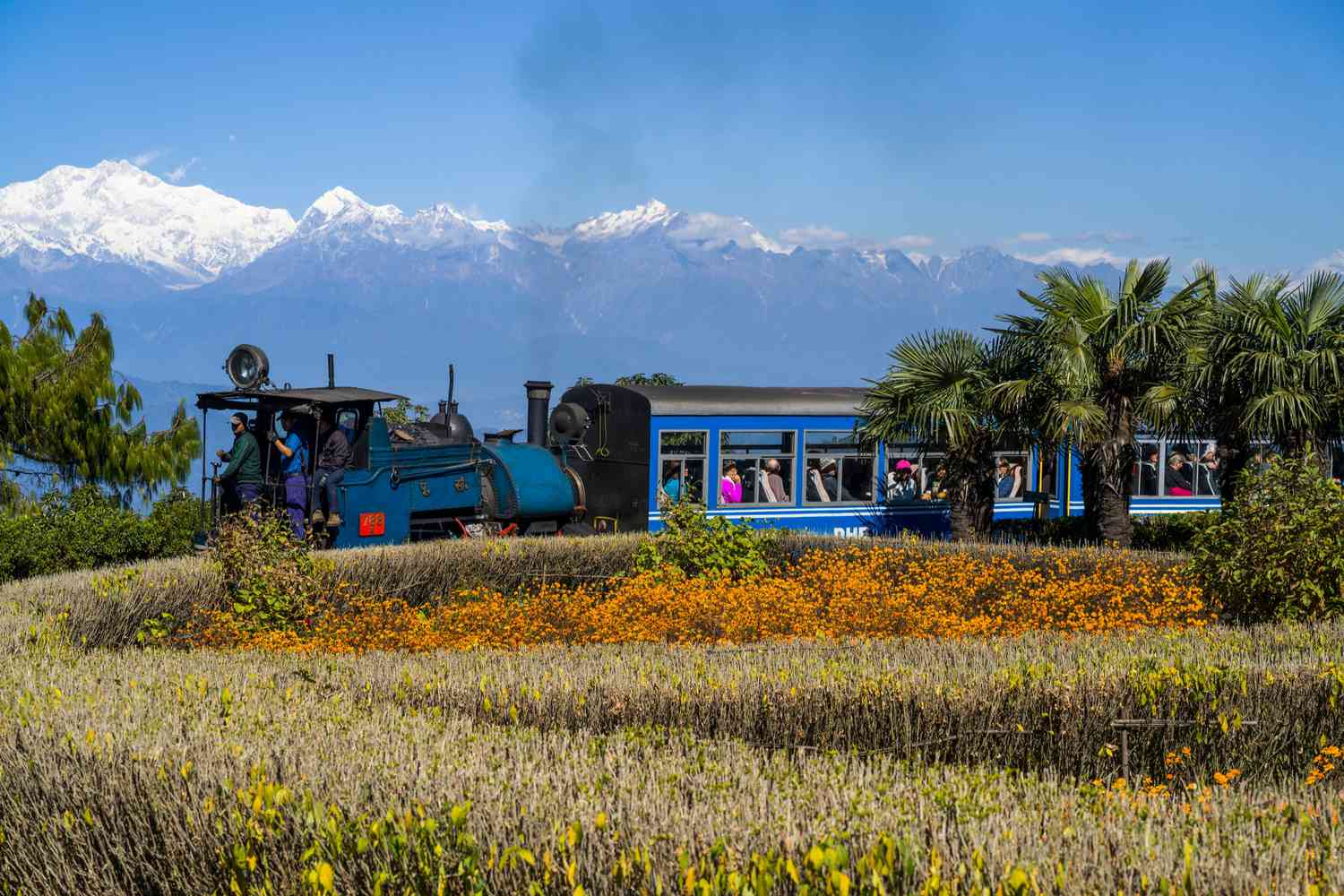
This morning after breakfast and check out you’ll have some time to explore the resort a little more before transferring to the charming Kurseong Railway Station to embark on and unforgettable private charter of the famous heritage Darjeeling Toy Train, to ride the World Heritage listed narrow gauge Darjeeling Himalayan Railway, under steam where possible. Completed in 1881, this wonderful railway is a marvel of engineering with six zigzagging switchbacks, three loops, and even has the train reversing through bustling bazaars and hillside stations as it climbs toward the world famous hill station of Darjeeling, passing through Ghum, India’s highest railway station at 2,258 metres.
Upon arrival, we’ll transfer directly to lunch at a local restaurant before checking in to the elegant Windamere Hotel, one of the most historic and iconic hotels in Darjeeling and widely regarded as the oldest heritage hotel in the country. Originally built in 1841 as a private residence before being converted into a boarding house in the late 1880s, primarily serving British tea planters and other colonial figures during the British Raj era, it officially became the Windamere Hotel in 1939 and has been preserved as a heritage property ever since, offering a nostalgic glimpse into 19th- and early 20th-century Himalayan life.
Enjoy a few hours at leisure before regrouping for dinner in the hotel. The Windamere’s superb location on Observatory Hill in the heart of Darjeeling, right beside Mall Road, is perfect for setting off and exploring on your own, or simply relaxing on the terrace with panoramic views.
Overnight: Windamere Hotel, Darjeeling (B, L, D)
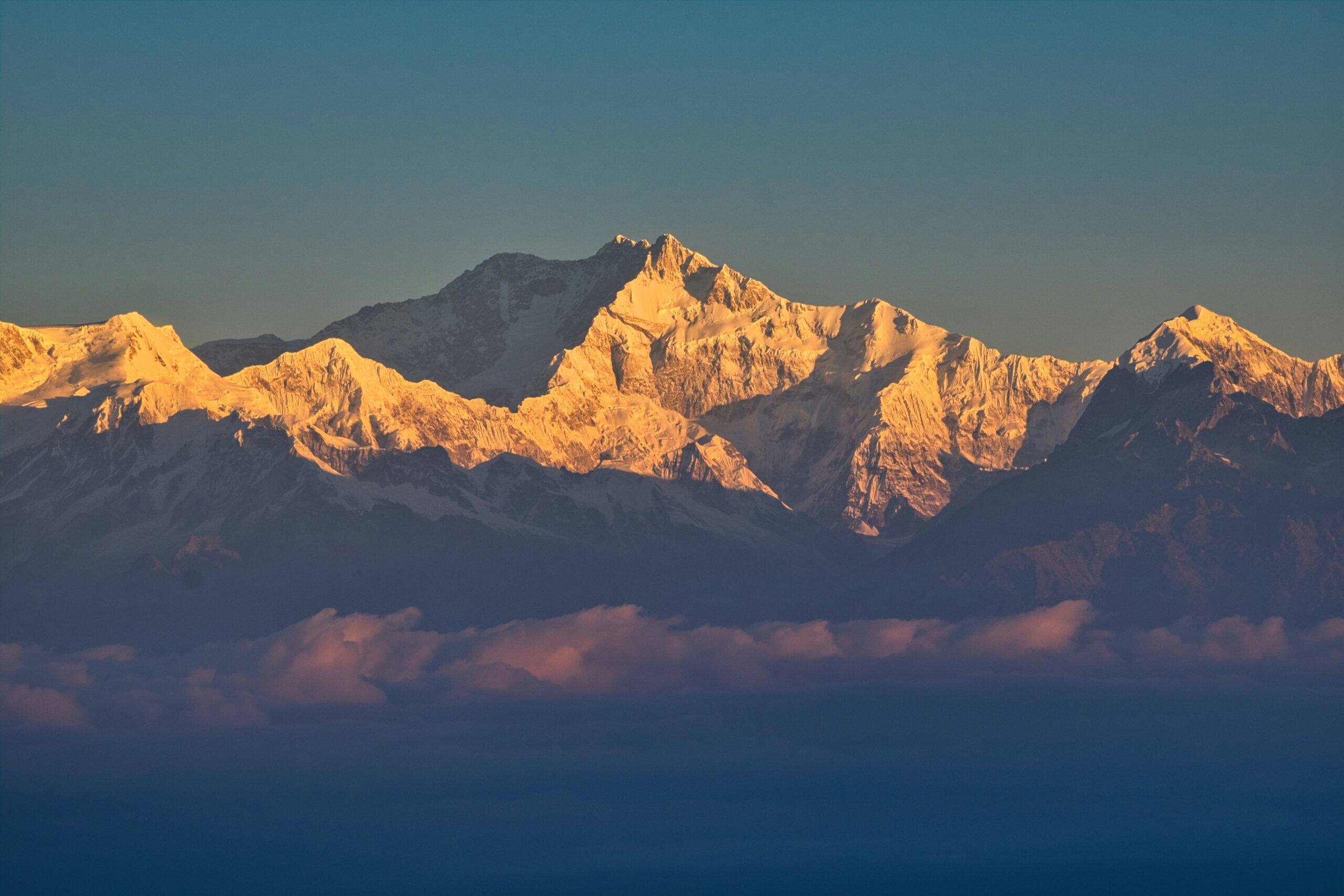
For those that are willing to rise very early, and weather permitting, you’ll have the opportunity to join a memorable sunrise excursion to Tiger Hill to watch the first rays of the sun illuminate the snow-capped peaks of the Eastern Himalayas and bathe them in soft gold. The Kanchenjunga, India’s highest mountain glows in shades of pink, orange, and gold as it majestically emerges from the morning mist – a truly magical start to the day. On exceptionally clear days, you can even spot Mount Everest peeking in the distance, along with other Himalayan giants.
You’ll return to the hotel in time to enjoy some breakfast with your fellow travellers before embarking on a morning visiting the Himalayan Mountaineering Institute and the Tibetan Refugee Centre, a moving cultural sanctuary supporting Tibetan artisans and families. Founded in 1954 to commemorate the first successful Everest ascent by Tenzing Norgay Sherpa and Edmund Hillary, the Mountaineering Institute is one of the world’s premier mountaineering training institutes, and also home to the Everest Museum. Here, you can wander the displays of expedition gear from historic climbs (including items from the 1953 Everest expedition), photographs, maps, a 3D model of the Himalayas showing major peaks like Everest and Kanchenjunga, and memorabilia honoring Tenzing Norgay.
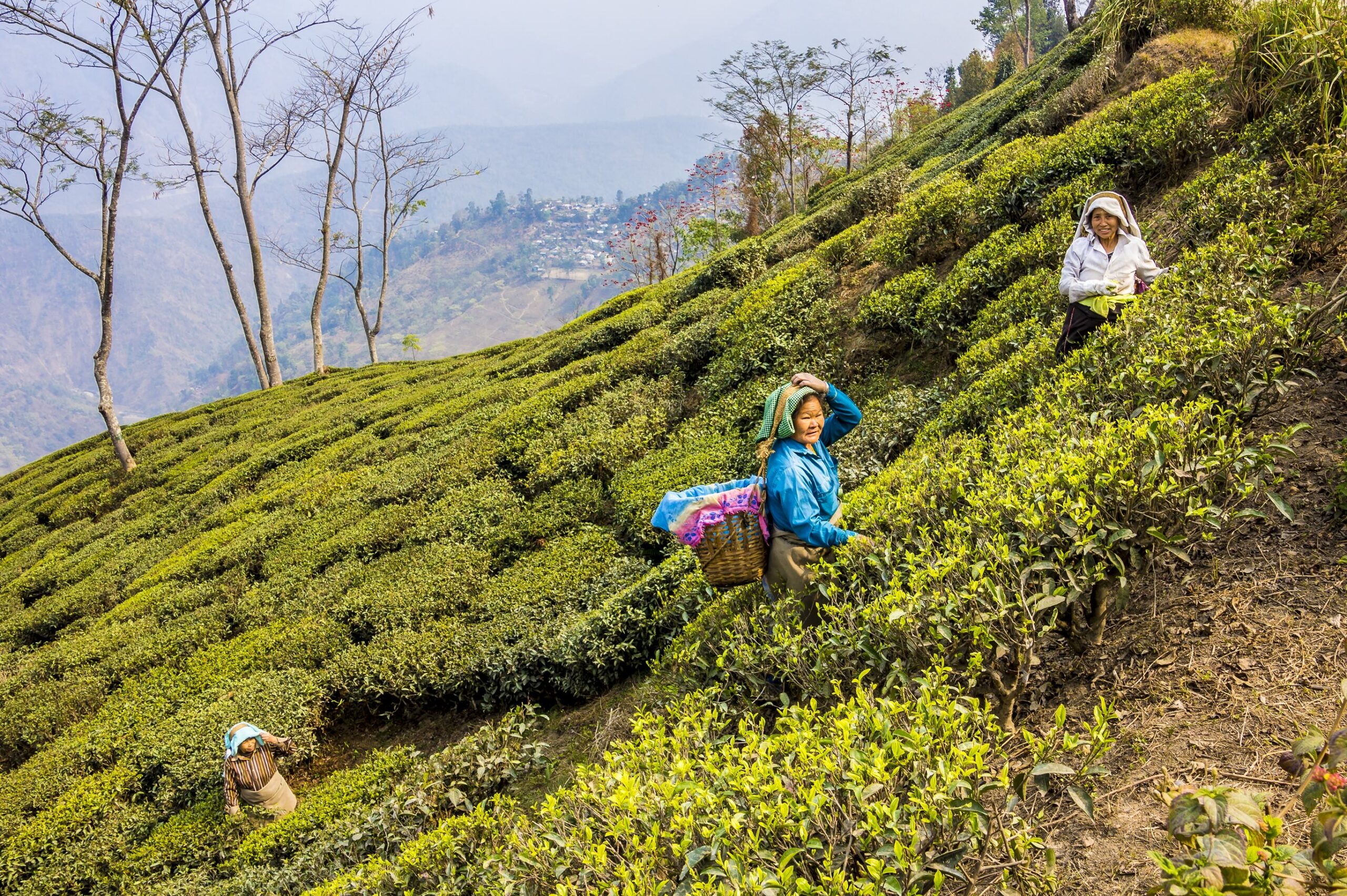
After pausing for lunch together at the comfortable Swiss Heritage Resort and Spa, we’ll immerse ourselves in Darjeeling’s famous tea culture with a guided visit to the renowned Happy Valley Tea Estate, established in 1854 by Englishman David Wilson it is one of the highest tea plantations in the world and Darjeeling’s second-oldest tea estate. Tea cultivation began here around 1850 with bushes imported from China – many of the bushes still producing leaves are 80-150 years old, contributing to its unique character. While the factory will be in its winter ‘rest mode’, your guide will explain the processes and it’s a fantastic spot to enjoy a peaceful, high quality ‘cuppa’ amidst serene, breathtaking scenery and wander through the tea gardens.
We’ll return to the hotel in the mid afternoon, where you’ll have some time to rest or take a leisurely stroll around Observatory Hill or browse the lively Mall Road, where shops and cafés capture the enduring charm of this Himalayan hill station.
Dinner tonight is at the hotel.
Overnight: Windamere Hotel, Darjeeling (B, L, D)
After breakfast and checkout we’ll bid farewell to the majestic Himalayas and descend to the foothills for a scenic drive of approximately 3.5 hours to Bagdogra Airport, pausing for lunch along the way at a local restaurant. Upon arrival at the airport, we’ll check in for our flight to Jaipur, via a brief stopover and plane change in Kolkata.
On arrival, we’ll transfer directly to our hotel for check-in. Dinner is at leisure this evening, allowing you to get out and about in the atmosphere of this enchanting city, or immerse yourself in the majesty of our 5-star heritage hotel and the dining options on offer.
Jaipur, the vibrant capital of Rajasthan, and a key part of India’s Golden Triangle circuit, is a UNESCO World Heritage site famously known as the Pink City due to its distinctive terracotta-pink painted buildings in the old walled area. Founded in 1727 by Maharaja Sawai Jai Singh II, it’s India’s first planned city with a grid layout, wide boulevards, and nine rectangular blocks symbolizing the nine divisions of the universe. In 1876, the entire city was painted pink, a color symbolising hospitality, to welcome the Prince of Wales (later King Edward VII), and the tradition continues in the historic core. From its bustling bazaars to its grand palaces, Jaipur welcomes you with its unique blend of history, architecture, and colour and offers a rich tapestry of traditions, culture, and heritage.
Overnight: The Raj Palace, Jaipur (B, L)
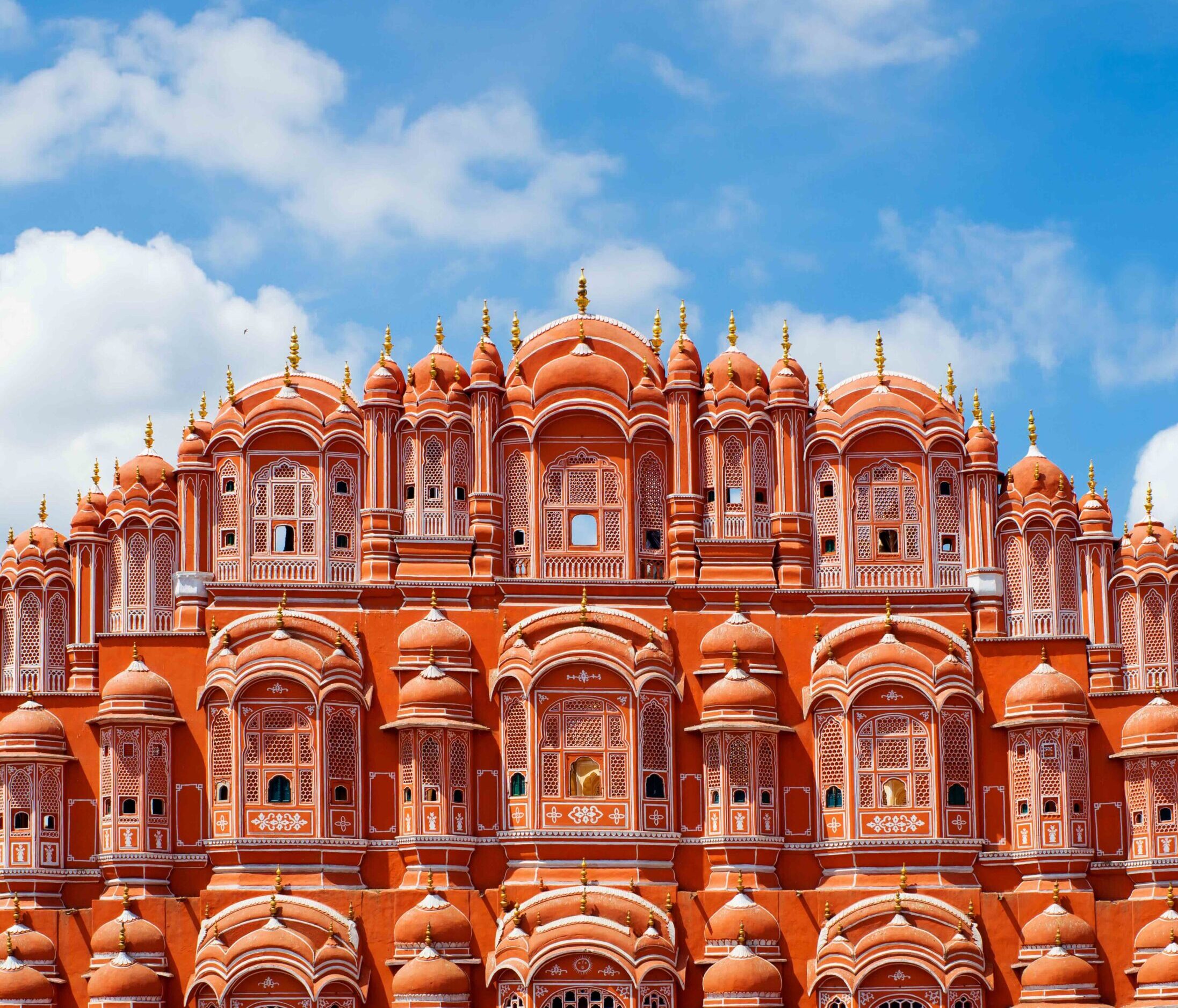
This morning after breakfast, we’ll embark on a full day exploring the “Pink City” of Jaipur, where history, culture, and vibrant streetscapes come alive. We’ll kick off with a photo stop at the iconic Hawa Mahal, the “Palace of Winds” – the famous iconic five-story pink sandstone facade with 953 honeycomb-like jharokhas (windows) designed for royal women to observe city life and processions while maintaining their privacy under the practice of purdah. Built in 1799 by Sawai Pratap Singh, its intricate façade and latticework make it one of Jaipur’s most beloved landmarks.
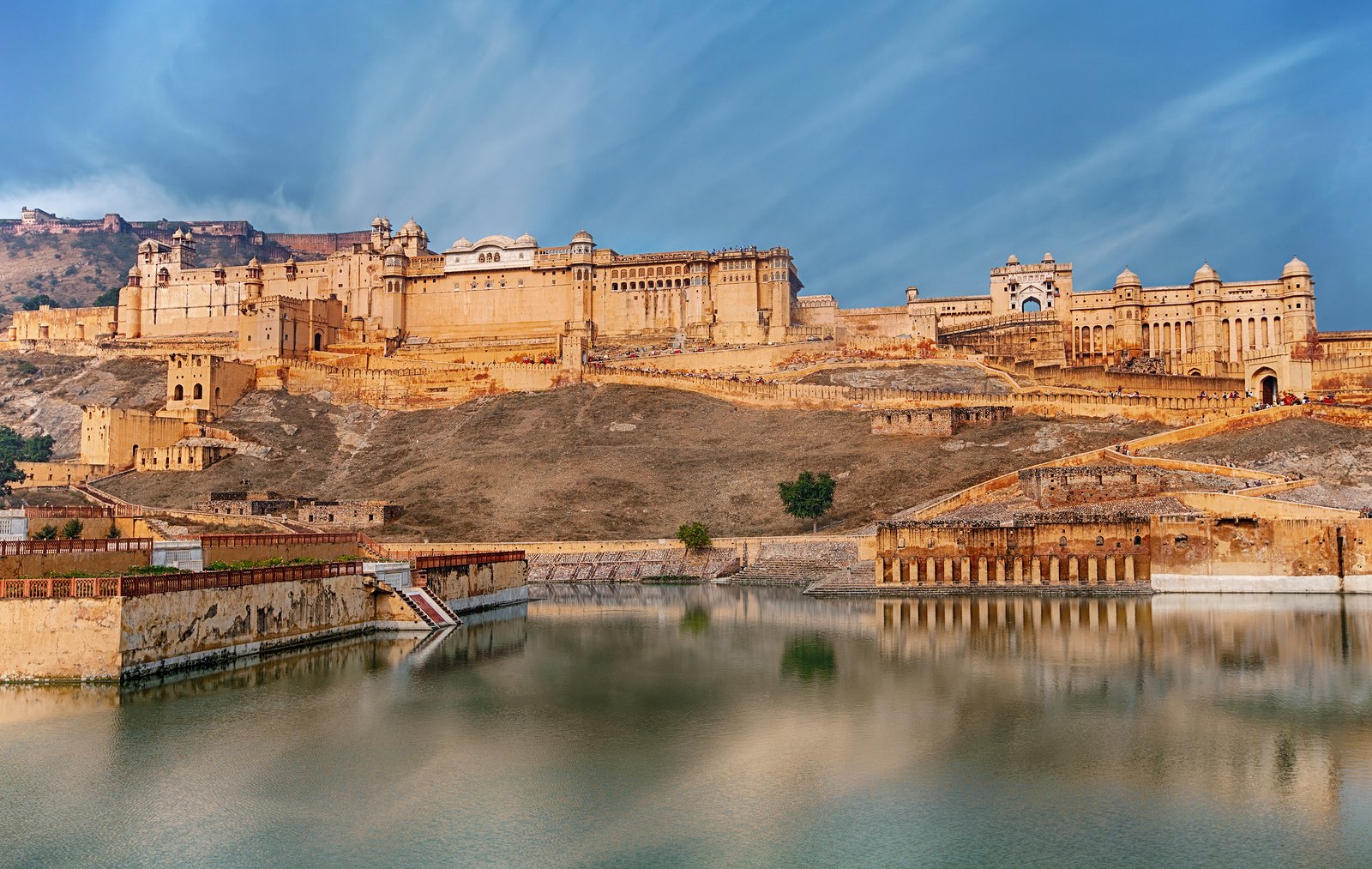
We’ll continue to the majestic Amber Fort, a UNESCO World Heritage site and one of Jaipa – a sprawling hilltop fort-palace, overlooking the picturesque Maota Lake, that exemplifies the grandeur of Rajasthan’s royal heritage. Constructed in 1592, the fort exemplifies a stunning fusion of Hindu and Mughal architecture – marvel at its red sandstone and white marble walls, intricate carvings, and expressive paintings. Inside, the famed Sheesh Mahal, or Hall of Mirrors, sparkles with ceilings and walls adorned with Belgian mirrors that reflect every glimmer of light, creating a breathtaking spectacle.
After enjoying lunch at a local restaurant, we’ll immerse ourselves in Jaipur’s lively streets on a Pink Rickshaw Ride through the walled city. Eco-friendly and driven by women from local communities, these rickshaws traverse bustling markets such as Tripolia Bazaar, Badi Chaupar, Choti Chaupar, Ajmeri Gate, and Chodha Rasta, concluding at Albert Hall or vice versa, offering an intimate view of city life.
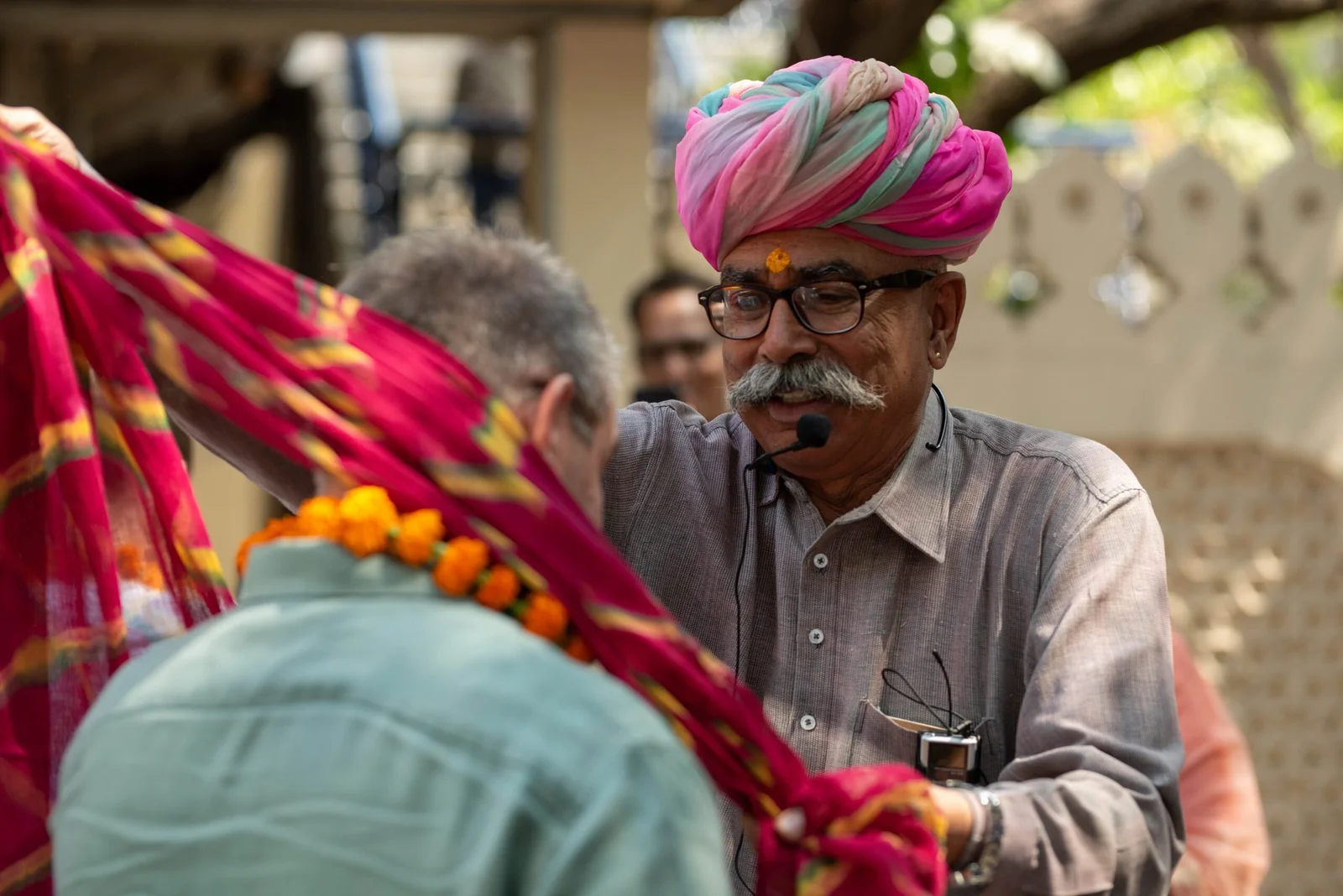
Our afternoon will conclude learning something quintessential to Indian life – a Sari Draping and Turban Tying lesson. Ladies will learn the elegant art of transforming six metres of silk into a flowing sari, while gentlemen will be guided in how to traditionally tie a turban, a symbol of pride and honour in Indian culture.
As evening falls, something really special awaits – a cooking demonstration and dinner with a local Indian family. Discover the secrets of Indian spices and their artful blending into flavorful curries, share stories, and enjoy a home-cooked meal, gaining a unique insight into daily life and hospitality in Rajasthan.
Overnight: The Raj Palace, Jaipur (B, L, D)
This morning after breakfast and checkout, we’ll set out on a scenic drive to Agra, a city steeped in Mughal grandeur, and the home of the stunning Taj Mahal. We’ll pause our journey near Kalakho for a delightful rural experience aboard a Jugaad, the locally assembled “Village Mercedes.” A Jugaad is a quintessential Indian transport concept embodying resourceful ingenuity – making do with whatever is available, often under constraints like limited money, materials, time, or infrastructure. At its core, jugaad represents a mindset of creativity born from necessity – bending rules slightly, thinking laterally, and turning adversity into opportunity. Travel along rustic trails and open countryside, observing the rhythms of village life. You may even be welcomed into a local home for a cup of chai, offering a warm and authentic glimpse into rural Rajasthan.
We’ll enjoy a leisurely lunch at a charming countryside palace hotel before continuing to Agra. Situated on the banks of the Yamuna River, Agra was once the vibrant political center of the Mughal Empire before Shah Jahan moved his capital to Delhi. The city’s architectural treasures – forts, mausoleums, and palaces – stand as a testament to the opulence and artistic vision of the Mughal era. Agra is also famed for its exquisite inlay work on marble and soapstone, crafted by artisans whose skills descend directly from the Mughal craftsmen.
On arrival, we’ll go directly to our hotel and check-in. After some time to relax and freshen up, dinner will be served in the hotel.
Overnight: Courtyard by Marriott, Agra (B, L, D)
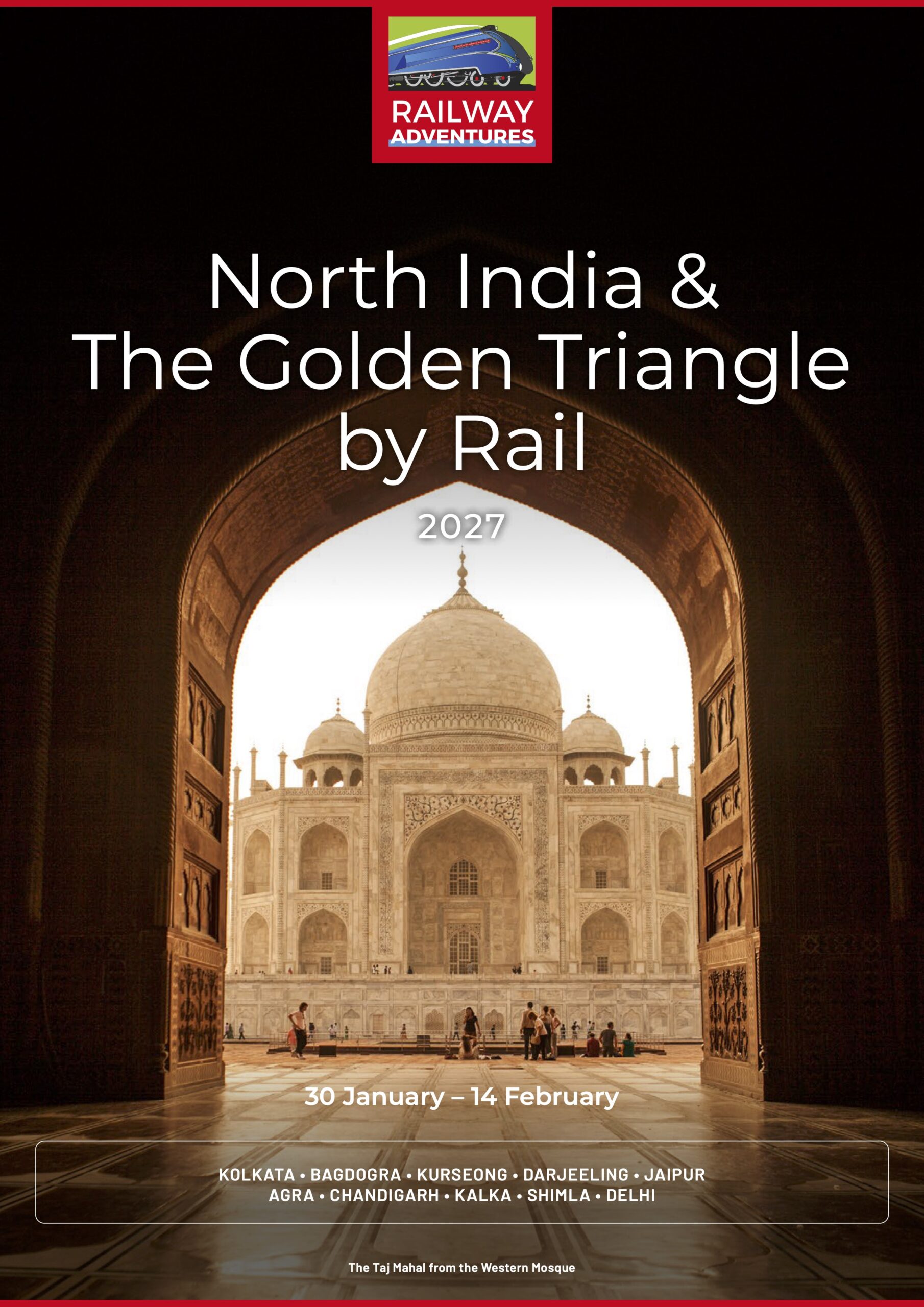
This morning after breakfast, immerse yourself in the timeless grandeur of Agra, beginning with the world-renowned Taj Mahal, a UNESCO World Heritage site. Often called the “Crown of Palaces” and celebrated as “The Jewel of Muslim Art in India”. Commissioned in 1632, built over 22 years and employing over 20,000 artisans, this sublime white marble mausoleum is a testament to the enduring love of Mughal Emperor Shah Jahan for his wife Mumtaz Mahal. Perfectly symmetrical from every angle, the marble appears to change colour in response to the sun’s hues.
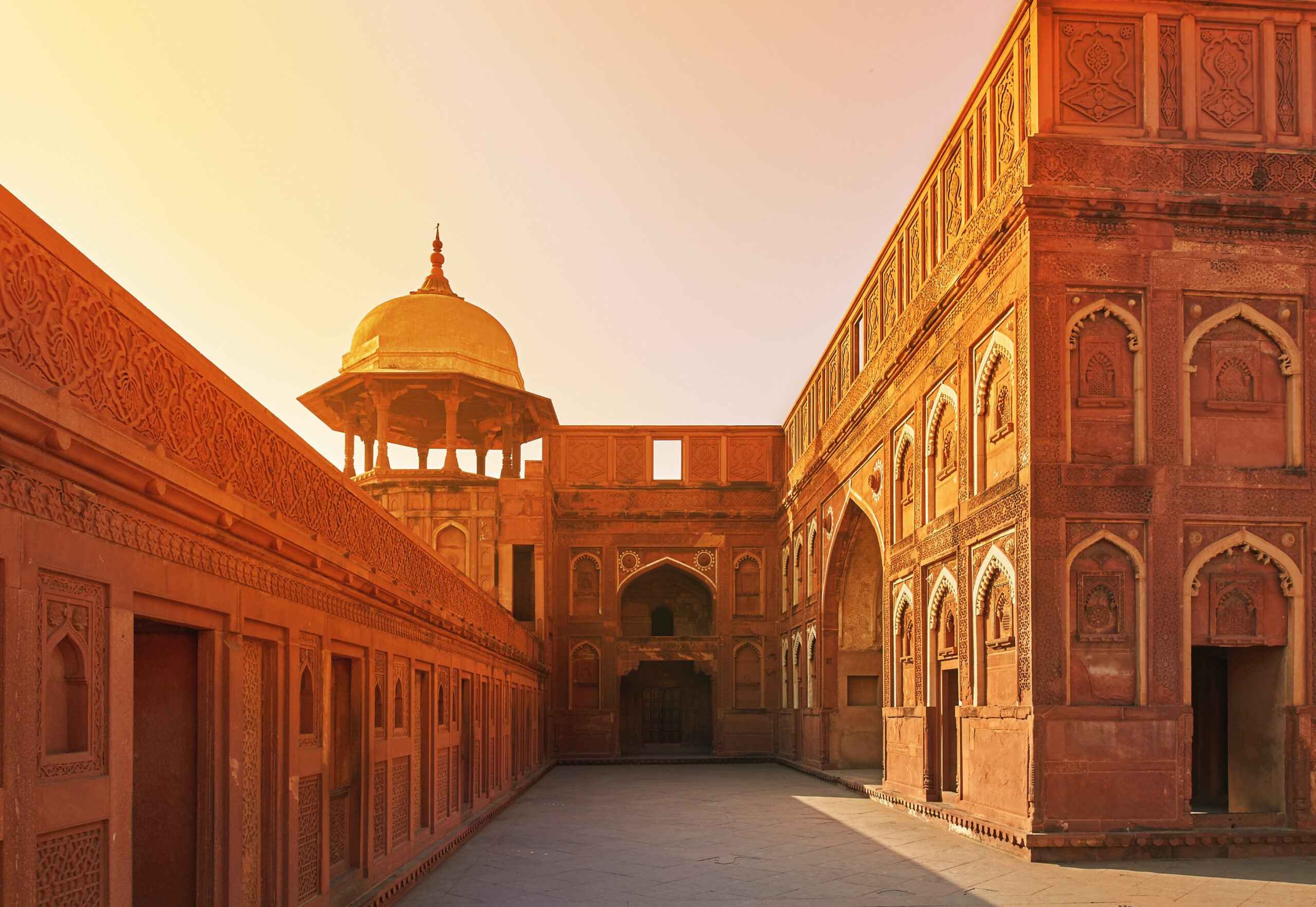
After enjoying lunch at The Salt Café Kitchen & Bar, a stylish local eatery, we’ll embark on a short metro ride to Agra Fort Station, offering a glimpse into the city’s modern transit system. Then, step back in time at Agra Fort, regarded as a precursor
to Delhi’s Red Fort – another UNESCO World Heritage site and the former primary residence of the Mughal emperors until the capital shifted to Delhi in 1638. Behind its imposing exterior lies a hidden paradise featuring exquisite structures such as Moti Masjid, a white marble mosque resembling a flawless pearl; Diwan-I-
Am and Diwan-I-Khaas, the grand audience halls; Musamman Burj, where Emperor Shah Jahan spent his final days in 1666; Jahangir’s Palace; Khas Mahal; and Sheesh Mahal.
We’ll return to our hotel for some downtime before dinner in the hotel restaurant. For those who are interested, you may like to join us this prior to dinner at the Kalakriti Cultural Centre for “Mohabbat the Taj Show”, a spectacular theatrical performance bringing the romance of Shah Jahan and Mumtaz Mahal to life. Through dance, lighting, and storytelling, the show celebrates the artistic vision and dedication of the artisans who created the Taj Mahal, offering a mesmerizing tribute to India’s cultural heritage.
Overnight: Courtyard by Marriott, Agra (B, L, D)
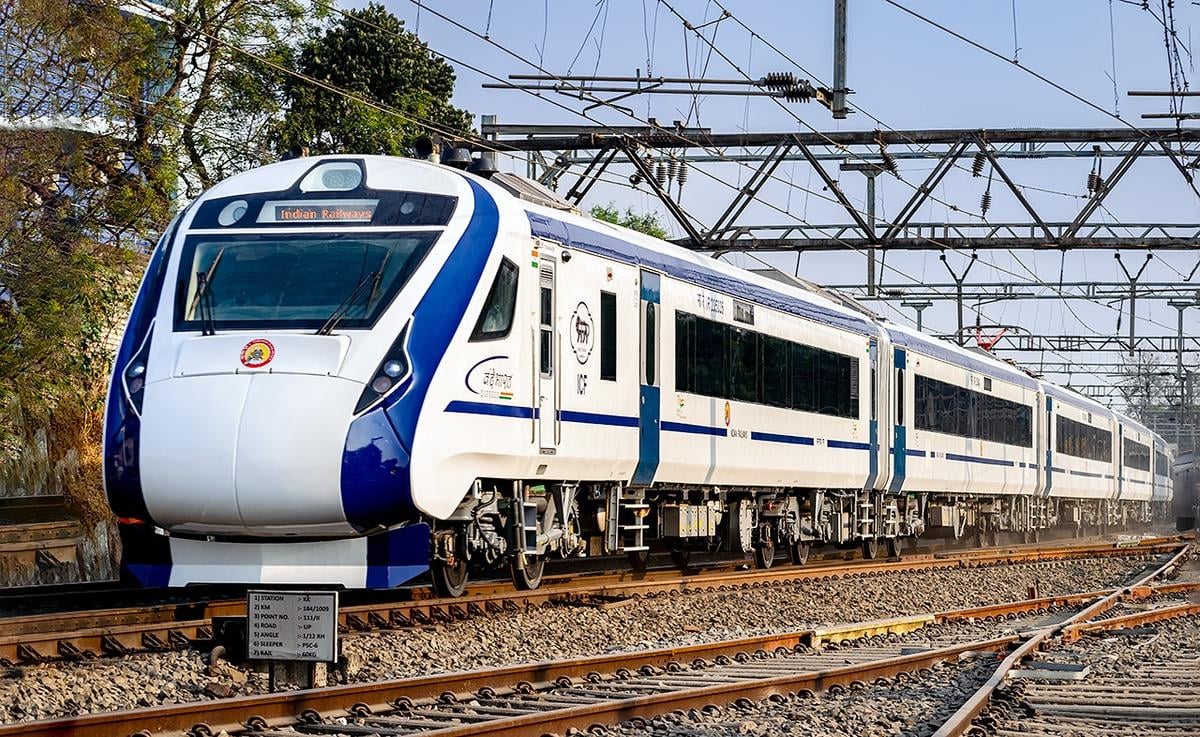
This morning after breakfast and check out, we’ll transfer to Agra Railway Station and board the Vande Bharat Express bound for Delhi, a city that has served as the seat of power for countless empires over the past millennium. Delhi’s story is one of cycles – of destruction, rebuilding, and reinvention – a history where, interestingly, conquerors have often become rulers. Delhi today is a potpourri of two distinct cultural lineages – the labyrinthine network of laneways with crumbling havelis and formidable mosques of Old Delhi, once the capital of Islamic India, juxtaposed against the immaculately planned New Delhi created by the British Raj.
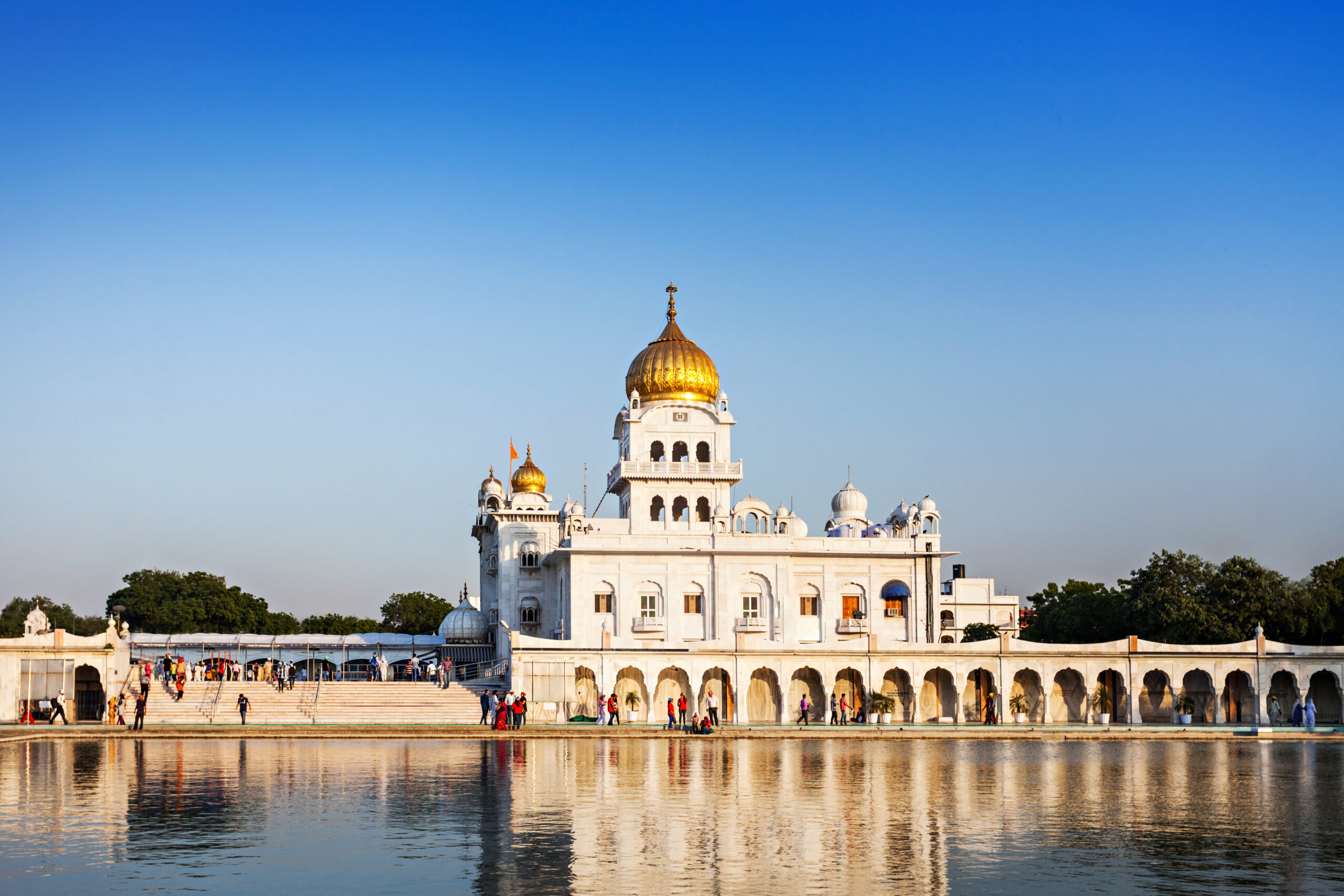
On arrival we’ll enjoy a late lunch at a local restaurant before visiting the serene Gurudwara Bangla Sahib, one of Delhi’s most revered Sikh temples. Known for its community kitchen, which serves over 10,000 people daily, the Gurudwara offers a moving insight into the spirit of selfless service and devotion.
It’s then off to our hotel to check in and have some time to relax before dinner in the hotel restaurant.
Overnight: Le Meridien, New Delhi (or similar) (B, L, D)
After an early breakfast and check out (you’ll explore Delhi more toward the end of the tour), we’ll transfer to Delhi Railway Station to board the train to Chandigarh, the shared capital of Haryana and Punjab and a union territory in its own right. Renowned as India’s first planned city, Chandigarh was designed by the legendary Swiss-French architect Le Corbusier (Charles-Édouard Jeanneret), and is celebrated for its modernist architecture, clean lines, and meticulously organised urban layout.
Upon arrival, we’ll transfer directly to our hotel to check-in and enjoy lunch before setting out on an afternoon of exploration. We’ll begin with a visit to the UNESCO listed Capitol Complex, a masterpiece of modernist architecture designed by Le Corbusier, and home to the Palace of Assembly, the massive Secretariat Building, and the dramatic High Court building. The complex stands as one of the most significant examples of 20th-century architecture worldwide, exemplifying Le Corbusier’s visionary approach to architecture and urban planning.
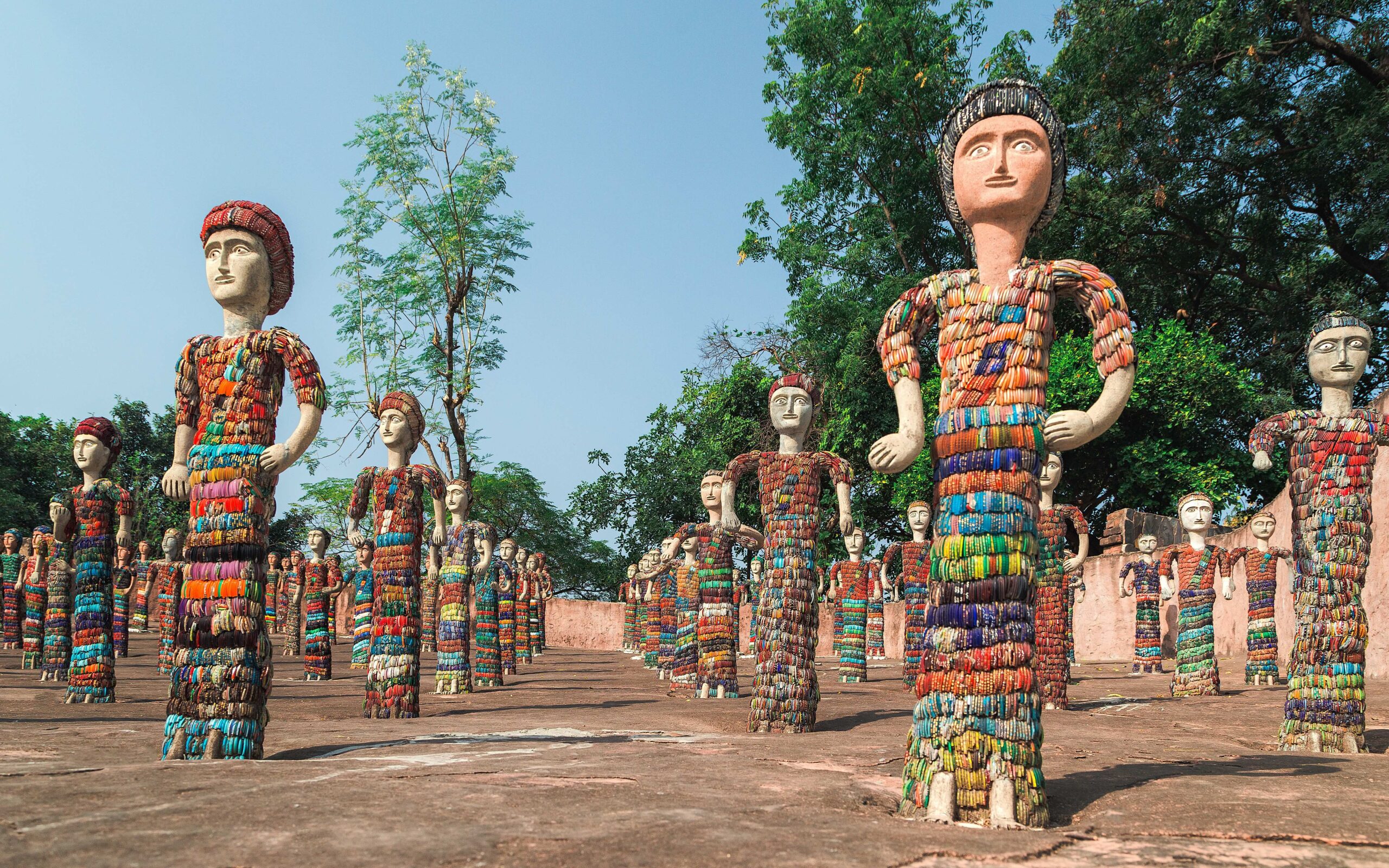
From here, we’ll discover the whimsical Rock Garden, a stunning example of creativity and sustainability. Conceived by Nek Chand, a former road inspector, this extraordinary space features interlinked waterfalls and sculptures crafted entirely from industrial and urban waste -including porcelain, auto parts, broken bangles, and metal wires – forming a landscape that is both artistic and environmentally conscious.
We’ll conclude our day with a visit to the adjacent Sukhna Lake, a serene man-made reservoir nestled at the foot of the Shivalik Hills. Designed by Le Corbusier and Chief Engineer P. L. Varma, the lake is a tranquil retreat and a favorite gathering spot for locals and visitors alike.
We’ll return to the hotel for some time to relax before regrouping for dinner together.
Overnight: Taj Chandigarh, Chandigarh (B, L, D)
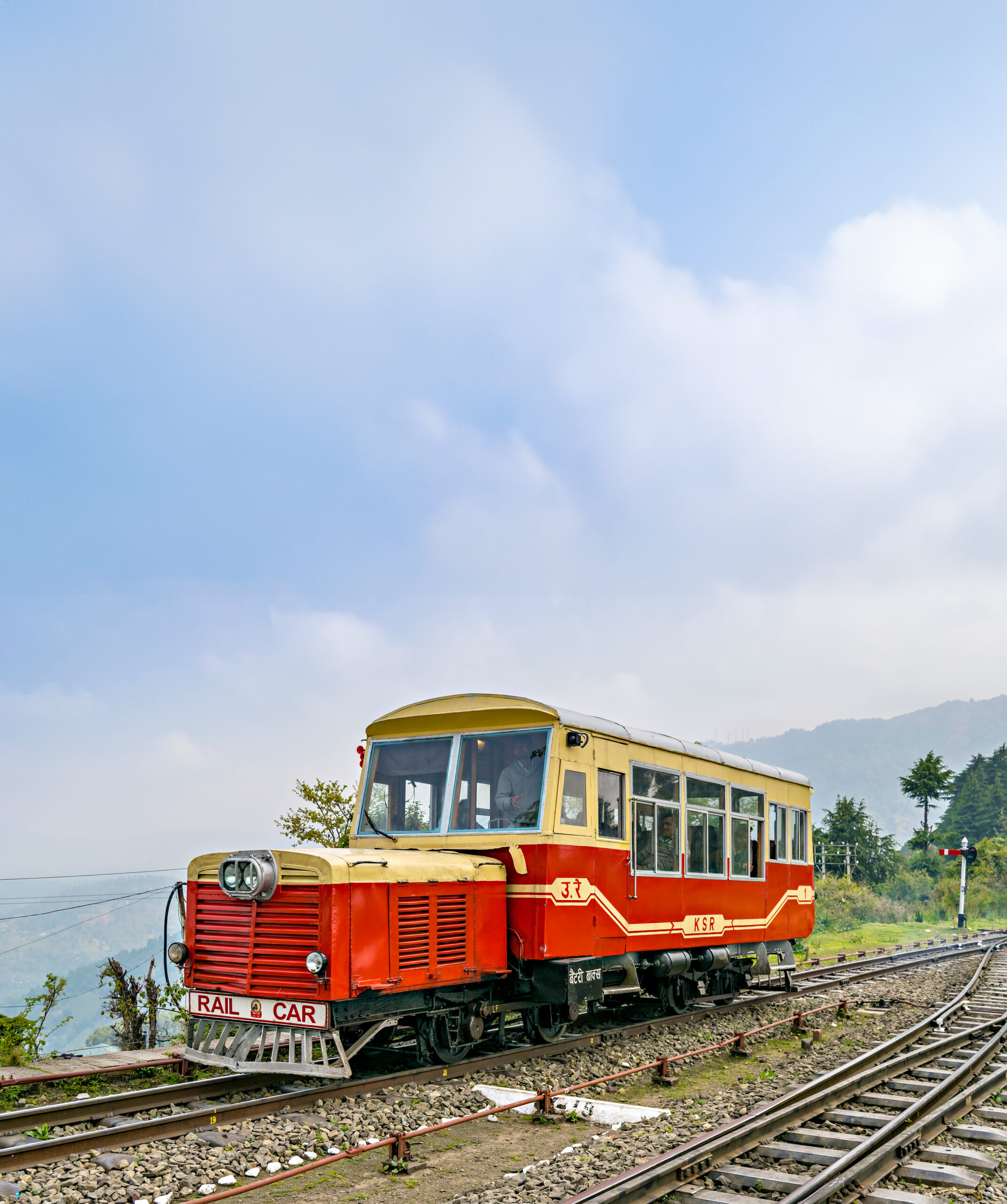
This morning after breakfast and check out, we’ll drive the short distance to Kalka, a small but strategically important town located right at the foothills of the Himalayas. After being acquired in 1843 by the British, it became a major rail junction with the completion of the broad-gauge line from Delhi and the narrow-gauge Kalka-Shimla Railway in 1903. This engineering marvel boosted the town’s economy through railways, workshops, and trade (ginger, turmeric markets in the early 1900s). Post-independence, it has remained a key transport hub and is the starting/terminus point for the Kalka–Shimla Railway—a UNESCO World Heritage Site.
Upon arrival in Kalka, we’ll embark on a nostalgic ‘slow rail’ journey on this spectacular railway in our own private Rail Car. Renowned for its panoramic vistas of pine forests, rolling hills, and the soaring Himalayas, highlights on the route include the engineering marvel of Barog Tunnel, charming stations such as Solan and Kandaghat, and a series of 102 tunnels, 864 bridges/viaducts and 900 curves that showcase the ingenuity behind this colonial-era railway. A packed lunch will be served on board.
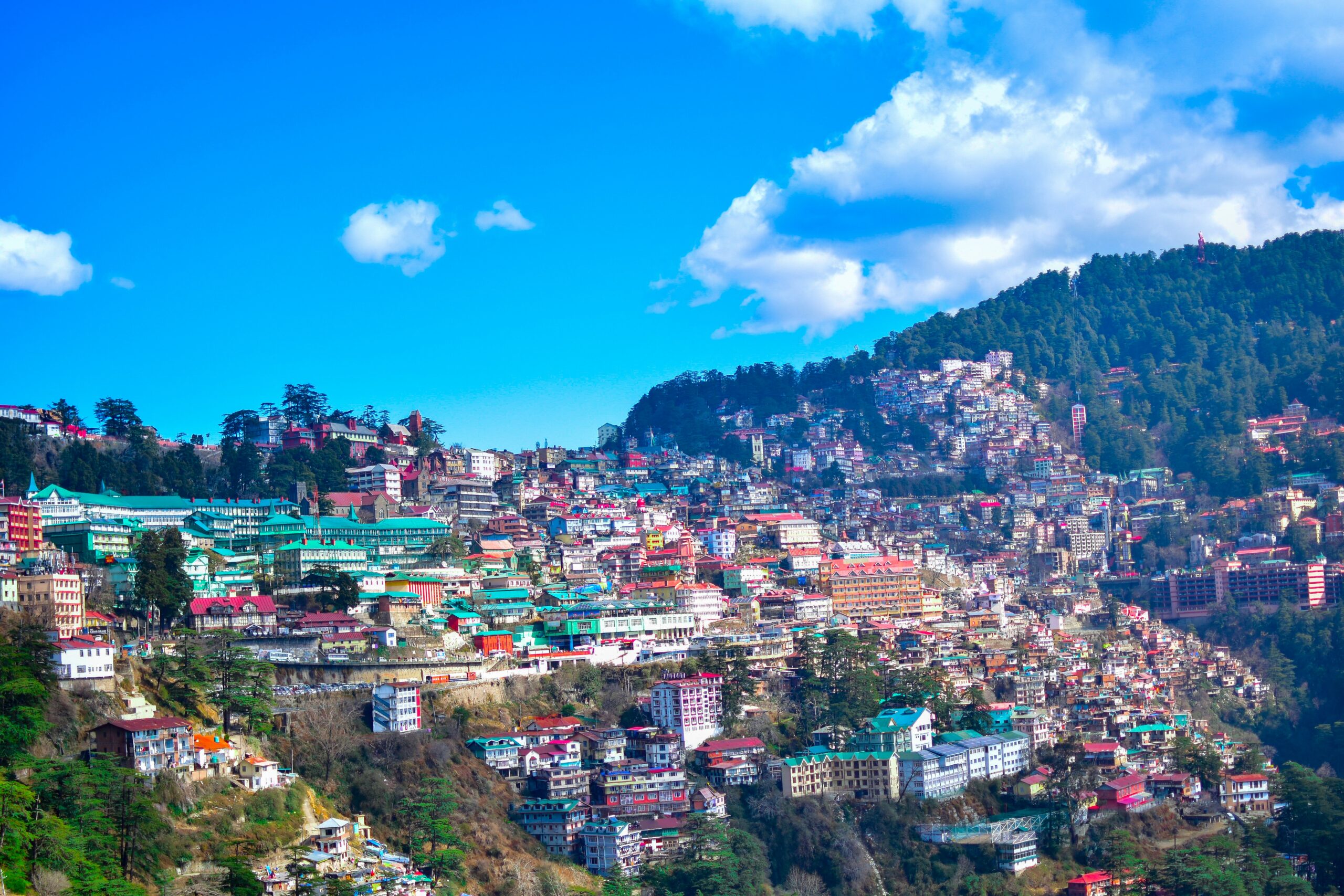
Shimla, nestled at 2,213 metres on a crescent-shaped ridge, is the capital of Himachal Pradesh and India’s largest hill station. Discovered in 1817 by British surveyors, it became the summer retreat of choice for the colonial administration, offering a refreshing climate and scenic vistas, and has retained its colonial legacy through charming cottages, churches, and British-era architecture.
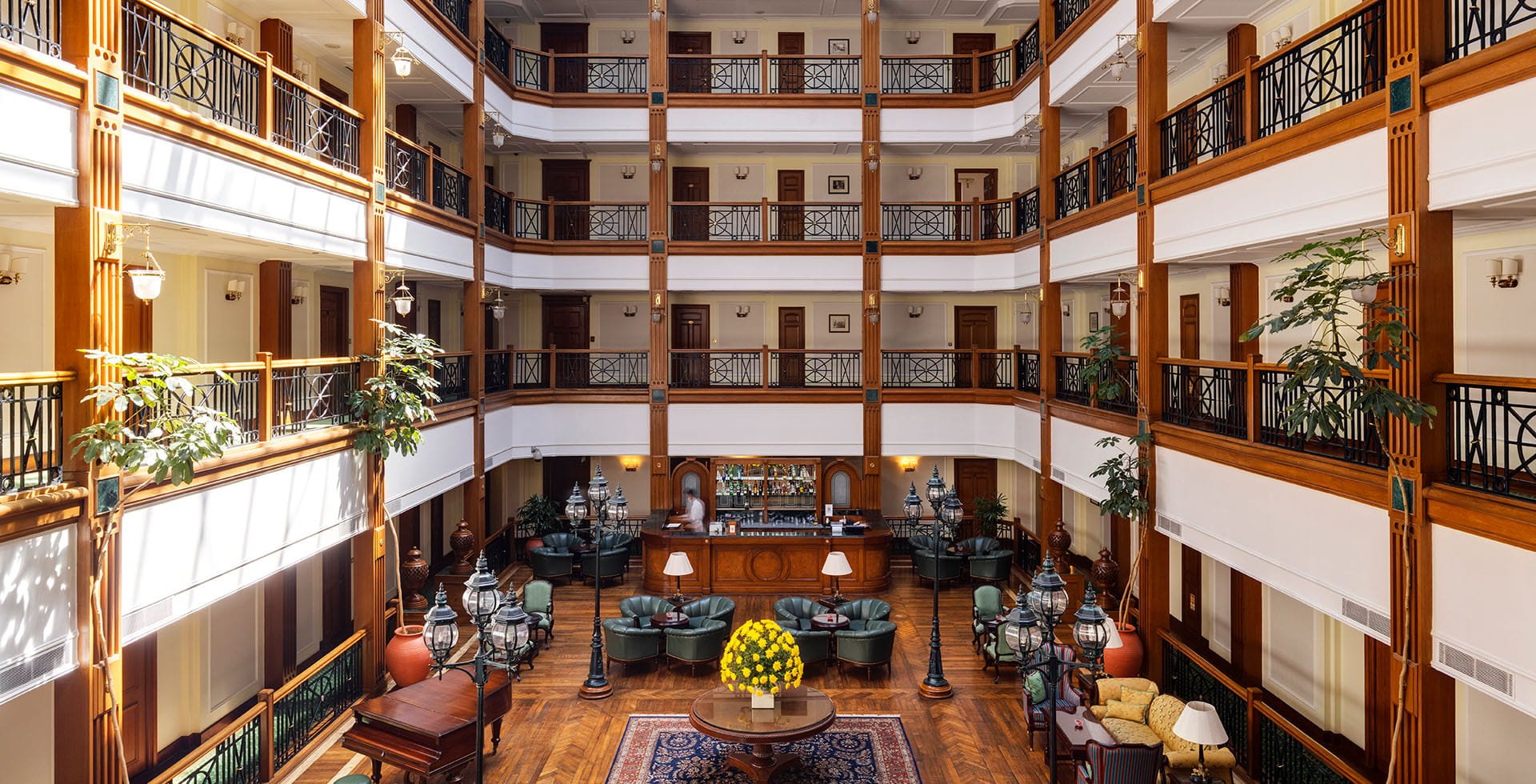
Upon arrival, we’ll transfer via private vehicles directly to our hotel – one of India’s most iconic heritage luxury hotels, it was established by the British Raj in 1884 and is renowned for blending timeless colonial elegance with Oberoi’s signature warm hospitality.
After checking in and enjoying some downtime in this fabulous hotel (maybe have a swim in the indoor heated pool), dinner will be served in the hotel restaurant.
Overnight: The Oberoi Cecil, Shimla (B, L, D)
This morning after breakfast, we’ll set out on an exploration of this charming hill town that blends natural beauty with a rich colonial heritage, starting with a short drive to the nearby magnificent Jacobethan-style Viceregal Lodge, one of Shimla’s most imposing and historically significant landmarks. Built between 1884 and 1888 during the British Raj under Viceroy Lord Dufferin, it served as the official summer residence of the British Viceroy of India and was the seat of imperial power from 1888 to 1947, hosting lavish state functions, banquets, and key political events. Now home to the prestigious Indian Institute of Advanced Studies, we will explore its grand interiors and gardens, absorbing the history of a building that once played a pivotal role in India’s colonial past.
From here, we continue on foot to the nearby State Museum, housed in the historic Inverarm building – a grand Victorian-style mansion originally built in the 1860s as a summer residence for officials of the British Raj. The museum is eclectic and well-curated, blending archaeology, art, and ethnography across more than 9,000 artifacts – highlights include ancient stone sculptures dating back to the 8th century; Pahari and Rajasthani miniature paintings; traditional Himachali handicrafts, costumes, jewelry, masks used in folk dances/dramas, and a unique collection of Himachali dolls; military memorabilia and historical artifacts; and more.
Later, we rejoin our vehicles and drive to the Mall road area for lunch at a local restaurant. We’ll then enjoy a leisurely walking tour along Mall Road, browsing its attractive historic shops and admiring the British-era architecture that defines Shimla’s character. En route, view prominent colonial landmarks such as the Shimla Club and the historic Gaiety Theatre, before continuing across The Ridge. Here, architectural highlights include the iconic Christ Church with its Victorian-Gothic spire, the mock-Tudor State Library, and the expansive Ridge Maidan, all contributing to Shimla’s distinctive atmosphere.
We’ll return to the hotel later in the afternoon to enjoy some downtime before gathering for dinner.
Overnight: The Oberoi Cecil, Shimla (B, L, D)
After breakfast and check out, we’ll start our full day journey back to Delhi with a scenic drive back to Chandigarh, where we’ll enjoy lunch in a local restaurant before transferring to the Chandigarh Railway Station to board the semi high-speed Vande Bharat Express to Delhi. This is one of India’s most popular and efficient short-haul rail routes, passing through the plains of Haryana, with views of fields, small towns, and occasional glimpses of the Aravalli hills.
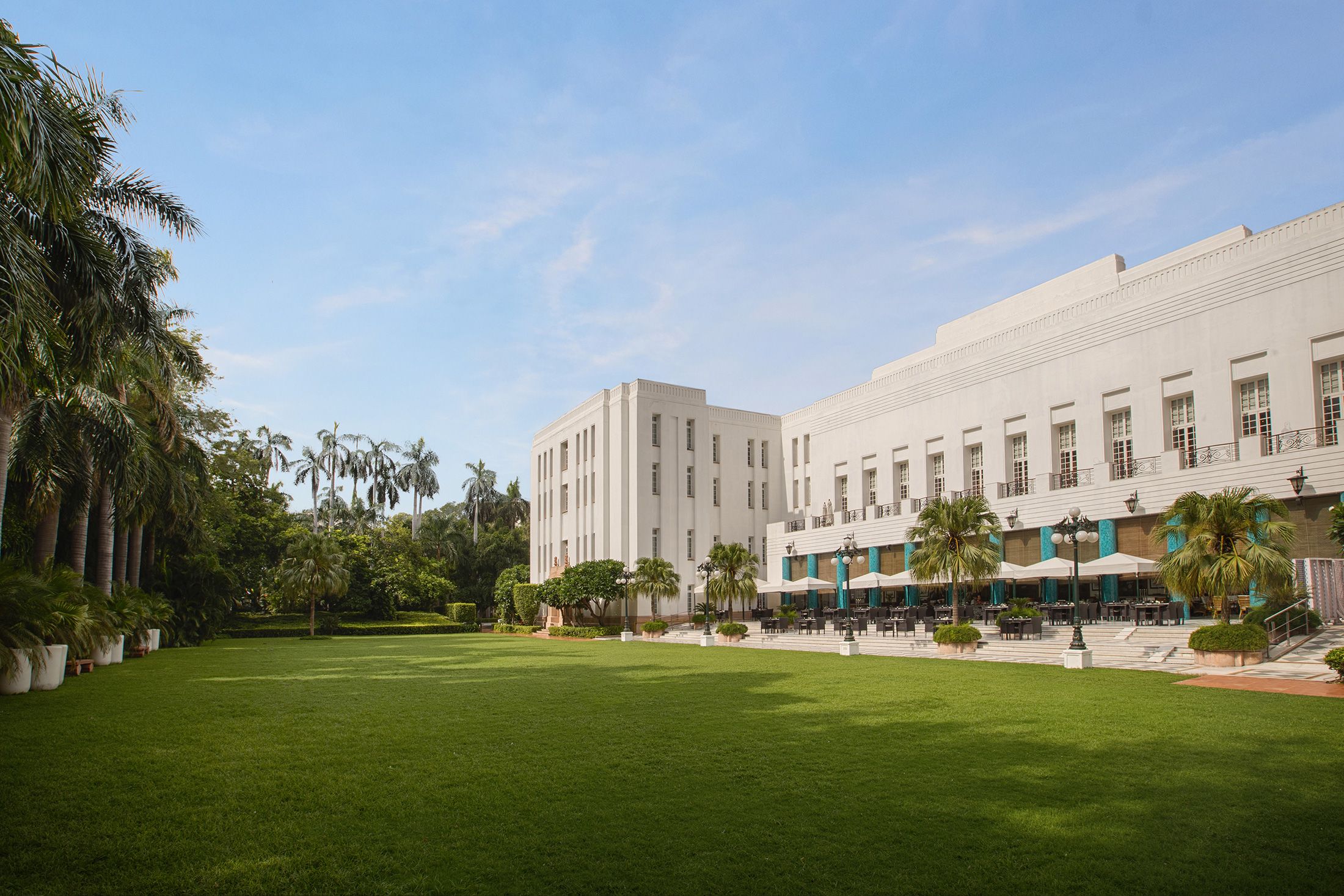
Upon arrival in Delhi, we’ll transfer directly to our hotel, one of India’s most iconic and luxurious heritage hotels, and check in. After some time to freshen up, we’ll enjoy dinner in one of the hotel restaurants.
Overnight: The Imperial, New Delhi (B, L, D)
This morning after breakfast, immerse yourself in the vibrant tapestry of Delhi – a city where ancient heritage, colonial grandeur, and modern energy converge.
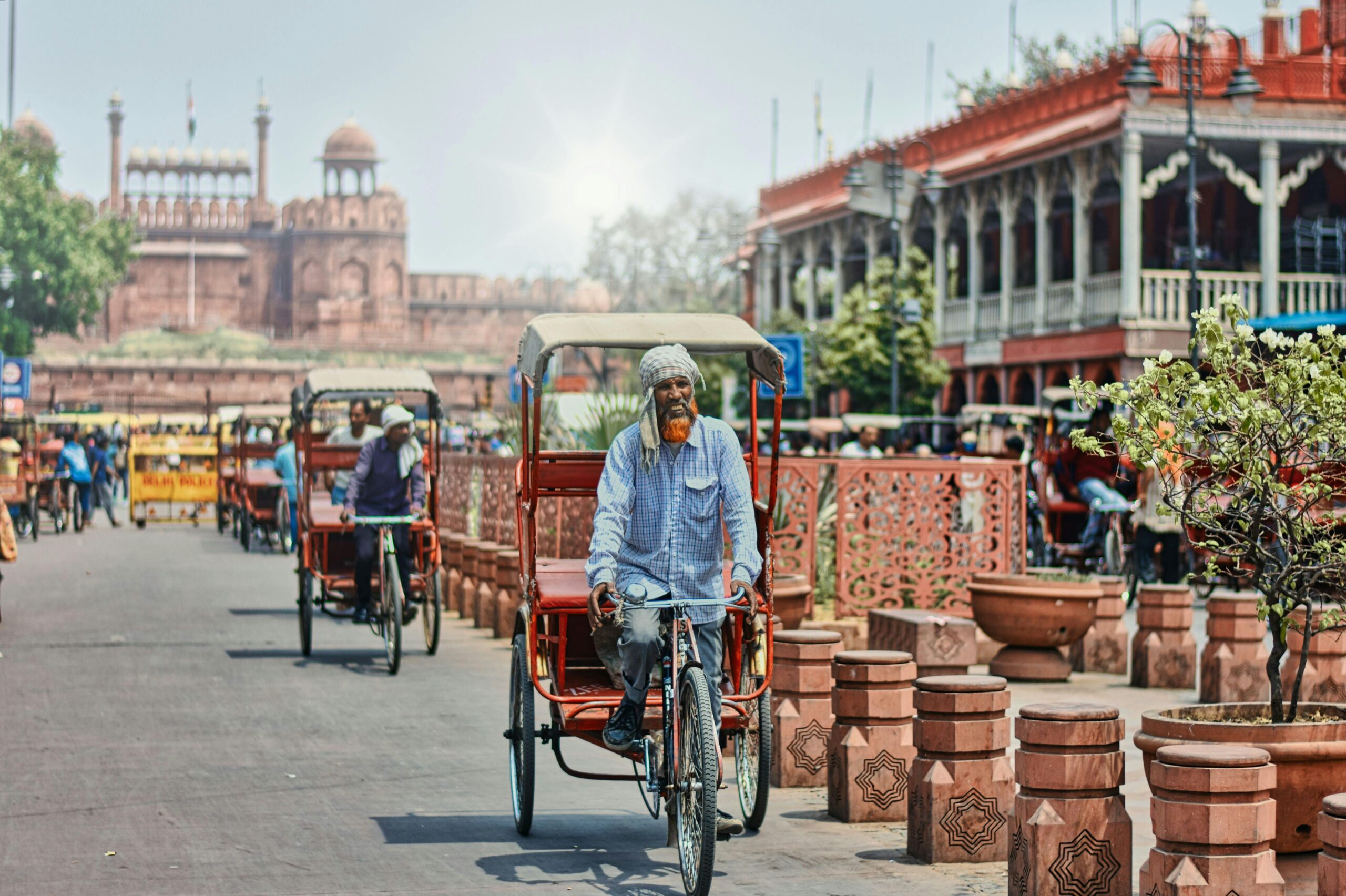
We’ll begin with a private guided visit to one of India’s most iconic historical landmarks – the staggering 103-hectare UNESCO World Heritage listed Red Fort, a massive fortress in the heart of Old Delhi, enclosed by the formidable red sandstone walls up to 33 metres that give it its name. Commissioned by Shah Jahan (who commissioned the Taj Mahal) after he shifted the Mughal capital from Agra to Delhi, it was completed in 1648 and became the imperial palace-fort. You’ll learn about its political history from our expert guide but most famously, it was here, in 1947, that Jawaharlal Nehru raised the Indian national flag in celebration of India’s independence. Inside highlights include the famous Diwan-i-Aam (Hall of Public Audience); the beautiful Rang Mahal (Palace of Colours), once the residence of royal ladies, famous for its mirrored ceilings and vibrant paintings; the Diwan-i-Khas (Hall of Private Audience), with the famous inscription: “If there is paradise on earth, it is this”; the Pearl Mosque (Moti Masjid); and the royal baths.
Our exploration continues with a short cycle rickshaw ride through the lively streets of Old Delhi to Jama Masjid, one of the largest mosques in Asia. Built between 1644 and 1656, this was Shah Jahan’s final grand architectural project – a vast courtyard accommodating up to 25,000 worshippers and two soaring 40-metre-high minarets of red sandstone and white marble are just a taste of the grandeur that awaits.
Relying on our feet now, we’ll walk the narrow, bustling lanes of Chandni Chowk, weaving through its vibrant bazaars encountering spice merchants, silversmiths, historic havelis, and street food vendors, while soaking up the aromas, sounds, and colours of centuries-old traditions and commerce.
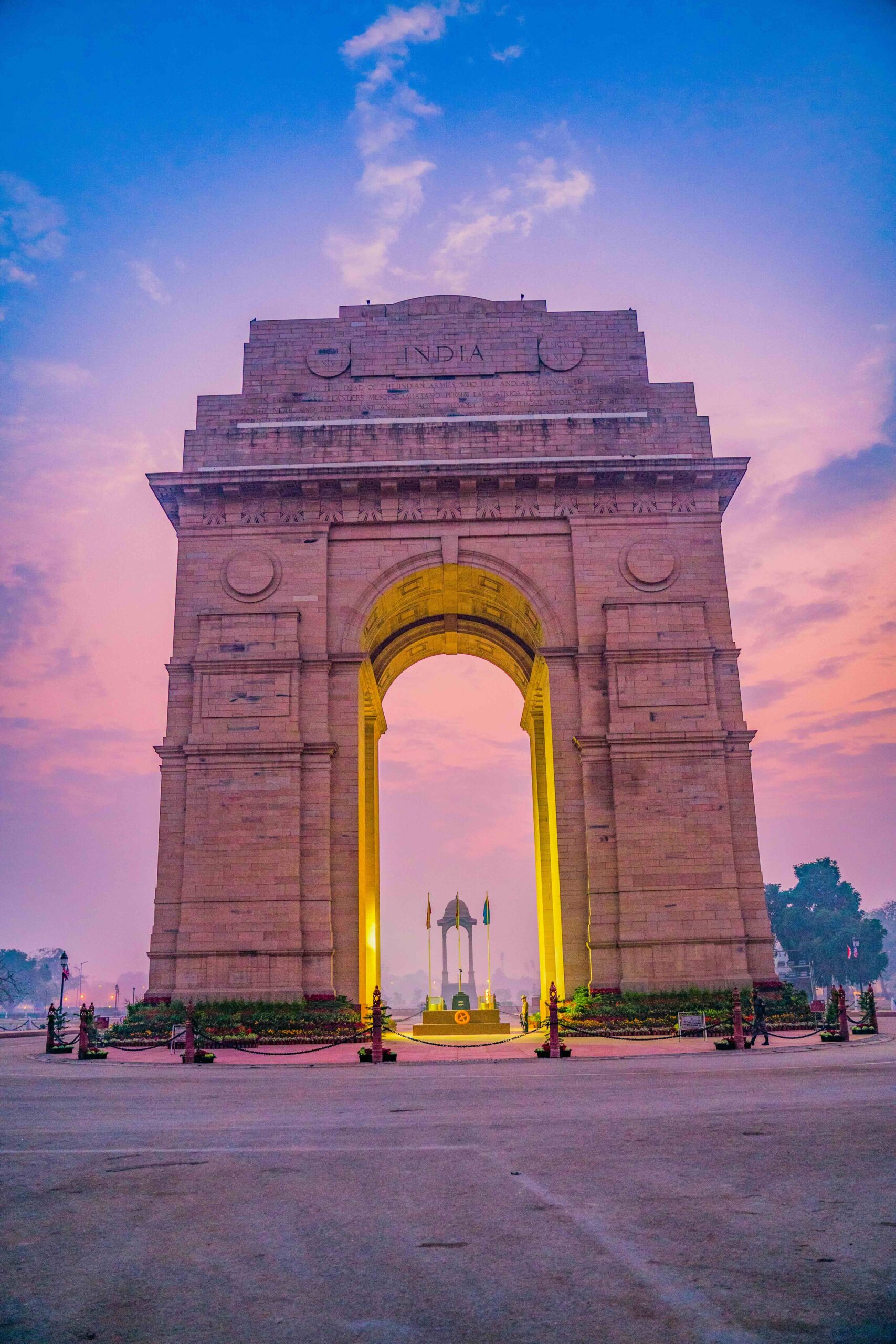
After a late lunch at a local restaurant, we’ll take a drive through Lutyens’ Delhi, passing grand British-era landmarks including the Parliament House and Rashtrapati Bhawan, masterpieces of Indo-European architecture, stopping at India Gate, a 42-metre-high war memorial reminiscent of the Arc de Triomphe, honouring soldiers of World War I and the 1919 Afghan War, and the nearby eternal flame of Amar Jawan Jyoti commemorating those lost in the 1971 Indo-Pakistan War.
After some time to freshen up back at the hotel, we’ll gather for a farewell dinner (including drinks) in our hotel’s signature restaurant, The Spice Route, one of India’s most iconic culinary destinations. Set amidst ancient temple pillars, hand-painted murals, and nine distinct sections celebrating the cuisines of East Asia, Java, and Southern India, the open courtyard under the moonlight provides a magical setting to toast your final evening in India.
Overnight: The Imperial, New Delhi (B, L, D)

This morning after breakfast, for those that are interested, we’ll explore the National Rail Museum, a fascinating open-air and indoor museum dedicated to the history and heritage of Indian Railways – one of the world’s largest and oldest rail networks and home to an extraordinary collection of royal carriages, locomotives, and antique trains. Spread over about 4.4 hectares, it offers a captivating journey through more than 160 years of rail evolution, from the British colonial era to modern times. Highlights include the Fairy Queen built in 1855 – the world’s oldest operational steam locomotive; the Vice Regal Dining Car; the Royal Saloons of the Prince of Wales (1875), the Maharaja of Mysore (1899) and the Maharaja of Baroda, each lavishly decorated and offering a glimpse into India’s regal railway history.
Our tour ends when we return to the hotel in the late morning. Your room will be available until 6.00pm and airport transfers (included in the tour price) will be arranged in accordance with your flight departure time.
(B)
15 nights of accommodation in 5 star and heritage hotels
Full breakfast daily, 14 lunches, 14 dinners
All transport fares and costs provided for in the itinerary
All meals, drinks excursions provided for in the itinerary
20kg checked in bag allowance and 7kg carry on for internal flights
Railway and hotel porterage
Full-time Railway Adventures Tour Leader and Local Tour Manager/Guide throughout
Knowledgeable local guides
Accommodation taxes (if applicable)
All service gratuities and tips for guides (valued at $500pp)
Travel to tour departure point and from tour end point
Travel insurance (Mandatory for international travel)
Visa fees
Meals and drinks not provided for in the itinerary
Things of a personal nature such as phone calls, laundry, room service, etc
The best train trips possible, private luxury coach for off-train travel, guided walking where suitable, and other appropriate and appealing options to make exploration easy
Hand-picked hotels and resorts based on location, customer feedback, value and atmosphere. Please Note: Hotels of a similar standard may be substituted.
Hear from some of our adventurers that have already ridden the rails with us.
Lorem ipsum dolor sit amet consectetur. Tincidunt convallis magna eu ac eu cursus. In duis fusce risus nec eget habitant massa pharetra. Eros a gravida faucibus lorem.

Reserve your place on this exciting exploration of North India & The Golden Triangle by Rail 2027.

Train traveller, well known TV personality and travel company owner, Scott McGregor, has travelled on some of the world’s most inspiring railway tours and led the most exclusive group adventures to numerous exotic destinations over the years.
“Rustic, character-filled, zig-zagging railways of Burma, opulent hotels on wheels in India South Africa and Sri Lanka, steam-hauled heritage trains in some of the most staggeringly scenic parts of the world, dinky little rail-cars in outback Queensland, bullet trains in Japan, cliff-hugging lines in Switzerland and Norway—if it travels on a rail track, I’m there!”, exclaims self-confessed train travel tragic, Scott McGregor. “In my mind, travelling by rail is still the most wonderful way to immerse yourself in the country you’re visiting. It’s romantic, relaxing and about as much fun as you can have!”.
Aa a child of the last days of steam trains in the busy junction town of Orange, NSW; trains heading in all directions offering temptations and dreams of faraway places, left an indelible impression on a young, inquisitive boy and Scott has been riding the rails in one form or another ever since. While Scott’s acting career of 30 years kept him busy starring in numerous TV shows and stage plays and then as an on-air presenter on programs such as Better Homes and Gardens, Room for Improvement and various pay-TV programs, his passion for railway tours was ever-present. “Presenting a series of Railway Adventure travel programs for Channel 7 was a career highlight”, he says with as much enthusiasm now as he had then.
In 2012 Scott decided to combine three of his passions; travel, trains and presenting, and launched Railway Adventures. Not only does he get to expand his own horizons and indulge his love of train travel, he gets to use his extensive hosting experience and love of people to lead other like-minded travellers on escorted train tours around the world. Since then, Railway Adventures has mounted more than 50 tours from Sweden to Sri Lanka, Tasmania to Transylvania, Britain to Burma and Venice to Vietnam, thrilling over 1,000 travellers. New tours are launched regularly, inspired by new trains, new routes and the growing interest in taking a train to some of the world’s most fascinating places. But you don’t have to be a train ‘nut’ to enjoy a Railway Adventures tour – there’s something for everyone!
Just one example of how Scott finds inspiration for a tour can be found in Outback Queensland. “There you find some of Australia’s most eccentric and appealing trains and together with a mail-plane flight over the Gulf and some interesting local coach and boat trips you have the essence of a quintessential Aussie outback adventure. The sleeper train, The Spirit of the Outback, the Savannahlander and the Gulflander (which has been running on the same timetable for more than 125 years!) are all iconic trains that traverse various parts of the wild Outback, Savannah and tropical rainforest landscapes of the vast state of Queensland. Along with some other special treats not available to the ordinary traveller, Railway Adventures passengers get to do it all!.
One of his favourite journey’s is by private train in Sri Lanka. For 2 weeks every year Scott charters the Viceroy Special heritage train to tour the island on a gentle rail cruise with a lucky group of travellers. Staying in luxury resorts and hotels along the way, his special train travels to almost every corner of the scenic island. “Having a private train at your disposal for an adventure around this magic island is a rare treat and a great way to immerse yourself in the scenery and culture of the country.”, he enthuses. “Our Vietnam tour makes use of private carriages attached to regular trains to explore that great country in comfort and in South Africa we use a variety of trains including the luxurious Rovos Rail and the Royal Livingstone steam train to move from one incredible adventure to another”.
Apart from the obvious joy of seeing a country by train, travelling in a small group of like-minded travellers with a dedicated, experienced tour leader and knowledgeable, English-speaking local guides is what really sets Railway Adventures apart. “The camaraderie that comes from both shared purpose and shared experiences on tour is an important aspect of the journey” Scott adds. “We’ve seen many people become life-long friends from the time they shared together along the line. The best feeling in the world is when I welcome these same people on repeat journeys”.
Along with popular destinations like Switzerland, Scandinavia, Outback Queensland and Sri Lanka, a new breed of more unusual destinations has gained great interest. Java, Cuba, Southern Africa, India and the New England region of NSW are just some of the newer adventures on offer. As for Scott’s next escape, it’s most likely some quality time at Ruwenzori Retreat, his own personal train on the Great Dividing Range near Mudgee, Central NSW. Built from a collection of vintage railway carriages it’s now a boutique tourist accommodation, comprising exclusive Orient Express style comfort for up to 13 guests. “When the travels are done, coming back to my own train in the beautiful Mudgee mountains is the most restorative and magical time for this committed rail romantic”, Scott says.